PUCC 3.0: Why Newer BS-VI Cars May Get Easier Pollution Checks While Older Vehicles Face Tighter Rules
India's proposed PUCC 3.0 framework could extend pollution certificate validity to three years for newer BS-VI cars while subjecting older and dirtier vehicles to far more frequent emission checks.
Commentary & Analysis ·
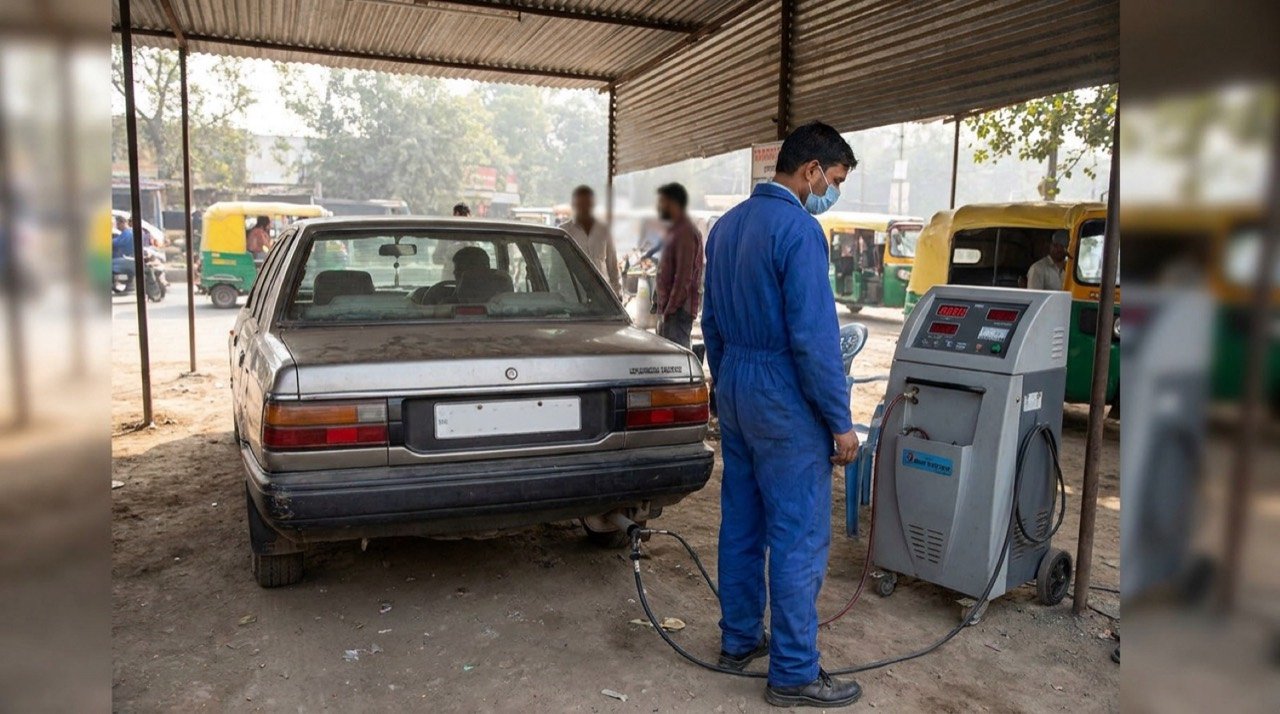
India's proposed PUCC 3.0 framework could reshape how vehicle owners deal with pollution compliance, easing the burden on newer cars while tightening the leash on older, more polluting ones. The plan reflects a growing policy consensus that emission scrutiny should be matched to the actual environmental footprint of a vehicle.
What the proposal changes
Under the reported plan, private BS-VI vehicles up to six years old may receive a Pollution Under Control Certificate valid for three years, sparing owners frequent trips to testing centres. BS-VI vehicles aged six to ten years may require annual renewal.
Vehicles older than ten years may need checks every six months, while older BS-IV and pre-BS-IV vehicles could face even shorter renewal cycles. The structure effectively grades oversight by age and emission standard.
The reasoning behind the tiers
The policy argument rests on a straightforward technical premise: newer BS-VI vehicles emit far less particulate matter and nitrogen oxides than their predecessors. Subjecting them to the same testing frequency as ageing vehicles, the logic goes, imposes cost and inconvenience without commensurate environmental benefit.
Older or poorly maintained vehicles, by contrast, contribute disproportionately to urban air pollution. Concentrating scrutiny on them is intended to target the real sources of harmful emissions in India's cities.
Closing loopholes in testing
Beyond rebalancing renewal cycles, the plan also seeks stronger testing integrity to curb manipulation in readings, a persistent weakness in the existing system. Tighter safeguards would aim to ensure certificates reflect genuine emission performance rather than gamed results.
- BS-VI private vehicles up to six years old: certificate valid up to three years.
- BS-VI vehicles aged six to ten years: likely annual renewal.
- Vehicles older than ten years: checks possibly every six months.
- Older BS-IV and pre-BS-IV vehicles: shorter renewal cycles.
- Stronger anti-manipulation measures to protect testing integrity.
“Newer BS-VI vehicles emit far less particulate matter and nitrogen oxides, while older or poorly maintained vehicles contribute more to urban air pollution.”
— Policy rationale
What it means for owners
For millions of Indians who own recent vehicles, the change would mean less paperwork and fewer visits to PUC centres, a tangible convenience. For owners of older vehicles, it signals rising compliance costs and a clearer push towards cleaner mobility.
If adopted, PUCC 3.0 would mark a shift from uniform checks towards a risk-based model aligned with India's broader battle against air pollution. The details and timeline will determine how smoothly the transition lands for ordinary motorists.
The NE Times View
Tiering pollution checks by vehicle age and standard is sensible policy, easing the burden on cleaner BS-VI cars while targeting the genuinely dirty older fleet. The catch is enforcement integrity: India's PUC system is riddled with fake certificates, and longer validity multiplies the room for fraud unless testing is digitised and tamper-proof. Get the verification right and PUCC 3.0 is smart reform; get it wrong and it simply legalises three years of unchecked emissions.
This article is original commentary and analysis by The NE Times. Background facts were referenced from Times of India and The NE Times.
You may also like to read
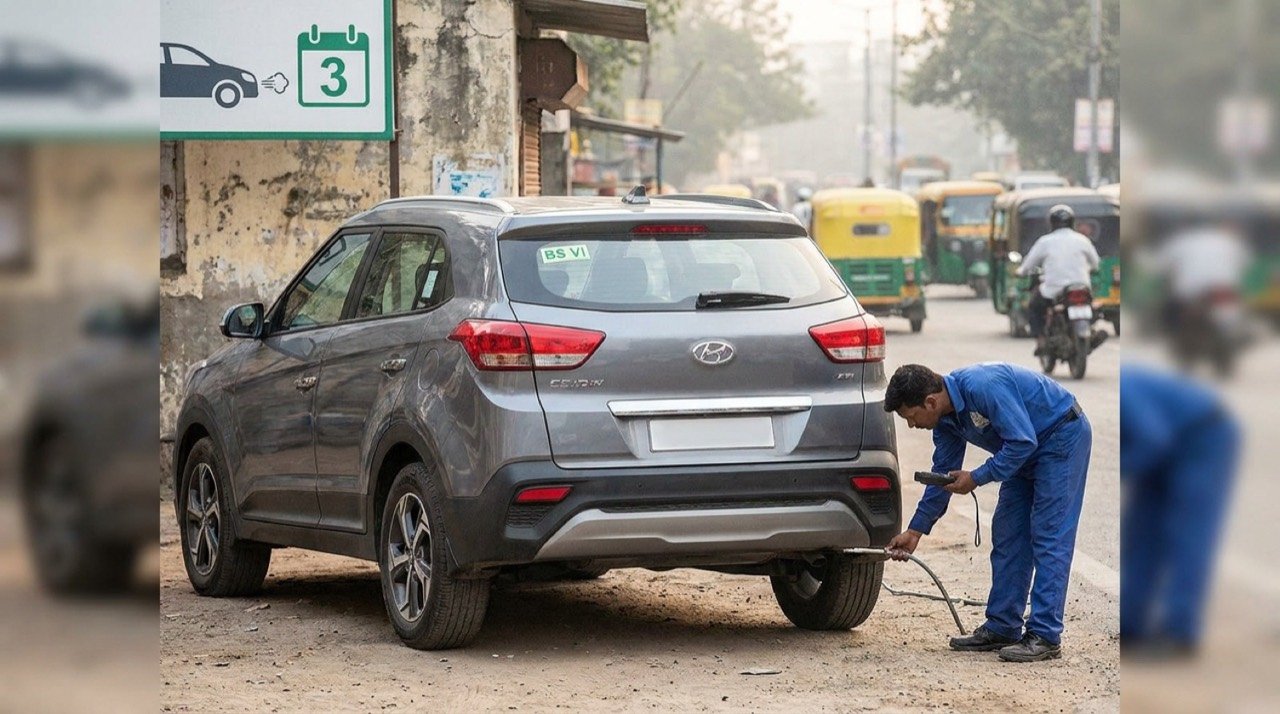
New PUCC Proposal Could Give BS VI Vehicles Three-Year Pollution Certificate Validity
India's transport authorities are weighing a longer Pollution Under Control certificate validity for new BS VI vehicles, easing owner compliance while raising questions on real-world emissions checks.
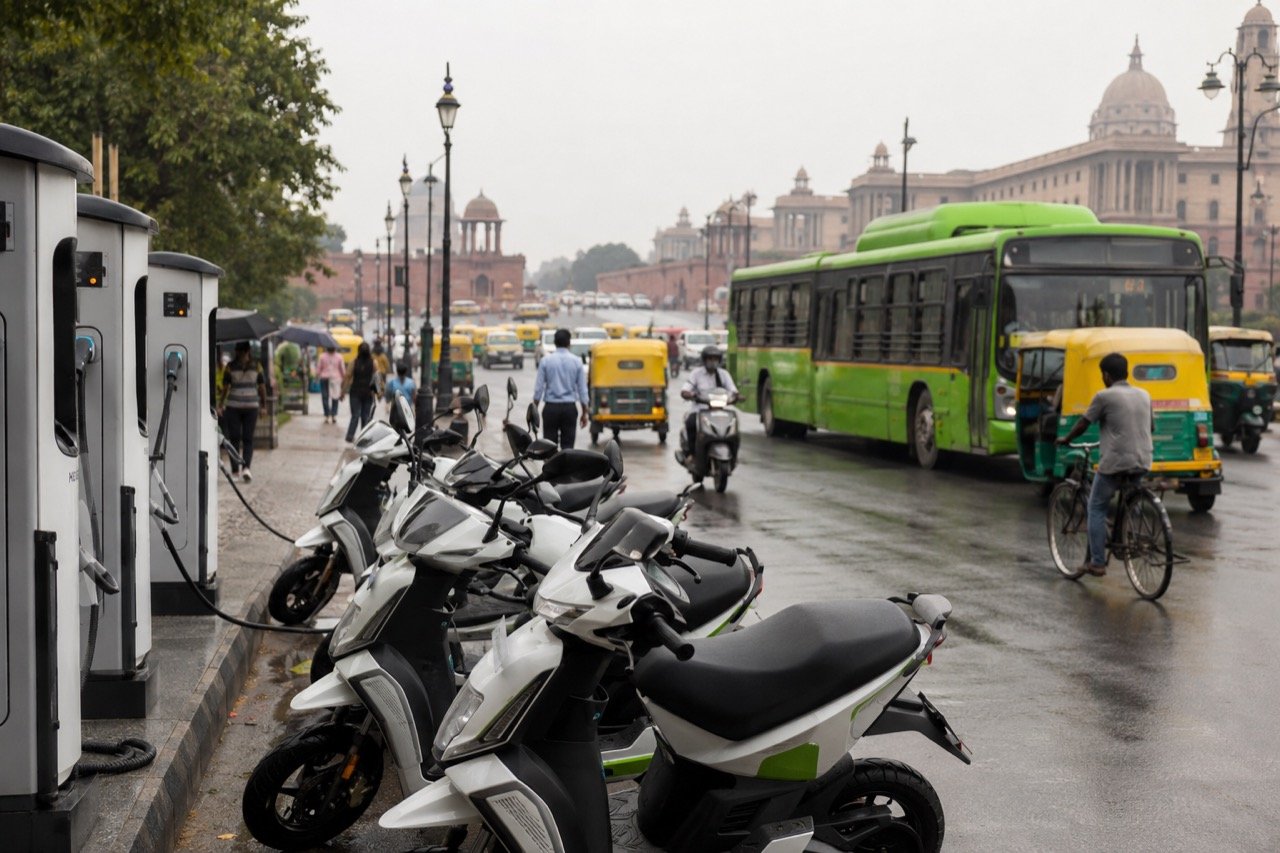
Delhi EV Policy 2.0: Ownership Costs, 2028 Petrol Bike Halt Explained
Chief Minister Rekha Gupta is pitching Delhi's new EV policy as a long-term ownership shift, pairing purchase incentives and charging infrastructure with a contested halt on new petrol two-wheeler registrations from April 2028.

Karnataka Daycare Rules: Child Panel Pushes Reform After Abuse Case
Karnataka's child rights panel has proposed uniform daycare regulations, including mandatory registration and CCTV access, after an alleged child abuse case at a Capgemini campus daycare facility.
Kamakhya gears up for Ambubachi Mela 2026 with new entry route and tighter security
The four-day festival on Guwahati's Nilachal Hills, often called the 'Mahakumbh of the East', opens late on 22 June, with authorities adding a fresh access road from the Pandu side to ease the crush of lakhs of pilgrims, sadhus and tantriks.
More from this section
More
AICTE Industry Fellowship 2026: Rs 1.5 Lakh Scheme Closes July 5
The AICTE Industry Fellowship Programme 2026, which places technical-education faculty inside leading companies on a Rs 1.5 lakh monthly stipend, reached its application deadline on July 5.
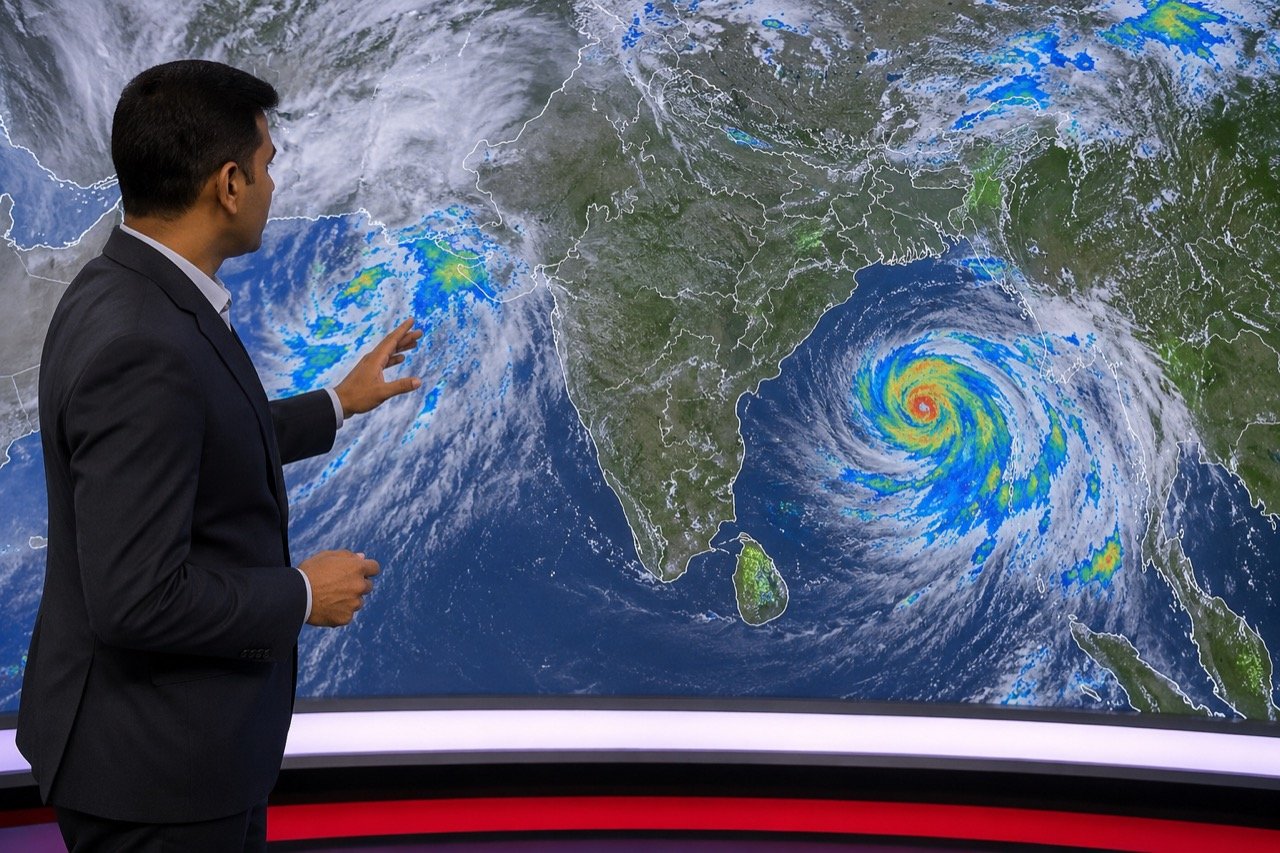
Bay of Bengal Low Pressure System Revives Monsoon Over Western India
A low-pressure system over the Bay of Bengal has pushed the monsoon back into an active phase, bringing steady heavy rain to Kerala, coastal Karnataka and Maharashtra, and putting Mumbai and Pune on preparedness watch.
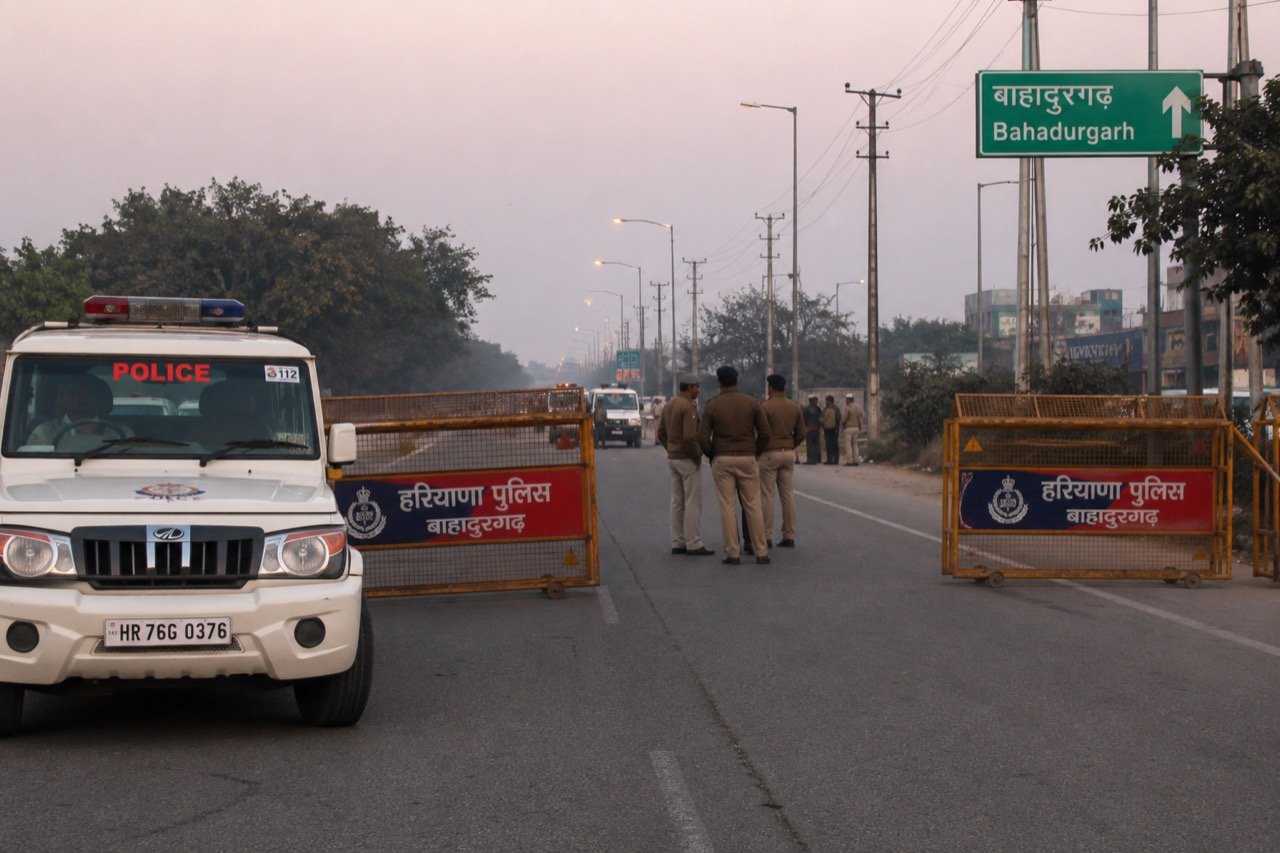
Bishnoi Gang Suspects Injured in Haryana Encounter as Police Tighten Net
A joint Haryana-Delhi Police operation in Bahadurgarh left two suspected Lawrence Bishnoi gang members injured, spotlighting the multi-state coordination now central to India's fight against organised crime networks.