Rekha Gupta Interview Puts Delhi EV Incentives and Civic Services in Focus
Delhi Chief Minister Rekha Gupta's interview with The Indian Express places electric-vehicle incentives and urban-service delivery at the heart of the capital's policy debate, framing how the government wants Delhi's next phase to look.
Commentary & Analysis ·
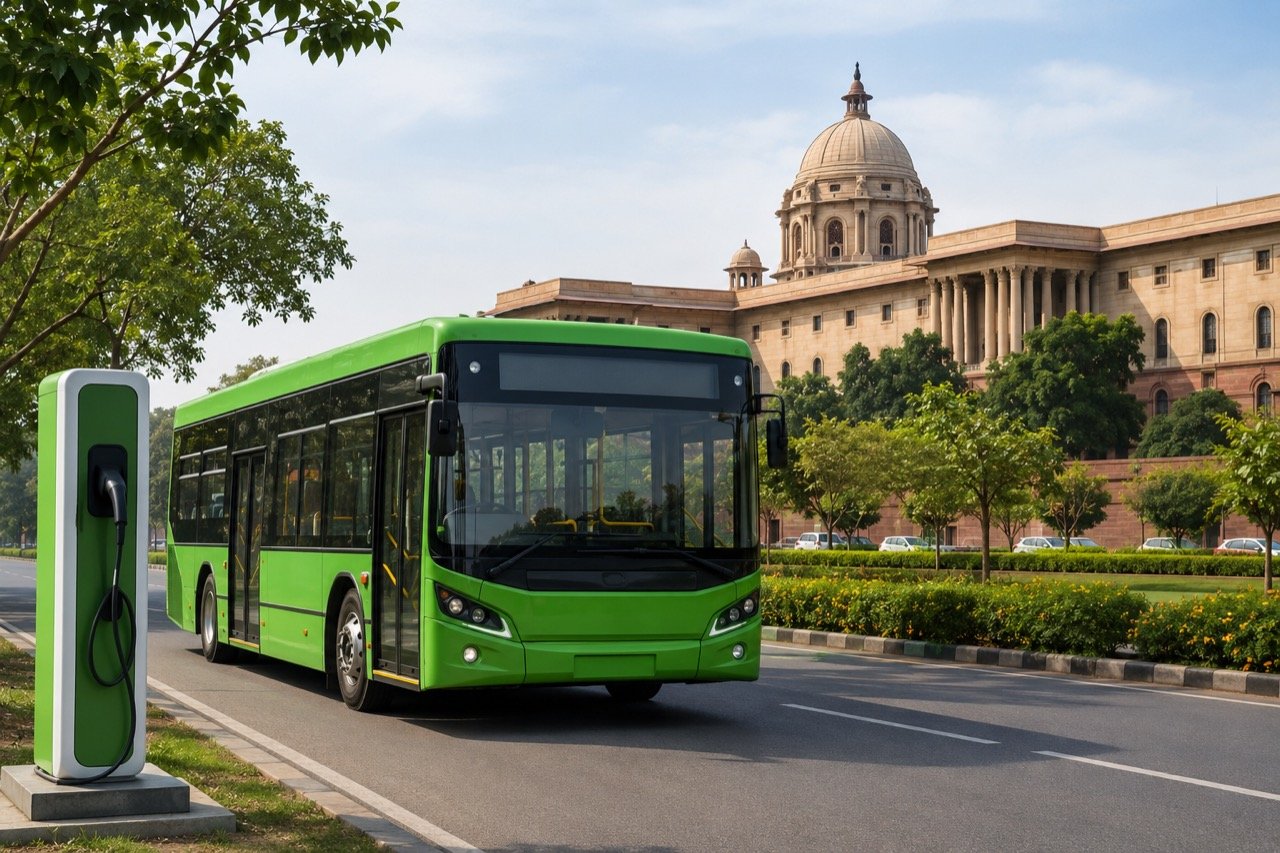
Delhi Chief Minister Rekha Gupta has placed the capital's cleaner, more modern future at the centre of its policy conversation in an interview with The Indian Express. The discussion ranged across electric-vehicle incentives and urban-service priorities, offering residents a clearer picture of how the government intends to frame Delhi's next phase of development. That such a wide-ranging interview took place at all is instructive: it signals that the government sees value in setting out its own narrative before the monsoon session of civic complaints — over waterlogging, pollution spikes and traffic snarls — inevitably takes over the public conversation. For a capital that cycles through the same set of grievances every year, an interview of this kind is as much an act of political positioning as it is a policy statement.
The practical stakes for Delhi
Delhi's governance challenges are stubbornly concrete: air quality, traffic congestion, public transport capacity, waste management, surging power demand, water supply and civic accountability. None of these problems are new, and none of them yield to a single stroke of policy. What makes them distinctive is the sheer density of the city and the number of institutions with overlapping jurisdiction over its infrastructure. Any government that wants to claim credit for a cleaner, more modern Delhi has to contend with municipal bodies, power distribution companies, transport authorities and central agencies that all have a hand in outcomes residents actually experience. Framing the future in terms of a cleaner and more modern capital is easy; delivering it requires those agencies to move in the same direction at the same time, which is precisely where past efforts have often stalled.
EV incentives as the visible strand of a wider agenda
EV incentives are the most visible strand of this wider agenda, and it is easy to see why they occupy a prominent place in the interview. They are tangible, easily communicated and politically popular in a way that, say, drainage upgrades or power-grid reinforcement are not. They can lower the lifetime cost of owning cleaner vehicles, making electric options more competitive with conventional petrol and diesel vehicles at the point of purchase or over years of ownership. But their real-world impact hinges on charging infrastructure, fleet adoption and affordability for ordinary buyers. A subsidy that reduces upfront cost does little if a buyer cannot find a reliable charging point near their home or workplace, and it does even less for the commercial fleets — buses, autos, delivery vehicles — that account for a disproportionate share of on-road emissions in a city like Delhi. The incentive is a lever, not a solution in itself; its ultimate effect depends on a chain of supporting conditions that lie mostly outside the subsidy scheme.
From slogans to measurable delivery
For residents following Delhi's EV policy and the government's cleaner-city pitch, the essential takeaway is that urban transformation has to move from announcements to measurable outcomes. Subsidies and incentives can nudge behaviour, but citizens ultimately judge policy through daily experience — cleaner buses, smoother roads, safer streets and services that work without a fight. This is the gap that has historically separated policy rhetoric from policy delivery in Delhi: an announcement generates headlines, but only sustained execution changes what a commuter experiences at a bus stop or a resident notices in the air they breathe. The test of any administration is not whether it can articulate a vision of a cleaner capital, but whether the machinery beneath that vision is capable of translating intent into results that show up in air-quality readings, ridership figures and complaint logs rather than only in press statements.
Why the interview format itself matters
The interview format itself carries value, beyond the specific commitments it contains. It gives the government space to explain its priorities in its own words, without the compression or adversarial framing that can come with a press conference or a legislative debate. Just as importantly, it hands the public a documented set of commitments against which promises can be tracked. When a chief minister sets out priorities on the record, in a named publication, on a specific date, those statements become a reference point that journalists, opposition parties and citizens can return to later. That accountability function matters more than the interview's immediate news value. Delhi's transformation will turn on whether that stated intent is matched by execution across the many agencies that run the city, and having a clear public record of what was promised makes it easier to ask, months from now, what actually changed.
Stakeholder perspectives and what to watch next
Different constituencies will read this interview differently. Prospective EV buyers will want clarity on how incentives translate into actual savings and how quickly charging infrastructure will expand into their neighbourhoods. Fleet operators, particularly those running buses and last-mile delivery vehicles, will be watching for signals on procurement timelines and whether incentives extend meaningfully to commercial vehicles rather than only private cars. Civic administrators and municipal staff, who ultimately have to implement any coordination between agencies, will be looking for whether the interview is followed by concrete directives rather than broad statements of intent. And ordinary residents, who have heard versions of this pitch from successive governments, will simply be watching whether daily life improves in ways they can point to — shorter commutes, cleaner air on high-pollution days, buses that run on schedule. The coming months, particularly as Delhi moves toward the season when air quality typically deteriorates, will offer an early test of whether the framing set out in this interview holds up against seasonal pressure.
The NE Times View
Every Delhi government arrives promising a cleaner, more modern capital; the difference is made in the unglamorous machinery of delivery. EV incentives are sensible, but without a dense charging network, electrified bus fleets and coordination among Delhi's overlapping authorities, they risk becoming another line item that flatters press conferences more than air-quality readings. The chief minister has now put her framing on the record — that is useful, because it gives citizens and journalists a yardstick. The city should hold the government to specific, dated targets, and the government should welcome that scrutiny as proof of seriousness. An interview can set direction; it cannot, by itself, fix a bus route, install a charger or clear a drain. The measure of this moment will be whether the words spoken to The Indian Express are followed by the kind of coordinated, dated, verifiable action that Delhi's residents have been promised many times before.
Key takeaways
- Delhi Chief Minister Rekha Gupta used an interview with The Indian Express to set out priorities on EV incentives and urban-service delivery.
- EV incentives can lower ownership costs, but their impact depends on charging infrastructure, fleet adoption and affordability for ordinary buyers.
- Delhi's core governance challenges — air quality, traffic, transport capacity, waste, power, water and civic accountability — require coordination across multiple overlapping agencies.
- The interview format creates a documented, trackable record of government commitments that citizens and journalists can use to measure future delivery.
- The real test for Delhi's cleaner-city agenda will be measurable execution, not further announcements.
You may also like to read
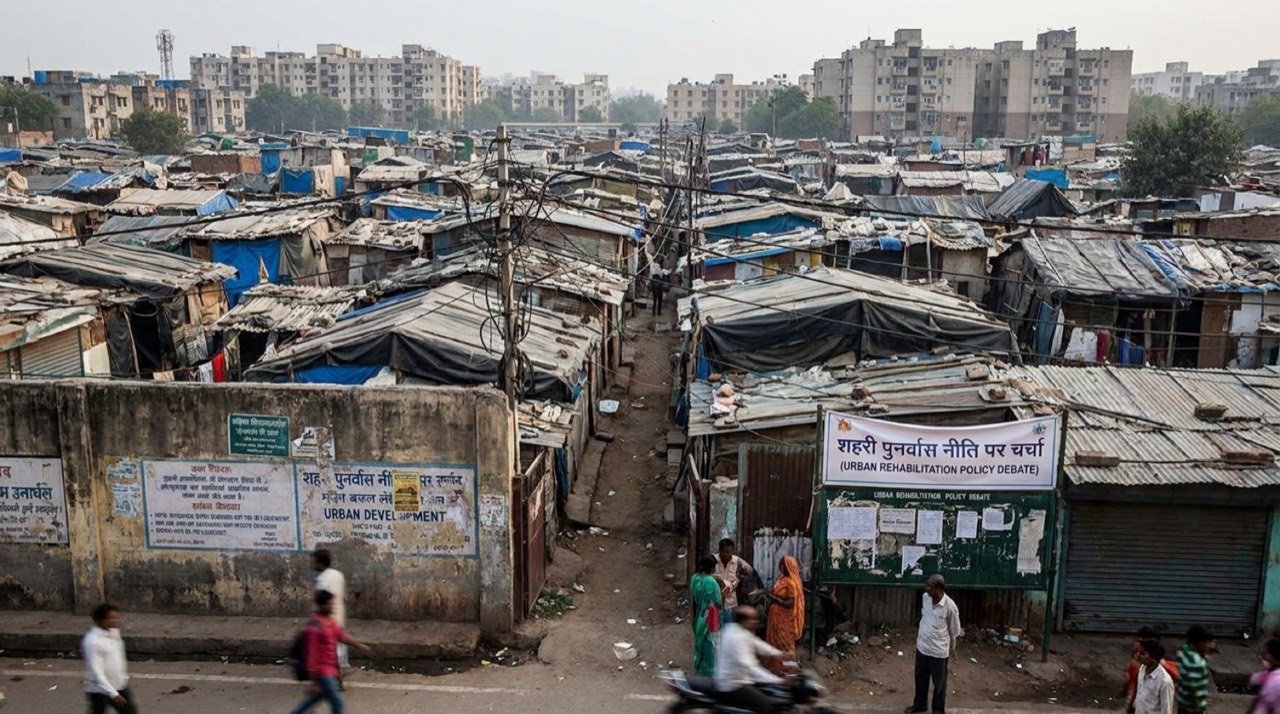
Delhi Slum Rehabilitation Policy Puts Housing and Eligibility in Focus
Delhi's proposed slum rehabilitation policy could reshape housing for nearly four lakh families, but its credibility hinges on transparent surveys, fair eligibility rules and time-bound delivery.
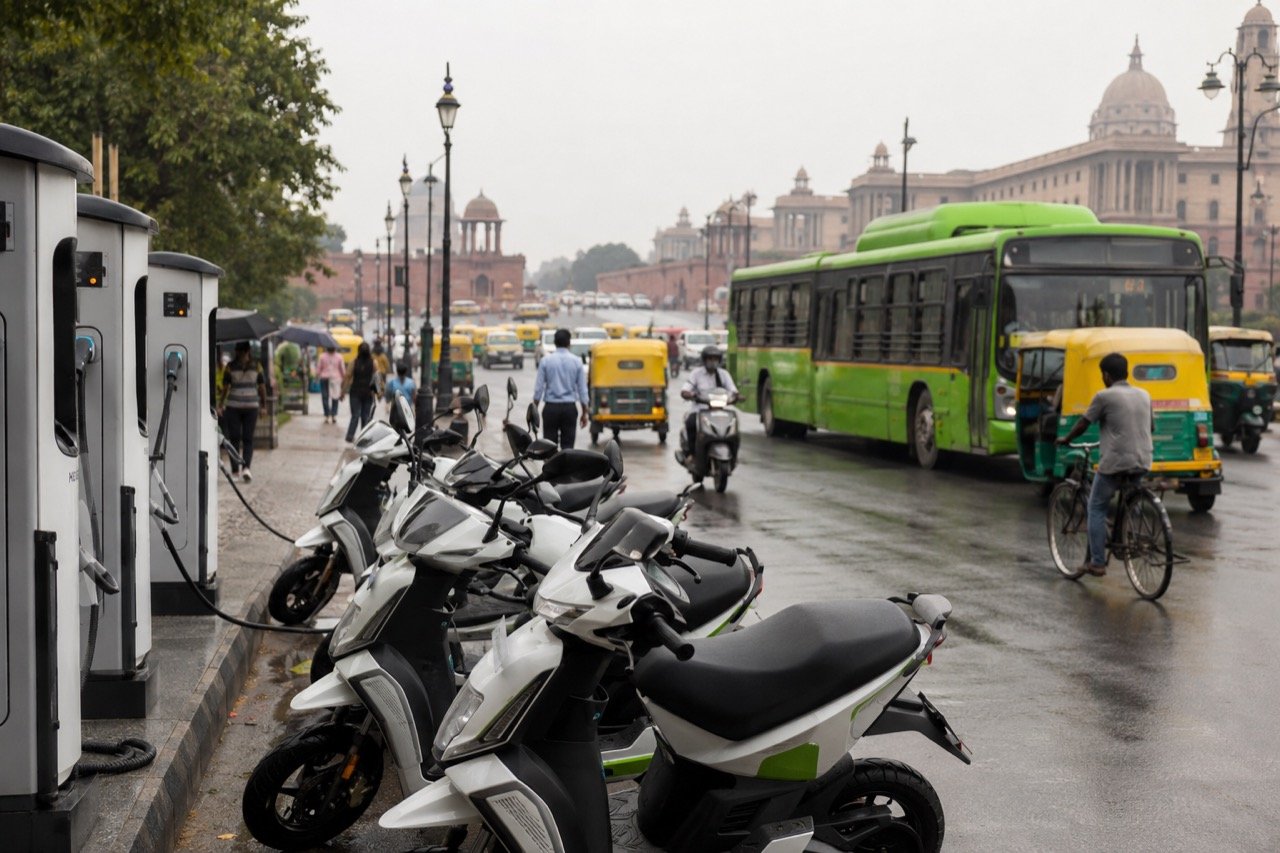
Delhi EV Policy 2.0: Ownership Costs, 2028 Petrol Bike Halt Explained
Chief Minister Rekha Gupta is pitching Delhi's new EV policy as a long-term ownership shift, pairing purchase incentives and charging infrastructure with a contested halt on new petrol two-wheeler registrations from April 2028.
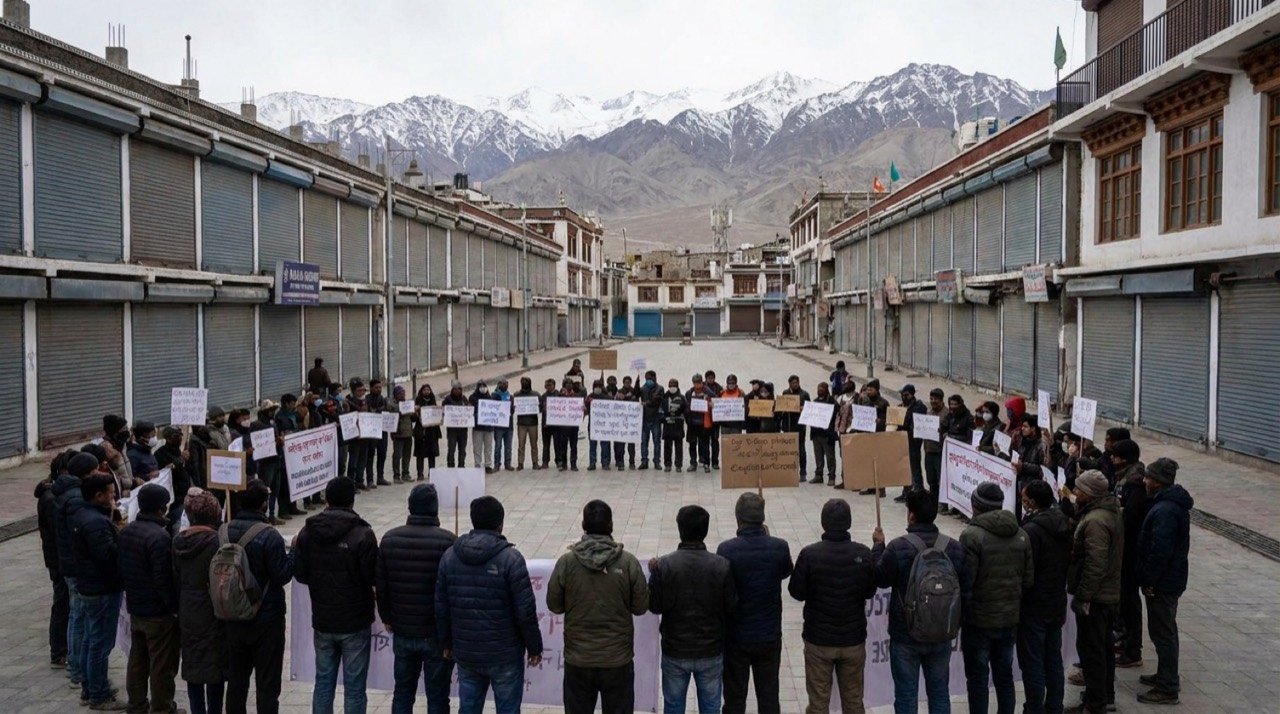
Ladakh Shutdown Pushes Statehood Dialogue With Centre Back Into Focus
A near-total shutdown across Ladakh on June 23 saw Leh and Kargil bodies press New Delhi for credible dialogue, reviving demands for statehood, Sixth Schedule safeguards and land and job protections.
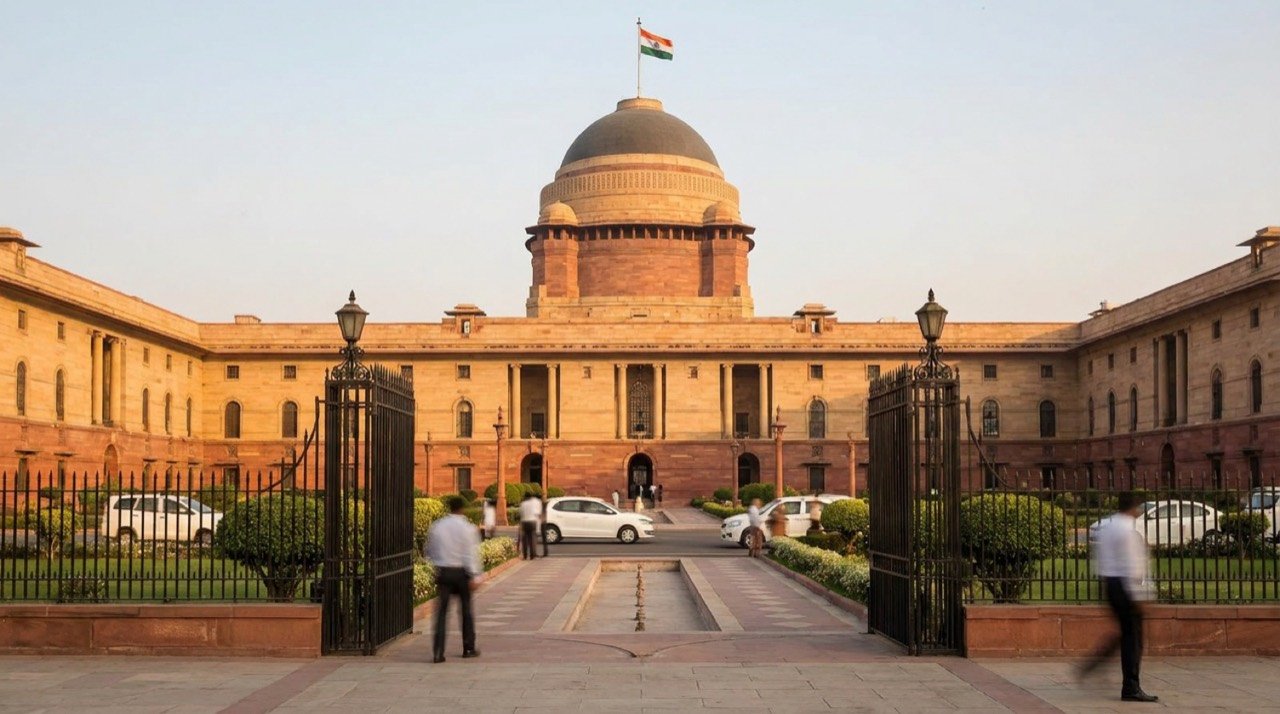
PM Modi Calls on President Murmu as Cabinet Reshuffle Speculation Grows in Delhi
Prime Minister Narendra Modi met President Droupadi Murmu at Rashtrapati Bhavan on June 23, a call that drew sharp political attention amid mounting speculation over a possible Union Council of Ministers reshuffle.
More from this section
More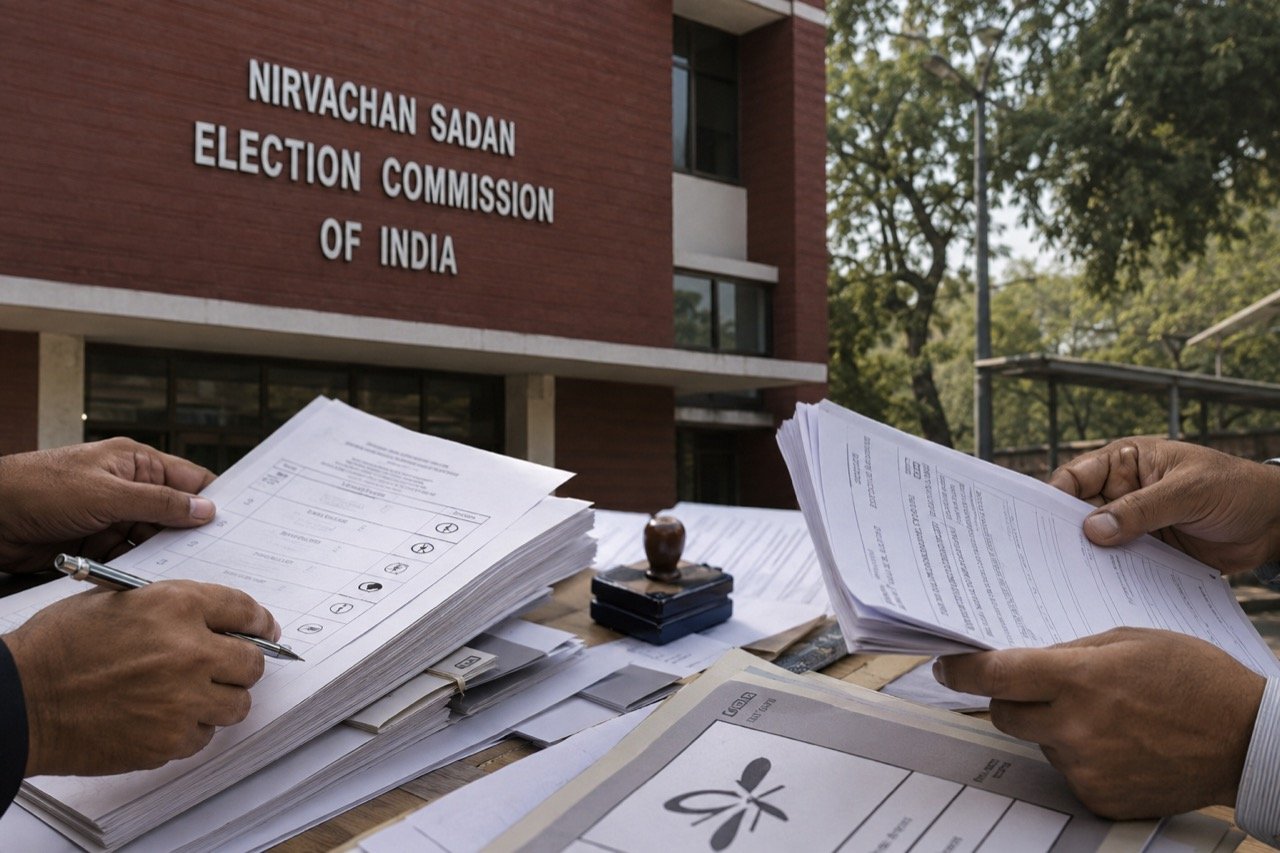
K Kavitha Party Denied TRS Name by Election Commission
The Election Commission has refused to register K Kavitha's Telangana Rakshana Sena under the TRS acronym after objections, forcing a branding reset for the new party at a politically sensitive moment in Telangana.
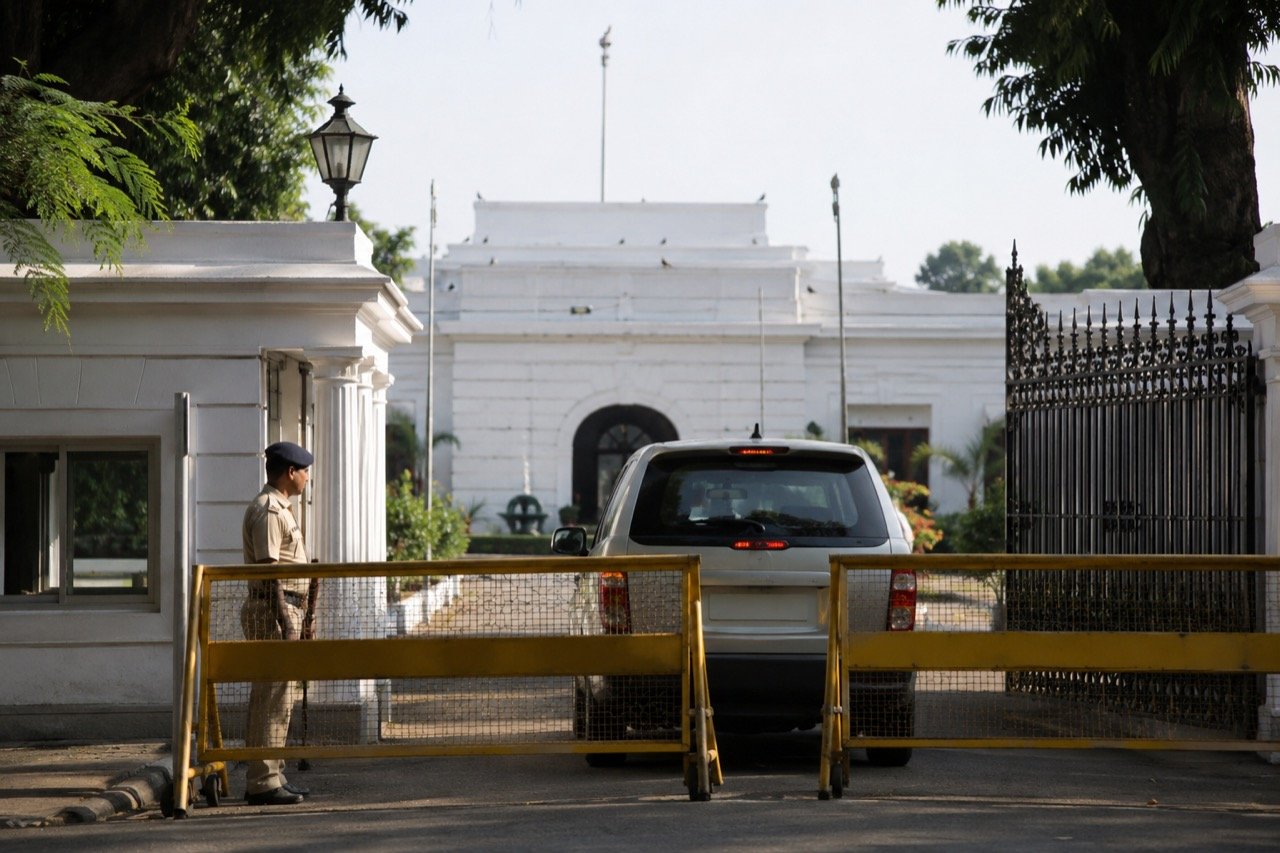
Lalu Prasad Yadav Security Downgrade, Bungalow Order Stir Bihar
A government order downgrading Lalu Prasad Yadav's security cover and asking him to vacate an official bungalow has opened a fresh political flashpoint in Bihar, with the RJD chief's reaction fuelling the row.
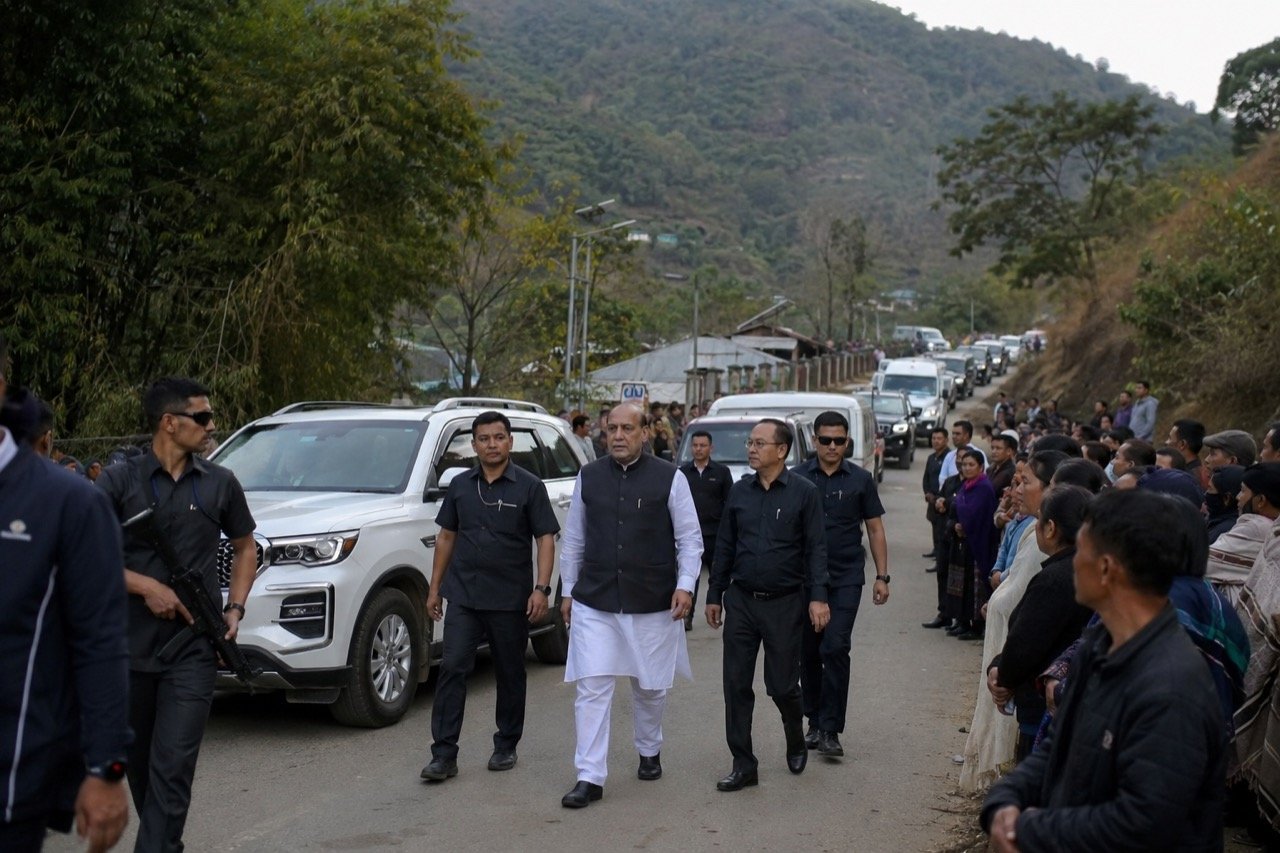
Manipur CM's Churachandpur Visit: First Since 2023 Unrest
The Manipur Chief Minister travelled to Churachandpur for a BJP MLA's funeral, his first visit to the district since the 2023 violence, lending the sombre occasion an unmistakable political significance.