Waterways Leisure Tourism IPO Opens As Cruise Operator Seeks Growth Capital
The cruise tourism operator's IPO gives investors rare exposure to India's experience-led travel economy, as capital markets open up to consumer businesses beyond banks, manufacturers and tech firms.
Commentary & Analysis ·
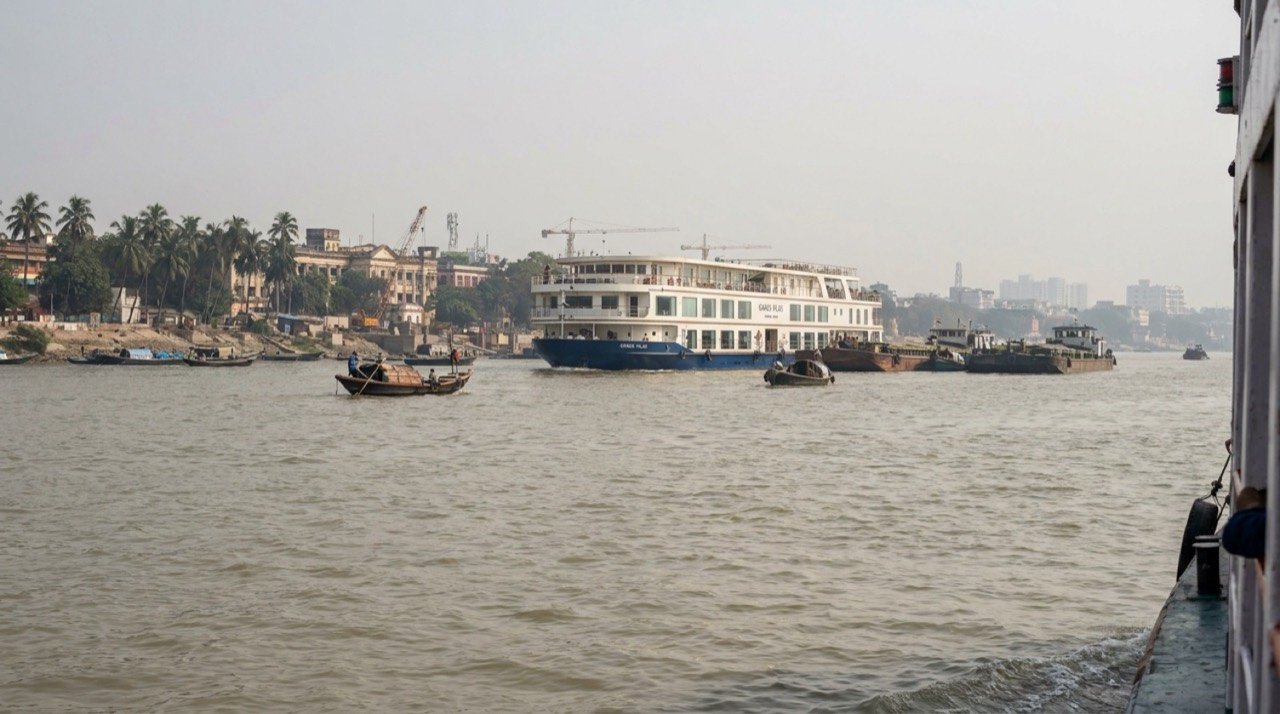
Waterways Leisure Tourism opened its initial public offering on June 23, 2026, inviting public investors into a corner of India's travel economy that rarely reaches the primary market. The cruise tourism operator is raising funds through a fresh issue of shares, offering retail and institutional buyers a chance to back domestic cruise, leisure and experience-led tourism at a moment when those segments are gaining momentum. That such a business has chosen this point to seek public capital is itself a small data point worth dwelling on, because it says something about both the appetite of Indian investors and the confidence of a niche operator that its growth story can withstand market scrutiny.
A niche listing in a broadening market
The IPO stands out because it represents a consumer-experience business rather than the banks, manufacturers and technology firms that have traditionally dominated India's listings. For decades, the primary market in India has been shaped by a fairly narrow set of sectors: financial services, industrials, pharmaceuticals and, more recently, technology and digital platforms. A cruise and leisure tourism operator sits well outside that familiar template, and its arrival on the list of companies seeking public money is a signal that the range of businesses Indian markets are willing to underwrite is widening.
As capital markets mature, more lifestyle and travel companies are testing investor appetite, and Waterways Leisure Tourism is among the names putting that demand to the test. This matters beyond the fortunes of a single company. Every successful or unsuccessful listing in a new category tends to shape how the next aspirant in that space is received by underwriters, institutional investors and retail subscribers alike. If this offering performs well, it could encourage other experience-economy operators, whether in adventure tourism, hospitality niches or curated travel, to consider similar routes to growth capital. If it disappoints, it may reinforce caution around businesses seen as discretionary and cyclical.
The timing also reflects a broader shift in how Indians spend on travel. Demand is broadening beyond flights, hotels and conventional package tours toward curated, experience-driven journeys, a trend that cruise operators are positioned to capture. Rising incomes, greater comfort with domestic travel as an alternative to overseas holidays, and a growing appetite for structured yet distinctive leisure experiences have together created space for operators who can package novelty, comfort and convenience into a single offering. Cruise tourism, whether along rivers or the coastline, fits neatly into that shift, offering a controlled environment, scenic variety and a sense of occasion that conventional tours often struggle to replicate.
What the company plans to do with the funds
For the issuer, public capital can underpin expansion, vessel-related spending, marketing and a stronger balance sheet. Cruise tourism is capital-intensive, and access to equity funding can help the company scale routes, upgrade fleet capacity and build brand visibility in a still-fragmented market. Unlike asset-light travel intermediaries, a cruise operator must contend with the upfront and ongoing costs of vessels, moorings, crew and maintenance, all of which demand steady capital rather than one-off investment. An equity raise, as opposed to debt, gives the company room to make these commitments without the immediate pressure of fixed repayment schedules, which can be valuable in a business where revenues are seasonal and demand can be unpredictable.
How effectively the proceeds are deployed will shape the company's growth trajectory and, ultimately, the returns available to those subscribing at the offer stage. Capital raised is not, in itself, a guarantee of success; it is the deployment of that capital, whether into route expansion, fleet upgrades, or building the marketing infrastructure needed to compete for a still relatively untapped segment of domestic travellers, that will determine whether the listing is remembered as a savvy piece of market timing or a cautionary tale about pricing novelty too richly.
What investors should weigh
As with any niche listing, the opportunity comes with specific risks that prospective buyers will need to assess against the issue's pricing and the company's financial profile. Chief among these is the pricing of the issue relative to earnings and peers, since a premium valuation for a first-of-its-kind listing can leave little margin of safety if growth disappoints. Demand and subscription levels across the offer days will also be an early signal of how the wider market is receiving the story, with strong institutional participation often lending credibility that retail investors watch closely.
Profitability and the path to sustainable margins matter just as much, given that cruise operations carry meaningful fixed costs that must be covered regardless of how full a vessel sails on a given day. Tourism seasonality is another factor that can swing cruise revenues sharply, since demand for leisure travel of this kind tends to cluster around holidays, festivals and favourable weather windows, leaving quieter stretches that test the resilience of the business model. Finally, there is execution risk in scaling a capital-intensive operation, since expanding routes or fleet capacity involves lead times, regulatory approvals and operational complexity that can delay the payoff from the funds being raised today.
As one piece of market analysis put it, the IPO shows how India's capital markets are opening to more consumer-experience businesses, not only banks, manufacturers and technology firms. That observation captures both the promise and the novelty risk embedded in this listing: investors are being asked to underwrite a business model with a shorter public-market track record in India than the sectors they are more accustomed to evaluating.
What comes next
Whether Waterways Leisure Tourism rewards early backers will become clearer once subscription numbers land and the stock begins trading. The initial days of subscription, followed by the listing price itself, will offer the first real test of how the market has priced the story relative to the risks outlined above. Analysts and prospective investors alike will be watching not just the headline subscription figures but the composition of that demand, since strong institutional interest can suggest a more considered view of the company's prospects than retail enthusiasm alone.
For now, the listing is a marker of a wider trend: India's leisure economy is increasingly judged worthy of public-market capital. Should the offering perform well, it may also prompt renewed attention on how domestic tourism infrastructure, from vessels to ports to marketing ecosystems, is financed going forward, potentially drawing more capital into a sector that has historically relied on private funding or promoter capital alone.
The NE Times View
A cruise operator tapping public markets is a small but telling sign that India's experience economy is being taken seriously by capital, beyond the usual banks and factories. River and coastal tourism has genuine runway, supported by rising discretionary spending and a growing preference among Indian travellers for curated, memorable journeys over conventional itineraries. The investor caution is sober: niche consumer plays are seasonal, capital-intensive and exposed to discretionary spending, all of which can make earnings less predictable than in more established sectors. Exposure to a new theme is welcome; paying any price for novelty is not. Investors weighing this offering would do well to separate genuine conviction in the sector's long-term prospects from the temptation to chase a listing simply because it is unfamiliar and therefore appears novel.
Key takeaways
- Waterways Leisure Tourism's IPO, opened on June 23, 2026, marks a rare instance of a cruise and leisure tourism operator seeking growth capital through India's public markets.
- The listing reflects a broader shift in Indian travel demand toward curated, experience-led journeys, alongside a capital market that is widening beyond banks, manufacturers and technology firms.
- Proceeds are expected to fund expansion, vessel-related spending, marketing and balance sheet strength, though cruise tourism's capital intensity means deployment discipline will be critical.
- Prospective investors should weigh issue pricing, subscription demand, profitability, seasonality and execution risk before subscribing.
- The NE Times view is one of measured interest: the sector has genuine long-term runway, but novelty alone should not command a premium valuation.
You may also like to read
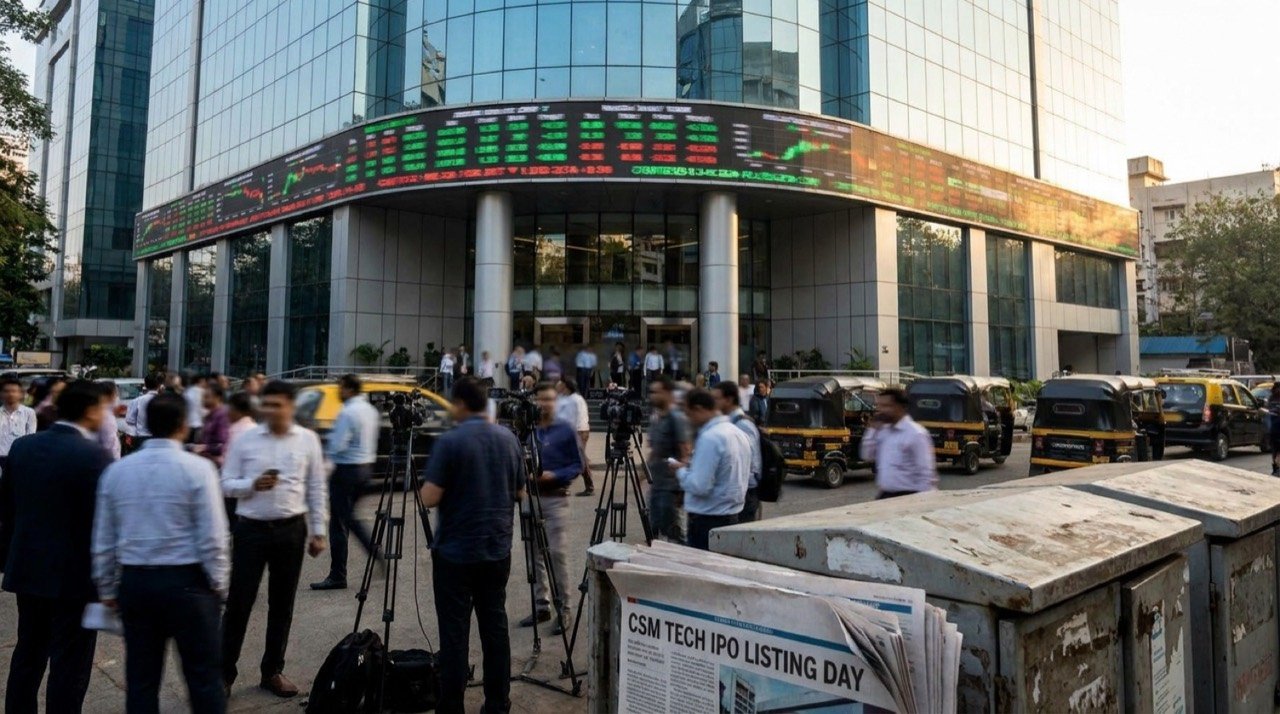
CSM Technologies IPO Opens June 24 With Price Band of Rs 107-113
The Odisha-based govtech and IT services firm enters India's busy primary market on June 24, testing investor appetite for e-governance and digital public infrastructure plays.

Turtlemint IPO Enters Final Day: Rs 883-Crore Issue Tests India's Insurtech Appetite
Turtlemint's Rs 883-crore IPO reached its final bidding day on 23 June, with investors weighing subscription levels, profitability and regulatory risk in India's growing insurance-technology market.
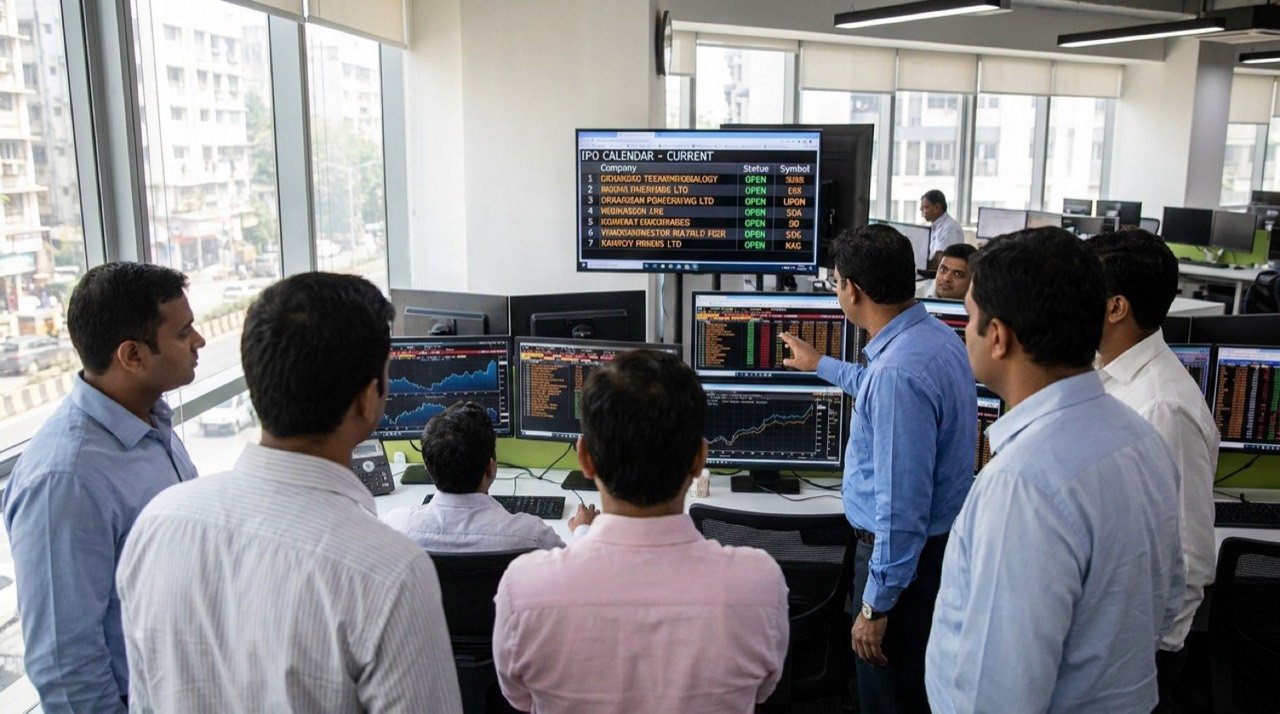
IPO Calendar Brings Six Public Issues for Indian Investors This Week
India's primary market turns busy with six IPOs in play, spanning jewellery, tourism, fintech, textiles and snacks, offering retail and high-ticket investors sharply different risk choices.

India's Global IPO Share Slips to Six-Year Low After Mega SpaceX Listing
India raised about $5.3 billion from IPOs in 2026, roughly 4.9 percent of global proceeds and its lowest share since 2020, as a giant SpaceX listing reshaped the worldwide league table.
More from this section
More
Adani Case: US DOJ Pushes for Permanent Dismissal of Charges
The US Department of Justice has urged a judge to permanently dismiss charges against Gautam Adani, calling the case legally flawed — a reversal with consequences for markets, diplomacy and cross-border enforcement.

Akasa Air Inducts 40th Aircraft in Indian Aviation Scale-Up
Akasa Air's 40th aircraft, ferried to Bengaluru via Seattle, Reykjavik and Cairo, marks a fleet milestone for the young carrier and a fresh signal that India's aviation market remains firmly in expansion mode.

BARC Ratings Suspension Leaves Indian TV Industry Flying Blind
BARC's pause on television ratings has put India's broadcast measurement system under fresh scrutiny, leaving broadcasters, advertisers and media planners without the weekly audience data that anchors the TV economy.