Venezuela Thanks Modi as Operation Amistad Showcases Relief Diplomacy
Venezuela's foreign minister publicly thanked Prime Minister Narendra Modi for India's Operation Amistad earthquake relief, highlighting how humanitarian assistance has become a working arm of Indian foreign policy.
Commentary & Analysis ·
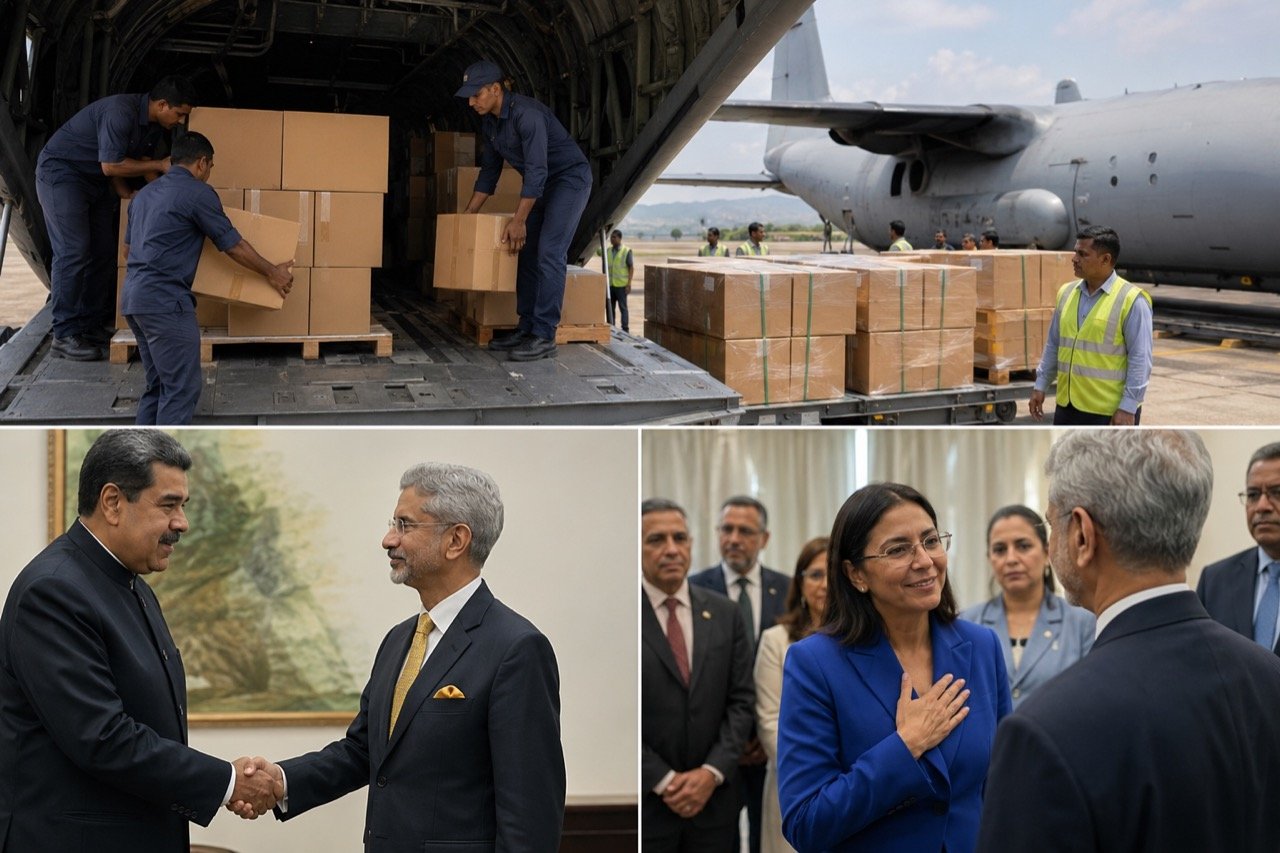
Venezuela's foreign minister has publicly thanked Prime Minister Narendra Modi for Operation Amistad, India's relief mission mounted after severe earthquakes struck the South American nation. The acknowledgement put New Delhi's disaster diplomacy squarely into the day's international news cycle, and it is worth pausing on why a gesture of this kind, however brief, carries weight well beyond the immediate news value of a foreign leader saying thank you.
Aid as an instrument of foreign policy
The message from Caracas was framed as appreciation for assistance delivered in the aftermath of the quakes. This is not the first time India has reached for humanitarian assistance as a tool of statecraft. New Delhi has repeatedly used disaster relief, evacuation missions and medical supplies to demonstrate operational capacity and build goodwill abroad, and Operation Amistad fits that established pattern of humanitarian response doubling as practical engagement. What distinguishes this kind of diplomacy from the more familiar currency of summits and joint statements is that it is verifiable in a way rhetoric rarely is. A country either sent aircraft, medical teams and supplies within a workable timeframe, or it did not. Venezuela's public acknowledgement suggests that, in this instance, India delivered.
It is also notable that this mission was directed at a country geographically and politically distant from India's traditional sphere of influence. South Asia, the Indian Ocean littoral and India's immediate neighbourhood have long been the natural theatres for New Delhi's relief diplomacy, given proximity and strategic interest. A mission to Venezuela, a nation with which India's ties have historically been modest and largely confined to energy trade, signals an ambition to extend humanitarian reach further afield. That ambition, if sustained, would mark a incremental but meaningful widening of India's foreign policy toolkit.
Why a public thank-you matters
A named acknowledgement from a foreign minister is a meaningful diplomatic signal, not a routine courtesy. Diplomatic gratitude is rarely offered lightly or automatically; it is calibrated, and when a minister chooses to credit a specific country by name for a specific mission, it is because doing so serves a purpose for both sides. For Caracas, it affirms that outside assistance reached those who needed it and acknowledges a partner that responded. For New Delhi, it publicly credits India's role, strengthens the bilateral relationship and creates a reference point for future cooperation, whether in trade, energy, or further humanitarian coordination.
At the same time, responsible coverage keeps the focus on verified assistance and the people affected, rather than turning a natural disaster into geopolitical theatre. Earthquakes of the severity implied here bring loss of life, displaced families and damaged infrastructure, and it would be a disservice to the scale of that suffering to treat the story primarily as a contest of national image. The diplomatic dimension is real and worth analysing, but it sits alongside, not above, the human cost that made the mission necessary in the first place.
What remains unclear
The details still to emerge include the precise nature of the assistance, delivery timelines and whether Caracas requests further support. Those specifics matter because they will show whether Operation Amistad remains a one-off gesture or grows into a sustained relief partnership. A single airlift of supplies, however well received, is a different proposition from an ongoing arrangement that might include reconstruction assistance, medical follow-up, or standing arrangements for future emergencies. Until further details are confirmed, the story should be read as an opening chapter rather than a settled outcome.
There is also a broader diplomatic backdrop worth watching. India's relations with Latin American nations have not historically been a foreign policy priority on the scale of its ties with its immediate neighbours, major powers, or the Gulf states. A high-profile relief mission to Venezuela, and the public thanks that followed it, may be an indicator of a modest but deliberate effort to build presence in a region where India has traditionally had limited visibility. Whether this translates into deeper engagement, on trade, energy cooperation, or diplomatic coordination in multilateral forums, will only become clear over time.
The logistics behind the goodwill
It is easy to focus on the diplomatic optics of a mission like this and overlook the operational machinery that makes it possible. Airlift capacity, trained medical teams, and functioning supply chains are the unglamorous prerequisites for any credible disaster response, and none of them can be assembled on short notice without prior investment. India's ability to mount Operation Amistad at all, regardless of its eventual scale, speaks to capabilities built up over years of similar missions closer to home and, increasingly, further abroad. This operational readiness is arguably the more durable asset here: reputations for showing up reliably are built mission by mission, not through any single gesture of thanks.
The NE Times View
Operation Amistad underlines a quiet strength of Indian foreign policy: the ability to show up quickly when disaster strikes, far from its own neighbourhood. Relief missions of this kind buy credibility that communiqués and summits rarely deliver, and Venezuela's public gratitude is evidence the investment registers. For Indian readers, the lesson is that soft power is built in logistics, airlift capacity, medical teams, supply chains, as much as in speeches. New Delhi should institutionalise this capability so each mission adds to a dependable pattern, while keeping the humanitarian purpose, not the publicity, at the centre. If India can turn episodic goodwill into a recognised and repeatable capacity, missions such as this one will do more for its international standing than any number of carefully worded joint statements.
Key takeaways
- Venezuela's foreign minister publicly thanked PM Modi for Operation Amistad, India's earthquake relief mission, a notable diplomatic acknowledgement rather than a routine courtesy.
- The mission fits India's established pattern of using disaster relief and evacuation missions to build goodwill and demonstrate operational capacity abroad.
- Key details, including the precise assistance delivered, timelines, and whether further support is requested, remain to be confirmed and will determine whether this becomes a sustained partnership.
- The mission extends India's relief diplomacy into Latin America, a region outside its traditional focus areas, suggesting a possible broadening of foreign policy reach.
- The NE Times View: India's credibility gains from logistics and reliable delivery, not publicity, and New Delhi should work to institutionalise this capacity for future missions.
You may also like to read
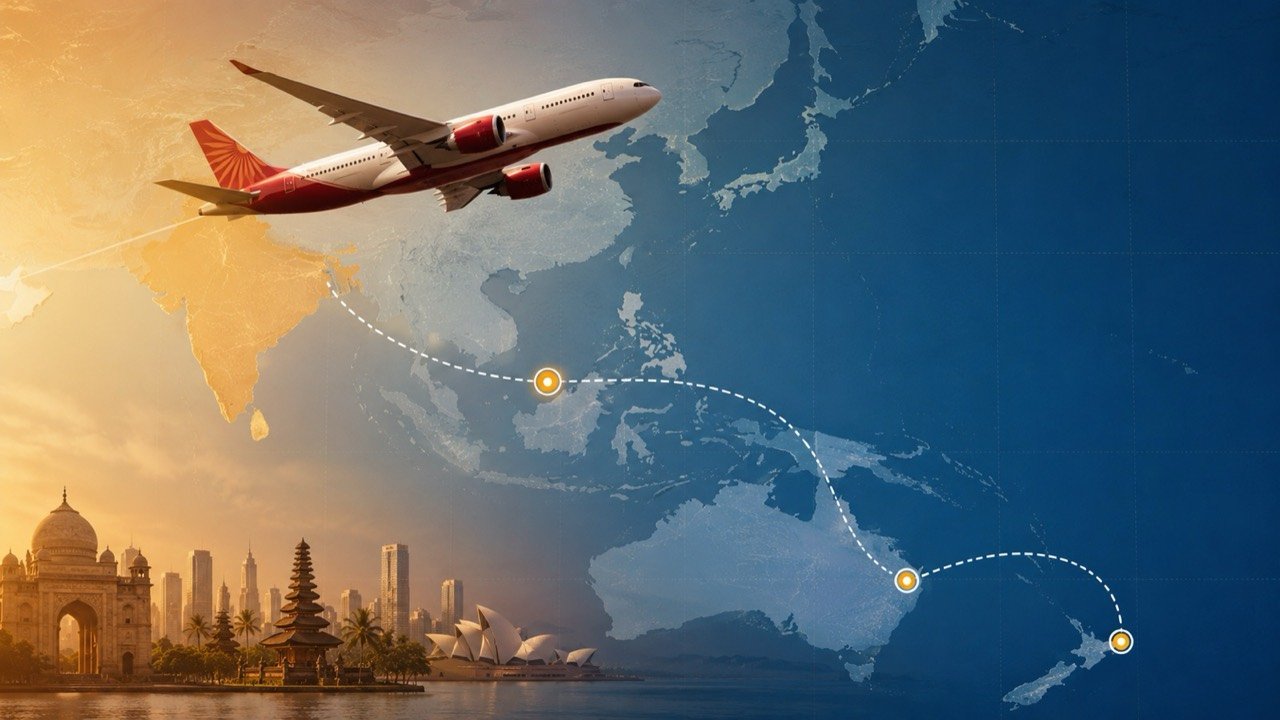
Modi's Expected July Travel Puts India's Indo-Pacific Diplomacy on Watch
Reports that Prime Minister Modi may visit Indonesia, Australia and New Zealand in July have spotlighted India's Indo-Pacific calendar, raising the question of what concrete agreements the trip could deliver.
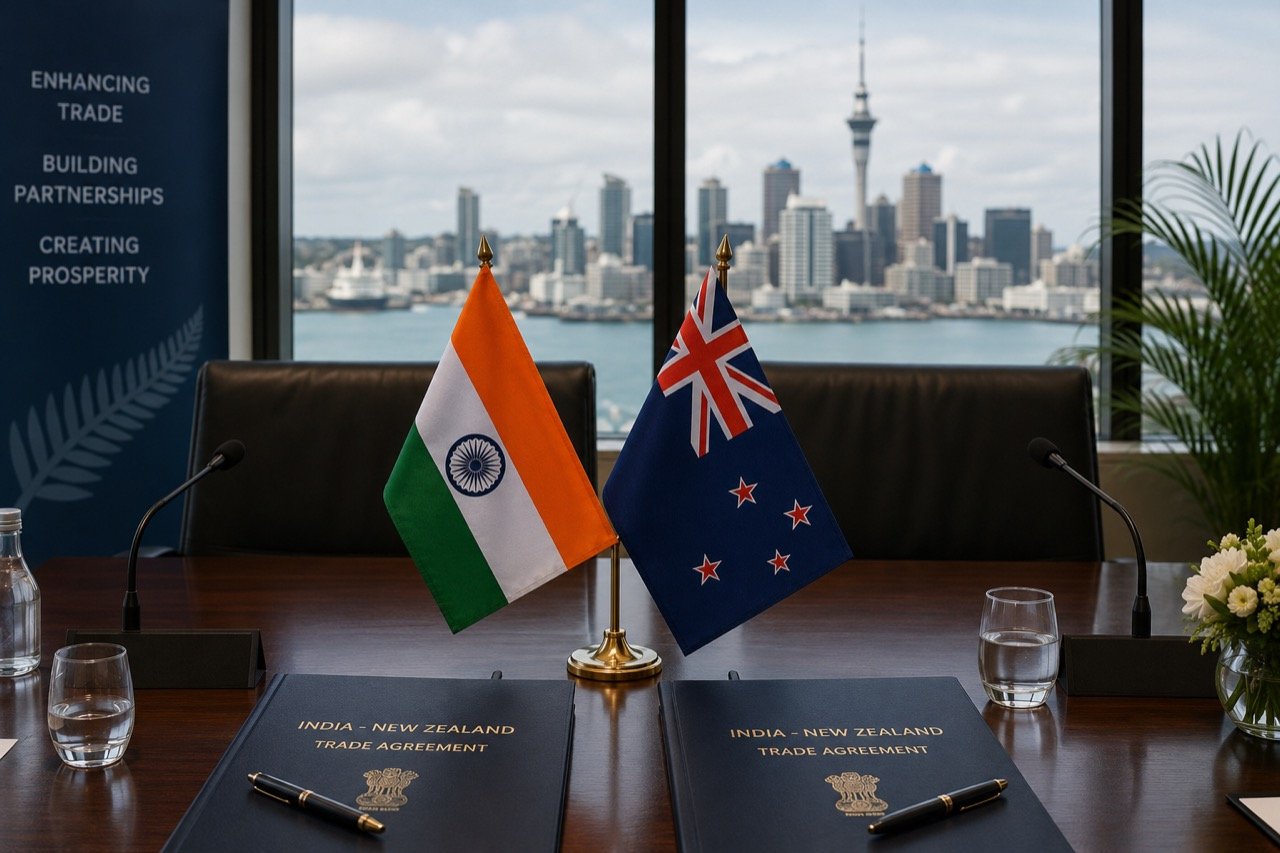
India-New Zealand Ties: Visit Plans Put FTA and Diplomacy in Focus
Reports of a planned high-level India-New Zealand engagement have revived attention on free trade talks, professional mobility and Indo-Pacific cooperation between two partners with clear room to grow.
Modi Joins G7 Leaders in Evian as Critical Minerals and AI Top Agenda
India's prime minister attends his seventh consecutive G7 summit, with a much-watched Modi-Trump bilateral and supply-chain security dominating talks in the French Alps.
Modi Greets Trump on US 250th Independence Day, Hails Partnership
Prime Minister Narendra Modi marked America's 250th Independence Day with a message to President Trump, saying the next 250 years should lift the India-US partnership to new heights.
More from this section
MoreIndia-New Zealand Ties: Visit Plans Put FTA and Diplomacy in Focus
Reports of a planned high-level India-New Zealand engagement have revived attention on free trade talks, professional mobility and Indo-Pacific cooperation between two partners with clear room to grow.
Modi Greets Trump on US 250th Independence Day, Hails Partnership
Prime Minister Narendra Modi marked America's 250th Independence Day with a message to President Trump, saying the next 250 years should lift the India-US partnership to new heights.
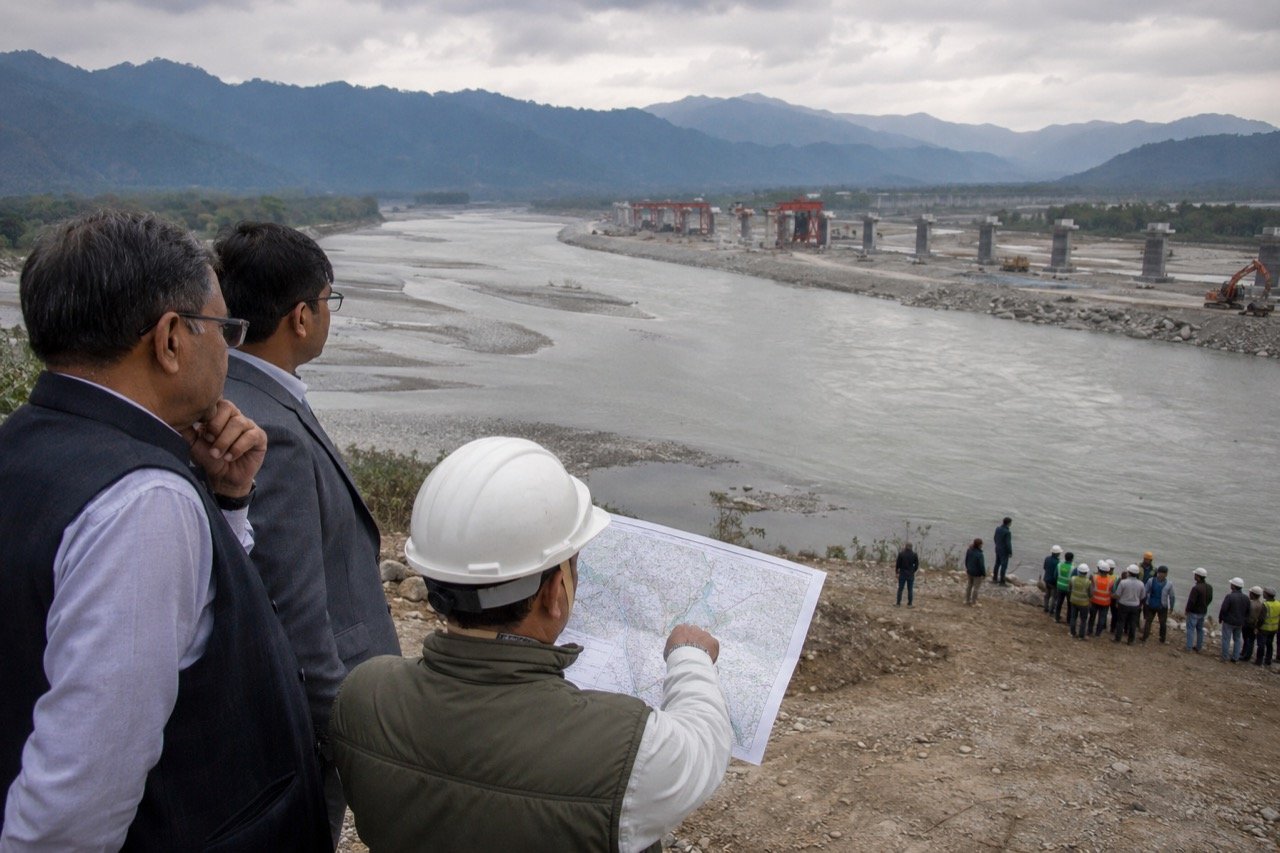
India Watches Dhaka's China-Backed Teesta Plan as Stakes Rise
New Delhi is closely tracking Bangladesh's proposal to develop the Teesta river with Chinese assistance, a move that revives one of South Asia's most sensitive water-sharing disputes and tests regional strategic trust.