Cabinet's Economic Package Spans Credit Guarantee, Insurance FDI And Kharif MSP
A sweep of recent Cabinet decisions, from an expanded credit guarantee scheme to liberalised insurance FDI and higher kharif support prices, sets out the government's economic-policy priorities for the season.
Commentary & Analysis ·
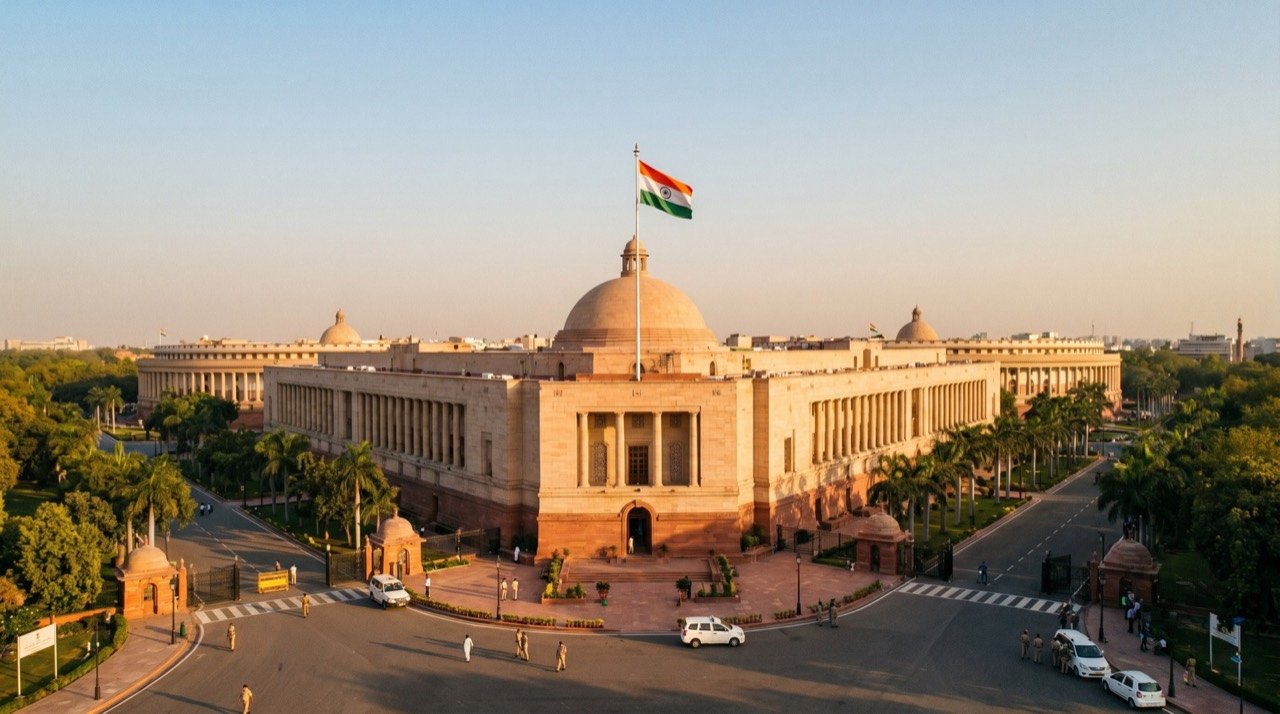
A series of Union Cabinet decisions has sketched out the government's economic-policy posture for the season, combining support for credit-starved borrowers, a further opening of the insurance sector to foreign capital and a fresh round of minimum support prices for kharif crops. Together, the measures span small business, financial-sector reform and the rural economy.
Credit and capital
The Cabinet approved the next iteration of the Emergency Credit Line Guarantee Scheme, extending credit guarantees to lending institutions for loans to eligible borrowers facing short-term liquidity pressures. The scheme, first launched during the pandemic, has been repurposed as a tool to ease financing stress for businesses navigating tighter conditions.
On financial-sector reform, the Cabinet cleared amendments allowing 100 per cent foreign direct investment in the insurance sector under the automatic route, while relaxing requirements around resident Indian persons in a company's management. The change is intended to draw long-term foreign capital into a sector seen as under-penetrated relative to the size of the economy.
Support for the farm sector
For the rural economy, the Cabinet approved minimum support prices for kharif crops, with paddy raised by around 3 per cent and sharper increases for several other crops, including jowar, sunflower, soybean and cotton. The MSP exercise, an annual fixture ahead of the sowing season, carries both economic and political weight given the centrality of farm incomes to electoral arithmetic.
- Next phase of the Emergency Credit Line Guarantee Scheme approved.
- 100 per cent FDI in insurance cleared under the automatic route.
- Management residency requirements for insurers relaxed.
- Kharif MSP raised, with paddy up about 3 per cent.
- Higher increases for jowar, sunflower, soybean and cotton.
Policy signalling
The package reflects a government trying to address multiple constituencies at once, supporting small enterprises through guaranteed credit, courting foreign investors with a more open insurance regime, and reassuring farmers with higher procurement floors. Each lever carries its own politics, from concerns about the long-run liabilities of credit guarantees to debates over whether MSP hikes keep pace with input costs.
“These decisions are aimed at strengthening livelihoods while making India a more attractive destination for long-term investment.”
— A senior government official, paraphrased
As the economic measures move from announcement to implementation, their reception will depend on the details of disbursal, the pace of foreign inflows into insurance and the gap between support prices and market realities. With Parliament set to convene shortly, the government is expected to fold these decisions into its wider economic narrative for the year.
The NE Times View
This is a revealing bundle: credit guarantees to keep small enterprise afloat, liberalised insurance FDI to draw foreign capital, and higher kharif support prices to reassure farmers. Read together, it is a government trying to please lenders, investors and the countryside at once. The instincts are sound, but the tension is real, because more FDI and more MSP pull in different fiscal directions. Execution and the deficit, as ever, will tell the true story.
This article is original commentary and analysis by The NE Times. Background facts were referenced from Mint and Economic Times.
You may also like to read
Cabinet Clears Rs 9,585-Crore Delhi-NCR Clean Mobility Scheme And Airline Relief
The Union Cabinet has approved a major clean-mobility programme for the Delhi-NCR alongside a support mechanism to cushion airlines from volatile fuel prices, decisions hailed by the Prime Minister.
George Kurian Resigns as Minister After Rajya Sabha Term Ends
The exit of one of Kerala BJP's most prominent national faces reopens questions over the party's southern strategy and its Rajya Sabha arithmetic.
George Kurian Resigns as Union Minister After BJP Skips Rajya Sabha Renomination
Union minister George Kurian has resigned after the BJP did not renominate him to the Rajya Sabha, a reminder of how ministerial tenure hinges on parliamentary membership and party seat calculations.
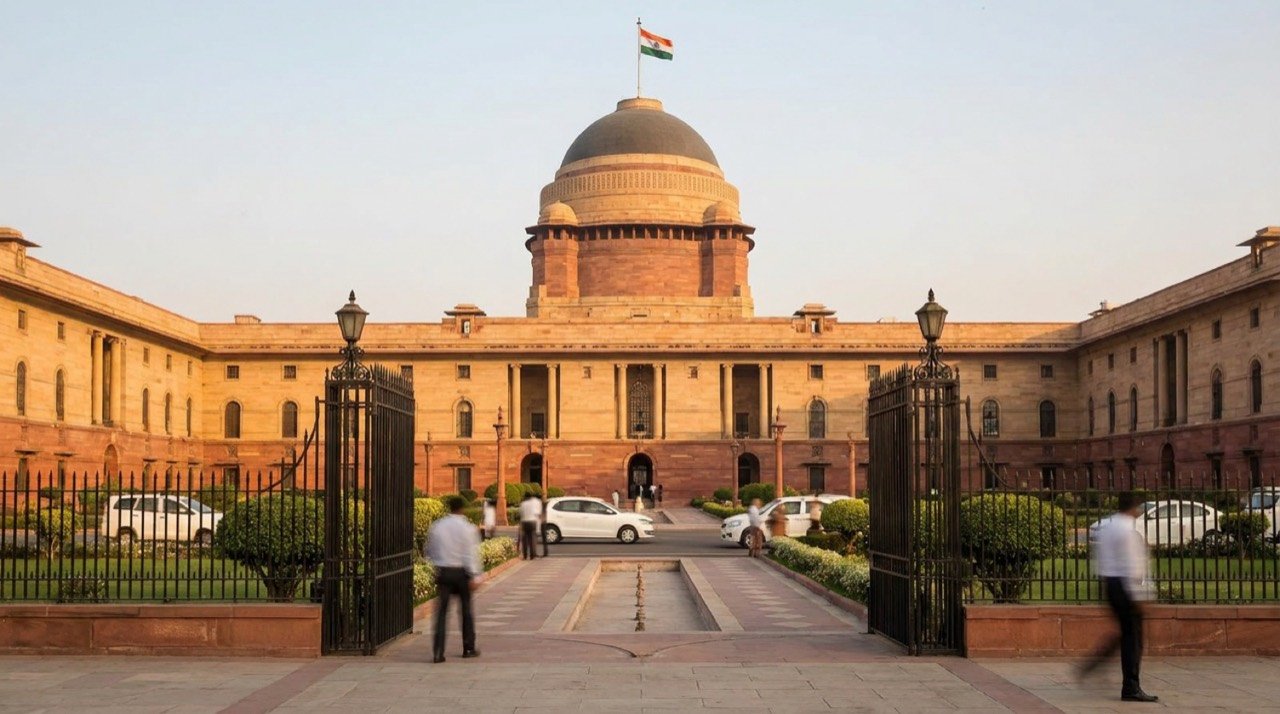
PM Modi Calls on President Murmu as Cabinet Reshuffle Speculation Grows in Delhi
Prime Minister Narendra Modi met President Droupadi Murmu at Rashtrapati Bhavan on June 23, a call that drew sharp political attention amid mounting speculation over a possible Union Council of Ministers reshuffle.
More from this section
More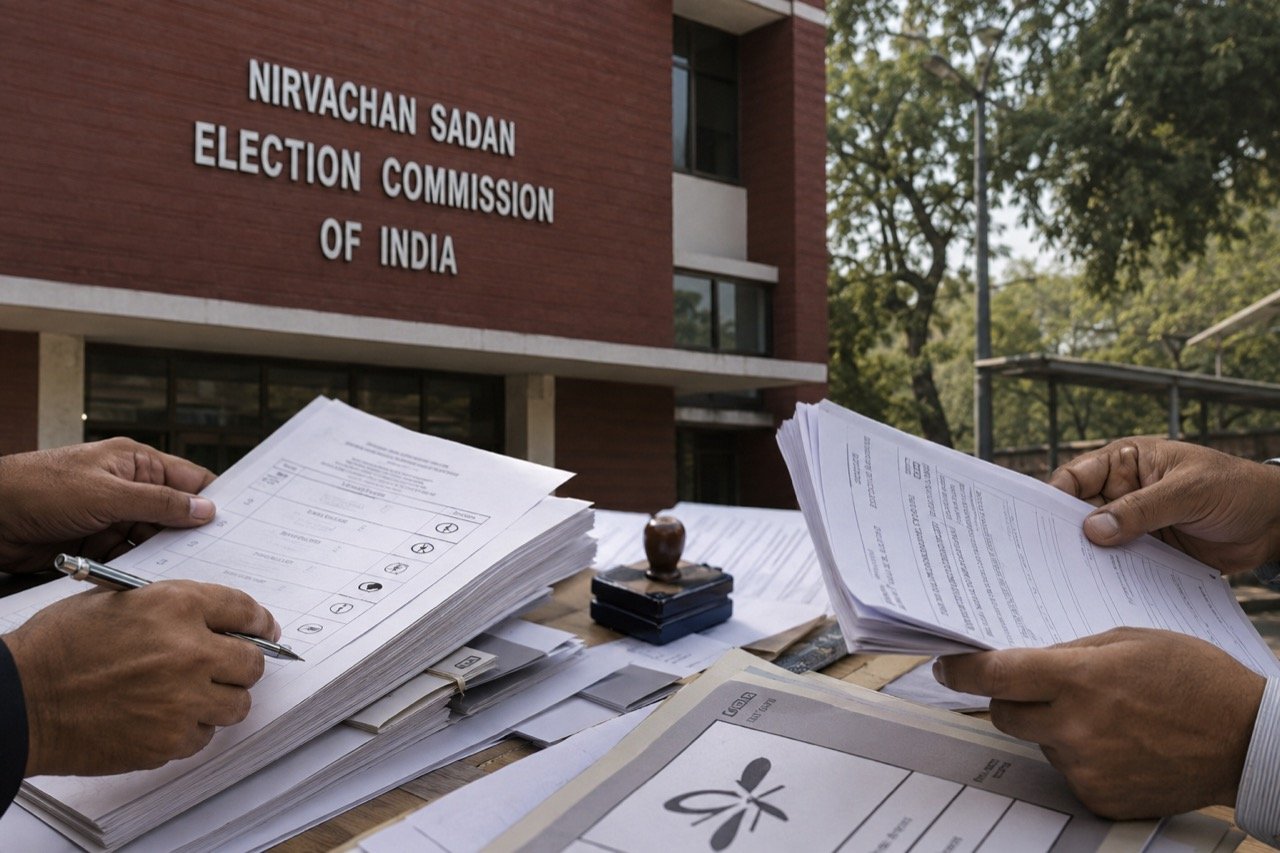
K Kavitha Party Denied TRS Name by Election Commission
The Election Commission has refused to register K Kavitha's Telangana Rakshana Sena under the TRS acronym after objections, forcing a branding reset for the new party at a politically sensitive moment in Telangana.
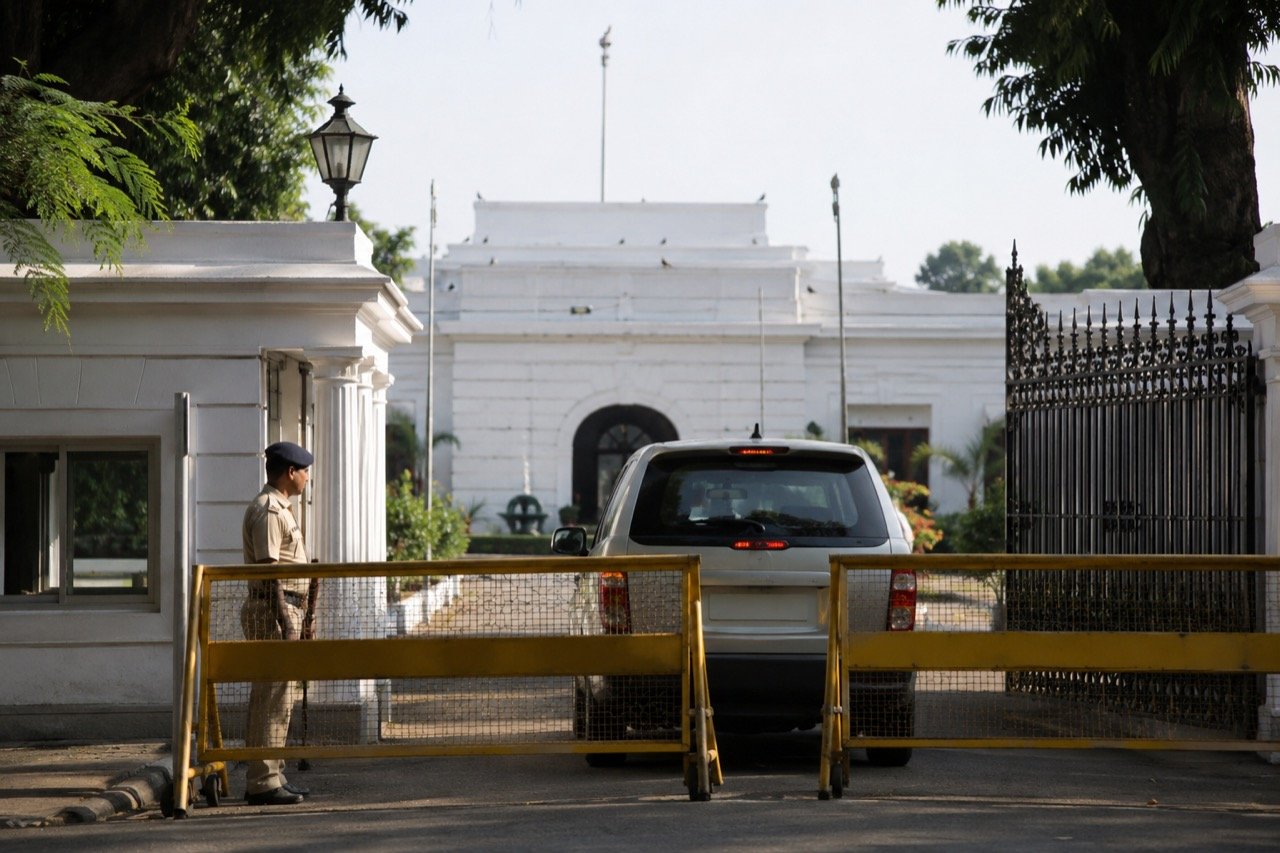
Lalu Prasad Yadav Security Downgrade, Bungalow Order Stir Bihar
A government order downgrading Lalu Prasad Yadav's security cover and asking him to vacate an official bungalow has opened a fresh political flashpoint in Bihar, with the RJD chief's reaction fuelling the row.
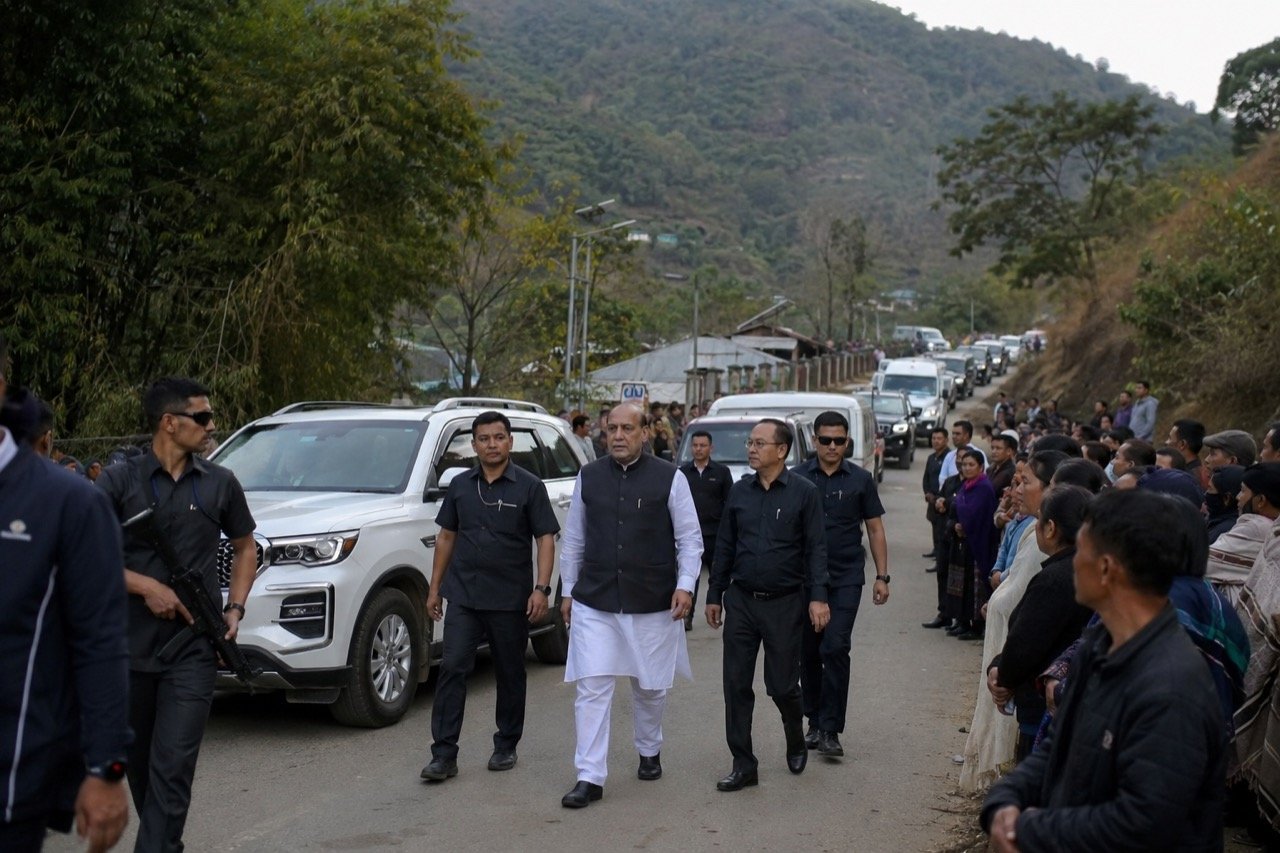
Manipur CM's Churachandpur Visit: First Since 2023 Unrest
The Manipur Chief Minister travelled to Churachandpur for a BJP MLA's funeral, his first visit to the district since the 2023 violence, lending the sombre occasion an unmistakable political significance.