Cabinet Clears Rs 9,585-Crore Delhi-NCR Clean Mobility Scheme And Airline Relief
The Union Cabinet has approved a major clean-mobility programme for the Delhi-NCR alongside a support mechanism to cushion airlines from volatile fuel prices, decisions hailed by the Prime Minister.
Commentary & Analysis ·
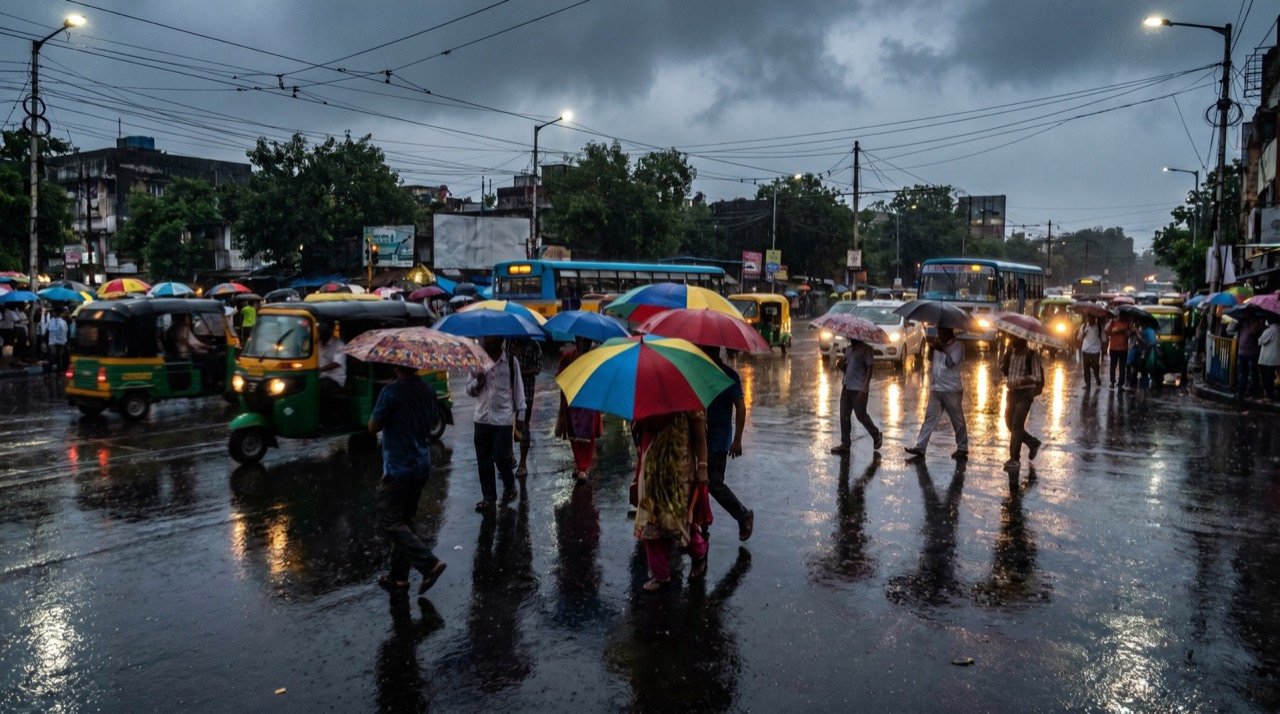
The Union Cabinet has cleared a clutch of decisions aimed at cleaner transport and a steadier aviation sector, headlined by a Rs 9,585-crore scheme to phase out ageing trucks and buses across the Delhi-NCR. Prime Minister Narendra Modi welcomed the approvals in a series of posts, framing them as part of a broader push on air quality and economic resilience. The package, taken as a whole, is a reminder that governments tend to bundle politically resonant measures together, pairing an environmental intervention that plays well in the capital with a sectoral relief measure that plays well with an entirely different constituency of stakeholders.
Targeting NCR pollution
The two-year programme is designed to replace old, heavily polluting commercial vehicles operating in and around the national capital region, a perennial contributor to the area's hazardous winter air. Officials said the scheme is intended to improve air quality, encourage a shift to cleaner mobility and offer relief to vehicle owners through structured incentives for replacement. Delhi-NCR's air quality crisis is by now a well-worn story, but the scale of a nearly Rs 10,000-crore commitment sets this apart from the piecemeal restrictions, odd-even schemes and seasonal bans that have characterised the government's response over the past decade. Ageing diesel trucks and buses are widely understood to be among the heaviest contributors to particulate pollution in the region, so a targeted scrappage-and-replacement push, if implemented at scale, addresses a structural source rather than merely managing symptoms during the worst weeks of winter smog.
The measure adds to a long line of interventions targeting NCR pollution, but its scale and the budgetary commitment behind it mark it out as one of the more substantial recent efforts on the file. The challenge, as ever, will lie in implementation across multiple state jurisdictions that share the airshed. Delhi's pollution problem has never been a single-state issue: vehicles registered in Haryana, Uttar Pradesh and Punjab move freely through the capital and its suburbs, and enforcement inconsistencies between states have repeatedly undermined past clean-air efforts. Whether this scheme can align incentives and compliance timelines across those jurisdictions will likely determine whether it produces measurable improvement or simply adds another line item to the region's crowded policy history.
Why the design details matter
A scrappage-and-replacement scheme of this size raises immediate questions about who benefits and how quickly. Structured incentives for vehicle owners typically work best when they are simple to access and financially meaningful relative to the cost of a replacement vehicle, particularly for small operators and individual truck owners who may lack the capital to bridge the gap even with a subsidy in hand. If the scheme is weighted toward electric or other zero-emission replacements, its long-term payoff in air quality terms would be considerably higher than if it simply swaps old diesel vehicles for newer diesel ones that meet current emission norms but still burn fossil fuel. The original framing emphasises a shift to cleaner mobility, which suggests an ambition beyond mere fleet modernisation, but the details of how strongly the scheme steers owners toward electric vehicles versus simply newer conventional ones will be the difference between a genuine structural fix and a cosmetic upgrade.
There is also the practical matter of scale. Delhi-NCR's commercial vehicle fleet runs into the hundreds of thousands, and a two-year window is a relatively tight timeframe in which to process replacements, disburse incentives and retire old vehicles in a verifiable way. Past scrappage policies in India have often struggled with slow uptake, bureaucratic friction and limited awareness among the small operators the schemes are ostensibly designed to help. None of that is a reason to dismiss this effort, but it is a reason for measured expectations about how quickly its effects will show up in the region's air quality data.
Steadying the airlines
Separately, the Cabinet approved a roughly Rs 10,000-crore mechanism to help stabilise aviation turbine fuel prices for Indian carriers, a move aimed at insulating airlines from the swings in global crude that have squeezed margins across the sector. The relief comes against a backdrop of elevated oil prices and a capacity-hungry domestic aviation market. Indian carriers have long complained that ATF costs, which form one of their single largest operating expenses, are subject to volatility that makes fare planning and route economics difficult to manage, especially as airlines have simultaneously been expanding fleets and routes to meet rising domestic travel demand.
A price-stabilisation mechanism of this scale suggests the government sees aviation as a sector worth shielding from external shocks, likely on the logic that a financially fragile airline industry carries knock-on risks for connectivity, employment and regional economic activity that go beyond the carriers' own balance sheets. That said, mechanisms designed to smooth out price volatility for a specific industry inevitably invite scrutiny over who ultimately bears the cost of that smoothing, and under what conditions the relief is extended. Whether the mechanism is structured as a subsidy, a price-stabilisation fund, tax relief or some hybrid arrangement will shape how it is perceived by other sectors that face similarly volatile input costs without comparable state support.
Connectivity and the wider package
Highway upgrades in Bihar, Madhya Pradesh and Telangana were also cleared as part of the same set of approvals, underlining the government's continuing emphasis on physical connectivity even as it addresses environmental and sectoral concerns elsewhere. Reading the package as a whole, the decisions reflect a government attempting to address an environmental sore point and a sectoral pressure simultaneously, while continuing its emphasis on connectivity through national highway projects. This is a fairly typical Cabinet meeting rhythm for the current government: infrastructure spending paired with targeted sectoral relief, all folded into a single round of approvals that can be presented collectively as evidence of governance momentum.
For the NCR scheme in particular, the politics of enforcement, scrappage incentives and the burden on small operators will shape how the programme lands on the ground. With the monsoon session approaching, the Cabinet's economic and infrastructure decisions also feed into the government's broader messaging on governance and delivery, a theme it is expected to carry into Parliament. Announcements of this kind tend to serve a dual purpose: they are policy instruments in their own right, but they are also material for the government's narrative heading into a parliamentary session, where opposition parties can be expected to press for details on implementation timelines, funding disbursement and accountability mechanisms.
What to watch next
The real test of the clean-mobility push, however, will arrive with the next winter pollution season. Delhi's air quality crisis is acute and highly visible for a few months each year, and any government initiative aimed at addressing it will inevitably be judged against how the capital's skies look come November and December. If particulate levels remain as severe as in previous years despite this scheme being operational, questions will quickly turn to implementation gaps rather than the design of the policy itself. Conversely, even a modest measurable improvement attributable to fleet replacement would lend the scheme credibility that previous, smaller interventions have struggled to earn.
On the aviation side, the relevant markers to watch are whether ticket prices stabilise, whether airline balance sheets show reduced volatility in fuel costs over the coming quarters, and whether the mechanism's cost to the exchequer becomes a point of public accounting. Both schemes will also be tested by how transparently their fund utilisation and outcomes are reported, since large budgetary commitments of this kind tend to draw sustained scrutiny well beyond their announcement.
The NE Times View
Clean mobility for the Delhi-NCR is overdue given the capital's lethal air, and a near-Rs 10,000-crore push could matter if it actually scales electric transport rather than subsidising a few buses. The airline fuel-cushioning move is more questionable: shielding carriers from volatile prices socialises private risk and should come with clear conditions. The Prime Minister's praise is predictable. Whether either scheme survives contact with implementation is the only question worth asking.
Key takeaways
- The Cabinet approved a Rs 9,585-crore, two-year scheme to replace old, polluting trucks and buses across Delhi-NCR, aimed at improving air quality and encouraging cleaner mobility.
- A separate roughly Rs 10,000-crore mechanism was cleared to stabilise aviation turbine fuel prices for Indian carriers amid elevated global oil prices.
- Highway upgrades in Bihar, Madhya Pradesh and Telangana were cleared in the same round of approvals, reflecting continued emphasis on connectivity infrastructure.
- Implementation across multiple state jurisdictions sharing the NCR airshed, and the design of incentives for small vehicle operators, will determine whether the clean-mobility scheme delivers real results.
- The next winter pollution season will be the clearest practical test of whether the scheme has translated funding into measurable air quality improvement.
You may also like to read
Cabinet Clears Jet Fuel Price Stabilisation Fund And NCR Vehicle Replacement Push
The Union Cabinet has approved a Price Stabilisation Fund to cushion airlines against jet fuel volatility, alongside a scheme to replace ageing trucks and buses across the Delhi-NCR region.
Cabinet's Economic Package Spans Credit Guarantee, Insurance FDI And Kharif MSP
A sweep of recent Cabinet decisions, from an expanded credit guarantee scheme to liberalised insurance FDI and higher kharif support prices, sets out the government's economic-policy priorities for the season.
PM Modi Calls on President Murmu as Cabinet Reshuffle Speculation Grows in Delhi
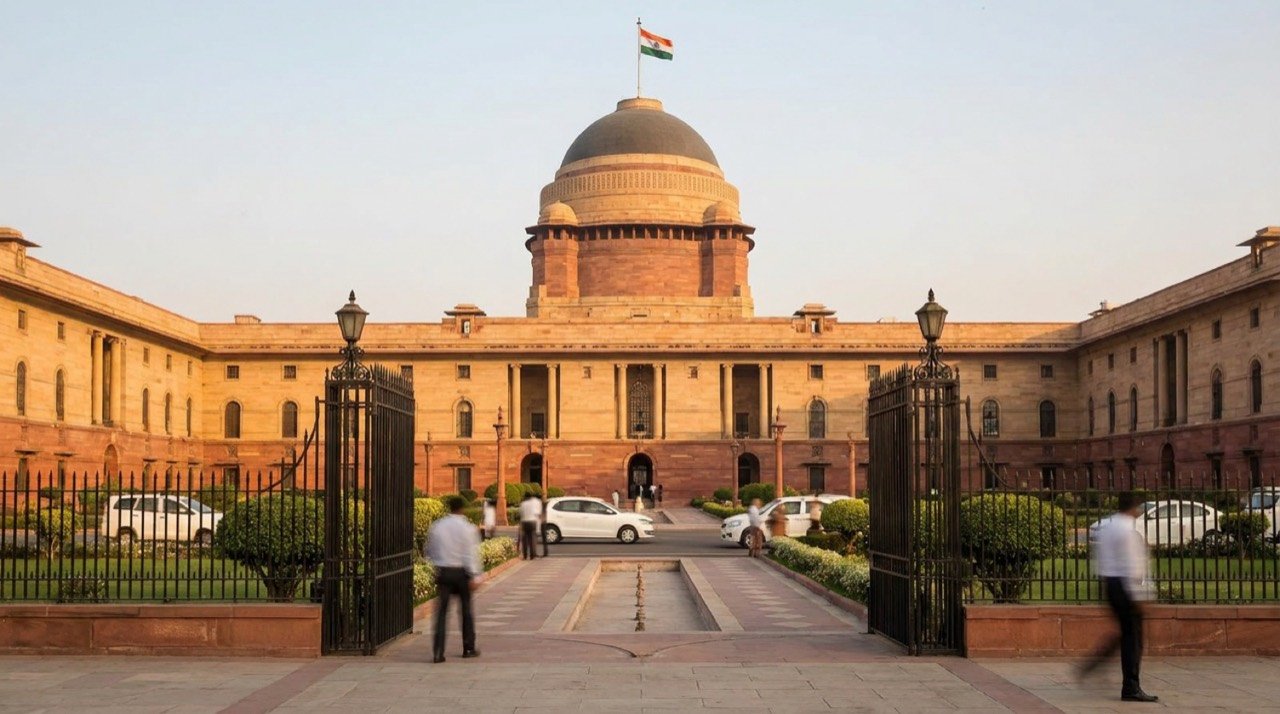
Prime Minister Narendra Modi met President Droupadi Murmu at Rashtrapati Bhavan on June 23, a call that drew sharp political attention amid mounting speculation over a possible Union Council of Ministers reshuffle.
Maharashtra Tables Record Rs 97,706 Crore Supplementary Demands, Farm Relief in Focus
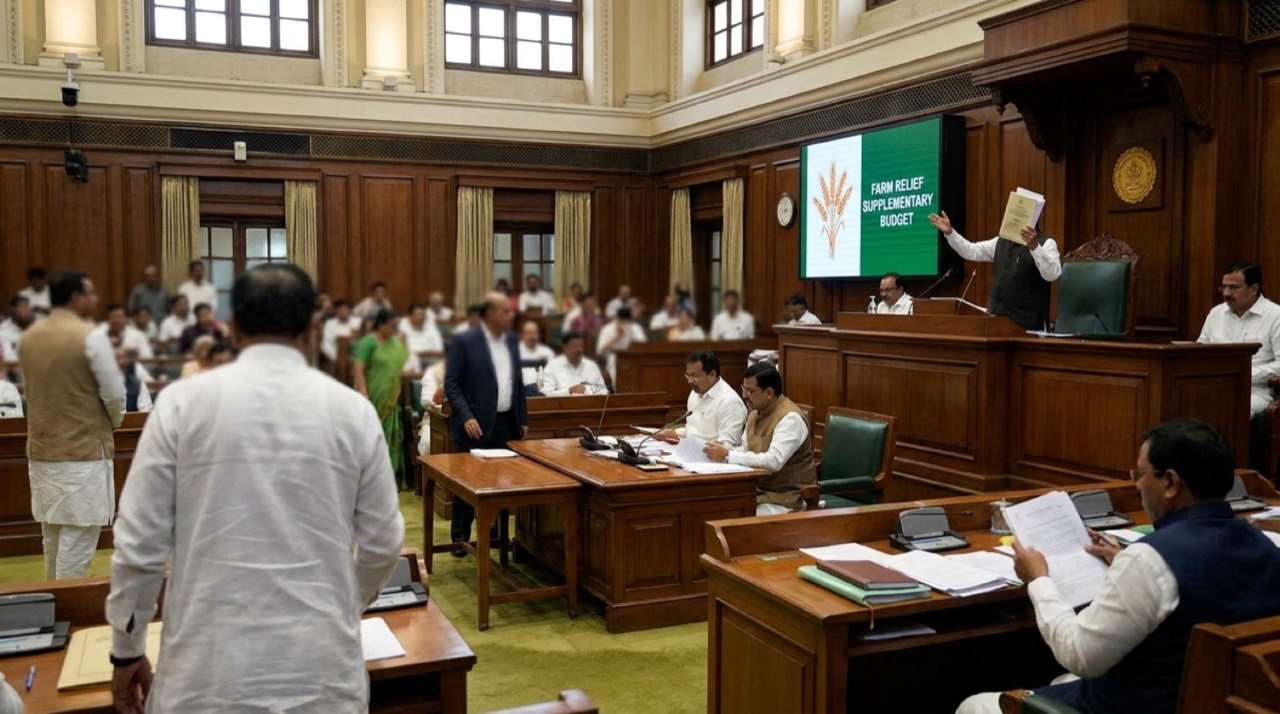
Maharashtra has placed one of its largest-ever supplementary spending demands before the legislature, anchoring nearly Rs 97,706 crore on farm loan waivers, welfare and urban development amid fiscal-discipline questions.
More from this section
More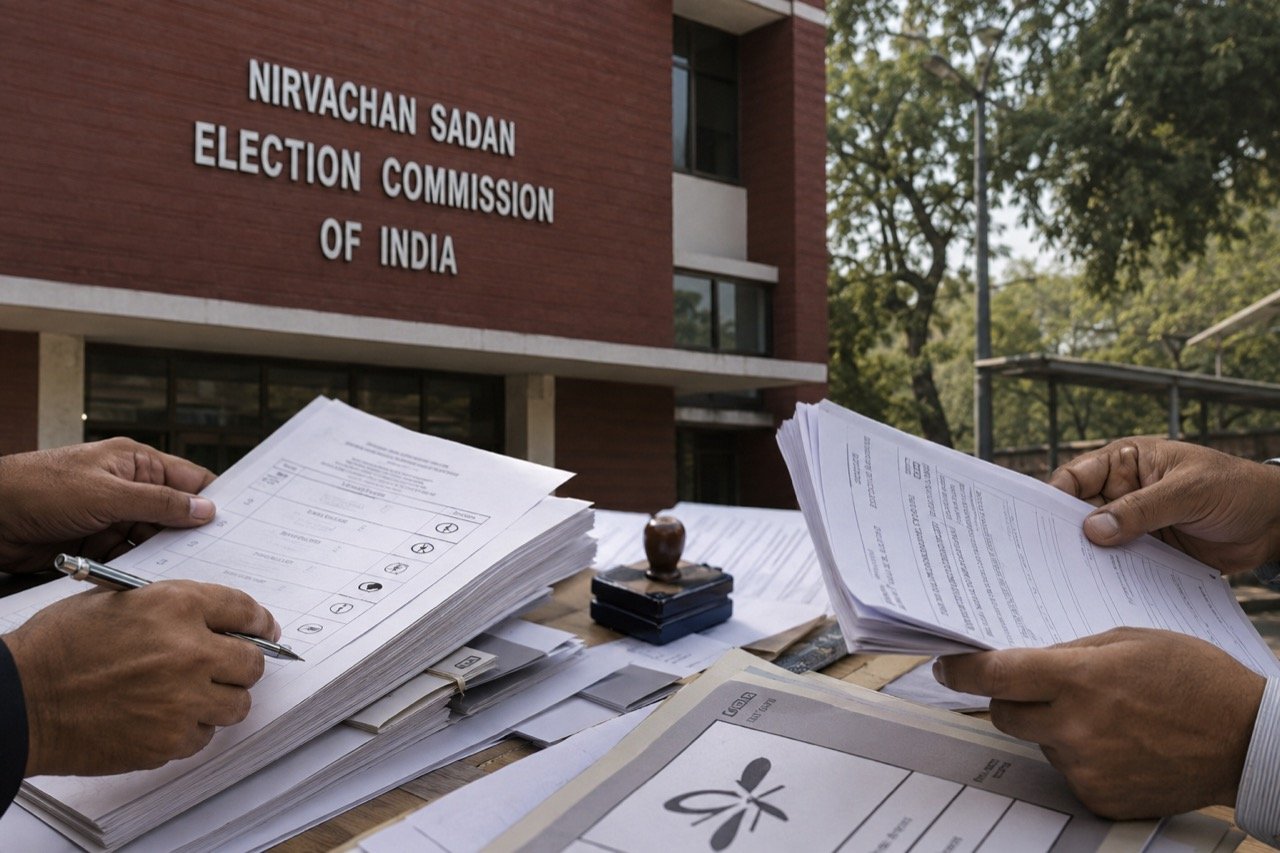
K Kavitha Party Denied TRS Name by Election Commission
The Election Commission has refused to register K Kavitha's Telangana Rakshana Sena under the TRS acronym after objections, forcing a branding reset for the new party at a politically sensitive moment in Telangana.
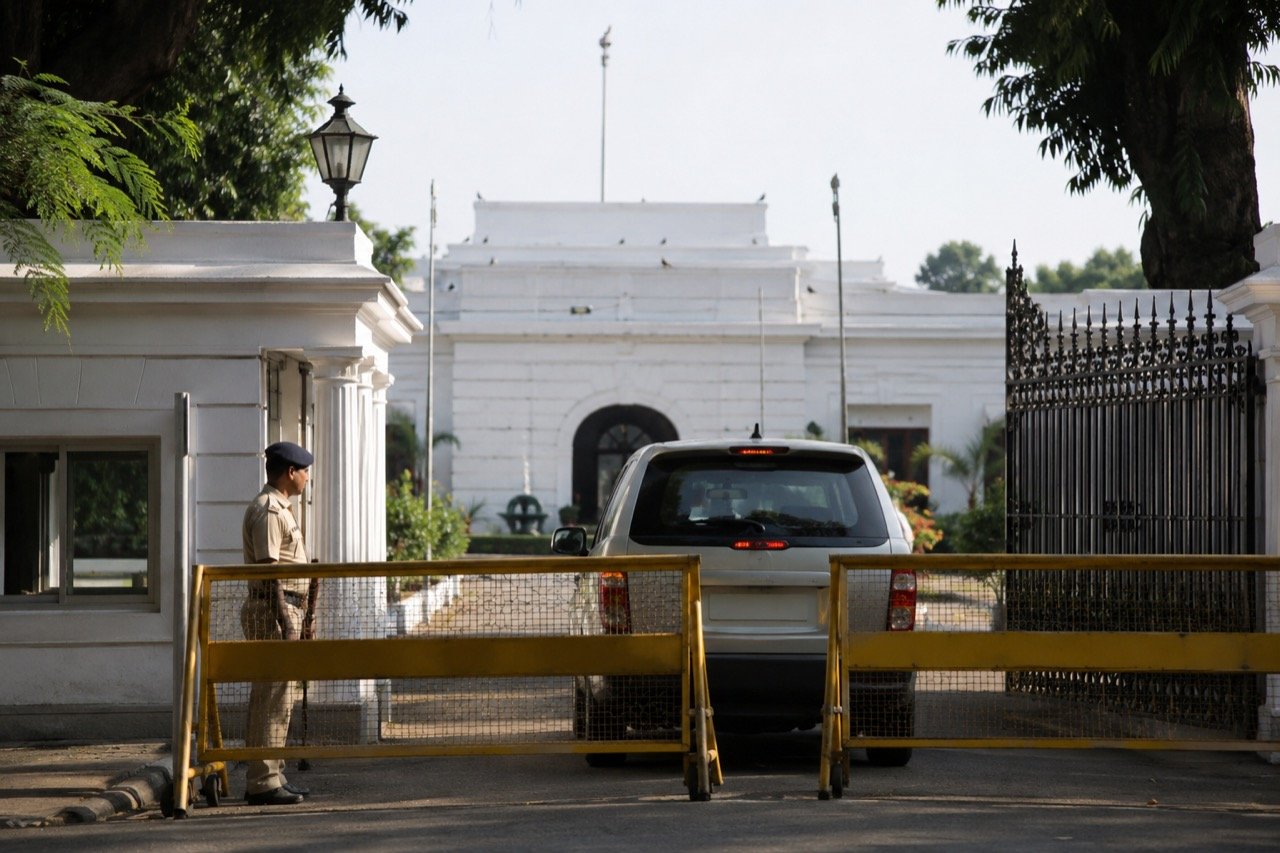
Lalu Prasad Yadav Security Downgrade, Bungalow Order Stir Bihar
A government order downgrading Lalu Prasad Yadav's security cover and asking him to vacate an official bungalow has opened a fresh political flashpoint in Bihar, with the RJD chief's reaction fuelling the row.
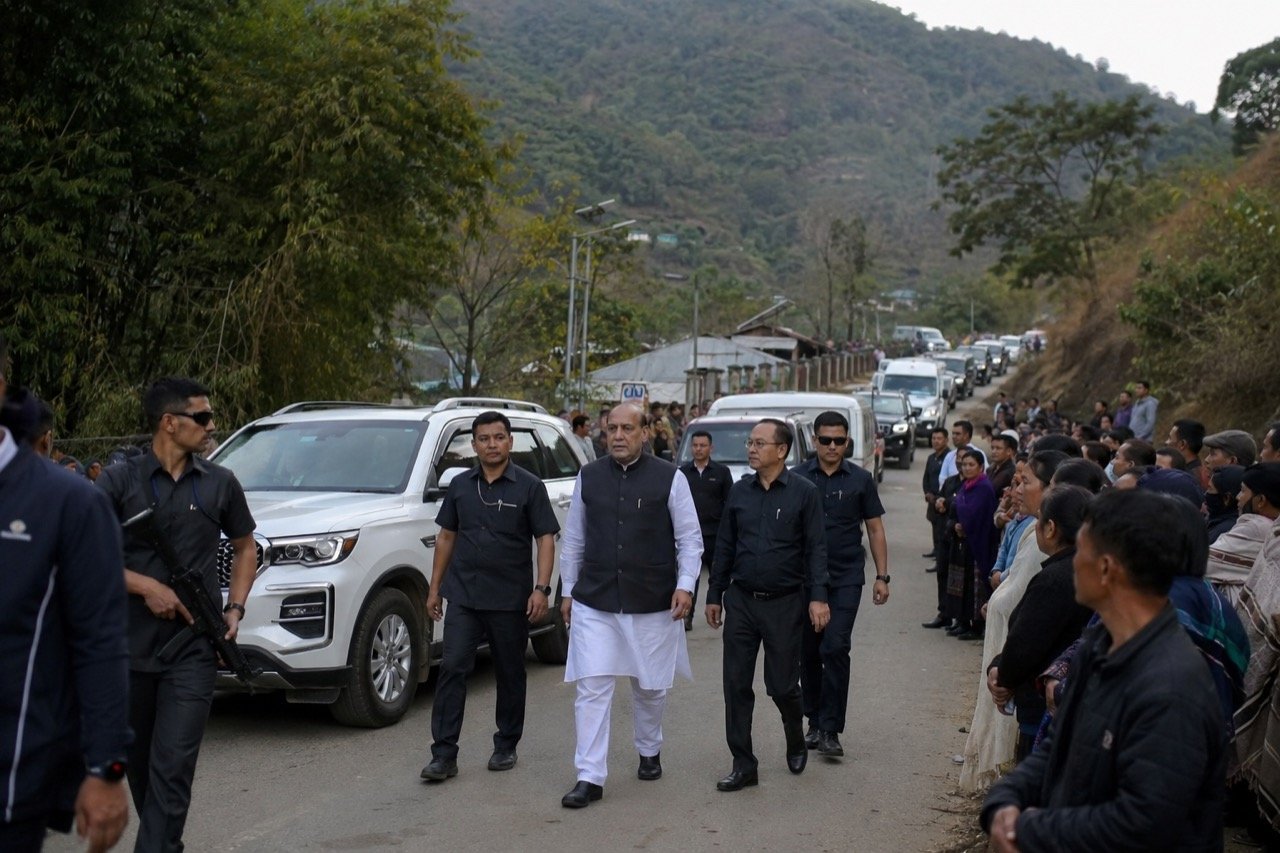
Manipur CM's Churachandpur Visit: First Since 2023 Unrest
The Manipur Chief Minister travelled to Churachandpur for a BJP MLA's funeral, his first visit to the district since the 2023 violence, lending the sombre occasion an unmistakable political significance.