Swiggy-Zerodha Tie-Up Lets Delivery Partners Invest in Mutual Funds From Rs 100
Swiggy has partnered with Zerodha Fund House to let delivery partners invest part of their earnings in mutual funds through the rider app, with entry amounts reported to start at Rs 100.
Commentary & Analysis ·
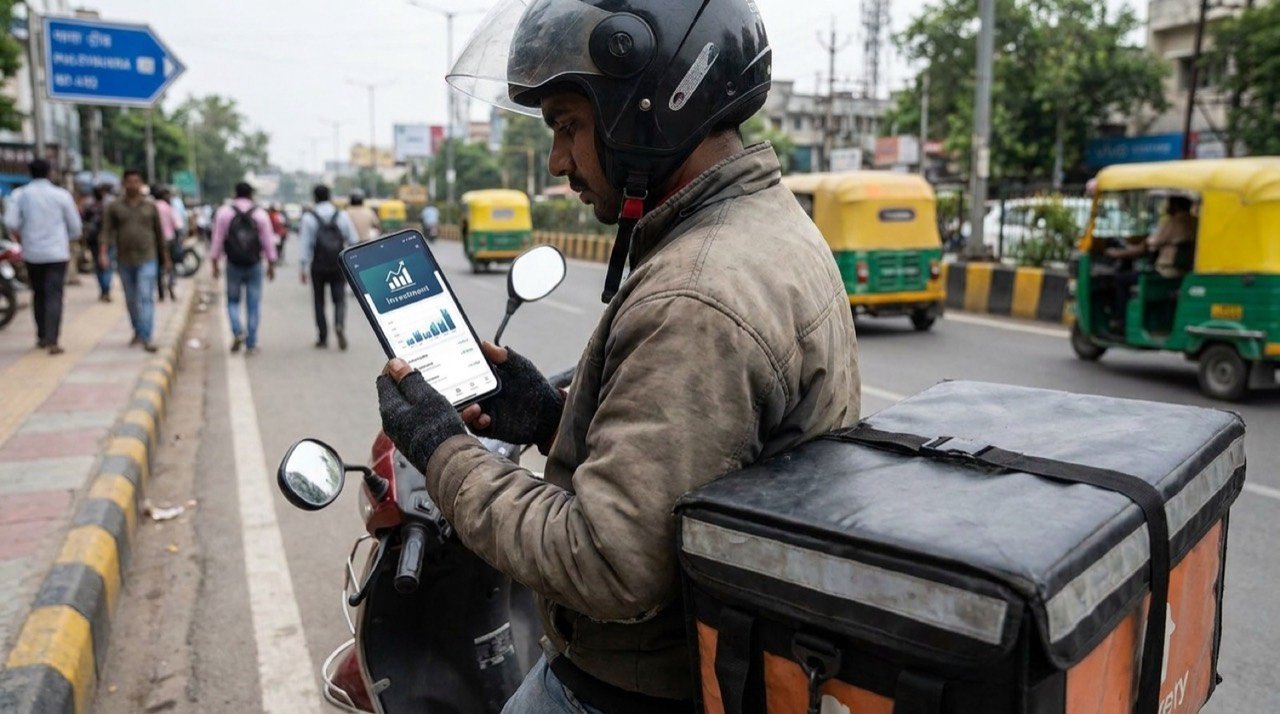
For most of India's gig workforce, saving has long been an informal affair, squeezed between fuel costs, rent and the unpredictability of daily earnings. A new tie-up between Swiggy and Zerodha Fund House aims to change that equation by embedding investment directly into the tool riders already use for work. Under the arrangement, delivery partners can channel a slice of their earnings into mutual funds through the rider app, with reported entry amounts starting at just Rs 100.
How the arrangement works
According to reports, investments would flow directly into Zerodha Fund House schemes, with the experience designed to sit inside the daily-work platform rather than a separate brokerage app. Management support is expected to run through in-app flows and WhatsApp, lowering the friction that often deters first-time investors.
The low entry ticket is the central design choice. By starting at Rs 100, the product targets workers for whom traditional minimums and paperwork have been a barrier, while easier withdrawal is pitched as a feature for those with irregular cash needs.
A test for platform-led financial inclusion
The move arrives as India debates how to extend social security, savings and formal financial access to platform workers who sit outside conventional employment. Placing investment tools inside a gig app is a notable experiment in reaching a population that banks and fund houses have struggled to serve at scale.
It also raises the question of where convenience ends and responsibility begins. Market-linked products carry risk, and a delivery partner investing for the first time needs clear disclosures and genuine financial education, not just a frictionless tap-to-invest button.
- Investments made directly into Zerodha Fund House schemes
- Reported entry amounts starting at Rs 100 per investment
- Access built into the Swiggy rider app used for daily work
- Support delivered through in-app and WhatsApp flows
- Easier withdrawal pitched for workers with irregular incomes
“Low-ticket investing can widen access, but market-linked products demand plain-language disclosures and real financial education for first-time investors.”
— Personal-finance commentator
Welfare tool, not a substitute
The most consequential aspect of the tie-up may be what it signals to the wider industry. If it works, it could become a template for how platforms layer welfare-like features onto gig work, nudging workers toward long-term savings without waiting for legislation.
The caveat is equally important. Such tools should complement, not replace, statutory protections such as pensions and insurance that workers are owed as a matter of policy. Whether the Swiggy-Zerodha model deepens financial inclusion or merely repackages risk will depend on disclosure, education and how transparently returns and losses are communicated over time.
The NE Times View
Embedding investing into the rider app is a genuinely interesting nudge toward financial inclusion for gig workers who rarely get one. But framing a hundred-rupee mutual fund as empowerment cannot paper over the absence of stable wages, social security or benefits in the gig model. Help workers save, by all means, but the harder conversation about what they are paid in the first place still waits.
This article is original commentary and analysis by The NE Times. Background facts were referenced from NDTV Profit and Outlook Business.
You may also like to read

SBI Funds Management Seeks Rs 2,000 Crore Pre-IPO Round Before Listing
India's largest mutual fund manager is reportedly courting institutional investors for up to Rs 2,000 crore ahead of a public listing that could rank among the biggest IPO stories of 2026.
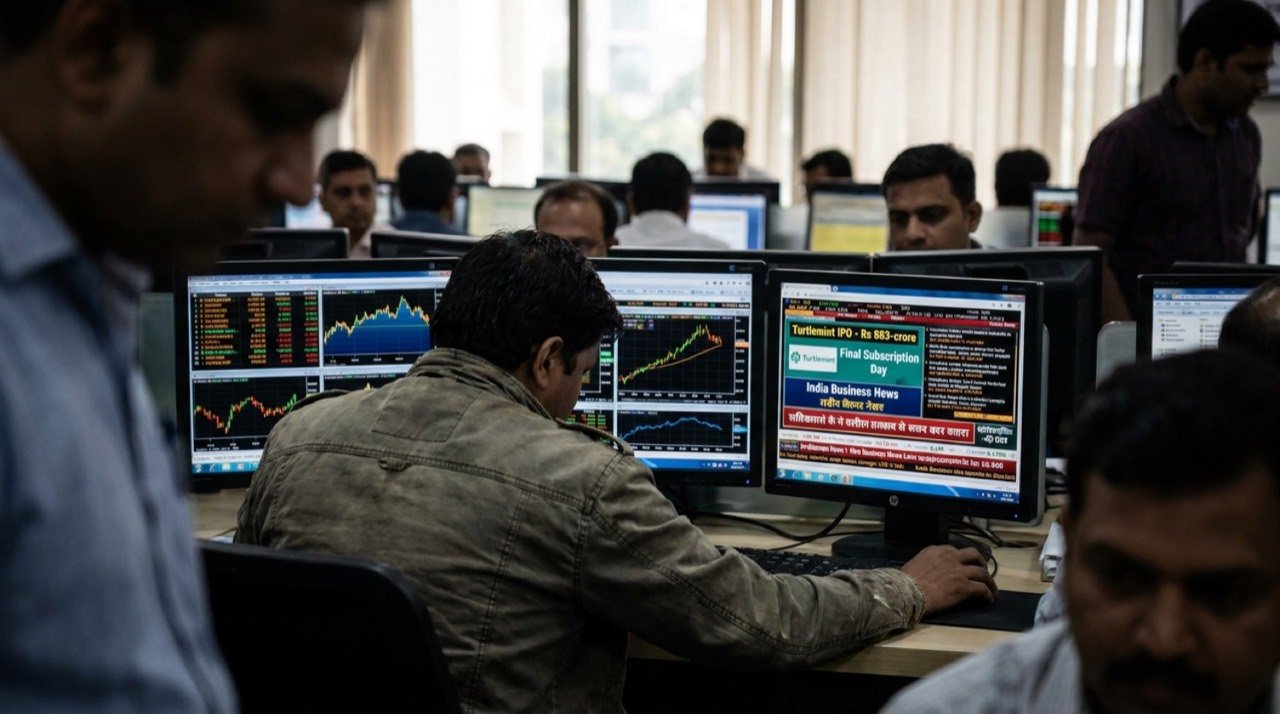
Turtlemint IPO Enters Final Day: Rs 883-Crore Issue Tests India's Insurtech Appetite
Turtlemint's Rs 883-crore IPO reached its final bidding day on 23 June, with investors weighing subscription levels, profitability and regulatory risk in India's growing insurance-technology market.

Turtlemint IPO Opens June 19 As Razorpay Joins India's Fintech Listing Wave
Insurance distribution platform Turtlemint opens its ₹883 crore public issue on June 19, just as payments unicorn Razorpay files confidential draft papers, signalling a busy season for Indian fintech IPOs.
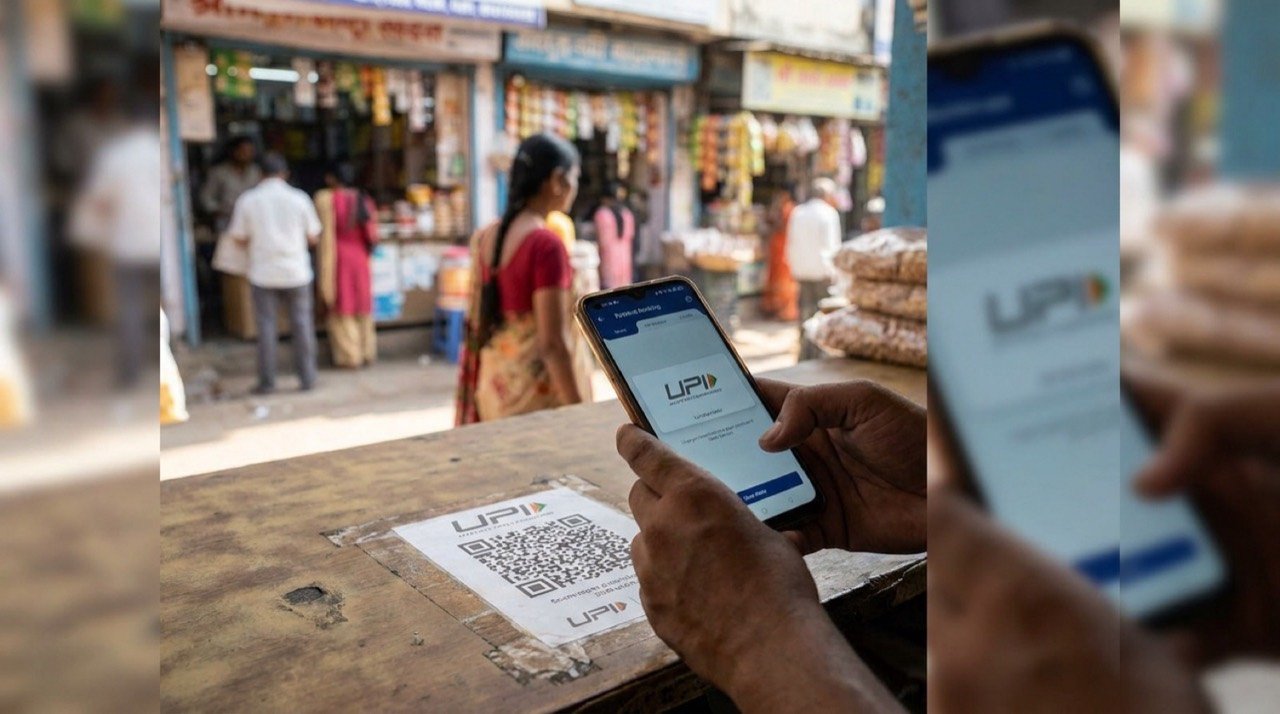
RBI Aligns UPI-Linked Credit Line Rules With Underlying Loan Norms
The Reserve Bank of India has clarified that credit lines delivered over UPI must follow the prudential rules of the underlying loan, closing a regulatory gap as banks and fintechs race to build payment-linked lending.
More from this section
More
Adani Case: US DOJ Pushes for Permanent Dismissal of Charges
The US Department of Justice has urged a judge to permanently dismiss charges against Gautam Adani, calling the case legally flawed — a reversal with consequences for markets, diplomacy and cross-border enforcement.

Akasa Air Inducts 40th Aircraft in Indian Aviation Scale-Up
Akasa Air's 40th aircraft, ferried to Bengaluru via Seattle, Reykjavik and Cairo, marks a fleet milestone for the young carrier and a fresh signal that India's aviation market remains firmly in expansion mode.

BARC Ratings Suspension Leaves Indian TV Industry Flying Blind
BARC's pause on television ratings has put India's broadcast measurement system under fresh scrutiny, leaving broadcasters, advertisers and media planners without the weekly audience data that anchors the TV economy.