New York Carriage Bill Renamed Romanch's Law After Indian Teen's Death
A New York City bill to phase out horse-drawn carriages has been renamed Romanch's Law in memory of Romanch Mahajan, an 18-year-old Indian who died after a Central Park accident.
Commentary & Analysis ·
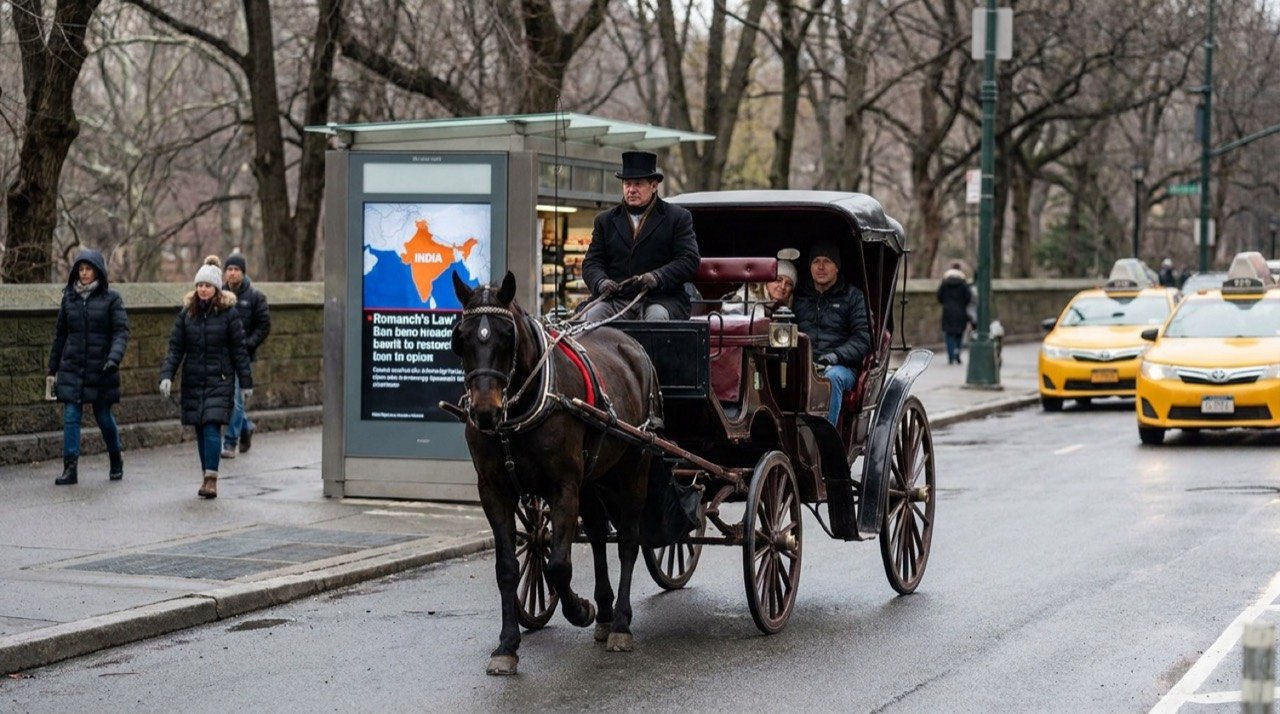
A proposed New York City ordinance to phase out the city's famous horse-drawn carriages has been given a new name and a new emotional weight. The measure, long debated by animal-welfare campaigners, will now be known as Romanch's Law, in memory of Romanch Mahajan, an 18-year-old Indian national who died following a carriage accident near Central Park. What began as a regulatory fight over a tourist tradition has become, for one grieving family and a watching diaspora, a question of municipal accountability.
From a tragedy to a named law
City council member Christopher Marte announced the renaming at a candlelit vigil, casting the move as a tribute that would keep the teenager's name attached to any future reform. Naming legislation after a victim is a familiar device in American civic life: it personalises an abstract policy and gives campaigners a rallying point. In this case it transforms a recurring debate about carriage horses into a story about a specific young life cut short.
For Mahajan's family, the gesture is both an acknowledgement and a burden. It ensures the circumstances of his death will be revisited each time the bill is discussed, even as the legislative path itself remains uncertain and contested in the council chamber.
Why the story resonates in India
Mahajan was an Indian national, and his death abroad has touched a nerve among families who send children overseas to study, travel and work. The case sits within a wider anxiety about the safety of young Indians in foreign cities, where unfamiliar regulations, tourist attractions and emergency systems can carry hidden risks. For many readers, the headline is less about carriage policy than about a son who did not come home.
The Indian diaspora in the New York region is large and well organised, and stories of this kind tend to travel quickly through community networks before they reach mainstream coverage at home.
An old debate, a new flashpoint
New York's horse-drawn carriages have been a point of contention for years, pitting animal-rights groups and some residents against drivers, stable owners and operators who argue the trade is a heritage livelihood. Proposals to replace the horses with electric vehicles or to confine them to park interiors have repeatedly stalled. Romanch's Law revives that argument with fresh urgency.
- The bill seeks to phase out commercial horse-drawn carriages in New York City.
- It has been renamed Romanch's Law after 18-year-old Indian national Romanch Mahajan.
- Mahajan died following a carriage accident near Central Park.
- Council member Christopher Marte announced the renaming at a public vigil.
- The case links a single family's grief to debates over tourism, animal welfare and urban regulation.
“His name will stay attached to this fight until the city acts.”
— Christopher Marte, New York City council member
Whether Romanch's Law ultimately passes will depend on council arithmetic, lobbying and the willingness of city leaders to confront an entrenched industry. For now, the renaming guarantees that the debate will continue under the shadow of a young man's death, and that families far away in India will be following each vote.
The NE Times View
Naming a law after Romanch Mahajan turns private grief into public reform, and that is the right instinct, even half a world away. The carriage-safety debate is New York's to settle, but the episode is a reminder of how visible and rooted the Indian diaspora has become in American civic life. A young life lost should not be the only price for a regulatory reckoning that animal-welfare advocates have urged for years.
This article is original commentary and analysis by The NE Times. Background facts were referenced from Times of India and New York City Council statements.
You may also like to read
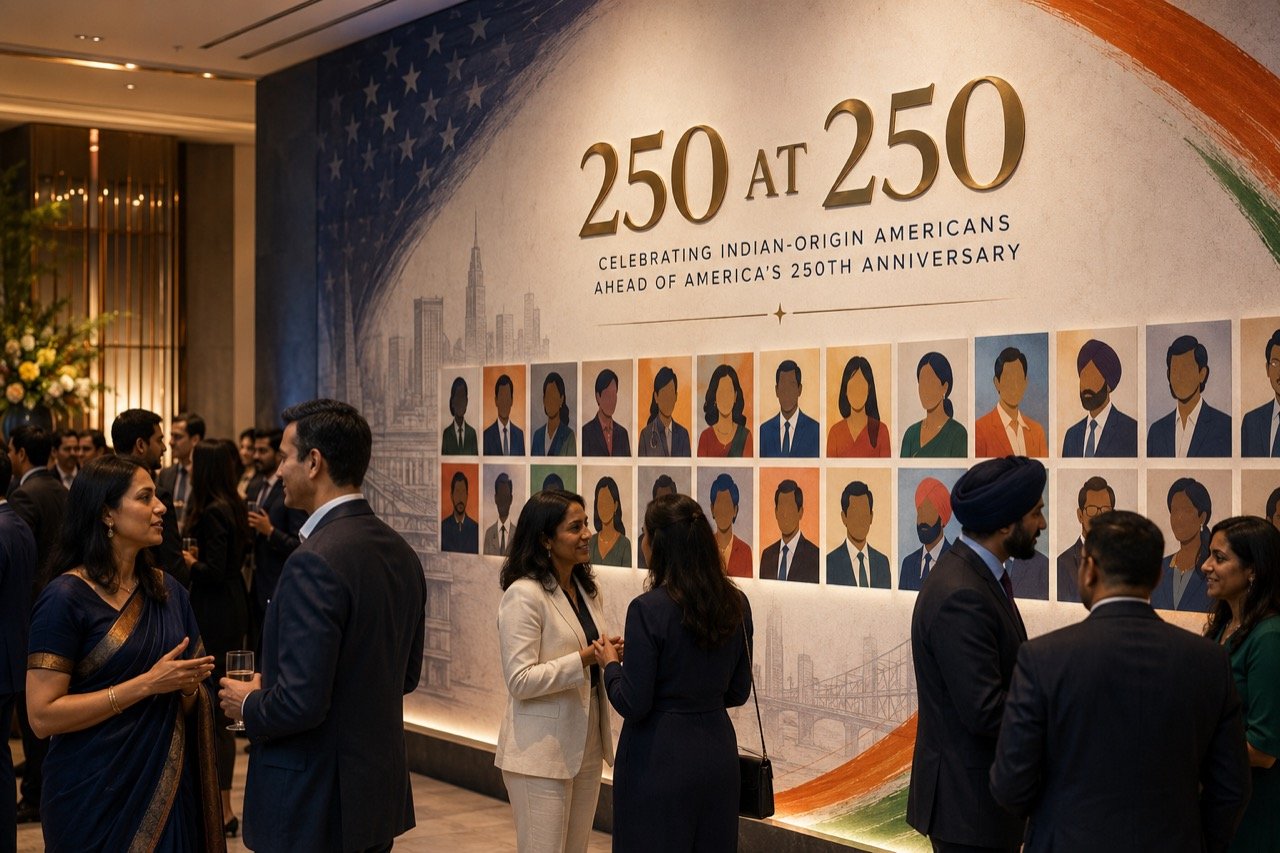
Indiaspora 250 at 250: Diaspora Power in America's Milestone Year
Indiaspora's new 250 at 250 list, released ahead of America's 250th anniversary, celebrates Indian-origin achievers across technology, medicine, government and the arts, underscoring the diaspora's deepening footprint in US public life.
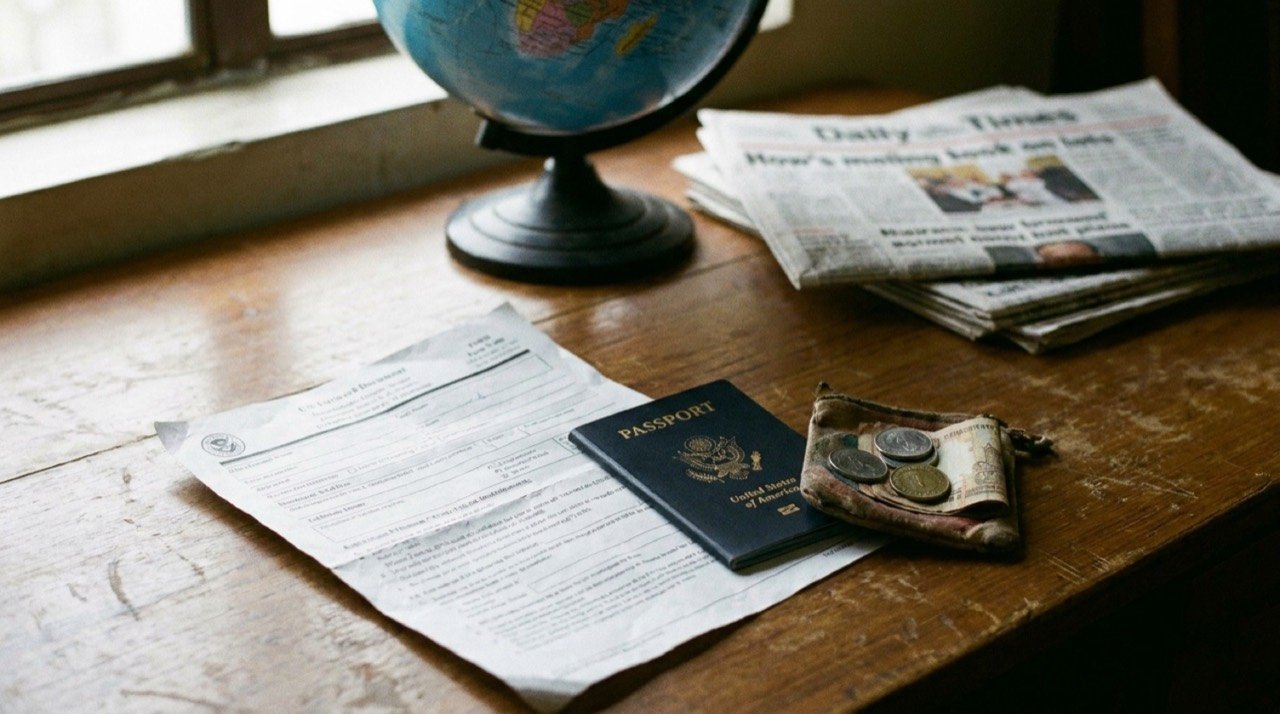
US Citizenship Fee Hike Proposal Could Hit Indian Immigrants Hard
A proposed near-doubling of the US naturalisation fee, alongside the removal of waivers, threatens to reshape citizenship timelines and household budgets for one of America's largest immigrant communities.

Crude Slides Below $75 As Peace Hopes Ease India's Import Bill
Oil prices have tumbled for five straight sessions on expectations of a US-Iran agreement, offering rare relief to India's import-heavy economy after weeks of supply-shock fears.

China's LineShine Dethrones US as World's Fastest Supercomputer, Sharpening India's AI Resolve
China has reclaimed the top spot on the global supercomputing rankings with an all-domestic machine running at over two exaflops, a milestone in the US-China tech contest that underscores why India is racing to build its own sovereign computing power.
More from this section
More
India-New Zealand Ties: Visit Plans Put FTA and Diplomacy in Focus
Reports of a planned high-level India-New Zealand engagement have revived attention on free trade talks, professional mobility and Indo-Pacific cooperation between two partners with clear room to grow.

Modi Greets Trump on US 250th Independence Day, Hails Partnership
Prime Minister Narendra Modi marked America's 250th Independence Day with a message to President Trump, saying the next 250 years should lift the India-US partnership to new heights.
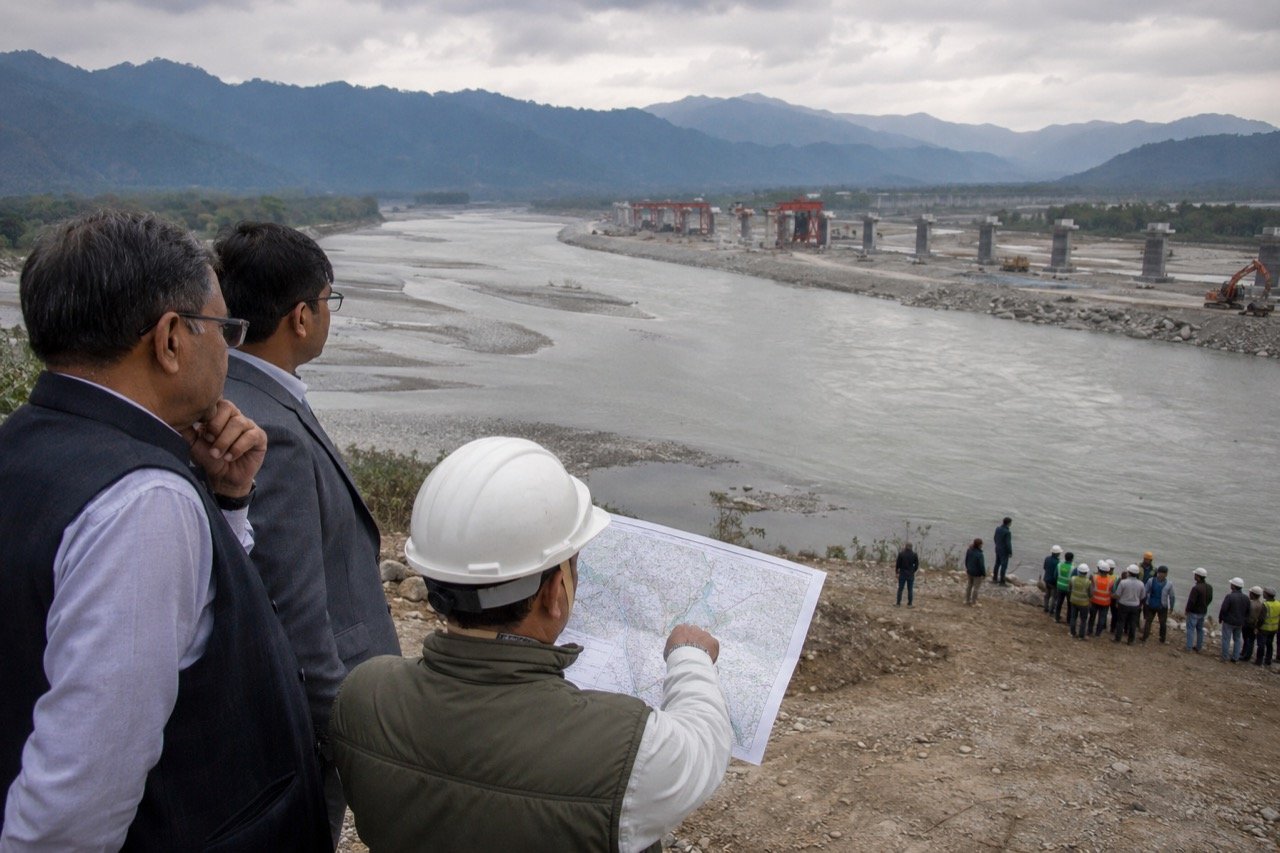
India Watches Dhaka's China-Backed Teesta Plan as Stakes Rise
New Delhi is closely tracking Bangladesh's proposal to develop the Teesta river with Chinese assistance, a move that revives one of South Asia's most sensitive water-sharing disputes and tests regional strategic trust.