Rishabh Pant Returns to Delhi Capitals as Kuldeep Yadav Joins LSG
The IPL has confirmed a marquee trade sending Rishabh Pant back to Delhi Capitals and left-arm wrist-spinner Kuldeep Yadav to Lucknow Super Giants.
Commentary & Analysis ·
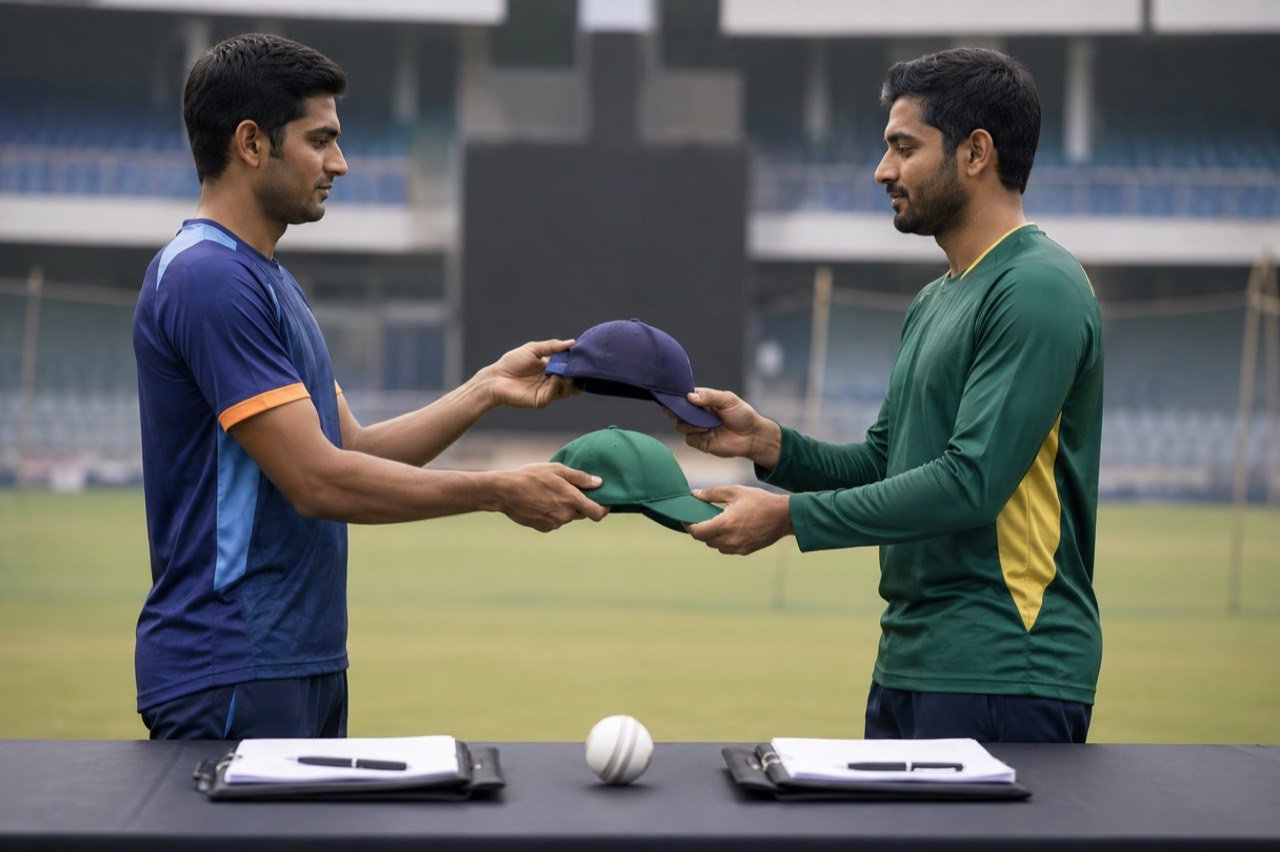
The Indian Premier League has confirmed one of its highest-profile trades in recent memory, with wicketkeeper-batter Rishabh Pant returning to Delhi Capitals and left-arm wrist-spinner Kuldeep Yadav moving to Lucknow Super Giants. An official league advisory sealed the swap, instantly making it one of the biggest talking points of the build-up to the next season. That a single announcement could reorder the fortunes of two franchises in one stroke says a great deal about how central player trading has become to the league's modern rhythm, no longer a peripheral footnote to the auction but a strategic tool in its own right.
A homecoming for Pant
Pant's return reunites him with the franchise where he made his name as an explosive top-order presence and former captain. For a player so closely identified with Delhi Capitals' identity over the years, the move reads less like a conventional transfer and more like a correction of sorts, a reversion to the pairing that fans most associate with the team's rise as a genuine contender. Reports indicate he comes back on a revised fee, a detail that adds intrigue to the deal and points to the financial give-and-take that increasingly shapes squad-building in the league. The specifics of that revised valuation matter beyond the balance sheet: they signal how franchises now price reputational and leadership value alongside pure batting returns, and how a player's history with a club can itself become a bargaining chip in trade negotiations.
For Delhi, the move restores a familiar leader and a match-winner behind the stumps, the kind of anchor a side can build its identity around heading into a fresh campaign. Wicketkeeper-batters who can also captain bring a dual value that is difficult to replace through the auction alone, since such players are rarely available and even more rarely willing to move. Delhi's management will now have to decide how to structure its leadership group and batting order around a player who has previously worn the captain's armband for the franchise, a decision that could ripple through contract talks, sponsorship arrangements and the broader messaging the club sends to its supporters ahead of the season.
Lucknow add a proven match-winner
In Kuldeep Yadav, Lucknow gain a wrist-spinner who has long troubled batters across formats with his control and variations. His arrival hands the franchise a genuine wicket-taking option through the middle overs, a phase where matches are routinely won and lost. Franchises across the league have repeatedly found that containing the middle overs is often the difference between a competitive total and a match slipping away, and a bowler of Kuldeep's calibre gives Lucknow's captain a genuine attacking option rather than a purely defensive one in that phase.
The trade reshapes the balance of two ambitious sides at once, strengthening Delhi's spine while deepening Lucknow's bowling attack. It is worth noting how rarely a single transaction manages to address a clear need for both parties simultaneously; more often, trades in this league have an element of one side conceding ground to secure a priority target. Here, each franchise appears to have addressed a specific, identifiable gap in its squad, which is likely part of why the deal has drawn such attention from analysts and supporters alike.
What it signals for the league
Beyond the two clubs, the deal underlines how aggressively IPL teams now plan, striking major moves well before auctions and formal squad-building windows dominate the news cycle. Early trades let franchises lock in core players and shape their strategy on their own timeline rather than gambling at the auction table. This shift in behaviour reflects a maturing league, one where front offices increasingly resemble those in longer-established global sports competitions, favouring negotiated certainty over the unpredictability of open bidding.
For supporters, it is an early jolt of excitement and a clear statement of intent from both camps. Fan reaction to trades of this magnitude tends to be immediate and emotionally charged, particularly when a player as popular as Pant is involved, and clubs are increasingly conscious of how such moves play out not just on the field but in the broader commercial and social-media conversation that surrounds the league. A cricket analyst captured this shift succinctly, noting that trades like this show teams are no longer waiting for the auction to settle their core, a comment that speaks to a broader change in how IPL franchises now think about roster continuity and long-term planning.
What comes next
With both players now realigned, attention turns to how each franchise builds around its new acquisition and what further moves the trade window may yet trigger. Delhi will need to consider how Pant's return affects the balance of its batting order and its leadership structure, while Lucknow will look at how Kuldeep's introduction reshapes its bowling combinations, particularly in tandem with any existing spin options already on its books. Other franchises watching this swap unfold may well be prompted to explore trades of their own, either to address gaps exposed by this deal or simply to avoid falling behind rivals who have moved early and decisively.
As planning intensifies ahead of the next season, this swap has set an early, high benchmark for ambition across the league. Whether other clubs follow suit with trades of similar magnitude, or whether this remains an outlier driven by the particular circumstances of two clubs and two players, will become clearer as the trade window progresses and as squads take shape in the weeks ahead.
The NE Times View
A marquee swap returning Pant to Delhi and sending Kuldeep to Lucknow is the kind of high-profile trade that keeps the IPL's off-season as gripping as its matches. Such deals reward fan nostalgia and franchise strategy alike, but they also underline how player movement now shapes Indian cricket as much as on-field form. Loyalty is fluid; the league's commercial machinery never sleeps, and this trade is a reminder that even a player's strongest associations with a club can be renegotiated when the underlying incentives align for all parties involved.
Key takeaways
- Rishabh Pant returns to Delhi Capitals in a confirmed IPL trade, reportedly at a revised fee, reuniting him with the franchise where he built his reputation and previously captained the side.
- Kuldeep Yadav moves from Delhi to Lucknow Super Giants, giving LSG a frontline wrist-spinner capable of winning matches through the middle overs.
- The trade strengthens Delhi's batting and leadership core while deepening Lucknow's bowling attack, addressing a clear need for both franchises at once.
- The deal highlights how early IPL franchises are now planning, striking major trades well ahead of the auction rather than relying solely on it.
- Attention now shifts to how each club builds around its new acquisition and whether other franchises follow with trades of their own before the season begins.
You may also like to read
Jasprit Bumrah Eyes ODI Comeback vs England After Tough IPL Season
Jasprit Bumrah's preparation for India's ODI series against England has become the bowling attack's biggest storyline, as the pace spearhead looks to rebuild rhythm and confidence after a career-worst IPL campaign.
ICC World Club T20: How a New Tournament Could Reshape Cricket
A reported ICC proposal for a World Club T20 competition could redraw the global cricket calendar, deepen franchise power and raise big questions for the IPL, players and smaller cricketing nations.
Gavaskar Urges BCCI to Create One-Month Rest Window for India Players
Former India captain Sunil Gavaskar has called for a planned one-month rest window for Indian cricketers and stronger protection of the India cap, reigniting the debate over workload in a crowded calendar.
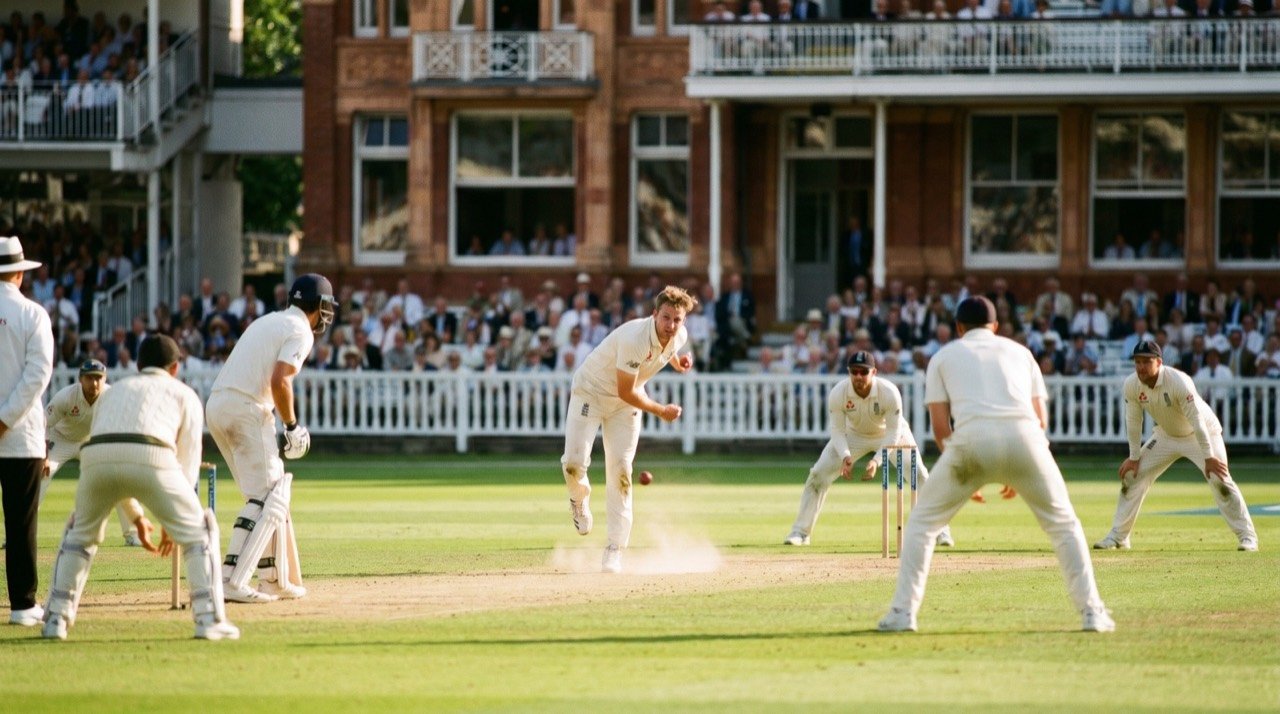
BCCI weighs IPL 2027 retention rules as mega-auction framework takes shape
With the next mega-auction cycle approaching, the BCCI's working group is debating retention slots, a revived Right-to-Match rule and a higher salary cap, decisions that will shape franchise squads and the November auction.
More from this section
More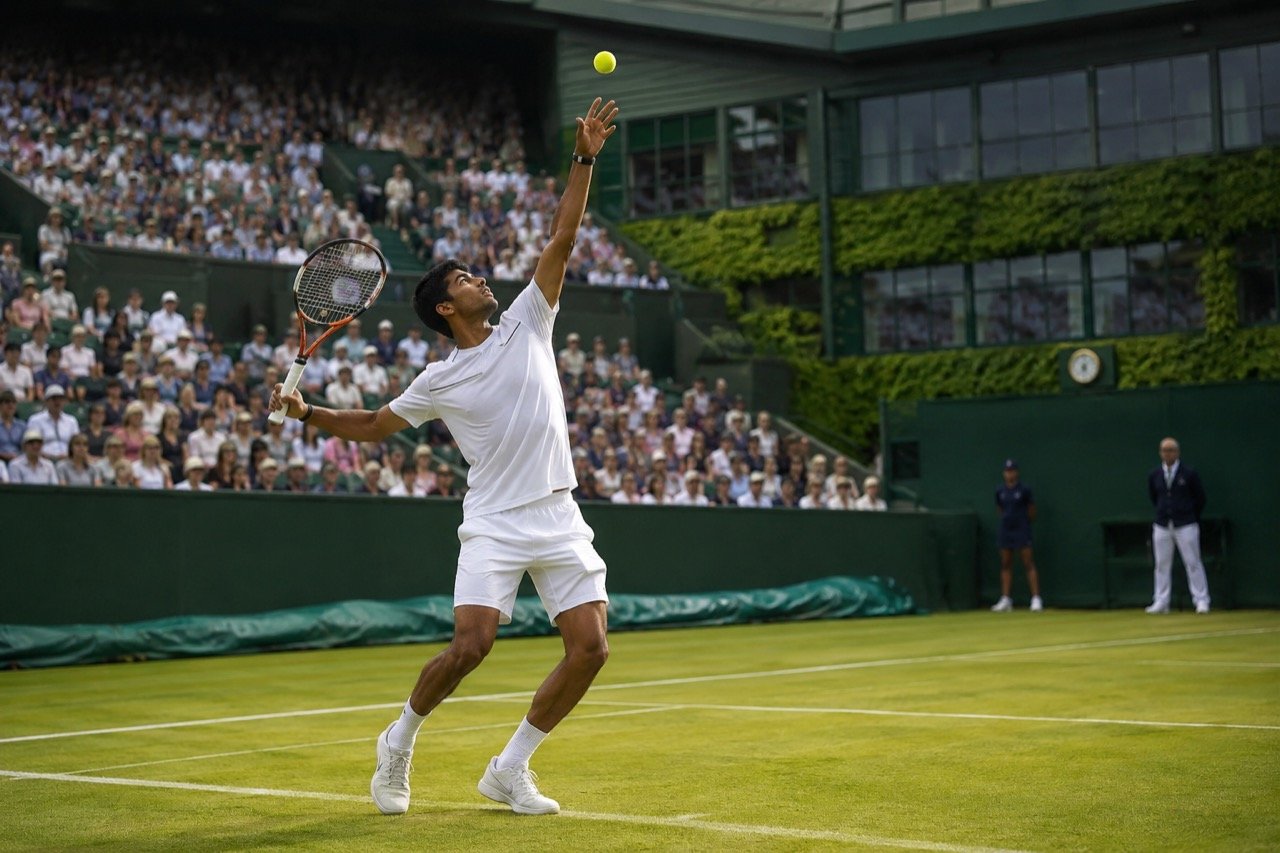
Arnav Paparkar Advances at Wimbledon Boys' Singles in Boost for India
Indian junior Arnav Paparkar has moved into the second round of the Wimbledon boys' singles with a commanding serving display, handing Indian tennis a rare and encouraging grass-court result at the sport's biggest stage.
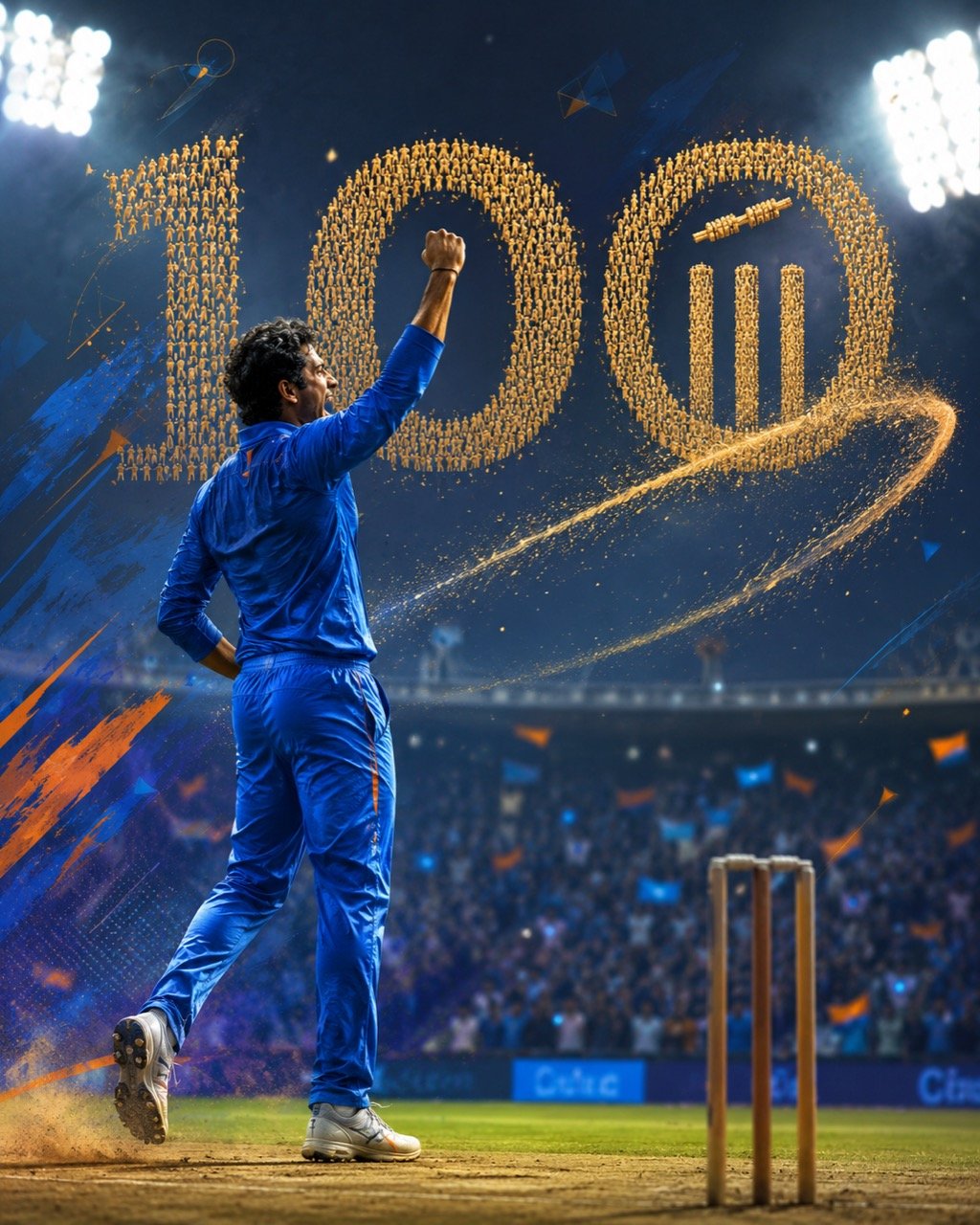
Axar Patel Becomes First Indian Spinner With 100 T20I Wickets
Axar Patel reached 100 T20 international wickets in the second T20I against England, becoming the first Indian spinner to hit the mark and cementing his standing as one of India's most durable white-ball performers.
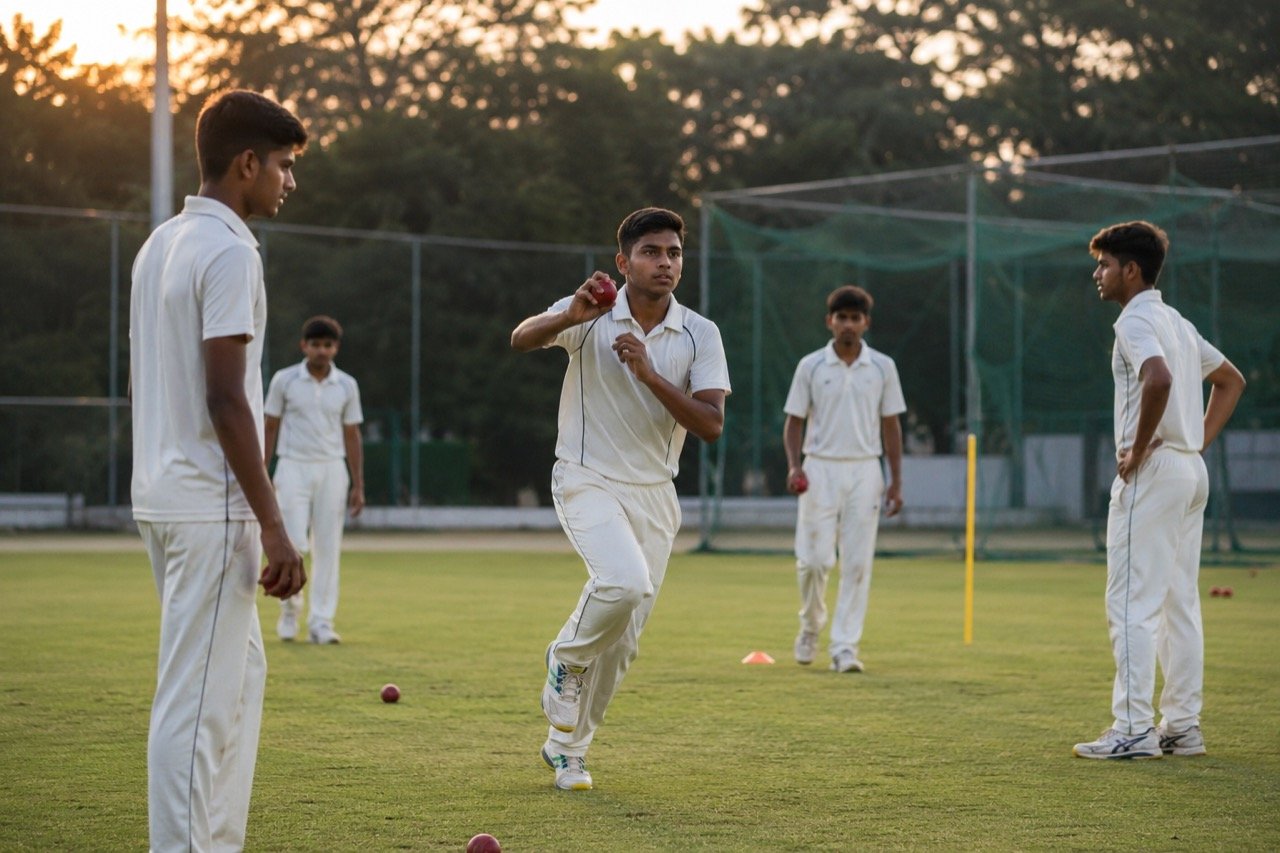
BCCI Emerging Men's Tournament to Hunt Test Prospects in Bengaluru
The BCCI's red-ball Emerging Men's Tournament, running at the Centre of Excellence in Bengaluru through July, is designed to give selectors a longer, harder look at India's next generation of Test cricketers.