RBI Sold $8.9 Billion in April as Rupee Pressure Persisted
India's central bank sold a net $8.9 billion in the spot foreign-exchange market in April, RBI data showed, underlining how it manages currency volatility while balancing reserves and liquidity.
Commentary & Analysis ·
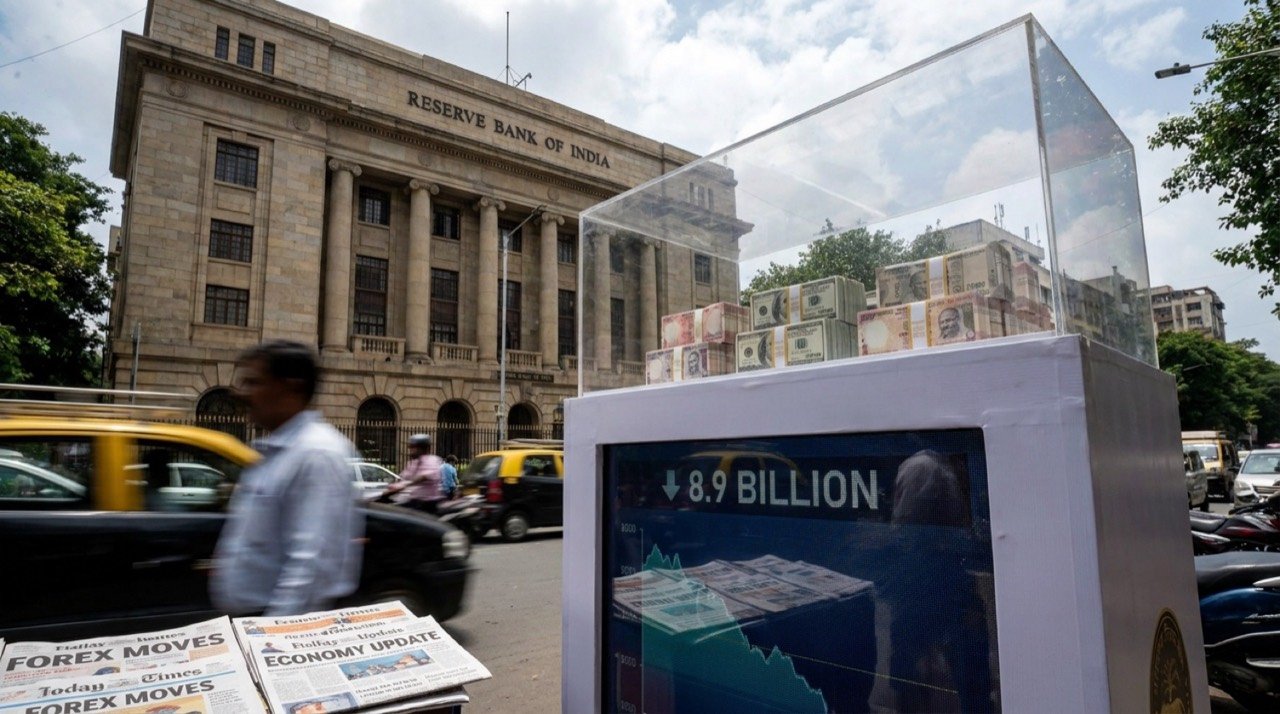
India's central bank sold a net $8.9 billion in the spot foreign-exchange market in April, according to Reserve Bank of India data reported by Reuters. On its face this is a technical line in a monthly dataset. Read closely, it is a window into the quiet, continuous work the RBI does to keep the rupee from lurching, and into the trade-offs that work entails. A net sale of this size means the central bank supplied considerably more dollars than it absorbed during the month, typically the posture it adopts when the rupee is under depreciation pressure. The figure is large enough to indicate that the RBI was an active, deliberate participant in the currency market in April, not a passive bystander watching moves unfold from the sidelines.
What the intervention figure actually tells us
When a central bank runs a net dollar sale in the spot market, it is, in effect, using its reserves to add dollar supply and soak up rupees, cushioning the local currency against a slide. An $8.9 billion net sale in a single month is not a trivial adjustment; it points to a sustained defensive presence across the trading sessions of April rather than a one-off, opportunistic move on a single volatile day. The RBI has been consistent in its public position that this kind of activity is meant to smooth out excessive or disorderly swings in the exchange rate, not to anchor the rupee to a specific level against the dollar. That distinction matters more than it might appear. A central bank seen to be defending a fixed rate invites speculative attacks and creates an expectation it may eventually be unable to meet. A central bank that intervenes only to dampen volatility retains flexibility, credibility and room to manoeuvre as circumstances change. April's data is consistent with the latter posture, even as the scale of the sale underscores how much pressure the rupee was actually facing beneath a relatively calm headline exchange rate.
The balancing act at the heart of currency management
Intervention of this kind is never free. Every dollar the RBI sells to support the rupee is a dollar drawn from its foreign-exchange reserves, the buffer that India leans on to reassure investors, rating agencies and trading partners that it can meet its external obligations even in a period of stress. Reserves are, in a sense, insurance: valuable precisely because they are available when needed, but diminished each time they are used. At the same time, selling dollars has a second, less visible consequence. Because the RBI receives rupees in exchange for the dollars it sells, it withdraws rupee liquidity from the banking system. That tightening interacts with the central bank's broader monetary policy stance, potentially reinforcing or complicating whatever the RBI is separately trying to achieve on interest rates, credit growth and inflation management. Managing these two pressures simultaneously, protecting reserves on one hand and preserving adequate domestic liquidity on the other, is the essential, ongoing balancing act that a figure like April's $8.9 billion net sale puts into sharp relief. It is not simply a currency story; it is a liquidity story and a reserves story unfolding at the same time.
Why the rupee was under pressure in the first place
The rupee, in common with other emerging-market currencies, does not move in isolation. It is buffeted by forces originating well beyond India's borders: the relative strength of the US dollar in global markets, shifts in commodity prices that affect India's import bill, and the ebb and flow of foreign capital into and out of emerging economies. When global conditions turn unfavourable, for instance when the dollar strengthens broadly or capital seeks safer havens, the rupee tends to come under depreciation pressure alongside its emerging-market peers, regardless of India-specific fundamentals. April's RBI activity should be read against this backdrop. The scale of the intervention suggests that external pressures on the rupee persisted through the month, requiring the central bank to maintain a steady and sizeable presence in the market to keep currency movements orderly rather than abrupt. This is the unglamorous, day-to-day reality of managing a currency that is broadly market-determined but not left entirely to its own devices.
What this means for importers, inflation and ordinary households
The consequences of currency management choices extend well beyond trading desks and reserve statistics. A weaker rupee raises the cost of imports, and India imports a great deal, from crude oil to electronics components to edible oils, meaning currency depreciation can filter through into inflation and squeeze household budgets. By leaning against rupee weakness, the RBI's intervention offers some protection to importers and helps contain imported inflation, a benefit that is real even if it is not always visible to the public. Exporters, by contrast, generally prefer a weaker currency because it makes their goods more competitive abroad, so the RBI's actions inevitably favour one set of stakeholders over another, at least in the short term. This is part of why the central bank frames its objective in terms of curbing volatility rather than targeting a level: it allows the RBI to claim a broadly neutral stance even as its actions have differentiated effects across the economy.
Reading April as one data point in a longer story
A single month's intervention figure, however large, is best understood as one data point in a continuing narrative rather than a verdict in itself. Markets and analysts will naturally look to subsequent months of RBI data to judge whether the pressure evident in April eased, persisted or intensified. A declining trend in net dollar sales in the months that follow would suggest the rupee found more stable footing, while a continuation or escalation would suggest external pressures remain acute and that reserves are being drawn down at a pace worth watching closely. Either way, the April figure is a useful reminder that currency stability, often taken for granted by the public, is the product of constant, largely unseen effort by the central bank rather than something that simply happens on its own.
The NE Times View
The scale of April's dollar sales shows the RBI actively leaning against rupee weakness rather than letting the currency find its own level. That defends importers and tames inflation, but it spends reserves and signals persistent pressure beneath a managed calm. The balance is delicate: intervene too little and the rupee slides, stoking imported inflation and unsettling sentiment; intervene too much and the reserve buffer thins, narrowing the room to respond if a sharper shock arrives later. Viewed this way, the $8.9 billion figure is less an alarming headline number than an instructive one. It tells us how hard the RBI has had to work simply to keep the rupee's movements orderly, and it is a useful corrective to any assumption that currency stability in India is effortless or automatic. The steadier the surface, in other words, the more one should ask what is happening underneath it.
Key takeaways
- The RBI sold a net $8.9 billion in the spot forex market in April, according to RBI data reported by Reuters, indicating sustained active intervention rather than a passive stance.
- Net dollar sales support the rupee against depreciation pressure but draw down foreign-exchange reserves and tighten domestic rupee liquidity.
- The RBI maintains its market presence is meant to curb excessive volatility, not to defend a fixed exchange-rate level.
- Global forces, including US dollar strength, commodity prices and capital flows, form the backdrop against which the rupee faced pressure in April.
- Subsequent months of intervention data will help clarify whether the pressure on the rupee is easing or intensifying.
You may also like to read
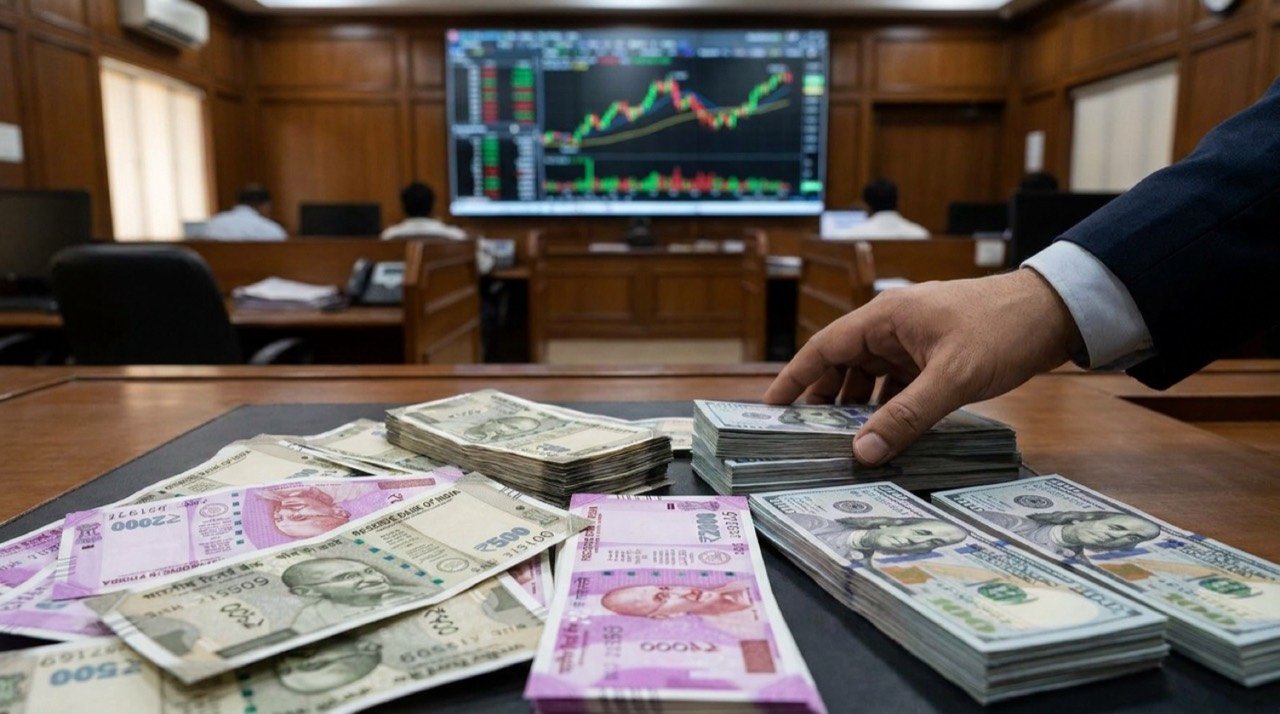
RBI Sells Nearly $9 Billion in April as Rupee Faces Sustained Pressure
The central bank's net dollar sales in the spot forex market signal another month of intervention to smooth volatility, with importer demand and West Asia uncertainty weighing on the rupee.

Rupee Claws Back To 94.55 As US-Iran Deal Hopes Ease Oil Fears
The rupee recovered to around 94.55 against the dollar by mid-June 2026, rebounding from a record low near 97 as reports of a US-Iran agreement to reopen the Strait of Hormuz lifted sentiment.
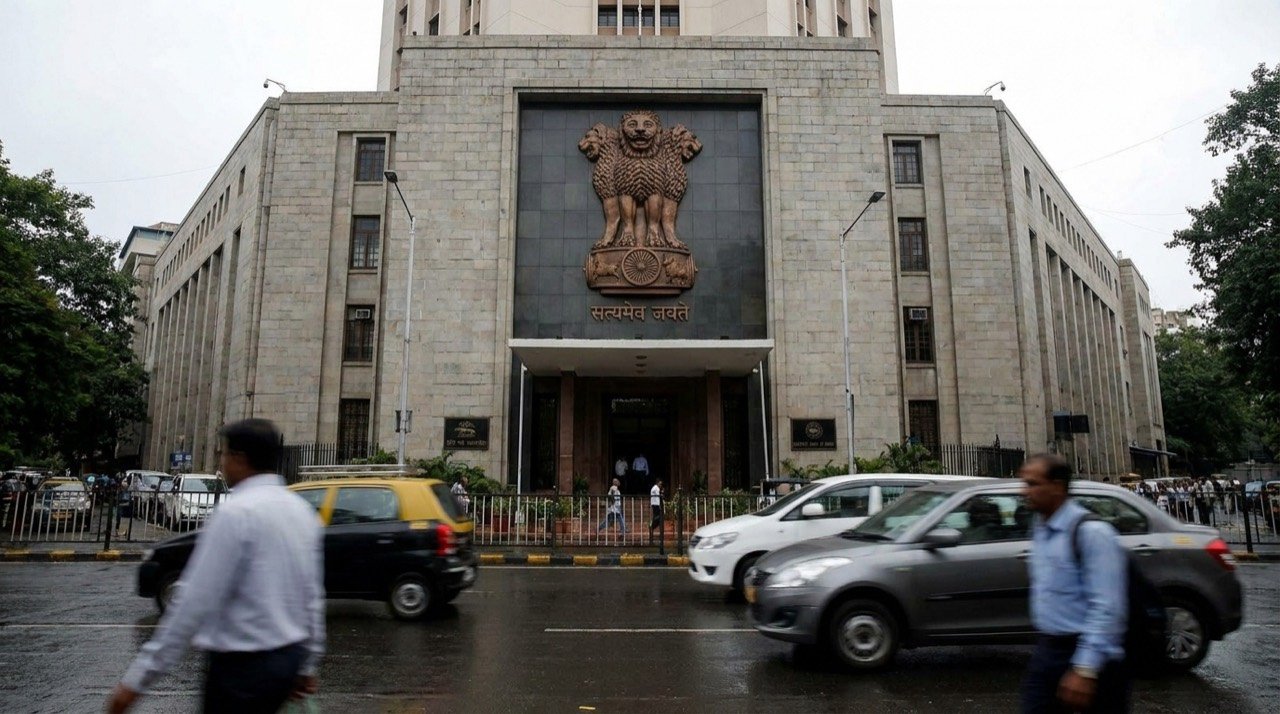
RBI Calls Rate-Hike Talk Premature, Rolls Out Liquidity Support As Rupee Steadies
The Reserve Bank moved to calm nerves in late June 2026, signalling that interest-rate hikes were premature and unveiling liquidity measures even as the rupee drew comfort from a softer crude outlook.
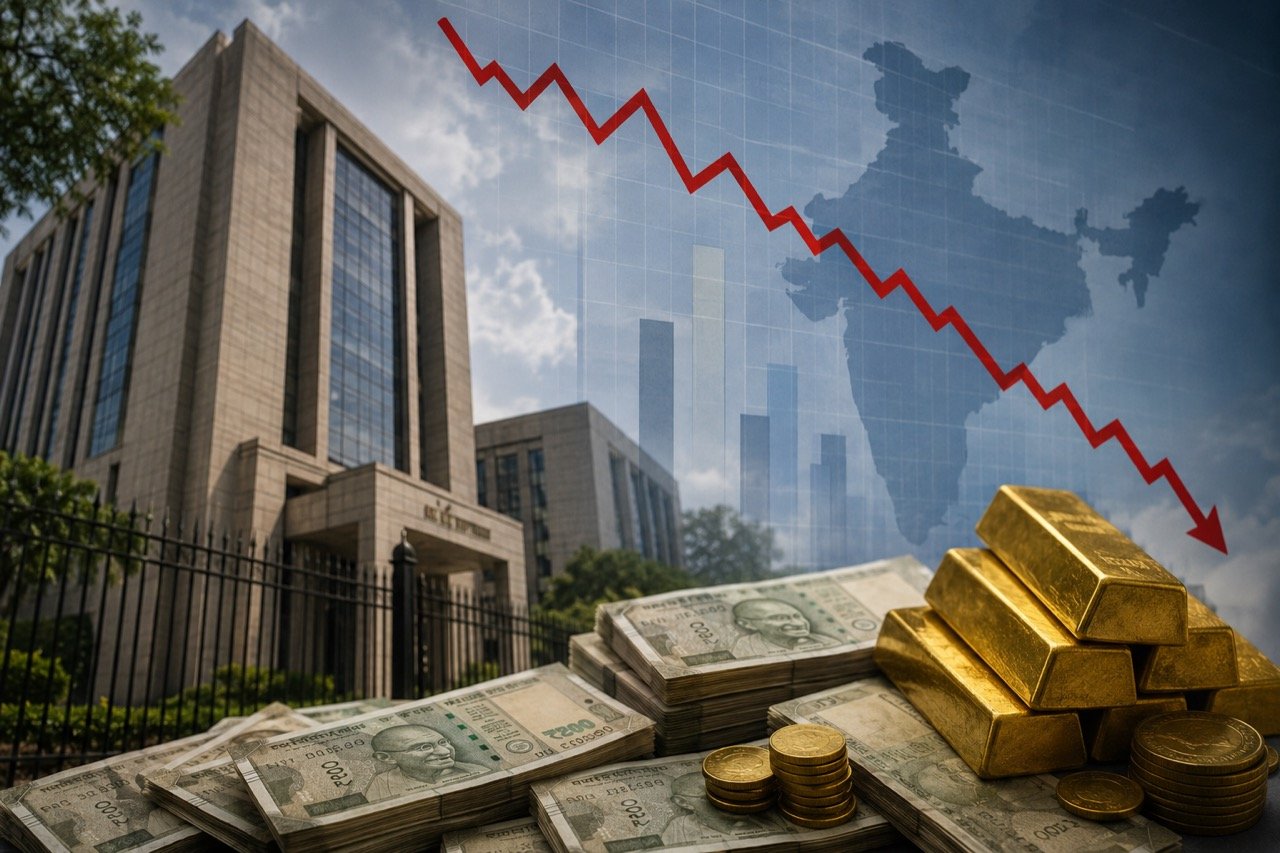
India's Forex Reserves Slip to 15-Month Low: Why the Buffer Matters
India's foreign exchange reserves have dropped to their lowest level in 15 months, narrowing the external buffer the RBI relies on to steady the rupee and reassure markets.
More from this section
More
Adani Case: US DOJ Pushes for Permanent Dismissal of Charges
The US Department of Justice has urged a judge to permanently dismiss charges against Gautam Adani, calling the case legally flawed — a reversal with consequences for markets, diplomacy and cross-border enforcement.

Akasa Air Inducts 40th Aircraft in Indian Aviation Scale-Up
Akasa Air's 40th aircraft, ferried to Bengaluru via Seattle, Reykjavik and Cairo, marks a fleet milestone for the young carrier and a fresh signal that India's aviation market remains firmly in expansion mode.

BARC Ratings Suspension Leaves Indian TV Industry Flying Blind
BARC's pause on television ratings has put India's broadcast measurement system under fresh scrutiny, leaving broadcasters, advertisers and media planners without the weekly audience data that anchors the TV economy.