PSLV Technology Transfer Opens a New Chapter for India's Private Space Firms
India's plan to hand proven PSLV rocket technology to private space companies could reshape the country's space economy, moving industry from parts supply to full launch capability.
Commentary & Analysis ·
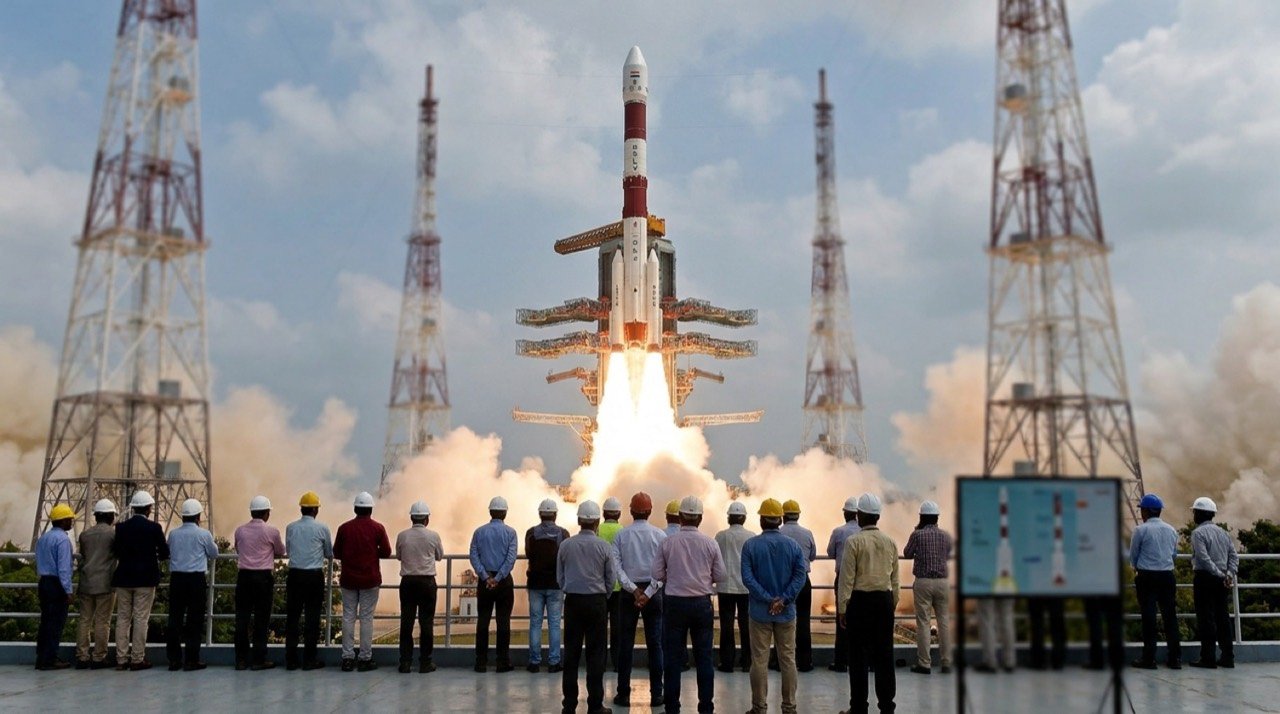
India is preparing to share the technology behind its workhorse Polar Satellite Launch Vehicle (PSLV) with private companies, a move that could redefine how the country builds and flies rockets. The decision marks one of the clearest signals yet that New Delhi wants industry to graduate from supplying nuts, bolts and sub-assemblies to owning the harder, higher-value work of integration and launch. For a sector that has long depended on the public-sector machinery built around the Indian Space Research Organisation (ISRO), it is a structural shift rather than a symbolic one.
From component supplier to launch operator
For decades, private firms in India served the space programme as vendors, machining parts and fabricating systems to ISRO's specifications while the agency retained control of design, assembly and launch. Transferring the PSLV's accumulated know-how aims to break that ceiling. Companies that gain access to a flight-proven design can, in principle, manufacture, integrate and eventually launch the vehicle commercially.
The PSLV is a logical starting point. It is among the most reliable launchers in the world, with a long record of orbiting Indian and foreign payloads, including the multi-satellite missions that earned it a global reputation. Handing over a mature platform lets industry build on a known quantity instead of absorbing the cost and risk of developing a rocket from scratch.
Why the learning curve matters
Rocketry is unforgiving, and the gap between drawing a design and reliably flying it is where most new entrants stumble. By transferring validated processes, tooling knowledge and quality protocols, the government can compress years of trial and error for Indian startups and established engineering houses alike. The intent is to let firms inherit decades of institutional learning rather than rediscover it failure by failure.
Crucially, officials have framed the handover around keeping safety and quality controls central. A flight-proven rocket carries an implicit promise of reliability that a private operator must not erode, which is why standards, audits and oversight are expected to travel alongside the technology itself.
What it means for the space economy
The transfer fits a broader policy push to expand India's commercial space footprint and capture a larger share of the global launch market. A domestic ecosystem capable of building and flying its own vehicles could attract investment, create skilled jobs and reduce the cost of putting Indian satellites into orbit.
- Access to a flight-proven design lowers the barrier to entry for private launch ventures.
- Industry can move up the value chain from components to integration and launch services.
- Safety, quality and certification controls remain central to the handover.
- A stronger commercial launch base could pull in private capital and global customers.
- ISRO is freed to focus on more advanced and exploratory missions.
“Sharing a proven launcher with industry is less about offloading a rocket and more about building an ecosystem that can stand on its own.”
— Space policy analyst
The road ahead will test how cleanly knowledge can move from a government agency to commercial hands without diluting the discipline that made the PSLV dependable. If the transfer holds its safety guarantees while genuinely empowering private players, India could enter a phase in which launches are routine industrial activity rather than a state monopoly. The coming months, as terms and recipients firm up, will show whether the policy translates into rockets on the pad.
The NE Times View
This is the logical next step after ISRO's reforms, and a genuinely consequential one. Handing a flight-proven workhorse to private players lets ISRO focus on deep space while industry builds a commercial launch business. The catch is execution: technology transfer means little without skilled manpower, capital and a steady order book. Done right, it could anchor India as a serious low-cost launch provider rather than just a parts supplier.
This article is original commentary and analysis by The NE Times. Background facts were referenced from Business Standard and ISRO.
You may also like to read

India Moves to Share Rocket Technology With Private Space Firms
The government is preparing to transfer proven rocket technology to local private space companies, a step that could deepen industry participation in launch vehicles, satellites and manufacturing while ISRO retains strategic oversight.

Skyroot Vikram-1: Mission Aagaman and India's Private Space Race
Fresh updates on Skyroot Aerospace's Vikram-1 rocket and Mission Aagaman have renewed attention on India's private space ecosystem and the wait for the country's first private orbital-class launch.

India Backs Homegrown Space Tech With First Technology Adoption Fund Grants
Space regulator IN-SPACe has picked TakeMe2Space, SatSure and Astrobase for its maiden funding round, spotlighting an AI-powered star tracker built in Hyderabad.
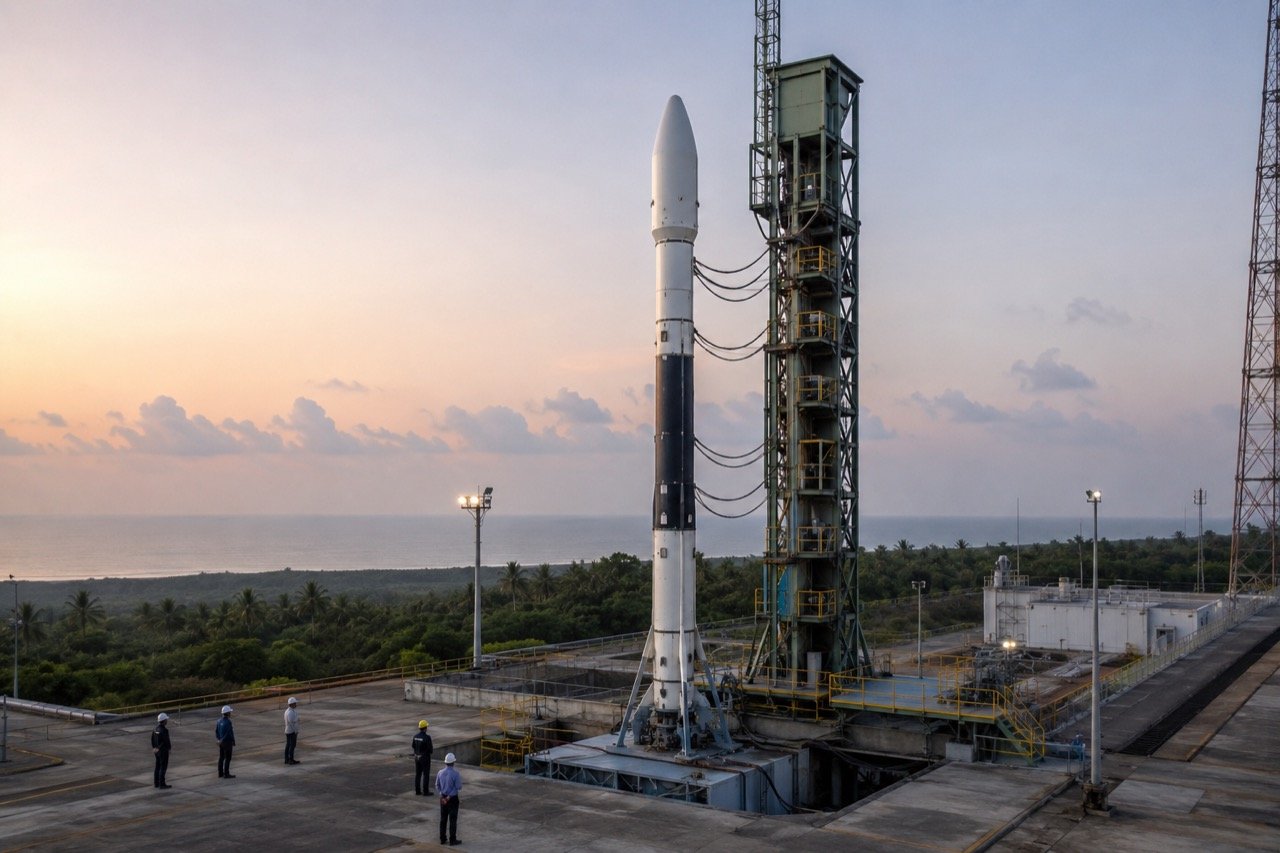
Vikram-1 Countdown: India's First Private Orbital Rocket Nears Lift-Off
Skyroot Aerospace has stacked its Vikram-1 rocket at Sriharikota with a launch window from July 12 to August 4, putting India's private space ambitions on the pad for the first time.
More from this section
More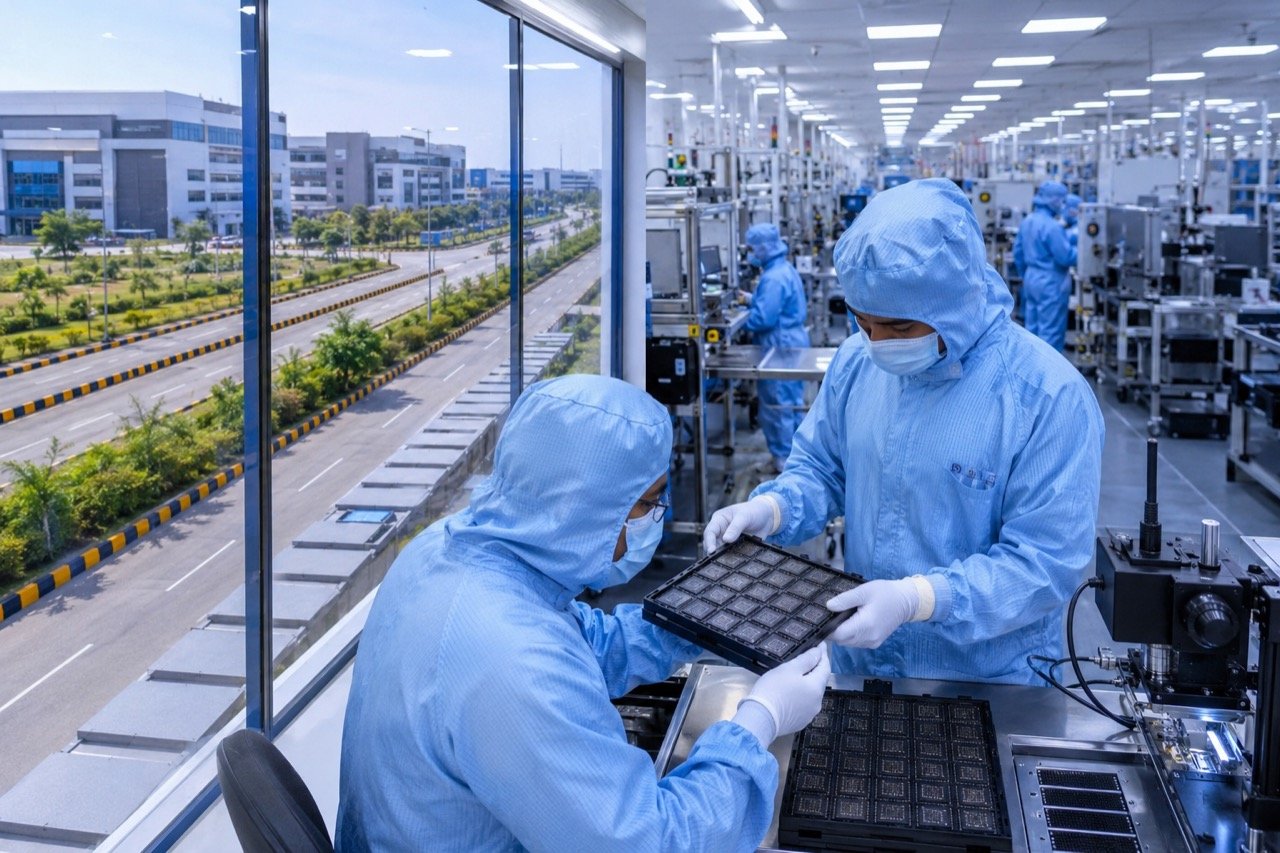
CG Semi Sanand Plant Opens, Boosting India's Semiconductor Drive
Prime Minister Narendra Modi inaugurated CG Semi's chip assembly and test facility in Sanand, Gujarat, giving India's semiconductor mission a working manufacturing milestone rather than another policy promise.

Chinese E-Rickshaw Apps Banned in India Over Remote Disable Risk
The Centre has ordered the removal of three Chinese apps — BAT-BMS, Lossigy and Epoch-i-ion — over fears they could remotely disable battery-run e-rickshaws, turning mobility software into a public safety concern.

Connected Car Rules: India Plans Vehicle Software Update Norms
With cars increasingly run by software, the government is reportedly preparing update and security norms aimed at preventing vehicle hijacking and governing how connected cars in India are patched and protected.