PM Modi Begins Ghana, Trinidad and Argentina Tour on July 6
Prime Minister Narendra Modi departs on July 6 for a three-nation tour of Ghana, Trinidad and Tobago and Argentina, folding Africa, the Caribbean and Latin America into one diplomatic push.
Commentary & Analysis ·
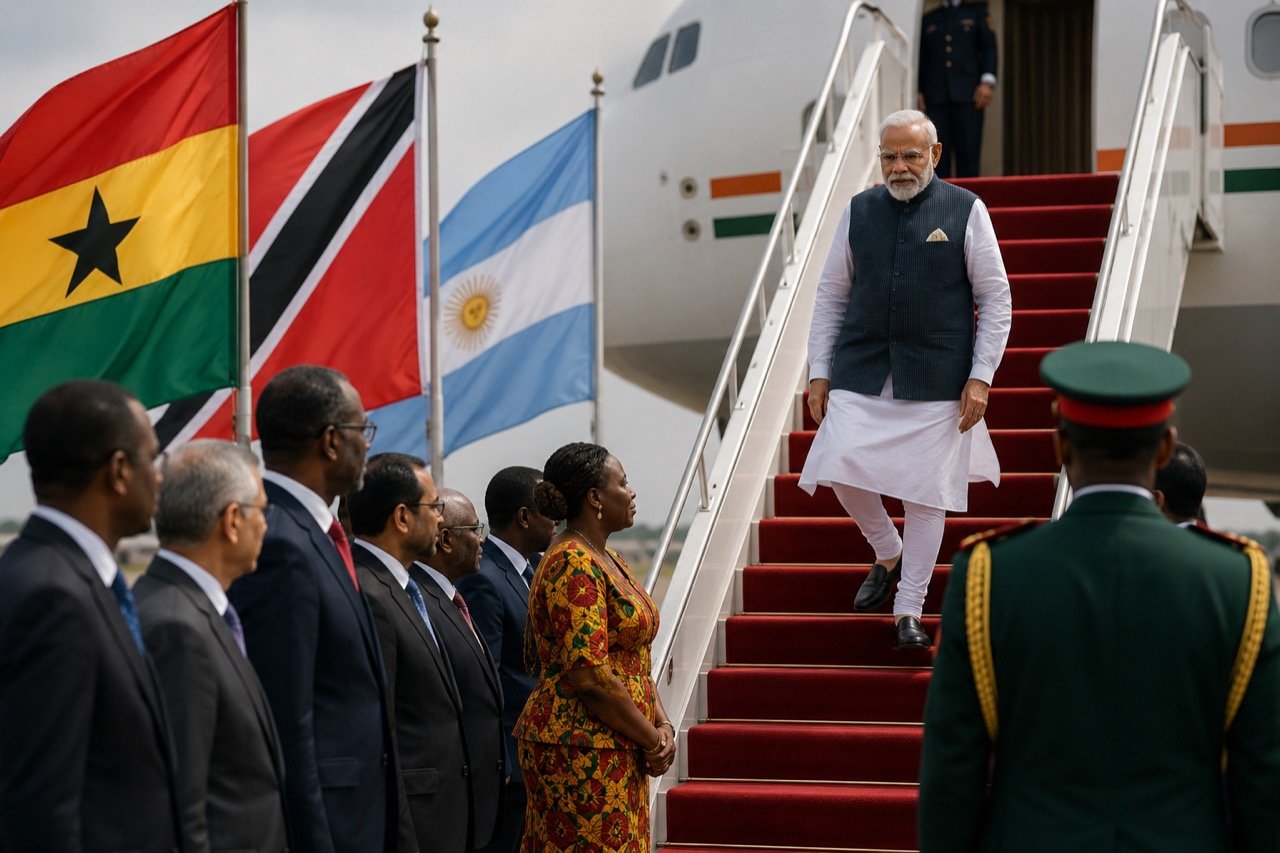
Prime Minister Narendra Modi set off on July 6 on a three-nation tour taking in Ghana, Trinidad and Tobago and Argentina, a journey that stitches together three regions India has been courting with growing intent. The itinerary, reported by Hindustan Times, places Africa, the Caribbean and Latin America within a single diplomatic frame. On the surface, such tours can look like a scattershot collection of stops chosen for symbolic reasons. Looked at more carefully, though, the sequencing reveals a coherent strategy: three continents, three very different rationales, and one overarching aim of widening India's circle of partners beyond the relationships that usually dominate headlines.
Why these three stops matter
Each leg of the trip carries its own logic, and understanding that logic is the key to reading the tour correctly. Ghana offers India a partner on a continent where it is competing for influence, resources and markets, alongside other major powers that have been investing heavily in African infrastructure, trade and diplomatic ties for years. For India, a stop in Accra is not merely ceremonial; it is a marker of intent in a contest for African goodwill that has direct consequences for access to minerals, markets and votes in multilateral bodies.
Trinidad and Tobago is home to a large and long-established Indian-origin diaspora, making it a natural stage for cultural and people-to-people outreach. Diaspora diplomacy of this kind serves a dual purpose: it reinforces emotional and cultural bonds with communities that trace their roots to India, while also opening doors to soft-power gains that can, over time, translate into economic and political goodwill. Such visits tend to generate warmth and visibility even when they do not yield formal agreements, which is precisely why they are often built into tours as a reliable, lower-risk component.
Argentina anchors the tour in Latin America, a region increasingly relevant to India's energy, food security and critical minerals conversations. Latin America's growing importance to India is tied to resource security in a way that is less visible to the public than diaspora outreach, but arguably more consequential in the long run. Argentina, in particular, sits within the so-called lithium triangle and has agricultural export capacity that speaks directly to India's need for reliable, diversified sources of food and critical inputs for its manufacturing and energy transition ambitions.
What observers will be watching for
Foreign visits of this kind are ultimately judged by what they produce: agreements signed, investment commitments, diaspora engagement and joint statements on global governance. Observers will be watching each capital for concrete announcements rather than ceremony alone. This is an important distinction, because state visits routinely generate photographs, banquets and warmly worded joint statements that carry little binding weight. The real test lies in whether any of the three stops yields something durable, such as a memorandum of understanding on critical minerals, a trade facilitation measure, or a defence or energy cooperation framework that can be pointed to months or years later as tangible outcome.
There is also a symbolic dimension worth noting. By visiting three countries that rarely feature together in a single prime ministerial itinerary, India signals to a wider audience of Global South nations that it sees value in relationships that are not solely transactional or dictated by great-power competition. That signal, even before any agreement is inked, has its own diplomatic currency.
The Global South thread
The tour also fits a broader pattern in Indian diplomacy: a deliberate effort to diversify partnerships beyond the relationships that dominate headlines, and to position India as a leading voice of the Global South. Bundling an African, a Caribbean and a Latin American stop into one journey underlines that ambition. This is consistent with India's recent posture in international forums, where it has repeatedly sought to present itself as a bridge between developed economies and developing nations, rather than as a junior partner to any single bloc.
For countries like Ghana, Trinidad and Tobago and Argentina, engagement with India offers an alternative avenue for investment, technology transfer and diplomatic support that does not come bundled with the same expectations attached to relationships with other major powers. That is precisely the appeal India is trying to cultivate: a reputation as a partner that adds options rather than constraints. The next meaningful signals will come from the official meetings and any pacts unveiled as the visit unfolds, and it is those specifics, rather than the itinerary itself, that will determine whether the tour is remembered as substantive or merely symbolic.
Stakeholder perspectives
From New Delhi's vantage point, the tour is an opportunity to demonstrate that Indian foreign policy has geographic range beyond its immediate neighbourhood and its dealings with major powers. From the perspective of the host nations, the visit is a chance to attract Indian investment and diplomatic attention at a time when many Global South economies are seeking to diversify their external partnerships rather than rely on a narrow set of traditional patrons. For the Indian diaspora in Trinidad and Tobago, the visit carries a more personal resonance, reaffirming a connection to the country of origin that has been sustained across generations despite geographic distance.
Domestic audiences in India, meanwhile, will likely view the trip through the lens of stature and reach, seeing it as evidence that India's diplomatic footprint continues to expand. Critics and independent observers, however, are more likely to reserve judgment until the substance of any agreements becomes clear, given the well-known tendency for such multi-nation tours to generate goodwill without matching follow-through.
The NE Times View
This tour is less about any single deliverable and more about the map it draws. India's foreign policy has long been judged by its handling of the big powers, but its next decade of growth depends heavily on partners like Ghana, Trinidad and Tobago and Argentina — sources of minerals, energy, food and goodwill in multilateral forums. The diaspora stop in Port of Spain is smart soft power; the Buenos Aires leg is hard-nosed economics. The test for New Delhi is follow-through: too many Global South visits produce warm communiqués and thin implementation. If even one substantive economic agreement emerges, the trip will have earned its air miles.
What should temper both excitement and cynicism is a recognition that diplomacy of this kind operates on different timeframes. A single visit rarely produces an immediate economic transformation, but it can lay groundwork — personal rapport between leaders, working-level contacts between ministries, and public commitments that create pressure for follow-through — that pays off only in subsequent years. Judging the trip purely on what is announced during the visit itself may therefore understate its eventual significance, just as uncritical acclaim would overstate its immediate impact.
Key takeaways
- PM Modi's three-nation tour beginning July 6 covers Ghana, Trinidad and Tobago and Argentina, spanning Africa, the Caribbean and Latin America in one itinerary.
- Each stop serves a distinct purpose: Ghana for African market and resource access, Trinidad and Tobago for diaspora and cultural outreach, and Argentina for energy, food security and critical minerals ties.
- The tour reflects India's broader push to diversify its partnerships and position itself as a leading voice of the Global South.
- Success will be measured by concrete agreements and investment commitments rather than ceremonial joint statements.
- The NE Times View holds that the trip's real test is follow-through, since Global South visits often produce warm words but limited implementation.
You may also like to read
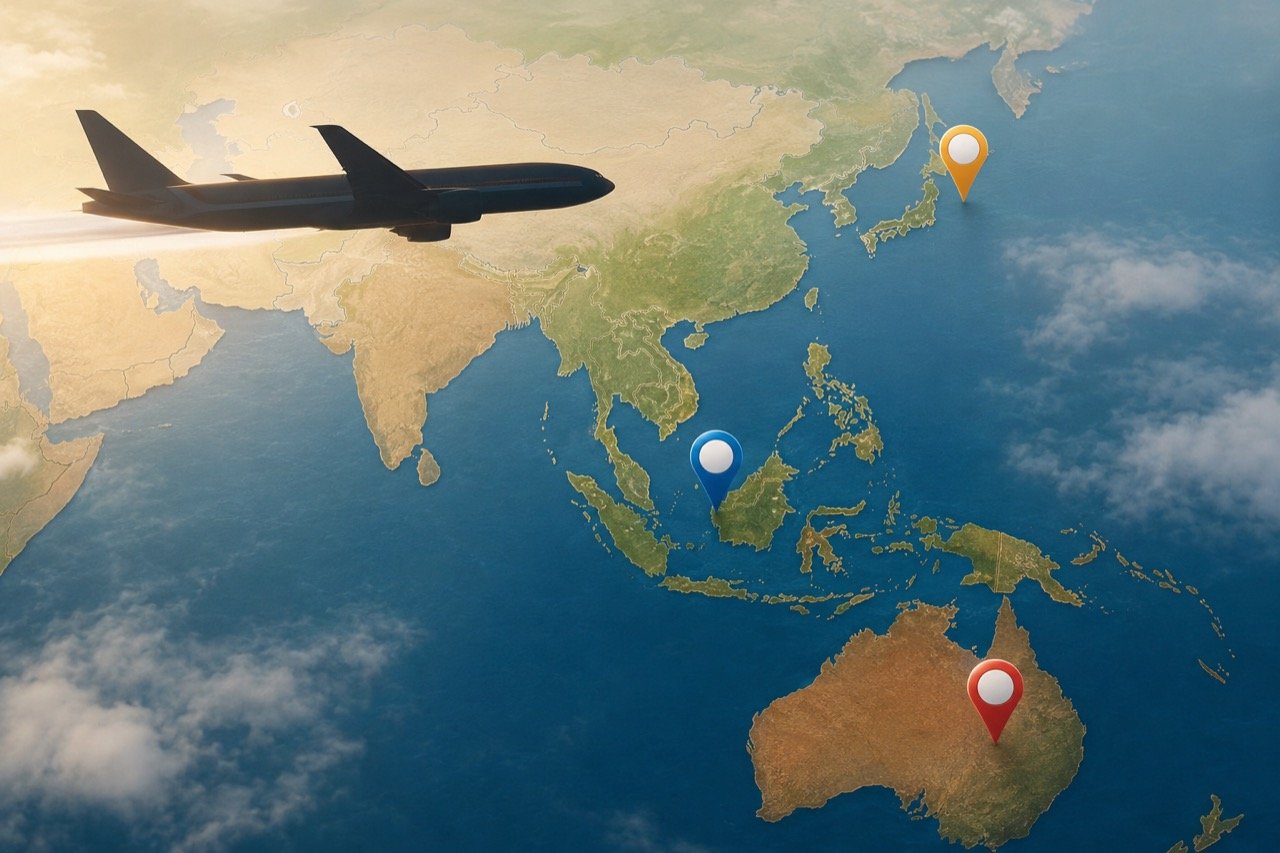
PM Modi Begins Three-Nation Indo-Pacific Tour on July 6
Prime Minister Narendra Modi travels to Indonesia, Australia and New Zealand from July 6 to 11 in a trip New Delhi frames as a concerted push to deepen India's strategic footprint across the Indo-Pacific.
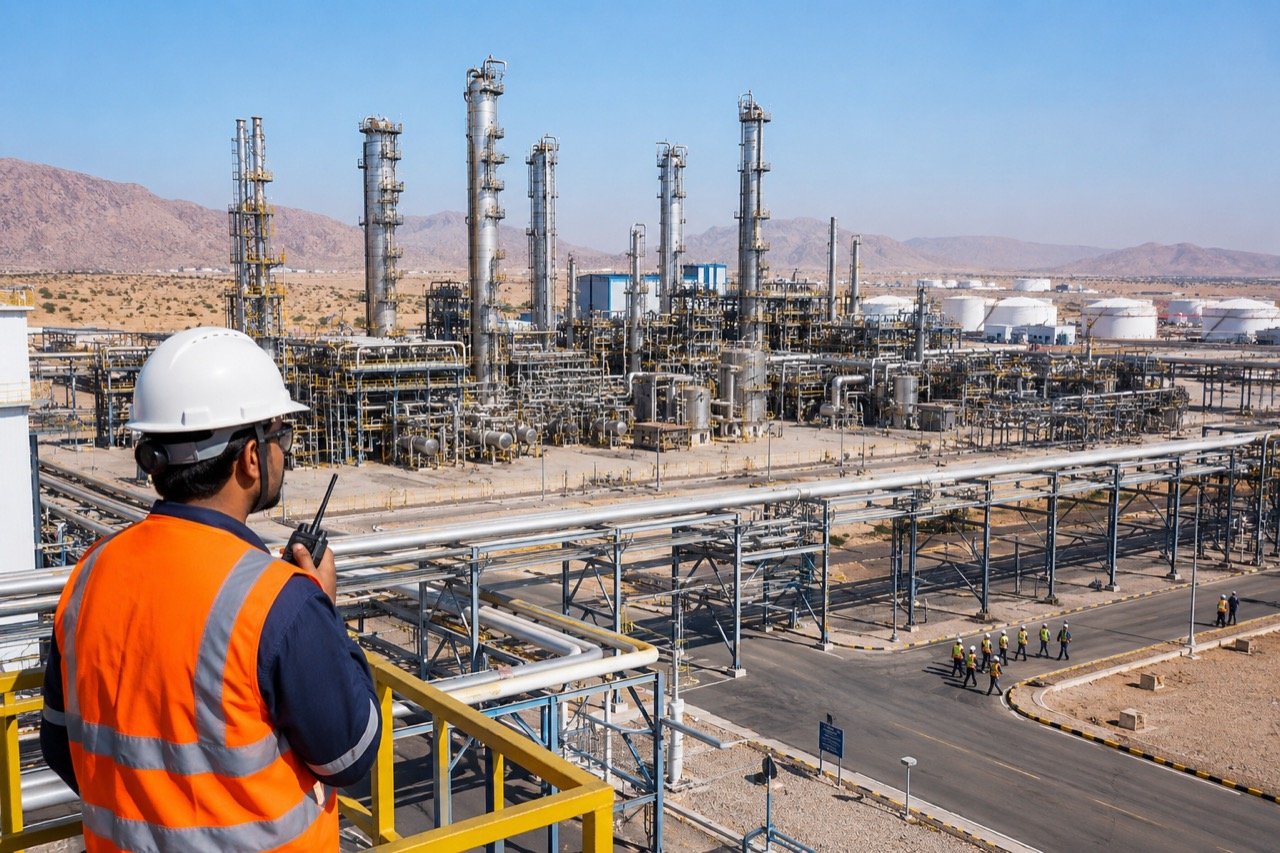
Modi Opens Pachpadra Refinery: Energy Security and Jobs at Stake
Prime Minister Narendra Modi has inaugurated the HPCL Rajasthan Refinery at Pachpadra, a mega project that puts India's energy security, industrial investment and regional employment squarely in the spotlight.
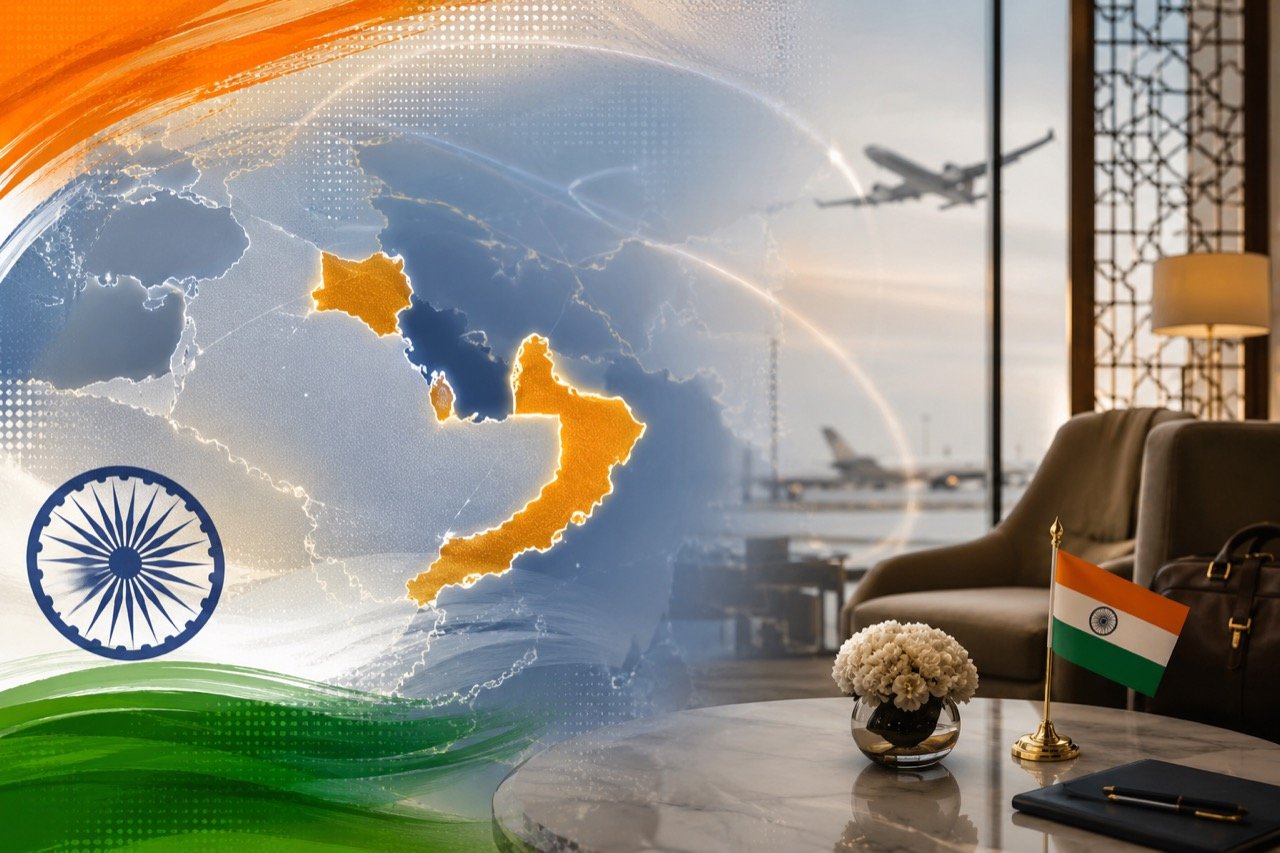
Jaishankar Begins Four-Nation Gulf Tour as India Deepens West Asia Ties
External Affairs Minister S Jaishankar's July 5-10 visit to Qatar, Bahrain, Kuwait and Oman opens a packed diplomatic week, underscoring how central the Gulf has become to India's energy, trade and diaspora interests.
India-Japan Summit Likely to Shift From Guwahati to Delhi
Japanese Prime Minister Sanae Takaichi's proposed Guwahati leg has reportedly been dropped, with her summit with Narendra Modi now expected in New Delhi over logistics and protocol concerns.
More from this section
More
AICTE Industry Fellowship 2026: Rs 1.5 Lakh Scheme Closes July 5
The AICTE Industry Fellowship Programme 2026, which places technical-education faculty inside leading companies on a Rs 1.5 lakh monthly stipend, reached its application deadline on July 5.
Bay of Bengal Low Pressure System Revives Monsoon Over Western India
A low-pressure system over the Bay of Bengal has pushed the monsoon back into an active phase, bringing steady heavy rain to Kerala, coastal Karnataka and Maharashtra, and putting Mumbai and Pune on preparedness watch.
Bishnoi Gang Suspects Injured in Haryana Encounter as Police Tighten Net
A joint Haryana-Delhi Police operation in Bahadurgarh left two suspected Lawrence Bishnoi gang members injured, spotlighting the multi-state coordination now central to India's fight against organised crime networks.