Modi Opens Pachpadra Refinery: Energy Security and Jobs at Stake
Prime Minister Narendra Modi has inaugurated the HPCL Rajasthan Refinery at Pachpadra, a mega project that puts India's energy security, industrial investment and regional employment squarely in the spotlight.
Commentary & Analysis ·
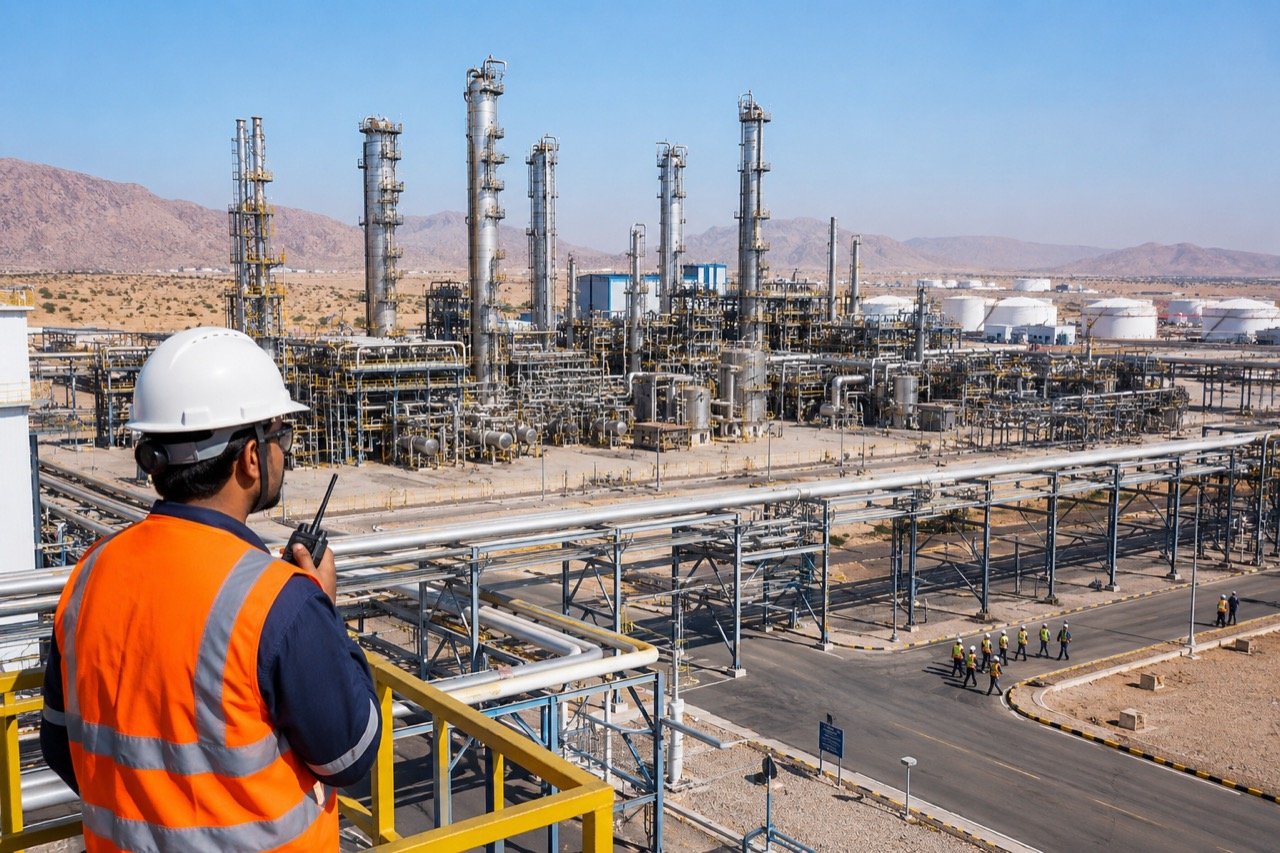
Prime Minister Narendra Modi's visit to Pachpadra to inaugurate the HPCL Rajasthan Refinery marks one of the most consequential industrial launches of the year, placing energy security, investment flows and job creation in western Rajasthan at the centre of the national conversation. A project of this scale, in a region historically starved of large-scale industry, inevitably invites both celebration and scrutiny, and both responses are warranted at this stage.
Why a refinery launch matters
Large refineries sit at the heart of the modern economy. They anchor fuel supply chains, feed petrochemical industries, drive logistics networks and generate substantial state revenue. According to reporting by NDTV, the Pachpadra project is expected to strengthen India's energy security while opening new economic opportunities across Rajasthan. This is not a marginal claim. Refining capacity determines how exposed a country is to global crude price shocks and supply disruptions, and every barrel refined domestically is one less unit of vulnerability in the national energy account. For a state like Rajasthan, which has traditionally been associated with agriculture, tourism and mining rather than heavy industry, a refinery of this magnitude represents a structural shift in its economic identity.
The scale of the project has drawn attention in its own right, with the complex reportedly using vastly more steel than iconic global landmarks. Such comparisons, while somewhat theatrical, do serve a purpose: they communicate to a lay audience the sheer physical ambition of the undertaking, the scale of engineering coordination required, and the scope of the construction economy it has sustained over the build period, from steel fabrication to specialised contracting to logistics.
But beyond headline capacity figures, the real measure of the refinery will be what it changes on the ground: local hiring, roads and services, opportunities for small contractors, and the industrial clustering that tends to follow major petrochemical hubs. It is one thing to inaugurate a facility with impressive statistics; it is quite another to embed that facility meaningfully into the economic life of the district around it. Barmer and its surrounding areas will be watching not the ribbon-cutting ceremony itself, but what follows in its wake over the coming years.
Balancing fossil fuels and the energy transition
The launch arrives at a delicate moment for Indian energy policy. The country must meet surging transport and industrial fuel demand today while honouring long-term clean-energy commitments. This is not a contradiction unique to India; every major economy attempting an energy transition faces the same tension between present-day fuel needs and future decarbonisation targets. Refining capacity remains indispensable for the current economy, which is precisely why such projects are both economically significant and politically visible. A government that champions renewable energy targets on one hand and inaugurates a major fossil-fuel refinery on the other is not necessarily being inconsistent; it is managing a transition that, realistically, will take decades rather than years to complete.
That said, the coexistence of these two policy tracks demands honesty about trade-offs. Refineries built today will operate for decades, embedding fossil-fuel infrastructure and associated employment patterns well into a period when clean-energy alternatives are expected to mature. Policymakers and industry planners will need to grapple with how facilities like Pachpadra fit into India's longer-term climate commitments, and whether downstream investment can eventually diversify into less carbon-intensive petrochemical applications.
What happens after the ribbon is cut
The more important story begins after the ribbon is cut. Operational timelines, environmental safeguards, the pace of local employment, downstream petrochemical investment and the delivery of promised regional benefits will all determine whether Pachpadra becomes a genuine engine of growth or a stranded showpiece. History offers examples of both outcomes across India's industrial landscape: projects that catalysed genuine regional transformation, and others that remained isolated enclaves generating limited local benefit despite grand inaugurations.
For a project of this size, the operational ramp-up phase is often as complex as the construction itself. Refineries require skilled technical staff, robust supply chains for crude feedstock, and reliable offtake arrangements for refined products. Any delays or shortfalls in these areas can blunt the economic impact that was promised at launch. Equally, the extent to which local residents of Barmer district are hired into skilled, semi-skilled and unskilled roles, rather than the workforce being imported wholesale from elsewhere, will be a critical determinant of whether the project delivers on its promise of regional upliftment.
Stakeholders with a direct interest in the outcome
Several distinct constituencies have a stake in how Pachpadra performs over time. Local residents and youth in Barmer and surrounding districts are looking for durable employment, not just short-term construction jobs that vanish once the facility is operational. Small and medium contractors in the region stand to benefit if the refinery's ongoing maintenance, logistics and ancillary services are sourced locally rather than centralised elsewhere. State and central government officials have a political stake in demonstrating that flagship industrial projects translate into visible, measurable regional development, particularly given the scrutiny that accompanies any project of this scale and prominence. Investors, meanwhile, will be watching whether the downstream petrochemical clustering that often follows major refineries actually materialises in Rajasthan, or whether the state remains a single-site host rather than an emerging industrial corridor.
The NE Times View
India needs projects like the Pachpadra refinery, but it needs them to work, not merely to be inaugurated. The true test is not the launch-day spectacle but the decade that follows: whether Barmer's youth find durable jobs, whether environmental commitments survive commercial pressure, and whether downstream industry actually clusters around the complex. Voters and investors alike should judge this project on audited outcomes, not announcements. If the government pairs the refinery with transparent monitoring and honest reporting of local benefits, it could become a template for how India industrialises its interior. Absent that transparency, however, even the most impressive engineering achievement risks becoming another cautionary tale about the gap between inauguration rhetoric and lived regional reality.
Key takeaways
- The HPCL Rajasthan Refinery at Pachpadra is positioned as a major boost to India's energy security and to economic opportunity across Rajasthan.
- The project's scale, reportedly involving more steel than several iconic global landmarks, reflects the scale of engineering and construction activity involved.
- The refinery's true impact will be determined by post-launch factors: local hiring, environmental safeguards, downstream petrochemical investment and regional service delivery.
- The project sits at the intersection of India's immediate fossil-fuel needs and its longer-term clean-energy commitments, a tension that will persist for years.
- The NE Times will judge Pachpadra on audited outcomes over the coming decade, not on the inauguration itself, and calls for transparent monitoring of local benefits.
You may also like to read

PM Modi Begins Three-Nation Indo-Pacific Tour on July 6
Prime Minister Narendra Modi travels to Indonesia, Australia and New Zealand from July 6 to 11 in a trip New Delhi frames as a concerted push to deepen India's strategic footprint across the Indo-Pacific.

PM Modi Begins Ghana, Trinidad and Argentina Tour on July 6
Prime Minister Narendra Modi departs on July 6 for a three-nation tour of Ghana, Trinidad and Tobago and Argentina, folding Africa, the Caribbean and Latin America into one diplomatic push.

Maharashtra Clears AI Policy 2026, Targeting Rs 10,000 Crore And 1.5 Lakh Jobs
The Fadnavis cabinet has approved an ambitious artificial intelligence framework promising centres of excellence, innovation cities, a GPU pool and a startup fund to position the state at the front of India's AI race.
Modi's Balotra Push: Rs 1.06 Lakh Crore Projects and Energy Message
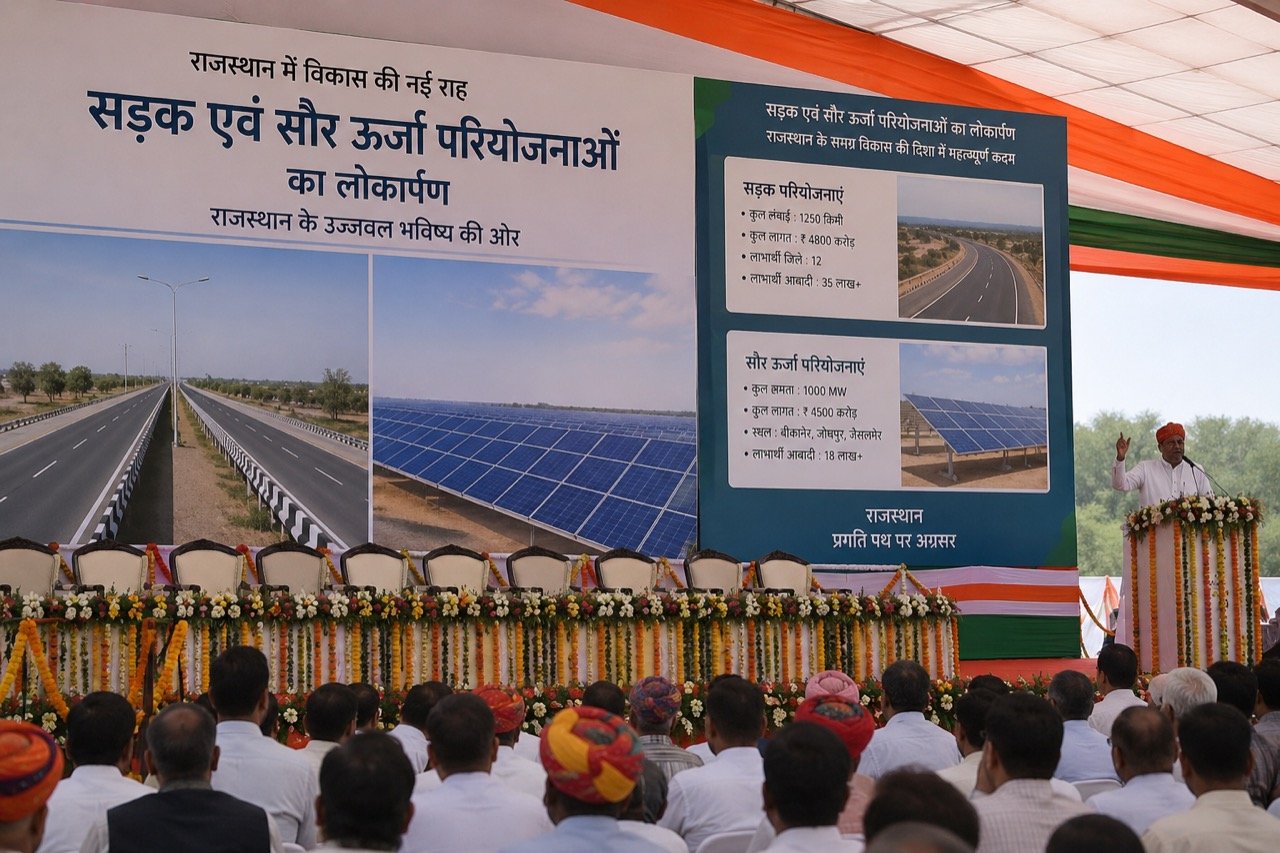
Prime Minister Narendra Modi's visit to Balotra in Rajasthan paired development projects worth around Rs 1.06 lakh crore with remarks crediting India's diplomacy for steering the country through West Asia-linked energy pressures.
More from this section
More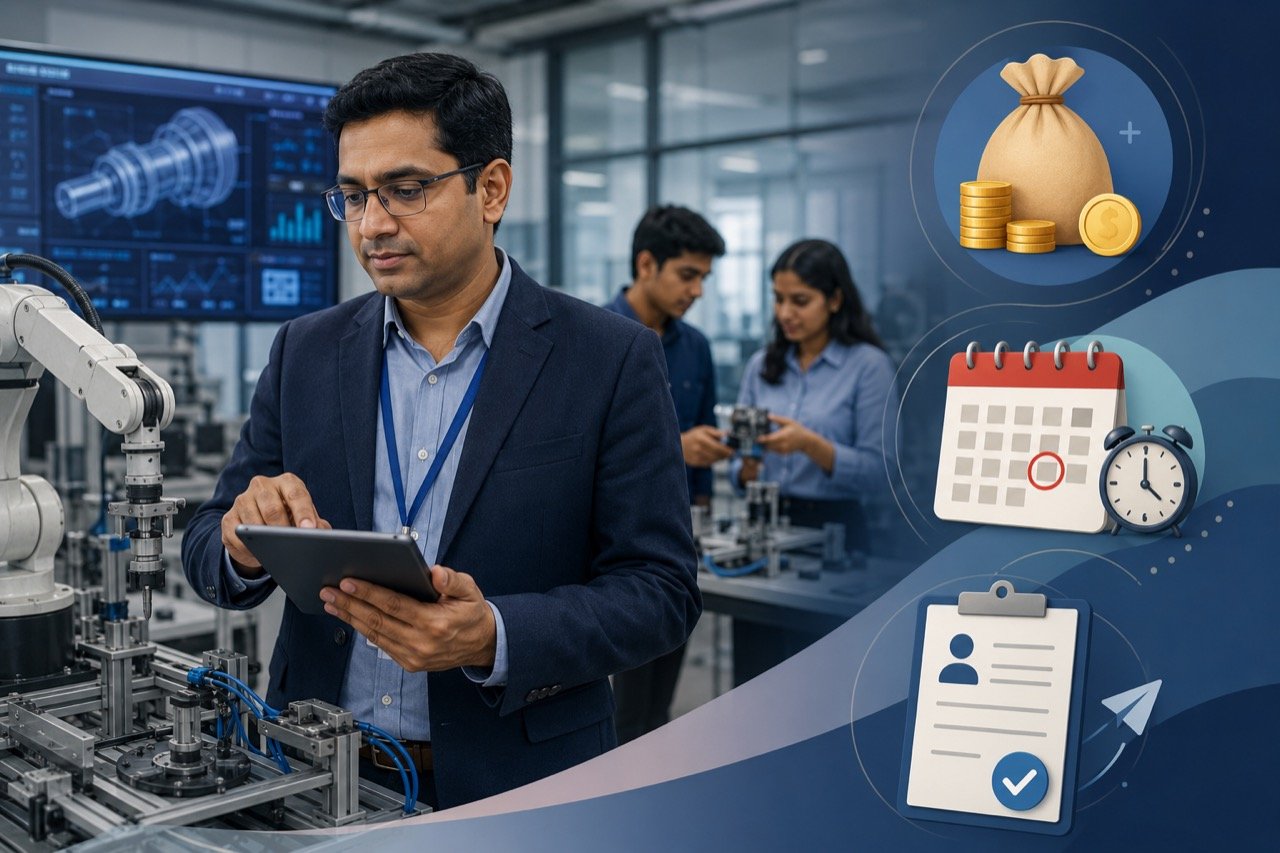
AICTE Industry Fellowship 2026: Rs 1.5 Lakh Scheme Closes July 5
The AICTE Industry Fellowship Programme 2026, which places technical-education faculty inside leading companies on a Rs 1.5 lakh monthly stipend, reached its application deadline on July 5.
Bay of Bengal Low Pressure System Revives Monsoon Over Western India
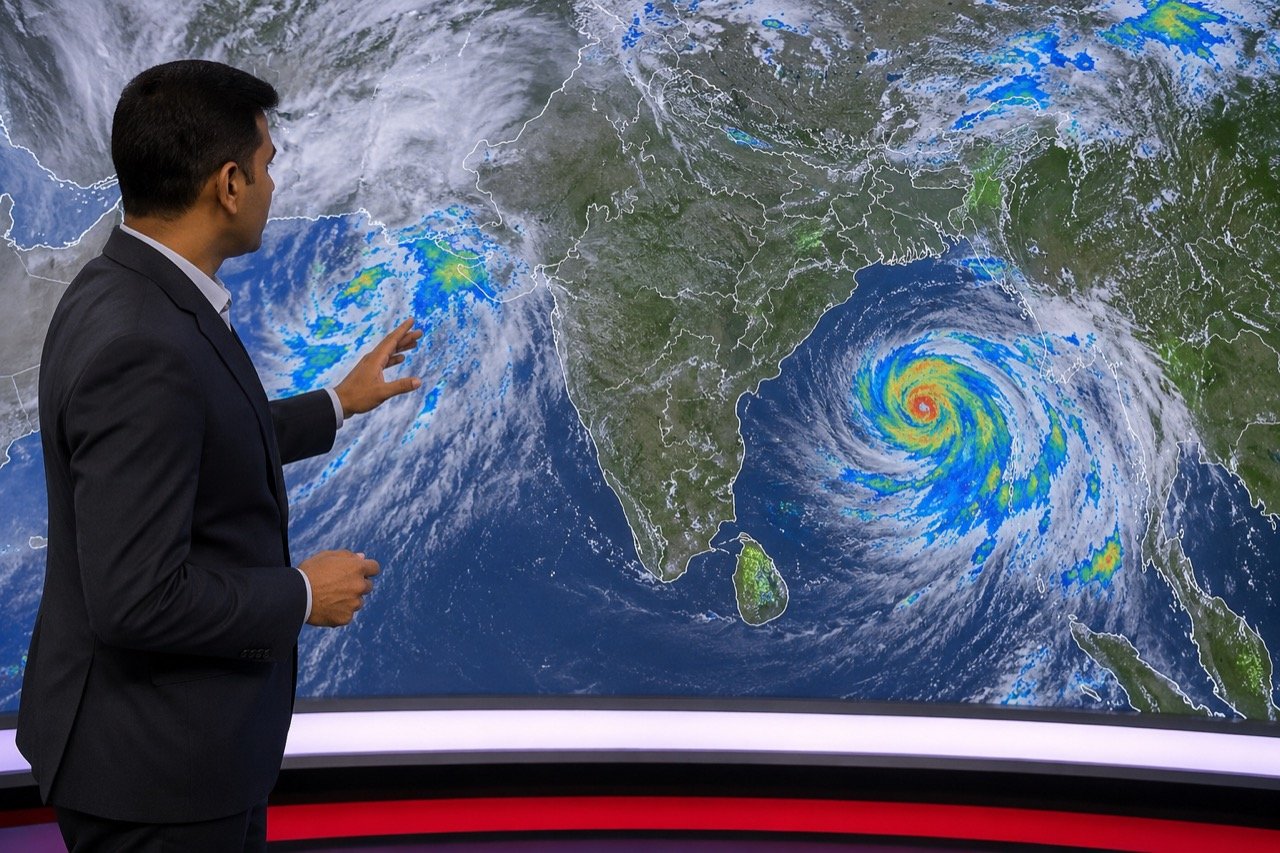
A low-pressure system over the Bay of Bengal has pushed the monsoon back into an active phase, bringing steady heavy rain to Kerala, coastal Karnataka and Maharashtra, and putting Mumbai and Pune on preparedness watch.
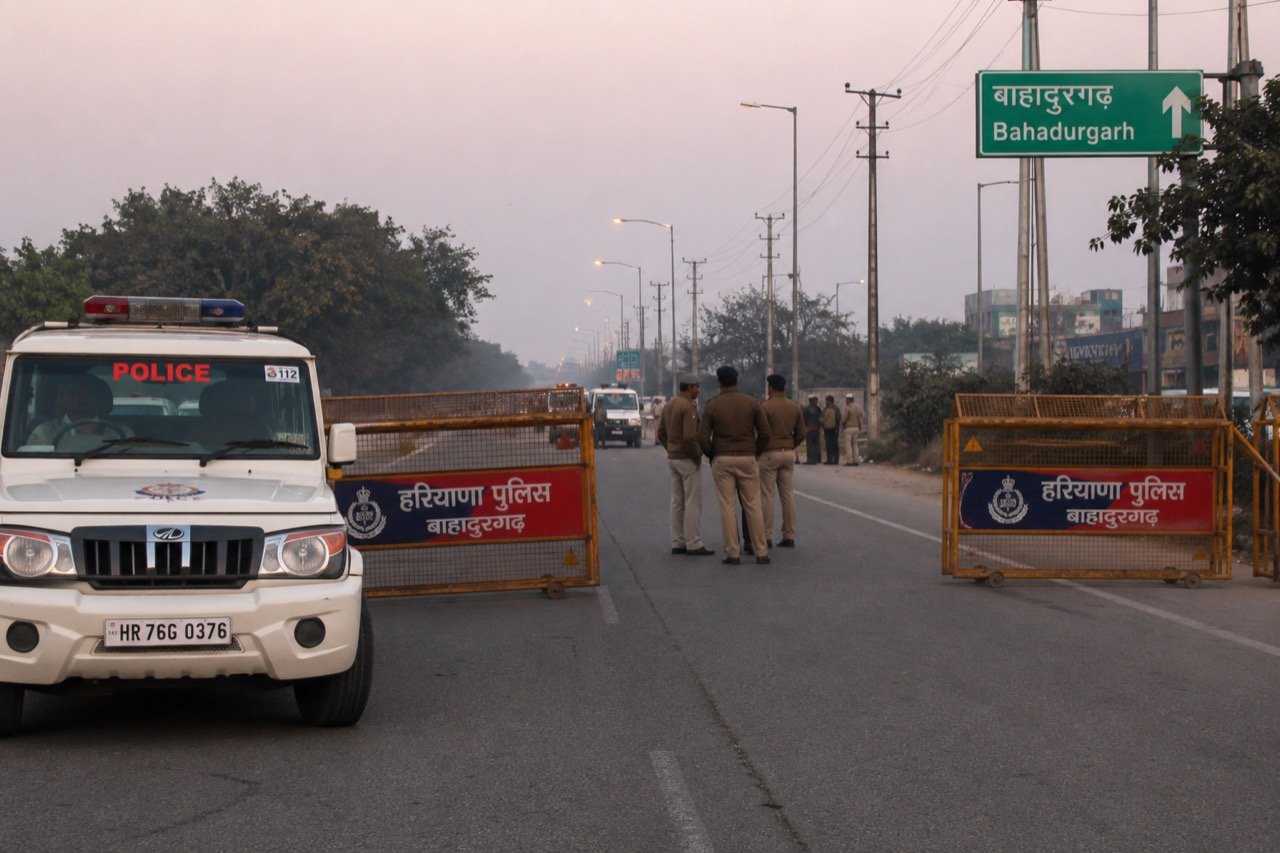
Bishnoi Gang Suspects Injured in Haryana Encounter as Police Tighten Net
A joint Haryana-Delhi Police operation in Bahadurgarh left two suspected Lawrence Bishnoi gang members injured, spotlighting the multi-state coordination now central to India's fight against organised crime networks.