Odisha SIR: 20 Lakh Voter List Deletions Spark Opposition Alarm
Odisha's special intensive revision has placed electoral-roll accuracy under scrutiny after officials reported roughly 20 lakh deletions from the draft voter list and opposition parties raised fears of wrongful exclusion.
Commentary & Analysis ·
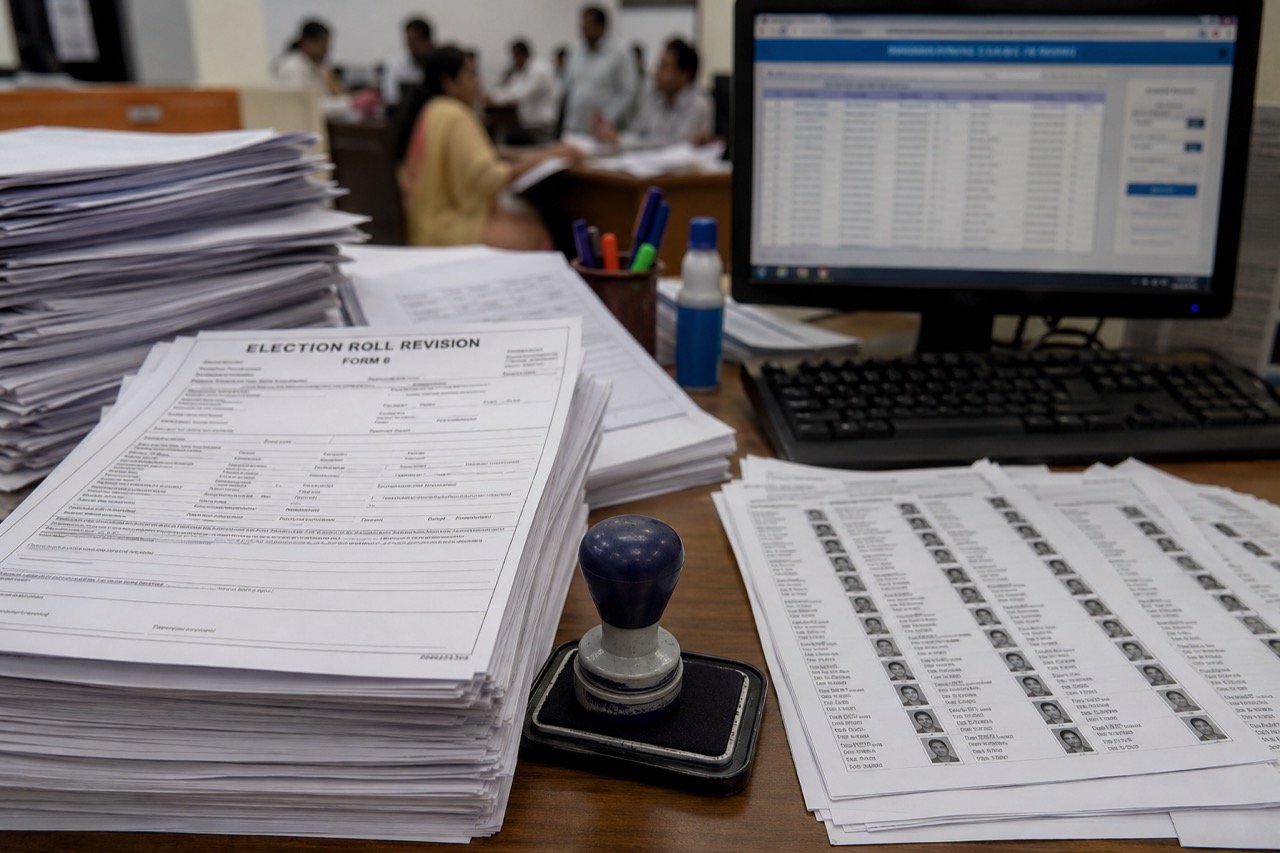
Odisha's draft voter list has recorded roughly 20 lakh deletions under the special intensive revision (SIR) process, the Indian Express reported on July 5. Election officials have attributed the removals to a familiar set of categories: deceased voters, people who had shifted residence, those absent during verification visits, and duplicate enrolments. On paper, this is routine electoral housekeeping. In practice, a deletion figure of this scale in a single state has immediately drawn attention from opposition parties, who worry that the exercise may have swept up genuine, eligible voters along with the entries it was meant to clean up.
Why a number this large invites scrutiny
Twenty lakh names is not a trivial adjustment to any state's electoral rolls. Even if every category cited by officials, death, migration, absence, duplication, is legitimate in principle, the sheer volume raises an obvious question: how was each individual case verified, and to what standard? A revision exercise conducted at this scale, across thousands of polling booths and enumerators, inevitably carries the risk of clerical error, inconsistent documentation checks, or fieldworkers applying criteria loosely under time pressure. None of this necessarily indicates bad faith. But it does mean that a deletion count this large functions as a signal rather than a conclusion, it tells us that the process needs to be examined, not that the process failed.
This is precisely the tension at the heart of the story. Officials maintain that the deletions reflect standard verification categories, and there is no reason to assume otherwise as a default position. But opposition parties are equally justified in demanding evidence that the categorisation was applied correctly, particularly given that the people most likely to be wrongly excluded, migrant workers, the elderly, those who may have been travelling or unwell during a verification visit, are often precisely the voters with the least capacity to notice an error and contest it in time.
The cleanup-versus-exclusion dilemma
Every democracy that maintains electoral rolls faces this same structural dilemma. Rolls that are not periodically cleaned accumulate dead entries, duplicate registrations and stale addresses, all of which degrade the integrity of an election and can, in theory, be exploited for fraud. But the tools used to clean rolls, door-to-door verification, document checks, absence flags, are blunt instruments when applied to a population as large and mobile as Odisha's. A worker who has migrated for seasonal employment, a widow whose name was never formally updated after her spouse's death was recorded, a citizen who missed a single verification visit due to illness, all of these people risk being folded into "deletion" categories that were designed with more clear-cut cases in mind.
This is why revision exercises of this scale become political flashpoints regardless of which party is in government. The opposition's role in flagging concerns is not obstruction, it is a necessary check on a process that, by its nature, is opaque to the individual voter until the moment they discover their own name is missing. Equally, election officials' insistence that the categories are standard is not necessarily complacency, it may simply reflect that the categories are indeed standard, and that the real question is one of implementation quality rather than design.
What happens next, the claims-and-objections stage
The draft list now enters the claims-and-objections stage, the period during which voters can check their status on official rolls and apply to have wrongly deleted names restored. This stage is the single most important safeguard in the entire SIR process, because it is the last point at which an individual can correct an error before it hardens into a final, published roll. Yet a safeguard is only as effective as public awareness of it. A citizen who does not know their name has been deleted, or does not know that a correction window exists, or does not know how to use it, receives no practical protection from the safeguard's mere existence on paper.
This is where the practical stakes of the story become concrete for ordinary voters in Odisha. The advice is simple but urgent: verify enrolment through official Election Commission channels now, rather than discovering the problem on polling day, when the window for correction has closed and the consequence is the loss of a vote. Electoral-roll disputes become dramatically harder to resolve as polling approaches, since administrative bandwidth narrows, verification queues lengthen, and the political temperature around any given constituency rises, making calm, procedural correction more difficult to secure.
Why this matters beyond Odisha
Although this particular figure concerns Odisha, the dynamics on display are not unique to the state. Special intensive revisions of electoral rolls are a recurring feature of India's election administration, and the pattern seen here, a large deletion number, an official explanation citing standard categories, and an opposition response citing risk to genuine voters, is likely to repeat wherever such revisions are conducted at scale. How this episode is handled, in terms of transparency, correction mechanisms and public communication, will likely inform expectations for how future revisions elsewhere are scrutinised and defended.
There is also a broader institutional trust dimension. Elections rest not only on the mechanics of registration but on public confidence that the mechanics are fair. When deletion numbers are large and explanations are generic, that confidence is tested, not necessarily because anything has gone wrong, but because the burden of proof shifts onto the process to demonstrate its own accuracy. A transparent, granular accounting of who was deleted and why is the most direct way to meet that burden.
The NE Times View
Roll revision looks like a technical, bureaucratic exercise, but it is one of the most consequential procedures in a functioning democracy, because it determines who gets to participate before a single vote is cast. Odisha's numbers illustrate why trust in the process matters as much as the process itself: a deletion figure of 20 lakh will be judged not by the intentions behind it but by the outcomes it produces once the claims window closes.
The Election Commission should publish category-wise deletion data at the local level, so that patterns, if any, can be examined rather than assumed. It should run an aggressive public awareness campaign specifically on the claims-and-objections window, since a safeguard that citizens do not know exists offers little real protection. And it should make restoration for wrongly removed names genuinely easy, not a bureaucratic ordeal that discourages legitimate claims. Opposition vigilance here is healthy and should be treated as a normal part of electoral oversight, not dismissed as partisan noise. But voter self-verification is equally essential, since no amount of institutional goodwill substitutes for individuals checking their own status while there is still time to act. The measure of success in this exercise will not be how many names were deleted, but how few eligible citizens are found missing when the final rolls are published.
Key takeaways
- Odisha's draft voter list shows around 20 lakh deletions under the SIR process, attributed by officials to deceased voters, relocation, absence during verification, and duplicate entries.
- Opposition parties fear eligible citizens may have been wrongly struck off due to minor documentation or verification anomalies, even as officials defend the categories as standard.
- The claims-and-objections stage is the critical window for voters to check their status and seek restoration of wrongly deleted names before the list is finalised.
- Odisha voters are advised to verify their enrolment through official Election Commission channels now, since disputes become far harder to resolve as polling nears.
- Transparency, category-wise disclosure and robust public awareness of the correction window will determine whether trust in the revision process is maintained.
You may also like to read

Sikkim Electoral Roll Revision Flags 20,000 Voters for Possible Deletion, Putting Due Process to the Test
Sikkim's Special Intensive Revision of electoral rolls has placed about 20,000 names under scrutiny for possible deletion, raising questions about accuracy, transparency and the rights of eligible voters.
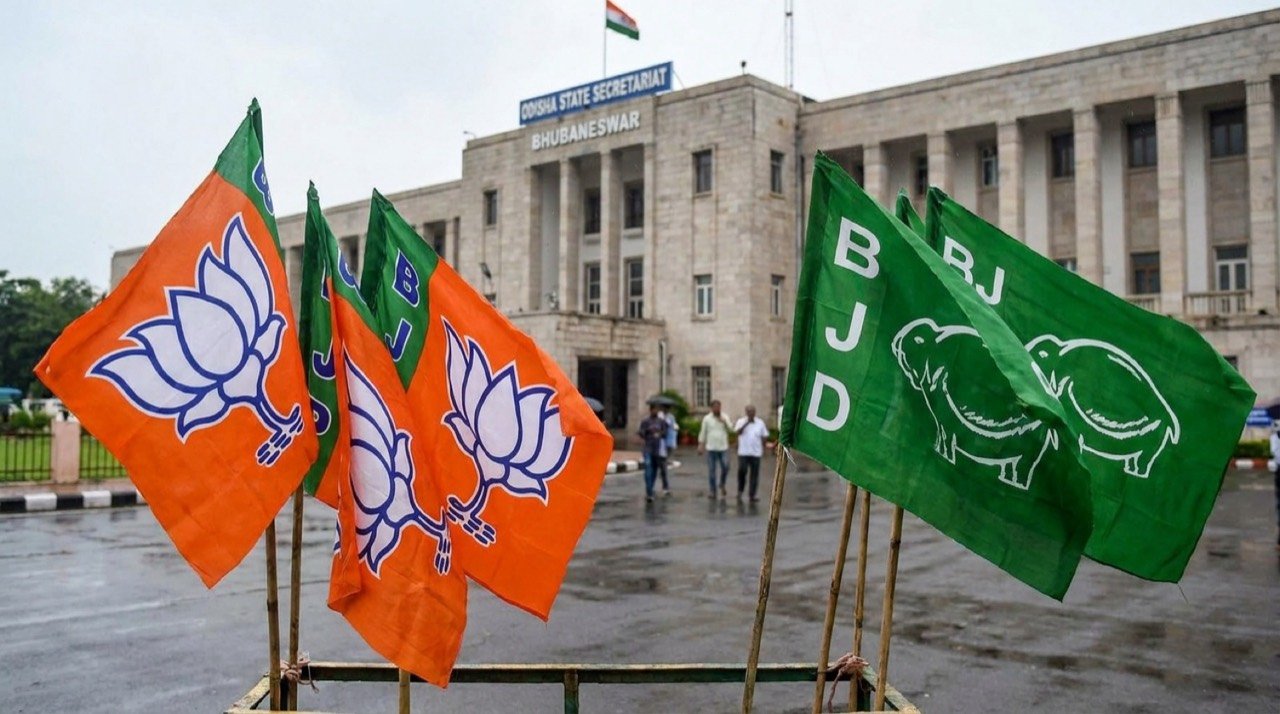
Odisha BJP Claims Several BJD Leaders Are Keen to Switch Sides
BJP leaders in Odisha claim several BJD figures want to switch sides, comparing the possible churn to earlier splits in regional parties, though no mass defection has been confirmed.
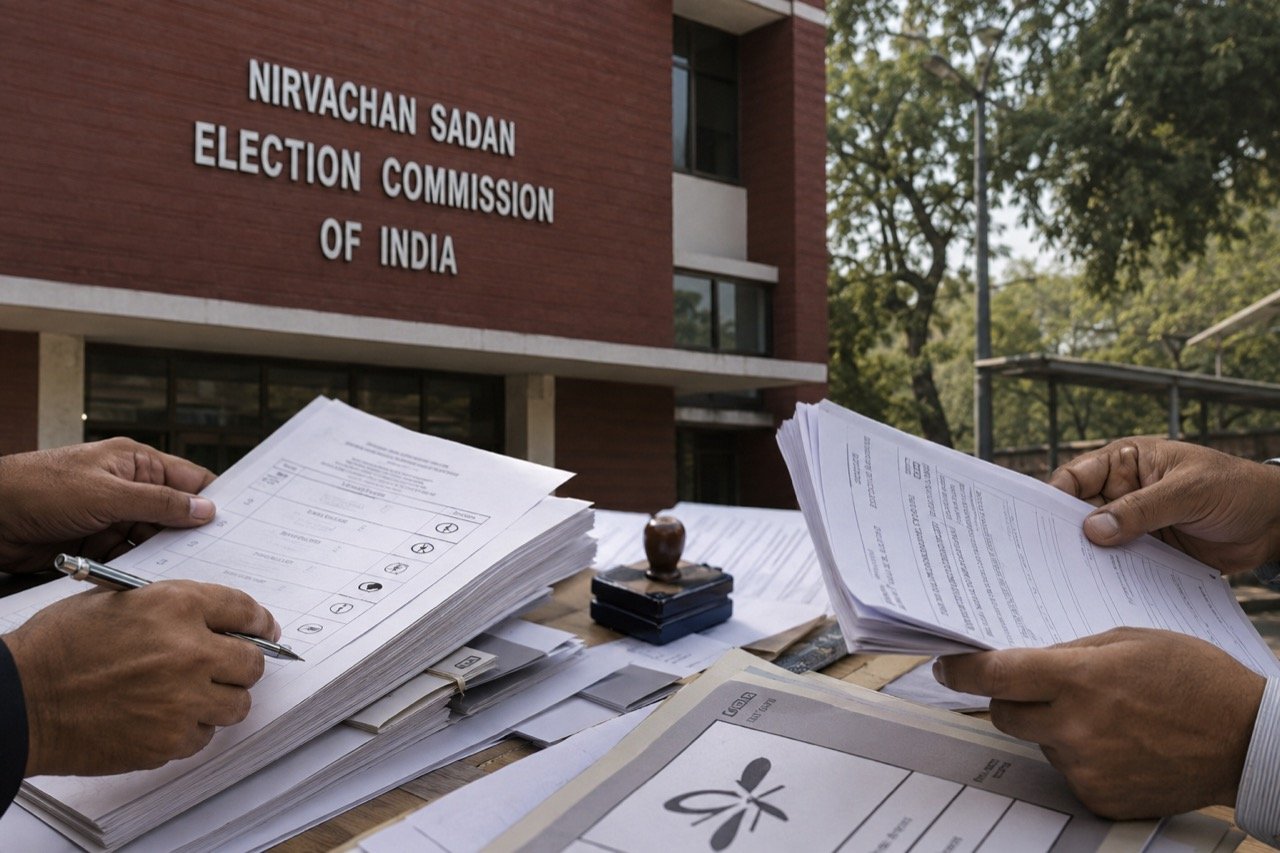
K Kavitha Party Denied TRS Name by Election Commission
The Election Commission has refused to register K Kavitha's Telangana Rakshana Sena under the TRS acronym after objections, forcing a branding reset for the new party at a politically sensitive moment in Telangana.
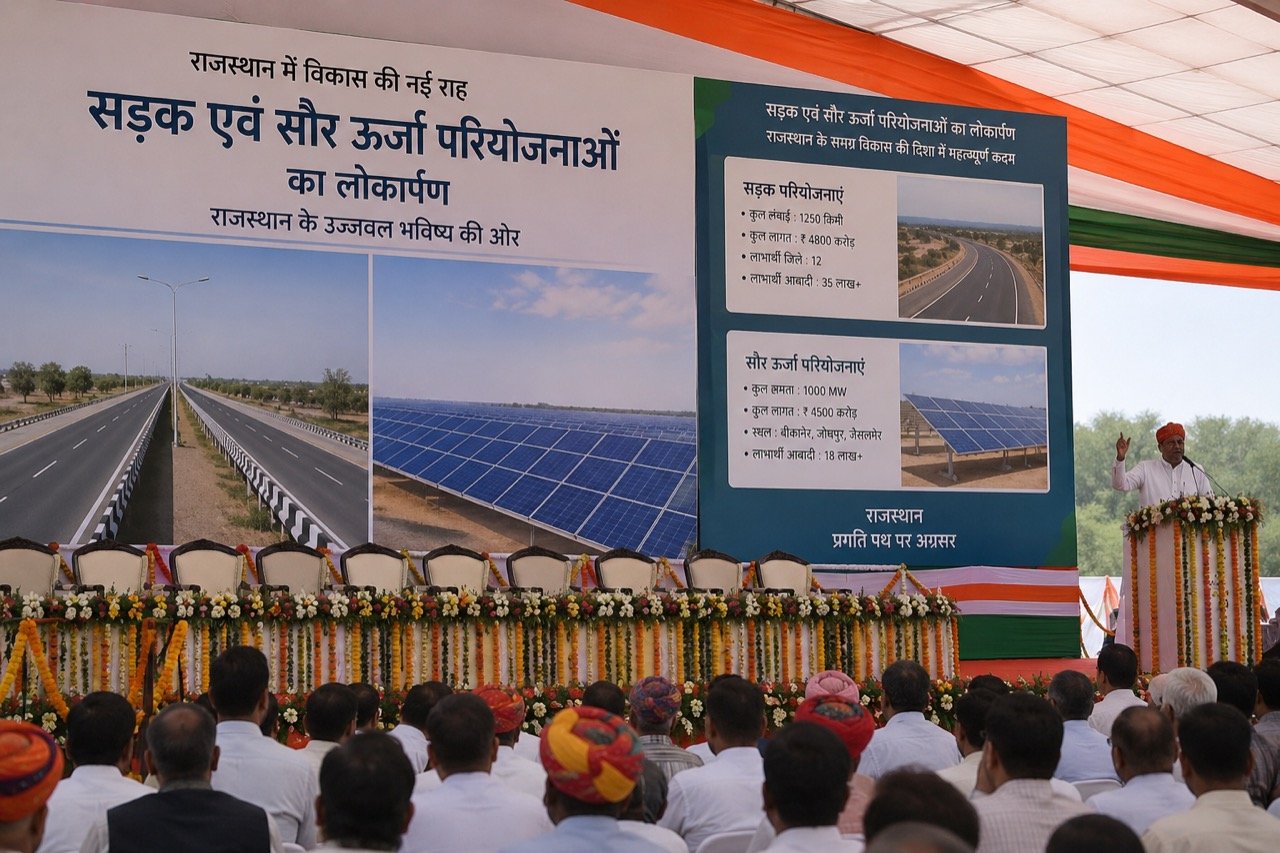
Modi's Balotra Push: Rs 1.06 Lakh Crore Projects and Energy Message
Prime Minister Narendra Modi's visit to Balotra in Rajasthan paired development projects worth around Rs 1.06 lakh crore with remarks crediting India's diplomacy for steering the country through West Asia-linked energy pressures.
More from this section
MoreK Kavitha Party Denied TRS Name by Election Commission
The Election Commission has refused to register K Kavitha's Telangana Rakshana Sena under the TRS acronym after objections, forcing a branding reset for the new party at a politically sensitive moment in Telangana.
Lalu Prasad Yadav Security Downgrade, Bungalow Order Stir Bihar
A government order downgrading Lalu Prasad Yadav's security cover and asking him to vacate an official bungalow has opened a fresh political flashpoint in Bihar, with the RJD chief's reaction fuelling the row.
Manipur CM's Churachandpur Visit: First Since 2023 Unrest
The Manipur Chief Minister travelled to Churachandpur for a BJP MLA's funeral, his first visit to the district since the 2023 violence, lending the sombre occasion an unmistakable political significance.