Odisha BJP Claims Several BJD Leaders Are Keen to Switch Sides
BJP leaders in Odisha claim several BJD figures want to switch sides, comparing the possible churn to earlier splits in regional parties, though no mass defection has been confirmed.
Commentary & Analysis ·
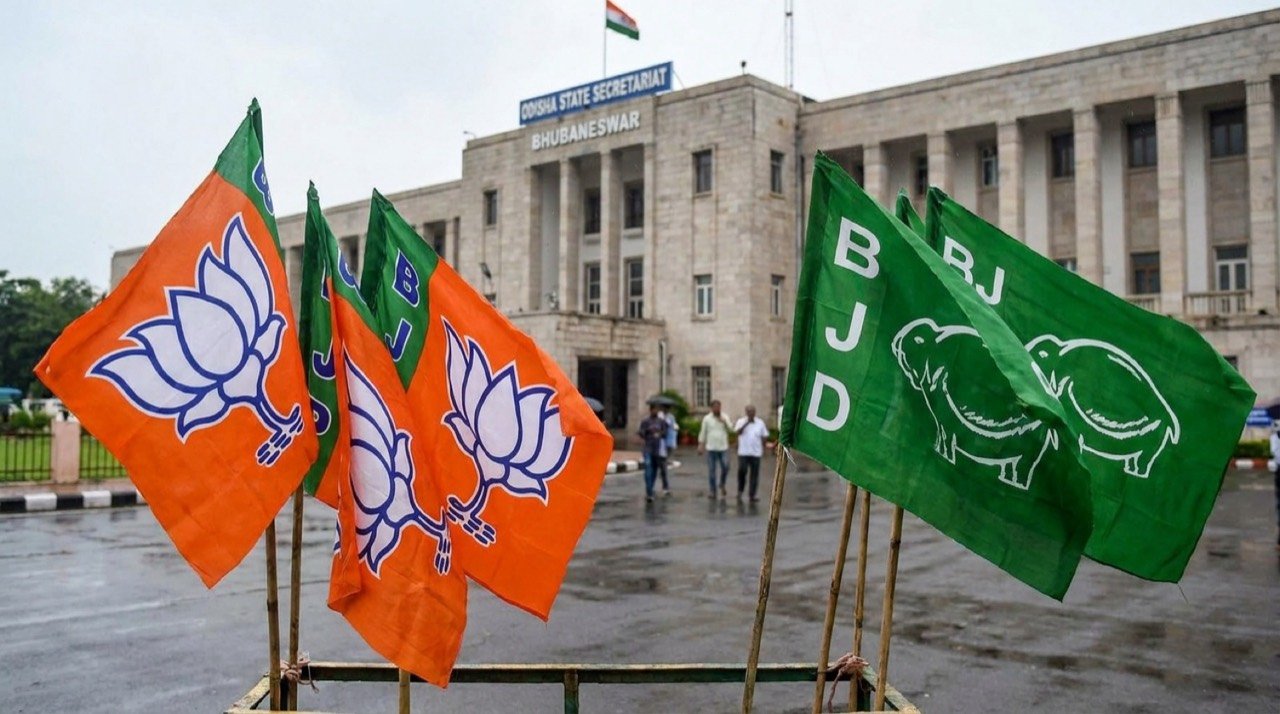
Odisha's politics heated up after BJP leaders claimed that several BJD figures were keen to switch sides, comparing the possible churn with earlier splits seen in other regional parties. The claim, reported on June 23, lands as parties watch whether post-election alignments in the state are becoming more fluid. It is, on the face of it, a modest statement: an assertion of internal disquiet within a rival organisation. Yet in the granular, attritional world of state politics, such statements rarely stay modest for long. They are amplified, contested, denied and reinterpreted, and in the process they can acquire a life independent of whatever facts, if any, sit behind them.
What the BJP is claiming
BJP leaders suggested that discontent within the BJD could prompt some of its leaders to defect, likening the situation to the fragmentation other regional outfits have experienced elsewhere. The comparison is a deliberate rhetorical device. By invoking precedents of regional parties splintering under pressure, the BJP is not merely describing a possibility, it is projecting momentum and casting the BJD as an organisation vulnerable to internal drift. This is a familiar pattern in Indian political communication: a claim about the future is framed using the language of an already-completed process elsewhere, lending it a borrowed sense of inevitability.
Crucially, no mass defection has been officially established. The statement is an assertion made in the middle of a live political contest, not a confirmed migration of leaders from one party to another. That distinction matters enormously. A claim of impending defections is cost-free to make and difficult to disprove in the short term, since it can always be recast as "not yet, but soon." This asymmetry, where making the claim carries little risk but the claim itself carries real weight in public perception, is precisely why such statements are deployed so readily in the run-up to, or aftermath of, electoral contests.
Why the claim is politically significant
Even unverified, such claims carry weight in a competitive landscape. They signal pressure on the BJD and a degree of confidence within the BJP about its position in the state. For a party to publicly suggest that it is attracting defectors from a rival is also a signal to its own cadre and to prospective allies: it says, in effect, that the tide is turning and that association with the BJP is now the safer or more advantageous political bet. This is important in a system where politicians, particularly at the state and district level, often calculate their allegiances based on perceived future viability rather than ideological conviction alone.
Statements of this kind can also become self-fulfilling if they unsettle a rival party's ranks, encourage wavering members, or shape public perception of which side holds the initiative. A BJD leader who is genuinely on the fence about their political future may find the public narrative of "BJD leaders are leaving" itself a nudge toward departure, since remaining can start to look like backing a sinking ship, regardless of whether the original claim had any substance. In this sense, the claim functions less as reportage of an existing reality and more as an attempt to manufacture one.
How to read the story
Readers should approach the report with care, distinguishing a political claim from an established fact. Several points bear repeating for clarity. The claim originates from BJP leaders, not from the BJD, which means it should be read first and foremost as an assertion made by an interested party about its opponent, not as a neutral account of internal BJD affairs. No mass defection has been officially confirmed by any credible, independent process, whether through public statements from named BJD leaders, resignations, or formal announcements of a switch in party allegiance.
The comparison to earlier splits in other regional parties is a rhetorical framing device rather than evidence of a parallel process actually underway in Odisha. It signals pressure on the BJD and confidence within the BJP, which is itself a meaningful data point about the current mood of the contest, even if it says nothing definitive about actual defections. And it should be read as a claim in a live contest, not as a confirmed switch. As the editorial note underlying this analysis puts it, "the story should be read as a claim in a live political contest, not as a confirmed migration."
What would confirm or undercut the claim
Whether the claim translates into actual defections will become clear only if named leaders publicly change allegiance. Until then, it remains part of the rhetorical contest that shapes Odisha's evolving political landscape, worth noting, but not yet a settled development. The test here is straightforward and one that readers can apply themselves in the weeks ahead: does the claim produce named individuals, public resignations, and formal party-switching announcements, or does it dissipate into the background noise of routine political sparring, never quite materialising into anything concrete?
This is also a moment for the BJD to respond, whether through denial, reassurance to its own ranks, or simply silence, and each of those responses would itself carry information about the internal health of the party. A vigorous, specific denial naming no discontent would suggest the BJD feels secure enough to dismiss the claim outright. A more defensive or muted response might instead lend some credibility to the BJP's assertion. Readers and observers alike would do well to watch not just for defections themselves, but for the tenor of the BJD's own reaction as an indirect signal.
The wider pattern behind defection claims
Beyond the specifics of Odisha, this episode fits a broader and recurring feature of Indian state politics: the strategic deployment of defection rumours as a tool of psychological pressure. Such claims cost the accusing party little, since they are rarely retracted even if they prove unfounded, while they impose real costs on the accused party in the form of anxious cadres, media scrutiny, and a narrative of decline that can be hard to shake off. This dynamic incentivises parties to make such claims relatively liberally, which in turn means that readers and commentators need a consistently sceptical framework for evaluating them, rather than treating each new claim as freshly credible simply because it has been made.
It is worth situating this specific claim, made around June 23, within that pattern rather than in isolation. The absence of named leaders, confirmed resignations, or independent verification at this stage places it squarely in the category of political positioning rather than documented fact. That does not make it meaningless, confidence-projection is itself a real feature of political contests, but it does mean the appropriate response is close attention rather than immediate credence.
The NE Times View
Defection chatter is a familiar instrument of political theatre, designed to demoralise rivals as much as to recruit them. Until names and numbers materialise, this is positioning, not a wave. The more troubling theme is India's revolving-door politics, where mandates won under one banner are quietly traded away, often with little regard for the voters who delivered those mandates in the first place. Every unconfirmed claim of impending defection, even when it never bears fruit, subtly normalises the idea that political allegiance is a matter of convenience rather than commitment. Voters, not back-room arithmetic, should decide who governs Odisha, and the healthiest response to claims like this one is patient scepticism until the claim is either substantiated by actual, named departures or allowed to quietly fade, as so many similar claims before it have done.
Key takeaways
- BJP leaders claimed on June 23 that several BJD figures were keen to switch sides, comparing it to splits seen in other regional parties, but no mass defection has been officially established.
- The claim originates solely from the BJP, not the BJD, and functions as much as a confidence-signalling and pressure tactic as a factual disclosure.
- Such claims can become self-fulfilling by unsettling a rival party's ranks or shaping public perception of momentum, independent of their underlying truth.
- The claim should be verified against concrete developments, specifically named leaders publicly switching allegiance, rather than accepted at face value.
- The episode reflects a broader pattern in Indian politics of using defection rumours as low-cost, high-pressure tools, underscoring the case for voters, not internal party manoeuvring, to determine political outcomes.
You may also like to read
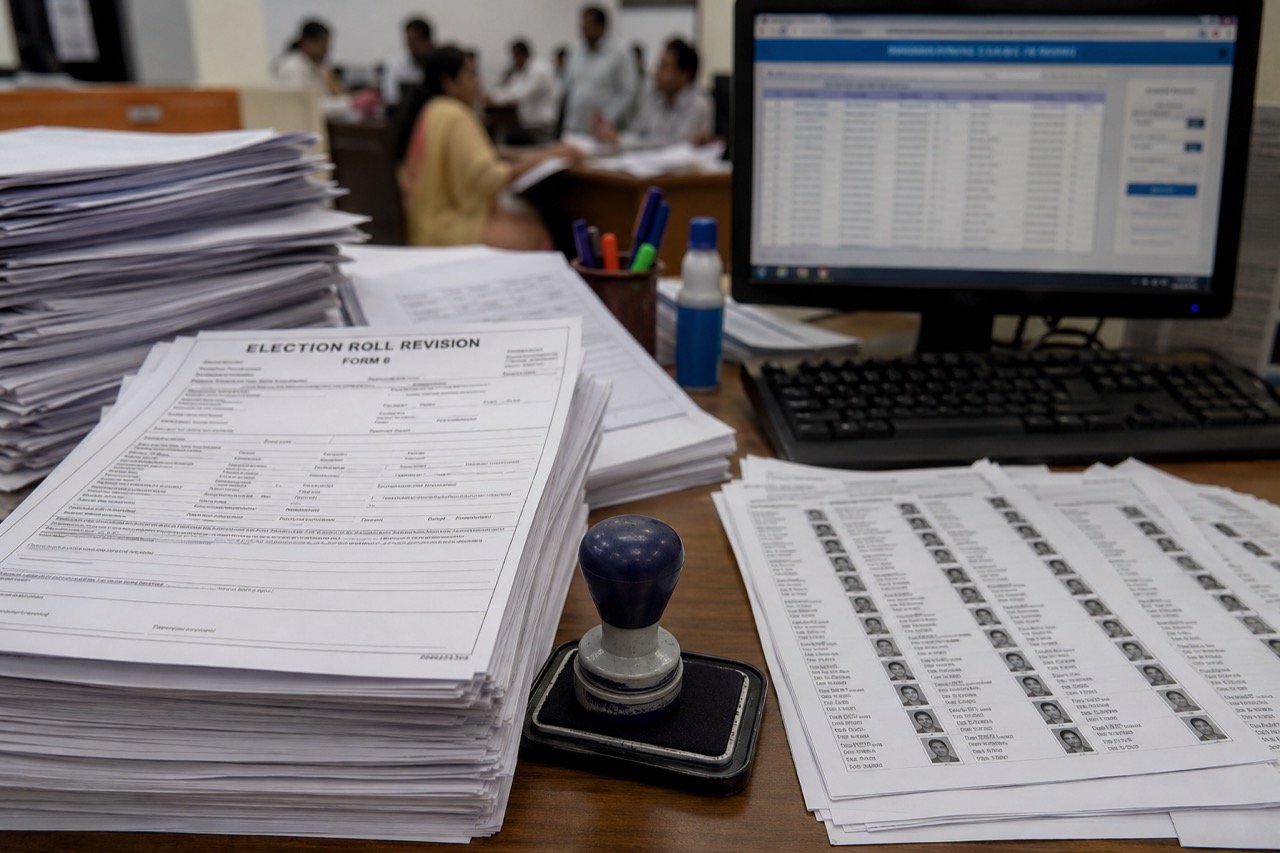
Odisha SIR: 20 Lakh Voter List Deletions Spark Opposition Alarm
Odisha's special intensive revision has placed electoral-roll accuracy under scrutiny after officials reported roughly 20 lakh deletions from the draft voter list and opposition parties raised fears of wrongful exclusion.
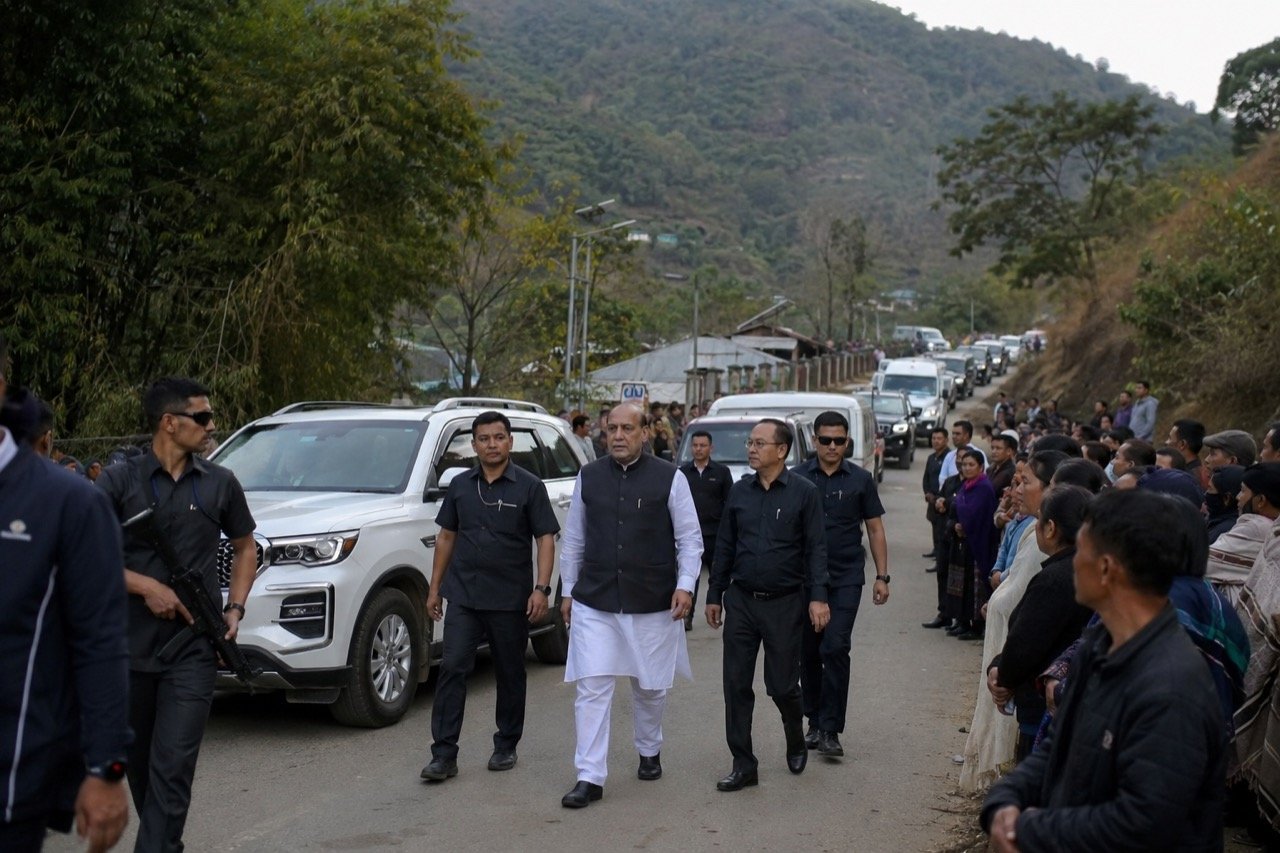
Manipur CM's Churachandpur Visit: First Since 2023 Unrest
The Manipur Chief Minister travelled to Churachandpur for a BJP MLA's funeral, his first visit to the district since the 2023 violence, lending the sombre occasion an unmistakable political significance.
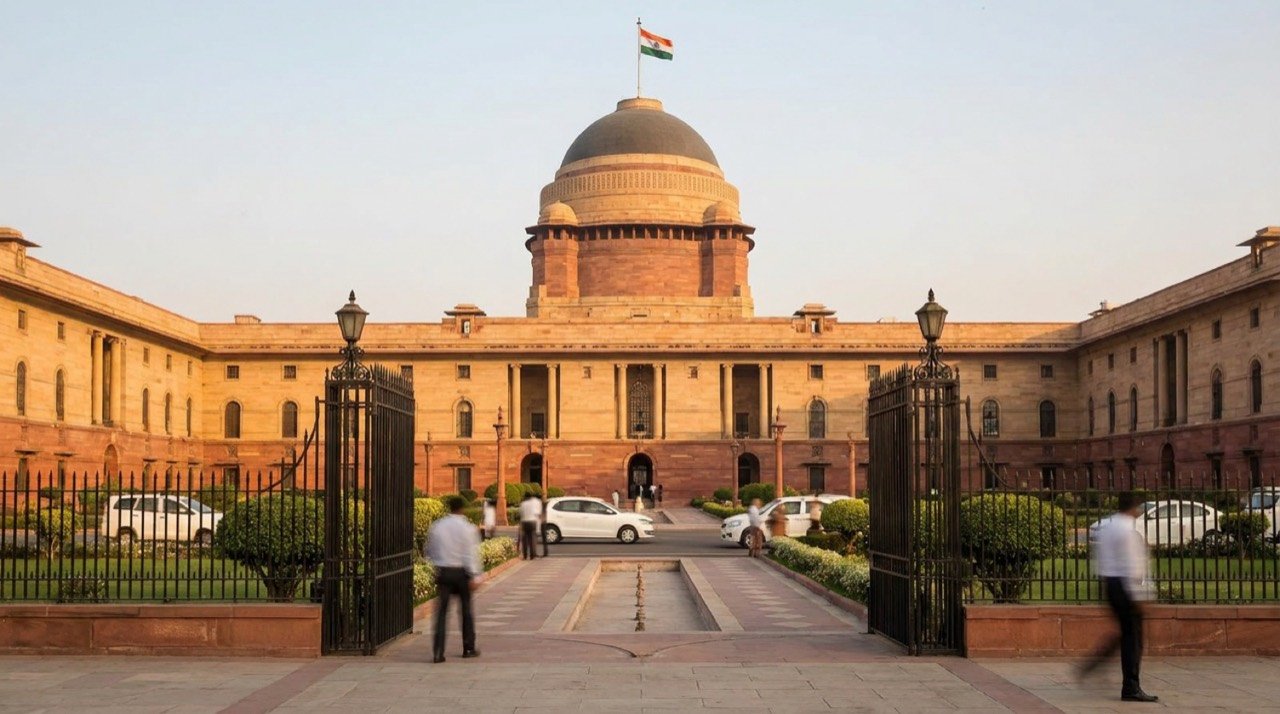
PM Modi Calls on President Murmu as Cabinet Reshuffle Speculation Grows in Delhi
Prime Minister Narendra Modi met President Droupadi Murmu at Rashtrapati Bhavan on June 23, a call that drew sharp political attention amid mounting speculation over a possible Union Council of Ministers reshuffle.
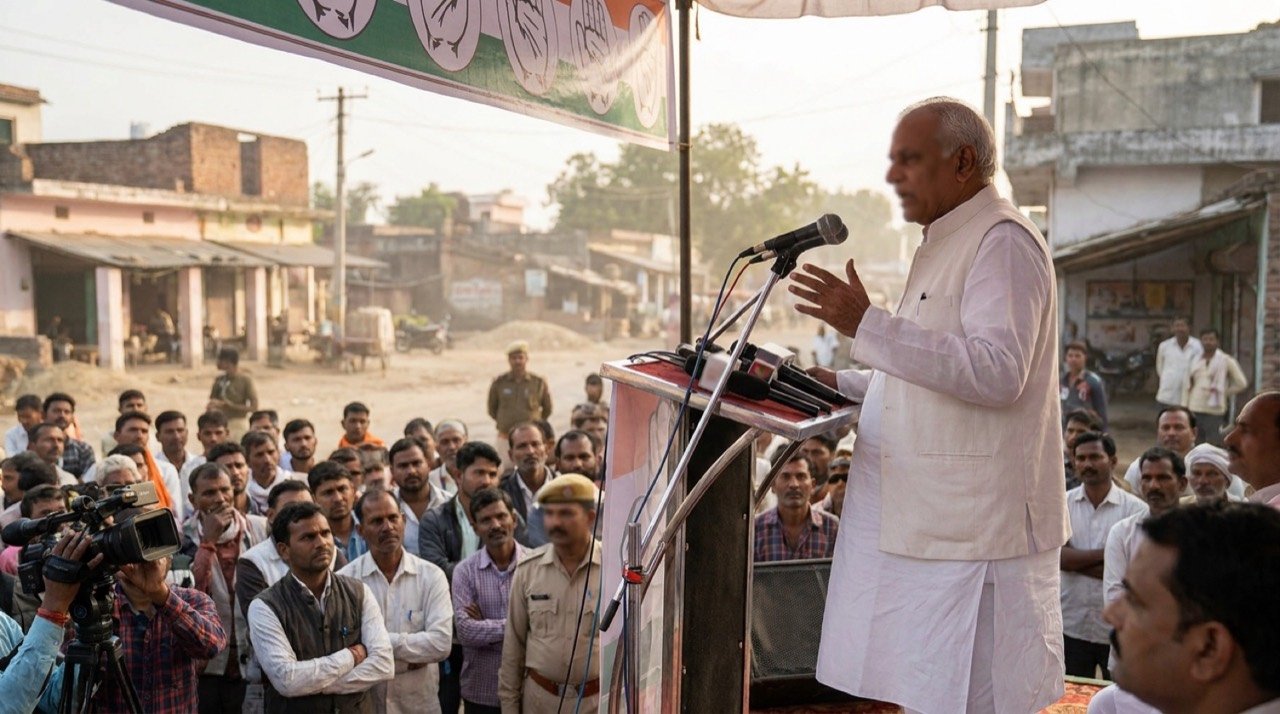
Vijayvargiya's 'Don't Use Our Roads' Remark Sparks Political Row in Madhya Pradesh
A reported comment by Madhya Pradesh minister Kailash Vijayvargiya linking public road use to political loyalty has triggered a sharp clash over civic rights and the language of public office.
More from this section
More
K Kavitha Party Denied TRS Name by Election Commission
The Election Commission has refused to register K Kavitha's Telangana Rakshana Sena under the TRS acronym after objections, forcing a branding reset for the new party at a politically sensitive moment in Telangana.
Lalu Prasad Yadav Security Downgrade, Bungalow Order Stir Bihar
A government order downgrading Lalu Prasad Yadav's security cover and asking him to vacate an official bungalow has opened a fresh political flashpoint in Bihar, with the RJD chief's reaction fuelling the row.
Manipur CM's Churachandpur Visit: First Since 2023 Unrest
The Manipur Chief Minister travelled to Churachandpur for a BJP MLA's funeral, his first visit to the district since the 2023 violence, lending the sombre occasion an unmistakable political significance.