Searing Heat Grips North India As Modi Orders Ministries On High Alert
With temperatures crossing dangerous levels across the north, the IMD has issued widespread heatwave alerts and the Prime Minister has directed ministries and states to step up the emergency response.
Commentary & Analysis ·
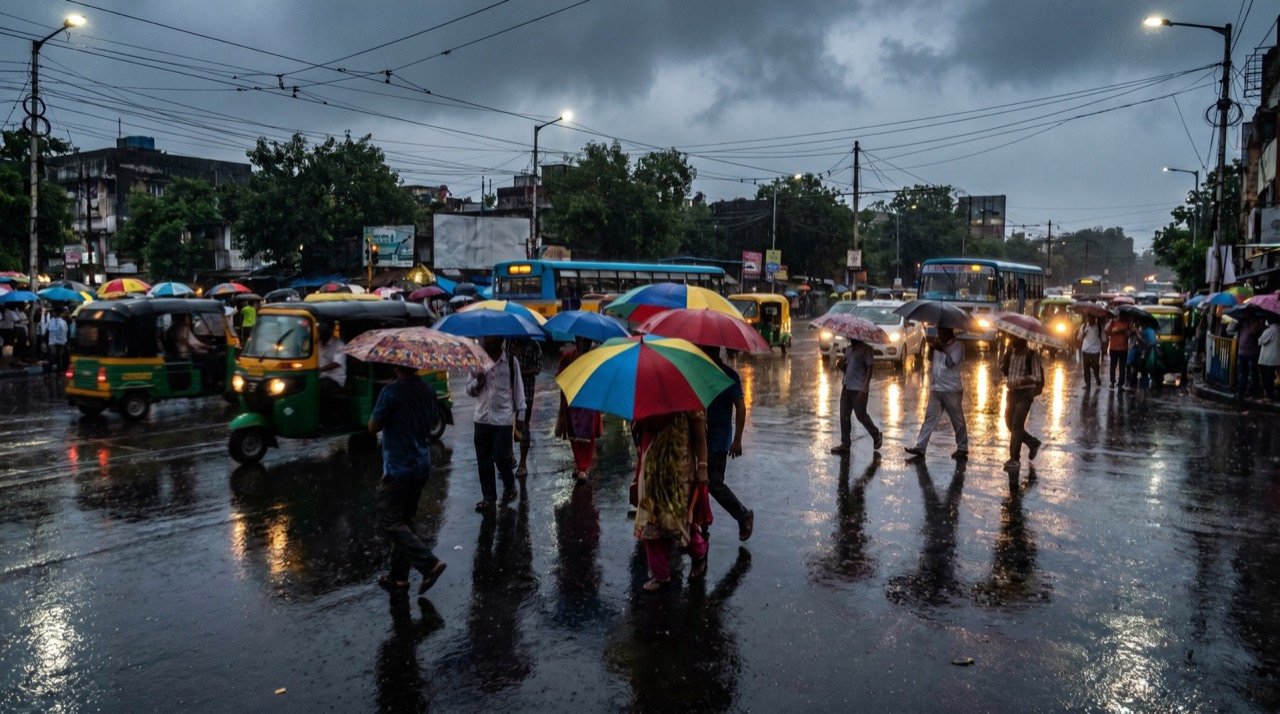
One of the most severe early-summer heat episodes in recent memory has tightened its grip on northern India, with the India Meteorological Department issuing widespread heatwave alerts and Prime Minister Narendra Modi directing ministries and state governments to remain on high alert. From Rajasthan and Delhi to Uttar Pradesh, Haryana and Madhya Pradesh, scorching temperatures and hot winds have disrupted daily life and strained power and health systems. The scale and geographic spread of the alerts, stretching from the western desert belt to the eastern plains, mark this out as more than a routine pre-monsoon spike, and it is this breadth that has pushed the matter onto the desk of the Prime Minister himself.
How hot it has been
The heat has been relentless across the plains, with temperatures pushing well past the 40-degree mark in city after city. Earlier in the season, Sri Ganganagar in Rajasthan touched 48.2 degrees Celsius, briefly ranking among the hottest places on the planet, before a spell of rain and gusty winds brought a short respite to parts of the region. Such a reading is not merely an uncomfortable statistic; at that threshold, prolonged outdoor exposure becomes dangerous within hours, particularly for those without access to shade, water or cooling. The IMD's alerts have spanned northern, central and eastern India, covering Delhi, Rajasthan, Punjab, Haryana, Uttar Pradesh, Madhya Pradesh, Vidarbha, Chhattisgarh, Bihar and Telangana, with the agency tracking the conditions through daily bulletins. The sheer number of states under alert, ten in all, illustrates how a single meteorological pattern can simultaneously test the administrative capacity of governments with very different resources, from the relatively well-funded municipal systems of Delhi to the more stretched rural health infrastructure of Bihar and Chhattisgarh.
Why the numbers matter beyond the thermometer
Heat of this intensity does not act uniformly across a population. It is the outdoor labourer, the construction worker, the street vendor, the farmer in the field and the elderly person without reliable electricity who bear the earliest and heaviest burden. When temperatures cross the mid-40s, the human body's capacity to cool itself through sweating is compromised, and the risk of heatstroke, kidney strain and cardiovascular stress rises sharply. This is compounded by the fact that heat-related deaths in India have historically been undercounted, since many fatalities are recorded under proximate causes such as cardiac arrest rather than attributed to the underlying heat exposure. A nationwide alert covering ten states therefore represents not just a weather event but a live public-health test of India's ability to protect its most exposed citizens in real time.
The official response
The Prime Minister has reviewed the worsening conditions and asked all concerned ministries and states to stay prepared, with hospitals, water supply agencies and disaster authorities placed on alert. Heat action plans, drawn up in many cities in recent years, are being invoked to protect outdoor workers and vulnerable groups. That such plans already exist in several cities is itself notable: it reflects lessons learned from earlier, deadlier heatwaves that pushed municipal and state administrations to formalise measures such as restricting outdoor work during peak afternoon hours, opening cooling shelters and ensuring uninterrupted water supply. The involvement of hospitals and disaster-management authorities at this stage signals that the government is treating the episode as a health emergency requiring cross-departmental coordination, rather than leaving it solely to weather bulletins and public advisories.
A disaster-management official captured the underlying shift in official thinking when they said that heat is now a public-health emergency in its own right, and that the response has to match that reality. This framing is significant because it moves the conversation away from treating heatwaves as an inconvenient but temporary seasonal irritant, and towards treating them as a recurring threat requiring the same institutional seriousness as floods, cyclones or epidemics.
What comes next
Forecasters expect an incoming western disturbance to bring rain and storms that could ease the worst of the heat in parts of the north, though relief may be uneven and short-lived as the season progresses. Western disturbances, which typically originate over the Mediterranean and Caspian regions before moving across South Asia, can bring welcome but temporary drops in temperature along with gusty winds and localised rain. However, such systems are inherently unpredictable in their reach, meaning some districts may see meaningful relief while others continue to swelter. This unevenness is itself a policy challenge, since it means state governments cannot simply wait out the heat but must maintain alert postures even as conditions appear to improve in neighbouring areas.
The episode has renewed focus on how India's cities and rural areas cope with extreme heat that scientists say is becoming more frequent and intense. Authorities have urged people to avoid the midday sun, stay hydrated and check on the elderly and outdoor workers, while the longer-term debate over heat-resilient cities and protections for labourers grows louder with each punishing summer. These are, at heart, low-cost and achievable measures, yet their effectiveness depends entirely on whether they are communicated to and adopted by those most at risk, including migrant labourers and informal-sector workers who may not have easy access to official advisories.
The wider stakes for infrastructure and governance
Beyond the immediate human toll, sustained extreme heat places direct strain on power grids, as air-conditioning and cooling demand spikes precisely when generation and transmission systems are under the most stress. Water supply agencies, too, face rising demand even as reservoirs and groundwater tables are typically at their lowest point in the pre-monsoon period. The fact that both power and health systems have been described as strained in this episode suggests that the interlinkages between climate stress and basic infrastructure are becoming harder to manage in isolation. A heatwave of this scale is, in effect, a stress test of urban and rural infrastructure that has implications well beyond the days of peak temperature themselves.
The NE Times View
Red alerts across the north and a prime ministerial review reflect that extreme heat is now a recurring summer emergency, not a freak event. Directing ministries to act is welcome, but heatwaves kill the poor, the outdoor labourer and the elderly first. The NE Times View: India needs enforceable heat-action plans, cooling shelters and altered work hours as standing policy, because reactive alerts alone will not stop the rising, largely uncounted death toll. What is required is a shift from episodic crisis management, activated only once temperatures breach dangerous thresholds, towards a standing institutional framework that treats extreme heat with the same seriousness as any other recurring natural hazard. This means legally enforceable work-hour restrictions during peak heat, permanent rather than ad hoc cooling shelters, and systematic mortality tracking that finally captures the true toll of heat on India's most vulnerable citizens.
Key takeaways
- Sri Ganganagar in Rajasthan touched 48.2 degrees Celsius, briefly among the hottest recorded places globally, before rain brought brief relief.
- IMD heatwave alerts span ten states and regions, including Delhi, Rajasthan, Punjab, Haryana, Uttar Pradesh, Madhya Pradesh, Vidarbha, Chhattisgarh, Bihar and Telangana.
- PM Modi has directed ministries and states to remain on high alert, with hospitals, water agencies and disaster authorities placed on standby and heat action plans activated.
- An incoming western disturbance may bring rain and storms, but relief is expected to be uneven and short-lived as the season continues.
- The NE Times View calls for enforceable, standing heat policy, including cooling shelters and altered work hours, rather than reactive alerts alone.
You may also like to read
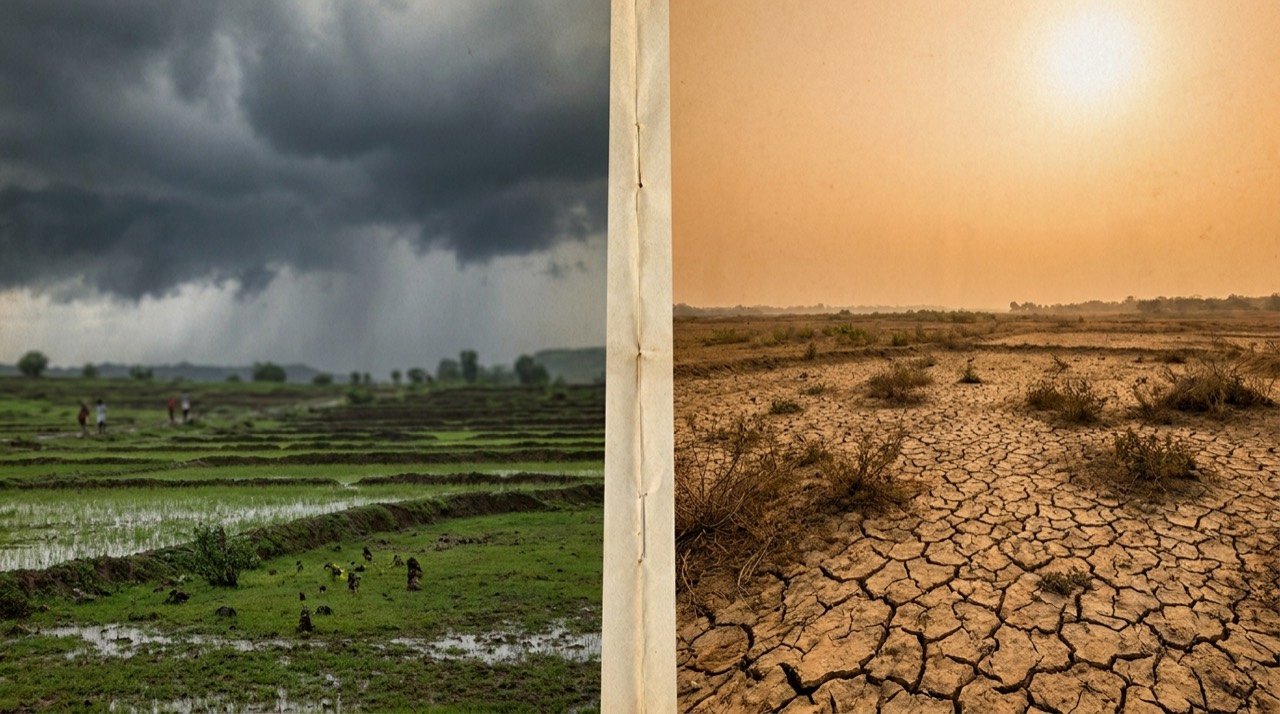
Monsoon Surges Into Central India as Heatwave Grips the East: A Split Weather Map
The India Meteorological Department reported the monsoon advancing into Gujarat and central India on 24 June even as severe heat scorched the east, leaving the country under a sharply divided weather pattern.
Rain Brings Relief to Delhi-NCR After an Early, Intense Heat Season
Recent rainfall has pulled Delhi's temperatures below normal in mid-June, offering relief after a year marked by an unusually early and severe heatwave across northern India.
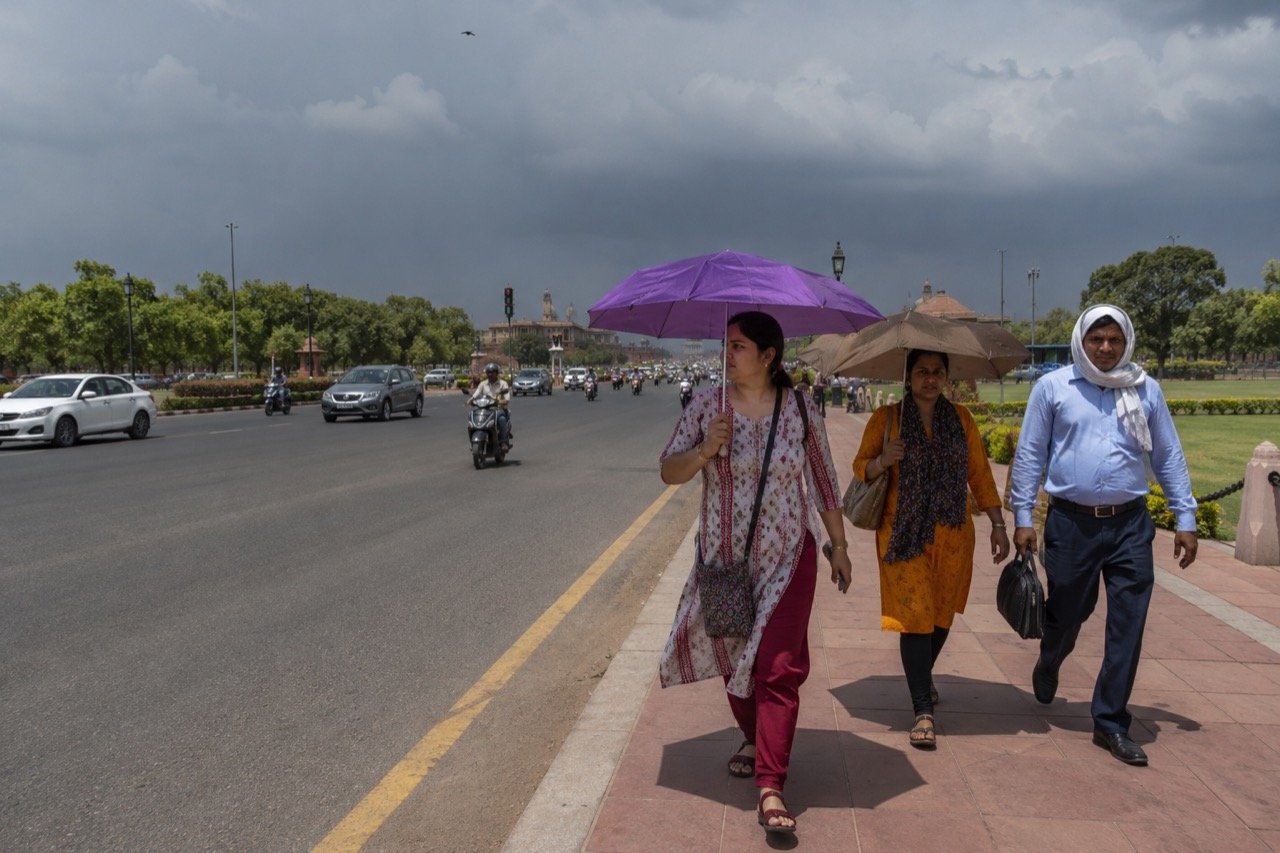
Delhi's Monsoon Wait Stretches On as IMD Flags Slow Advance
The India Meteorological Department says the southwest monsoon is unlikely to reach Delhi over the next five days, prolonging heat stress in the capital even as Mumbai is drenched by intense showers.
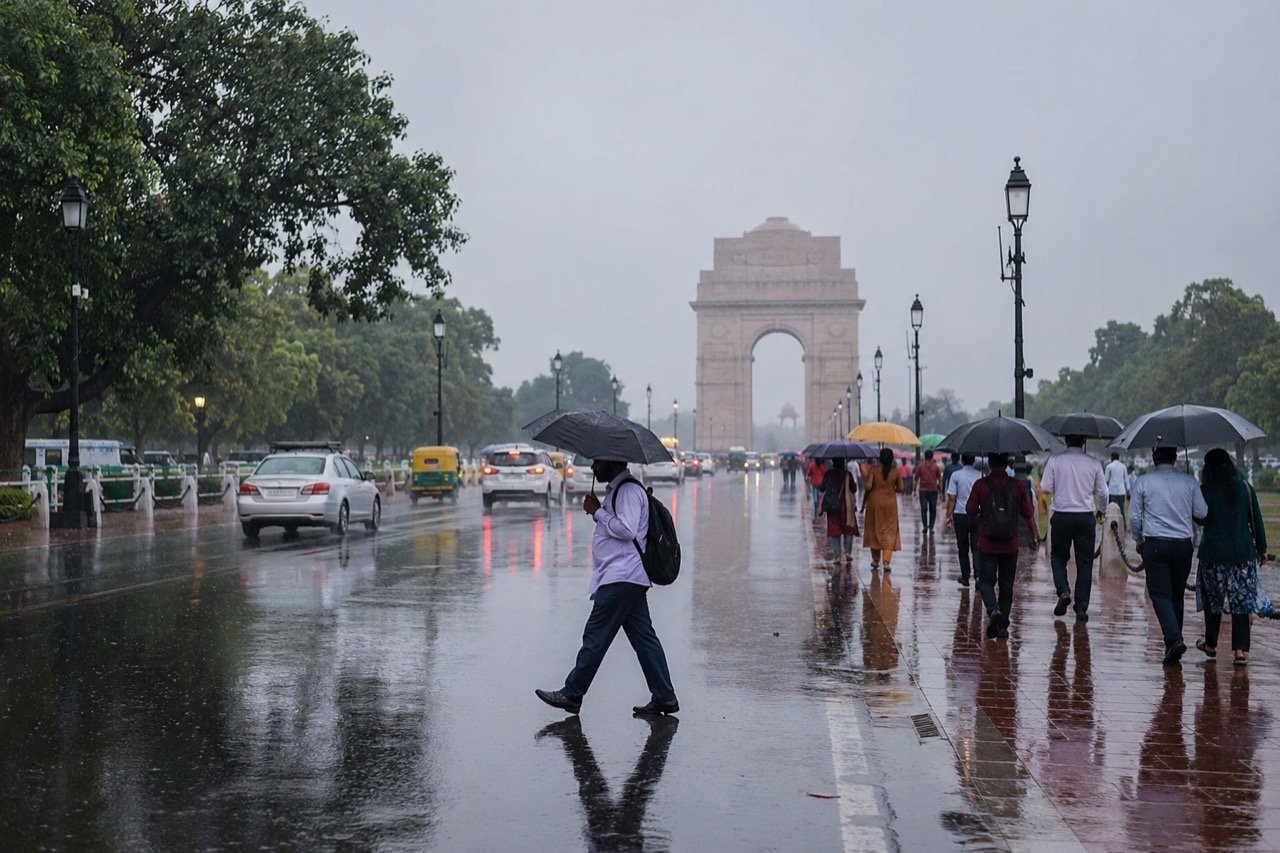
Delhi Weather: Warmest July Day in Two Years, Orange Rain Alert Next
Delhi's maximum temperature climbed to 38.6 degrees Celsius on Sunday, its warmest July day in two years, even as the IMD issued an orange alert for moderate rain on Monday.
More from this section
More
AICTE Industry Fellowship 2026: Rs 1.5 Lakh Scheme Closes July 5
The AICTE Industry Fellowship Programme 2026, which places technical-education faculty inside leading companies on a Rs 1.5 lakh monthly stipend, reached its application deadline on July 5.
Bay of Bengal Low Pressure System Revives Monsoon Over Western India
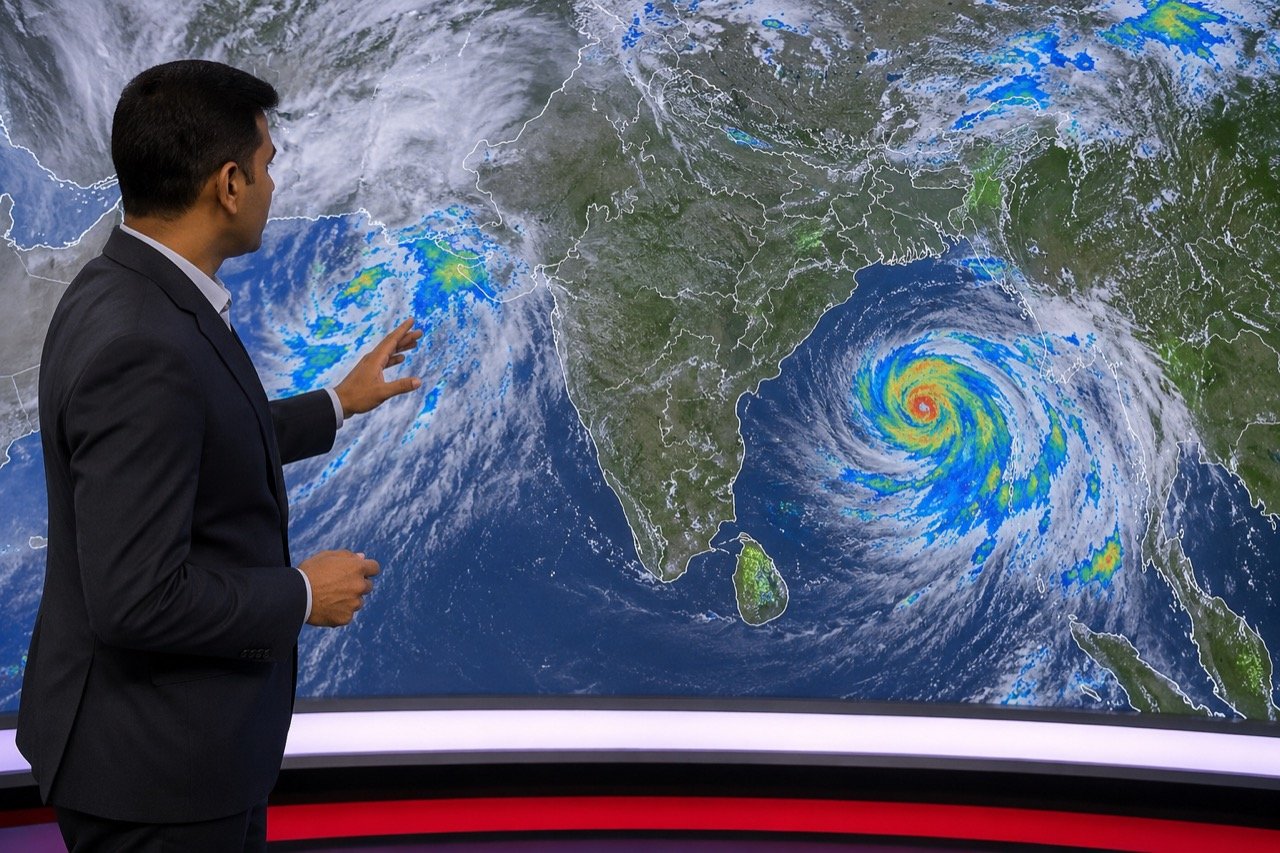
A low-pressure system over the Bay of Bengal has pushed the monsoon back into an active phase, bringing steady heavy rain to Kerala, coastal Karnataka and Maharashtra, and putting Mumbai and Pune on preparedness watch.
Bishnoi Gang Suspects Injured in Haryana Encounter as Police Tighten Net
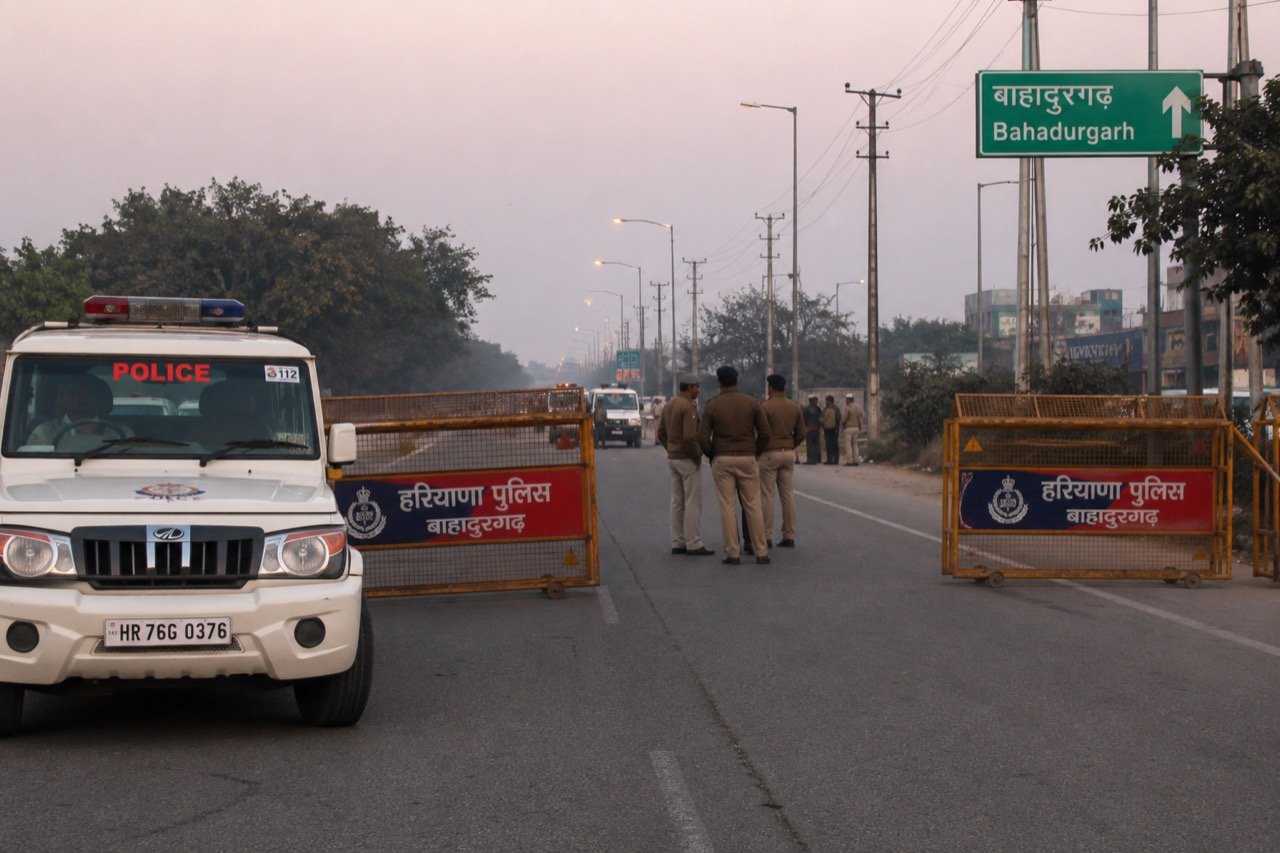
A joint Haryana-Delhi Police operation in Bahadurgarh left two suspected Lawrence Bishnoi gang members injured, spotlighting the multi-state coordination now central to India's fight against organised crime networks.