Munna Bhai Tamil Remake Story Revives Kamal Haasan Debate
An actor's recollection that a key scene was dropped from the Tamil remake of Munna Bhai has reignited discussion about Kamal Haasan's creative authorship and how Indian remakes reshape beloved originals.
Commentary & Analysis ·
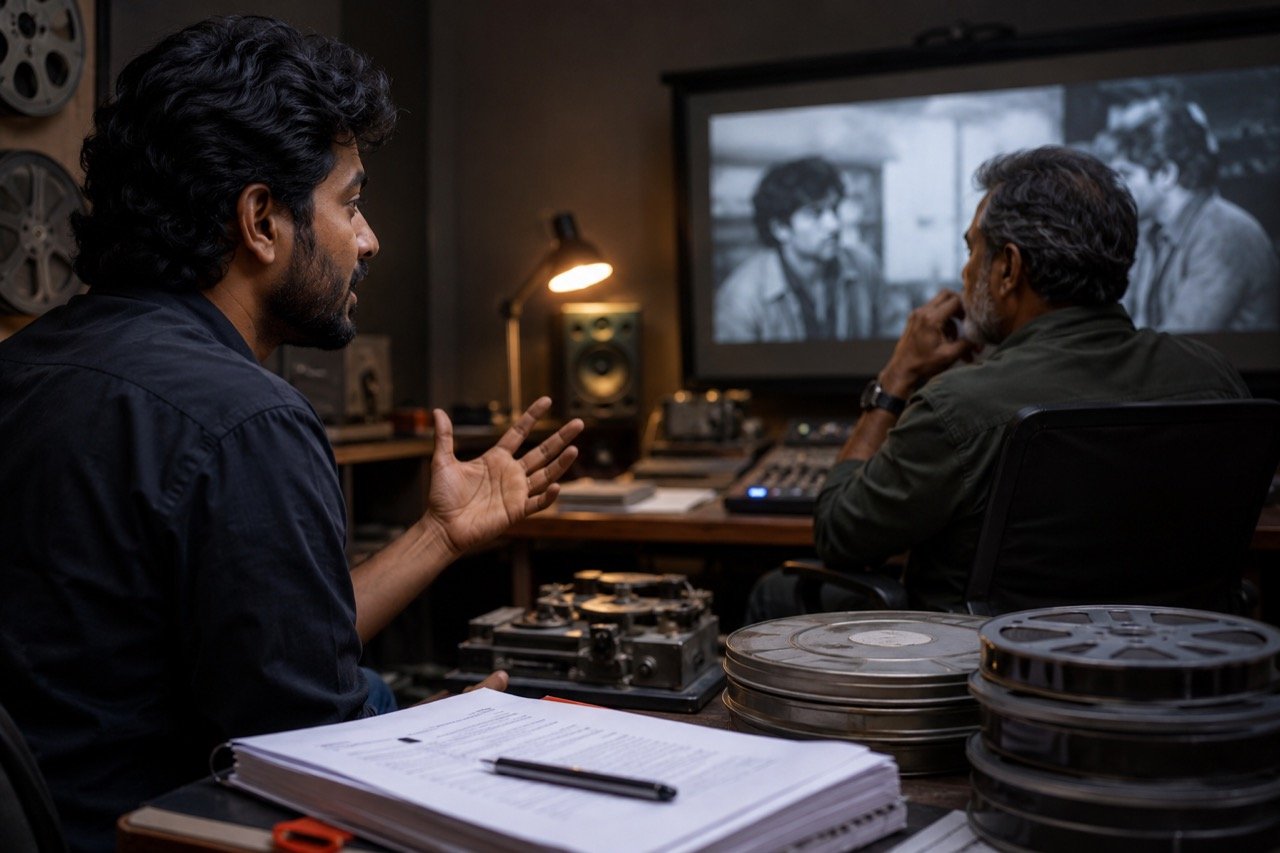
A fresh interview anecdote about the Tamil remake of Munna Bhai has pulled Kamal Haasan's creative instincts back into the spotlight, after an actor recalled that a crucial scene from the Hindi original was removed during the adaptation. The recollection has struck a chord because remakes are judged not just on box-office returns but on the choices they make while translating tone. The Hindi Munna Bhai films thrived on warmth, satire and emotional release — so when a remake drops a scene, audiences inevitably ask whether the local version gained a sharper identity or lost part of what made the original work.
What makes this particular recollection newsworthy is not the existence of a cut scene — every adaptation trims, reorders or reinterprets its source material — but the fact that it has resurfaced years after the remake's release, prompted by a single actor's memory in an interview. That such a small, specific detail can reignite a wider conversation about Kamal Haasan's methods says something about how enduring the Munna Bhai brand remains in the popular imagination, and how closely Indian audiences continue to scrutinise the mechanics of cross-language adaptation long after a film has left theatres.
The question of authorship
At the heart of the debate is authorship. A star-filmmaker with as strong a creative personality as Kamal Haasan can reshape material decisively. That confidence can yield a bolder film, but it can equally invite criticism when collaborators — or viewers years later — feel an emotional beat was sacrificed along the way. This tension is not unique to Kamal Haasan, but it is especially pronounced in his case because his reputation rests so heavily on being seen as an auteur rather than a mere executor of someone else's screenplay. When a filmmaker of that stature removes a scene from a beloved original, the decision is read less as a technical edit and more as a statement of intent — a signal that the remake is meant to stand as its own work rather than a dutiful copy.
This is precisely why such anecdotes travel so far, so long after the fact. A single recollection, offered almost in passing, becomes a proxy for a much larger question that fans and critics have never fully resolved: was the Tamil version an equal, a departure, or a diminished echo of the Hindi film that inspired it? The absence of a definitive answer is what keeps the conversation alive, and what makes each new anecdote a fresh occasion to relitigate old assumptions.
Why remakes are held to a different standard
Indian remakes occupy a peculiar space in the cultural conversation. Unlike an original screenplay, a remake invites direct comparison at every turn — audiences carry the memory of the source film into the cinema hall, and every deviation is measured against that memory, whether consciously or not. This is a burden original films rarely have to bear. A remake that is too faithful risks being dismissed as redundant, a shot-for-shot exercise with no reason to exist beyond commercial opportunism. A remake that departs too far risks alienating the very audience drawn in by the promise of a familiar, beloved story. Threading that needle requires judgement calls at almost every stage of production, from casting to editing, and it is precisely these judgement calls — such as the one now being discussed — that end up defining a remake's legacy far more than its box-office numbers ever could.
The Munna Bhai films are a particularly demanding template to work from, because their appeal was never built on plot mechanics alone. Their power came from a very specific tonal balance of comedy, sentiment and social commentary, delivered through performances that felt lived-in rather than staged. Replicating plot points across languages is straightforward; replicating that tonal alchemy is not. It is entirely plausible that a scene which worked seamlessly in the Hindi original might have felt discordant, redundant or simply untranslatable within the rhythm Kamal Haasan was building for the Tamil version — and that is precisely the kind of nuance an anecdote like this cannot settle on its own.
How old adaptation choices resurface through interviews
The episode also shows how older remakes stay alive through interviews. A single recollection can send audiences back to re-examine adaptation choices made long ago, particularly in Indian cinema, where stories routinely travel across languages and are altered for star image, regional humour, political nuance and audience expectation. This is a distinctive feature of the Indian film ecosystem, where the same source material is frequently reworked across Hindi, Tamil, Telugu, Malayalam and other industries, each version calibrated to its own regional sensibility and its own leading star's screen persona.
Interviews function almost as an informal archive for this process. Actors, technicians and directors periodically offer glimpses into decisions that were never publicly explained at the time of release, and those glimpses accumulate into a kind of oral history of how a film was actually made — one that often runs alongside, and sometimes contradicts, the version audiences assumed from watching the finished product alone. This particular anecdote is a reminder that the story of how a film was built rarely ends with its theatrical run; it continues to be assembled, retrospectively, one recollection at a time.
A neutral reading of the anecdote
The fair reading is a neutral one: the anecdote does not settle whether the change was right or wrong. It simply opens a window into how major remakes are actually made — as a negotiation between source material, language, star persona and a director's conviction about what will land on screen. It would be a mistake to treat one actor's recollection as a verdict on the creative merit of the entire remake, just as it would be a mistake to dismiss the anecdote as trivial simply because it concerns a single scene. Both extremes miss the more interesting truth: that adaptation is a continuous series of trade-offs, each one defensible on its own terms, and each one open to re-evaluation with the benefit of hindsight.
The NE Times View
Debates like this are healthy for Indian cinema. Too often, remakes are treated as either faithful tributes or cynical cash-ins, when the truth sits in between: every adaptation is a series of judgement calls made under commercial and cultural pressure. Kamal Haasan's willingness to cut rather than copy is exactly what distinguishes an auteur from a translator, even when the results divide opinion. It is a reminder that creative authority, when exercised with conviction, will always generate disagreement — and that this disagreement is itself a sign that the work was taken seriously rather than waved through as a formality.
For audiences, the takeaway is to judge each remake on its own terms — and to appreciate that the scenes left out often tell us as much about a filmmaker as the ones left in. As more such anecdotes surface in the years ahead, whether about this remake or others, the healthiest response is curiosity rather than verdict: an interest in understanding why a choice was made, rather than a rush to declare it a mistake or a masterstroke.
Key takeaways
- An actor's recollection that a scene from the Hindi Munna Bhai was cut from the Tamil remake has reopened discussion of Kamal Haasan's creative choices.
- Remakes are judged not only on box-office performance but on how faithfully or boldly they translate tone, humour and emotional beats across languages.
- The anecdote highlights the tension between authorship and fidelity that defines star-filmmaker-led remakes in Indian cinema.
- Interviews continue to function as an informal record of adaptation decisions, resurfacing years after a film's release.
- The NE Times view is that such debates are constructive, reflecting the negotiation every remake makes between source material and a director's own creative conviction.
You may also like to read
Kamal Haasan's Avvai Shanmugi Salary Gamble: A Tamil Cinema Case Study
A revived report that Kamal Haasan skipped a Rs 1.5 crore fee for Avvai Shanmugi and earned three times as much from its success has reopened debate on star pay and profit-sharing in Indian cinema.

Zareen Khan's Paparazzi Confrontation Revives Debate Over Boundaries in Celebrity Coverage
Zareen Khan's firm response to an inappropriate paparazzo remark has gone viral, renewing discussion about consent, dignity and professional limits in celebrity photography.
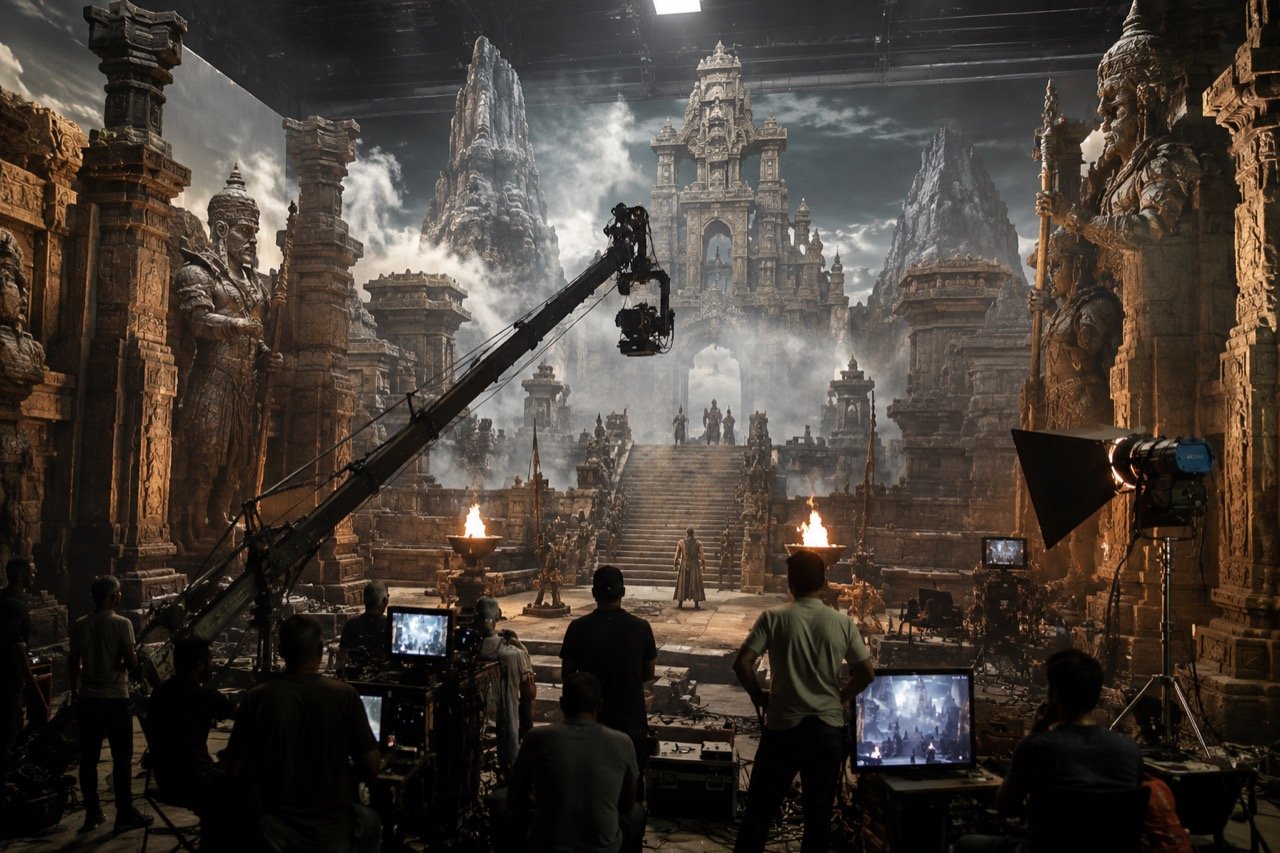
Nagabandham Reviews Reignite the Spectacle-vs-Story Debate
Early review coverage frames Nagabandham as a visually ambitious mythological fantasy still searching for a narrative spine, sharpening a familiar debate over whether scale alone can carry effects-heavy Indian cinema.
Neha Dhupia Paparazzi Row Revives Bollywood's Media Boundary Debate
A paparazzi-related flashpoint involving Neha Dhupia has reopened Bollywood's long-running argument over where legitimate celebrity coverage ends and intrusion into personal dignity begins.
More from this section
More
72nd National Film Awards: Fans Back Mammootty, Allu Arjun, Sai Pallavi
Speculation around the 72nd National Film Awards is intensifying as fan communities across India's language film industries champion favourites including Mammootty, Allu Arjun and Sai Pallavi ahead of any official announcement.

Aamir Khan Marries Gauri Spratt in Private Pali Hill Ceremony
Aamir Khan and Gauri Spratt tied the knot at the actor's Pali Hill home in Mumbai on July 5, turning a deliberately small family ceremony into Bollywood's biggest story of the day.
Akanksha Chamola's Lock Upp 2 Confession Sets Reality TV Abuzz
A personal revelation by Akanksha Chamola ahead of Lock Upp 2 has handed the reality show a viral talking point, underlining how confession-driven formats continue to dominate Indian television conversation.