Nagabandham Reviews Reignite the Spectacle-vs-Story Debate
Early review coverage frames Nagabandham as a visually ambitious mythological fantasy still searching for a narrative spine, sharpening a familiar debate over whether scale alone can carry effects-heavy Indian cinema.
Commentary & Analysis ·
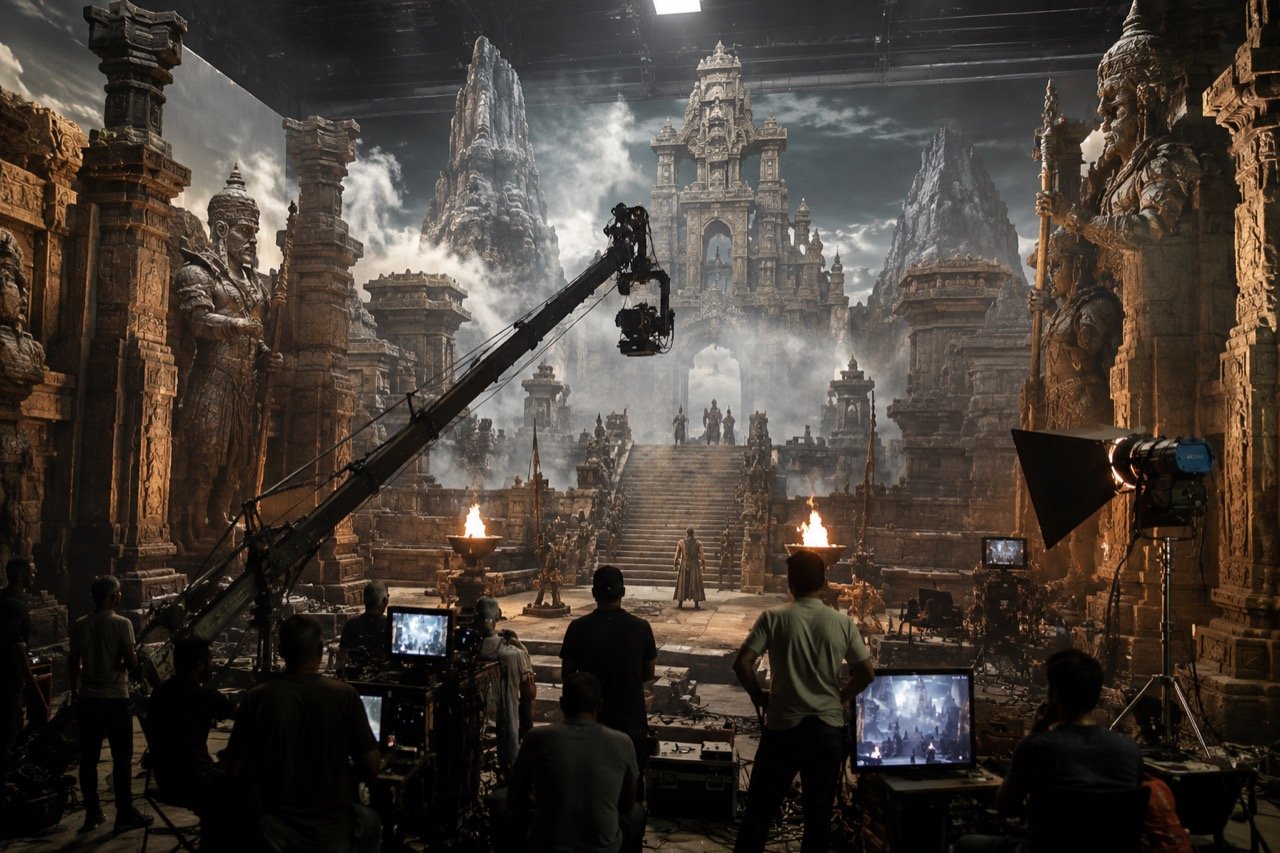
Nagabandham has become the review cycle's most argued-over release, and not because critics disagree about its ambition. Indian Express placed the film in its July 3 review lineup and described it, in essence, as a loud mythological spectacle still searching for a plot — a verdict that captures the tension now defining much of India's effects-driven cinema. Scale is no longer, by itself, the story that Indian audiences find remarkable; they have grown comfortable with ambitious visual worlds, having watched them arrive with increasing regularity over the past several years. What the Indian Express review crystallises is a narrower, sharper question: does Nagabandham's world-building carry a story worth investing in, or does it lean on grandeur to paper over a script that has not been worked through with the same rigour as its visual effects?
Why the spectacle-versus-story framing matters
Regional cinema has repeatedly proven that scale can travel across language markets — but only when the emotional architecture underneath is sound. Ancient-looking sets, fantasy threats and heightened conflict still need the basics: who wants what, why the conflict matters, and where the viewer should invest emotionally before the visual effects begin their work. This is not a small point. A viewer can admire a rendered creature or a sweeping battle sequence for a few minutes, but sustained engagement across a two-and-a-half or three-hour runtime depends on caring about the people inside that world. When reviewers frame a mythological spectacle as "searching for a plot," they are, in effect, saying that the craft on display in production design and effects has outpaced the craft on display in character motivation and dramatic stakes. That is precisely where the early critical frame puts Nagabandham on notice, and it is why this review has generated more discussion than a routine mixed notice normally would.
What audiences will actually be searching for
Search interest around the film is expected to cluster on story, performances, visual effects and whether it justifies a theatre ticket — the craft questions, rather than the mythological source material itself. This distinction is worth dwelling on. Audiences are not, in the main, debating the merits or authenticity of the mythology Nagabandham draws from; they are asking practical questions about value for money and narrative satisfaction. That shift in the nature of audience curiosity says something about how mythological and fantasy cinema is now being consumed in India: less as a devotional or nostalgic experience, and more as a genre product that must compete on the same terms as any other big-ticket release, including trailers, word-of-mouth reviews and comparisons with recent hits and misses in the same space. For a studio or production house, this means the marketing conversation cannot simply lean on scale and mythology to sell tickets; it must also address whether the film delivers a coherent, satisfying story.
A test case for Indian fantasy cinema
The film's reception feeds a larger industry debate that extends well beyond Nagabandham itself. Producers are increasingly willing to bankroll expensive world-building — elaborate sets, extended visual effects schedules, and the kind of production values that were once reserved for a handful of tentpole releases each year. But audiences now benchmark such films against both domestic event cinema and global genre storytelling, having been exposed to a steady stream of big-budget fantasy and mythological content from multiple industries and, increasingly, from international platforms as well. This raises the bar considerably. A film can no longer coast on being the most expensive or most visually elaborate release of its season; it must also hold its own against comparison points that did not exist for this genre a decade ago. A mixed opening verdict does not close the case on Nagabandham, however: some viewers will still turn up for the scale, the music or the sheer visual ambition, and word-of-mouth in the days following a review cycle can move a film's fortunes considerably in either direction. Whether Nagabandham settles into a modest theatrical run or finds a second wind will depend on how the story-versus-spectacle debate plays out among the wider viewing public over the coming weeks.
The stakeholders with something at stake
Several groups have a direct interest in how this debate resolves. Producers and studios who have committed budgets to fantasy and mythological projects in the pipeline will be watching Nagabandham's trajectory closely, since a poor commercial outcome driven by narrative criticism — rather than by weak marketing or poor scheduling — sends a clearer signal about what audiences will and will not tolerate. Writers and story departments, often the most under-resourced part of large-scale productions relative to the visual effects teams they work alongside, have an interest in this conversation being taken seriously, since it strengthens the case for greater investment in script development time and iteration before cameras roll. Exhibitors and theatre chains, meanwhile, are focused on the immediate commercial question of footfall, and a film that draws mixed reviews but strong opening curiosity can still perform adequately in its first weekend before word-of-mouth catches up with it. Finally, audiences themselves are, in a sense, the arbiters of this entire debate: their ticket-buying and reviewing behaviour over the next few weeks will determine whether Nagabandham is remembered as a cautionary tale or as a passable spectacle that did enough to satisfy.
The NE Times View
Nagabandham's real challenge is not surviving one harsh review but proving that spectacle can serve story rather than substitute for it. Indian fantasy filmmaking is at an inflection point: budgets have caught up with imagination, but scripts have not always kept pace. If films of this scale keep arriving with disputed narrative foundations, audiences will grow more selective, and the genre's box-office premium will erode. The healthiest outcome of this review cycle would be producers treating writing rooms with the same seriousness as VFX pipelines. That is not a call to abandon ambition or scale back visual storytelling; it is a call to sequence the work correctly, so that the underlying story is stress-tested and refined well before elaborate production design and effects work are locked in. Films that get this sequencing right tend to have a durability at the box office and in audience memory that spectacle alone cannot provide, and Nagabandham's mixed reception is best read as an early signal for the wider industry rather than a verdict on any one film alone.
Key takeaways
- Indian Express's July 3 review of Nagabandham frames it as visually ambitious but narratively unresolved, reigniting the long-running spectacle-versus-story debate in Indian fantasy cinema.
- Audience search interest is expected to focus on story, performances, effects and ticket value rather than on the mythological source material itself, reflecting a shift toward genre-product expectations.
- Producers' growing willingness to fund expensive world-building means films are now benchmarked against both domestic event cinema and global genre storytelling, raising the bar for narrative craft.
- A mixed review does not guarantee a weak box office outcome, since scale, music and visual ambition can still draw audiences independent of narrative reception.
- The NE Times View holds that the genre's long-term box-office premium depends on writing rooms receiving the same investment and seriousness as visual effects pipelines.
You may also like to read
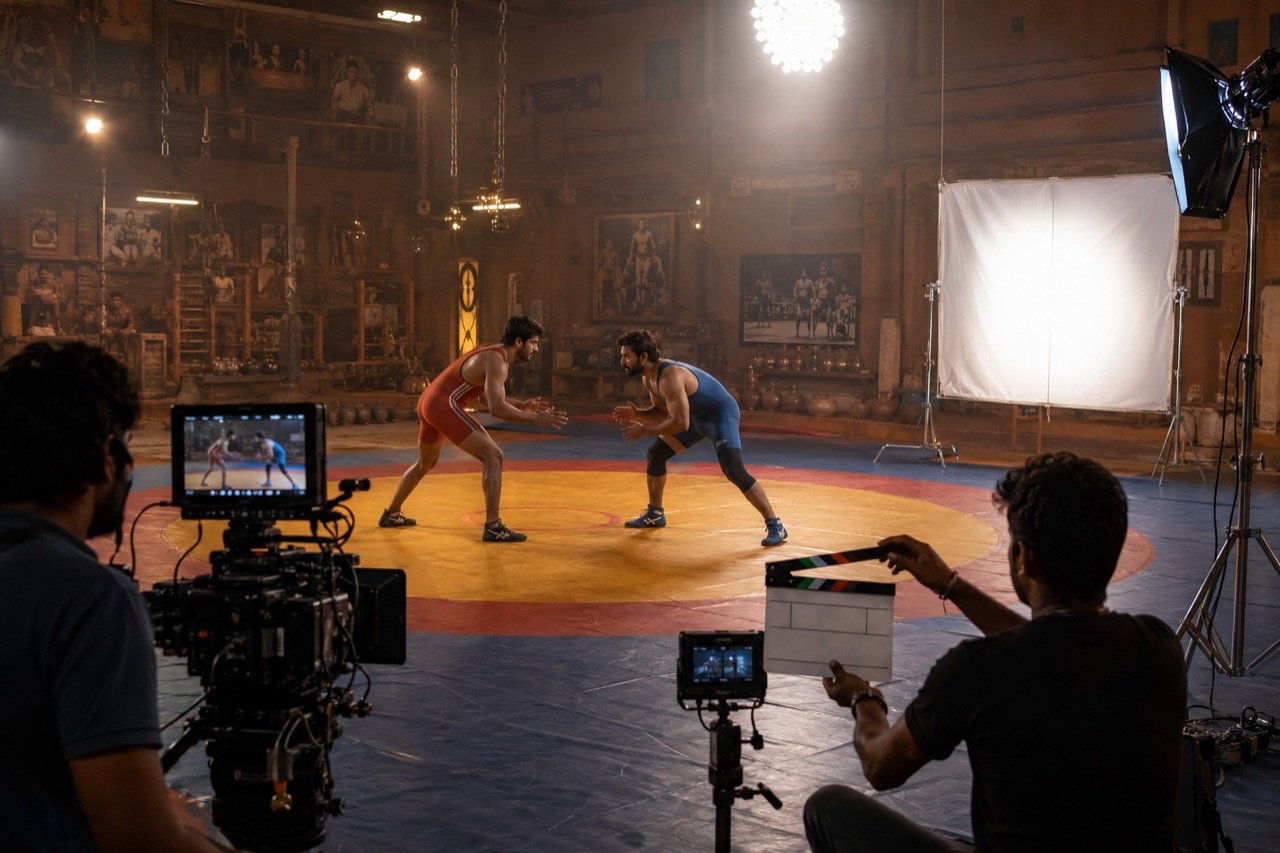
Gatta Kusthi 2 Reviews Turn Spotlight on Sequel Fatigue
Early criticism of the Vishnu Vishal and Aishwarya Lekshmi sequel argues that familiar faces and a lively premise cannot mask stretched writing, making the Tamil film a test case for franchise continuation in Indian cinema.
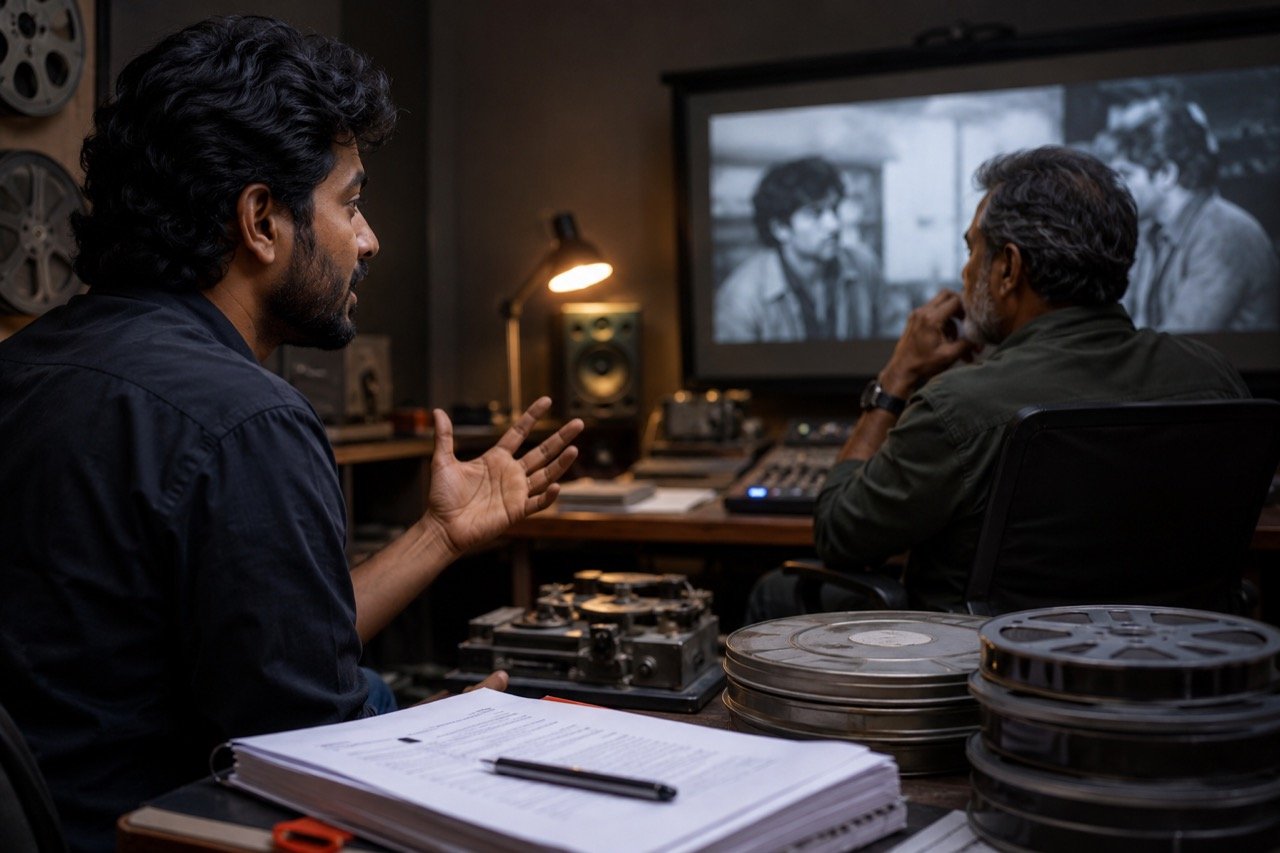
Munna Bhai Tamil Remake Story Revives Kamal Haasan Debate
An actor's recollection that a key scene was dropped from the Tamil remake of Munna Bhai has reignited discussion about Kamal Haasan's creative authorship and how Indian remakes reshape beloved originals.
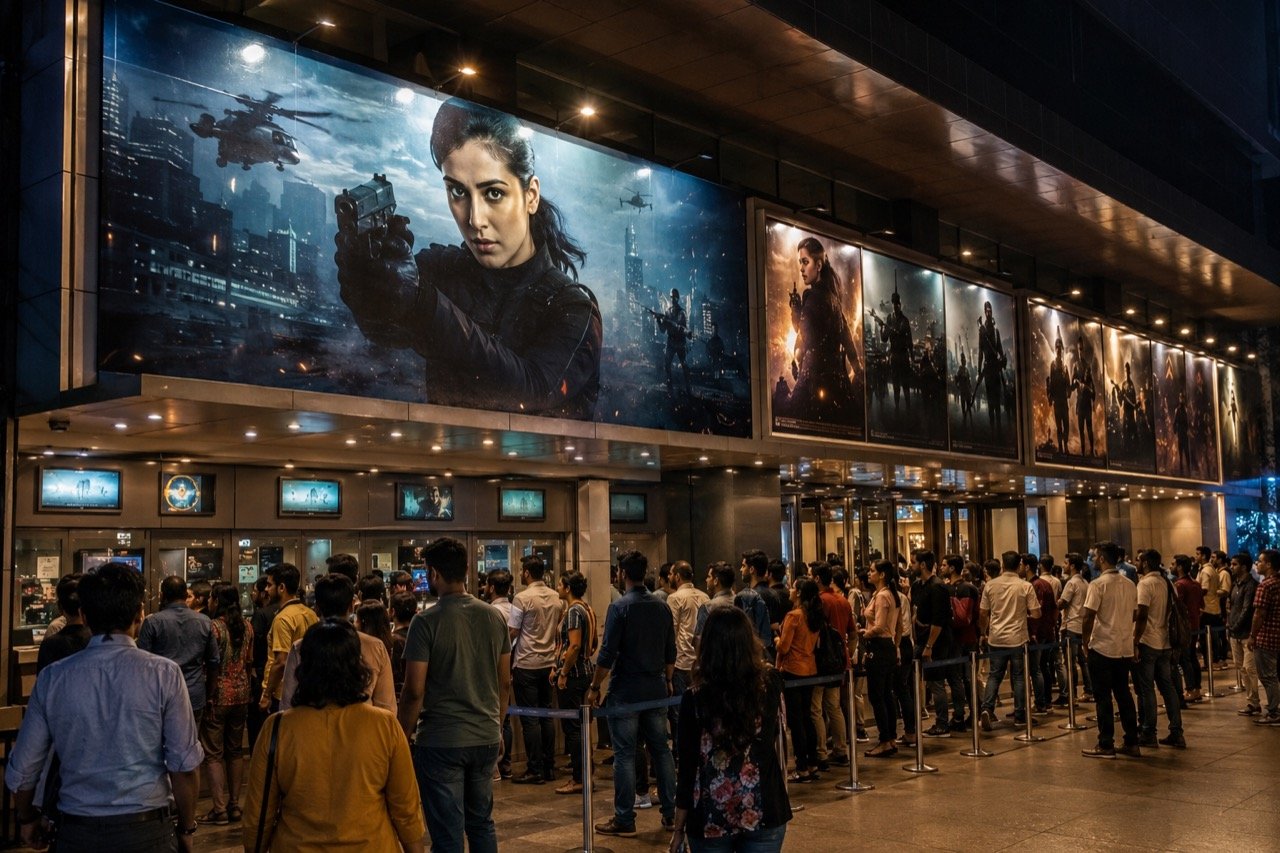
Alpha opens near Rs 16 crore as YRF's spy bet on women pays
The Alia Bhatt and Sharvari-led spy thriller has posted a reported worldwide first-day gross of nearly Rs 16 crore, setting up a crucial weekend test for women-led action in the YRF universe.
Jacqueline Fernandez Set for First Horror Lead in Bold Genre Bet
Jacqueline Fernandez is reportedly headlining her first out-and-out horror film, a striking genre pivot that arrives just as Indian horror cinema enjoys renewed commercial and creative momentum.
More from this section
More
72nd National Film Awards: Fans Back Mammootty, Allu Arjun, Sai Pallavi
Speculation around the 72nd National Film Awards is intensifying as fan communities across India's language film industries champion favourites including Mammootty, Allu Arjun and Sai Pallavi ahead of any official announcement.

Aamir Khan Marries Gauri Spratt in Private Pali Hill Ceremony
Aamir Khan and Gauri Spratt tied the knot at the actor's Pali Hill home in Mumbai on July 5, turning a deliberately small family ceremony into Bollywood's biggest story of the day.
Akanksha Chamola's Lock Upp 2 Confession Sets Reality TV Abuzz
A personal revelation by Akanksha Chamola ahead of Lock Upp 2 has handed the reality show a viral talking point, underlining how confession-driven formats continue to dominate Indian television conversation.