Gatta Kusthi 2 Reviews Turn Spotlight on Sequel Fatigue
Early criticism of the Vishnu Vishal and Aishwarya Lekshmi sequel argues that familiar faces and a lively premise cannot mask stretched writing, making the Tamil film a test case for franchise continuation in Indian cinema.
Commentary & Analysis ·

Gatta Kusthi 2 has arrived in cinemas carrying the hardest question any returning franchise faces: does it justify another round? Indian Express included the film in its July 3 review slate and concluded that the Vishnu Vishal and Aishwarya Lekshmi starrer cannot overcome weak craft — a verdict that gives the release a relevance well beyond a simple thumbs-up or thumbs-down. In an industry where sequels are increasingly treated as a default commercial strategy rather than a creative necessity, this is precisely the kind of verdict that deserves closer scrutiny, because it speaks to a pattern rather than a single film's fortunes.
What made the original work
The first Gatta Kusthi earned its audience by blending sports, comedy, marriage dynamics and gender expectations into one energetic package. That combination was not incidental. Wrestling as a backdrop gave the film physical stakes and visual dynamism, while the marital comedy angle allowed it to explore gender roles with a lightness that made social commentary palatable to a mainstream audience. The film worked because none of these elements were decorative; each fed into the other, so the sporting contest mirrored the domestic one, and the humour arose from genuine character friction rather than gags bolted onto a thin plot. Any sequel inheriting this legacy faces an unusually specific challenge: it must preserve that structural cleverness while finding a new conflict that feels necessary rather than manufactured.
Where the sequel appears to fall short
The early critical response suggests the second film struggles with exactly that balance — repeating the formula more than expanding the world. This is a familiar trap for sequels built around a strong original concept. Filmmakers and producers, aware that audiences responded to specific beats — the wrestling rivalry, the marital sparring, the comic timing between the leads — often choose to reproduce those beats rather than risk alienating fans with genuine evolution. The result, when it goes wrong, is a film that feels like a tribute act to its predecessor rather than a continuation of it. If Indian Express's assessment holds, Gatta Kusthi 2 has fallen into this trap: familiar enough to be recognisable, but without the freshness that justified the first film's premise in 2022.
Sequel fatigue is now an industry problem
Across Indian cinema, audiences have shown they will embrace franchises that deepen characters, raise stakes or deliver a more confident genre experience. They are far less forgiving when a sequel appears to lean on brand recall alone. This is not a uniquely Tamil or even uniquely Indian phenomenon, but it carries particular weight in industries where mid-budget films depend heavily on word-of-mouth and repeat viewership rather than blanket promotional spends. Gatta Kusthi 2 has therefore become part of a broader conversation about when popular titles genuinely deserve continuation. The pattern is worth naming plainly: a sequel greenlit primarily because the first instalment performed well is a different proposition from a sequel greenlit because there is an unresolved or unexplored story left to tell. Audiences, critics included, are becoming more attuned to spotting the difference, and their patience for the former is visibly thinning.
Why the review cycle matters, and why it isn't final
The review cycle will not necessarily seal the film's commercial fate. Family audiences, regional loyalty and a streaming afterlife can all reshape how a title is ultimately received. Tamil cinema in particular has repeatedly shown that opening weekend reviews and eventual box-office or long-tail streaming performance can diverge, sometimes considerably. A film dismissed by critics for weak writing may still find an audience among viewers who prioritise the comfort of familiar faces and a proven premise over narrative ambition. But the first wave of criticism matters regardless, because it tells undecided viewers what kind of experience to expect — and here the headline is that the craft debate now sits at the centre of the film's public identity. Once a film becomes known primarily for the question of whether it justifies its own existence, that framing tends to follow it through its theatrical run and into its afterlife on streaming platforms, shaping expectations long before most viewers actually watch it.
The stakes for the wider industry
What happens to Gatta Kusthi 2 commercially will likely be read by producers and studios as a signal about audience tolerance for formula-driven sequels more broadly. If a film with a beloved original, recognisable stars and a proven premise still struggles to convince critics and, in turn, undecided viewers, that outcome carries a warning for every mid-budget franchise contemplating a second instalment on the strength of nostalgia alone. It also has implications for how writers' rooms and production houses approach the sequel-greenlighting process itself — whether continuations are treated as a creative brief requiring fresh conflict, or simply as a commercial extension of an existing brand.
The NE Times View
The lesson of Gatta Kusthi 2 is not that sequels are doomed but that goodwill is a depreciating asset. Tamil cinema's mid-budget franchises live or die on writing, because they cannot hide behind pan-India spectacle budgets. Unlike big-ticket productions that can lean on scale, star power across multiple markets, or expansive marketing campaigns to paper over narrative shortcomings, films of this budget tier depend almost entirely on the strength of their script and the loyalty of a core audience. If producers greenlight continuations on brand recall alone, they risk training audiences to wait for streaming — a slow bleed the theatrical business can ill afford, particularly at a time when streaming windows continue to shrink and viewers have more alternatives than ever for how and when they consume a film. The smarter path is fewer sequels, made only when a story genuinely demands a second chapter. Studios that internalise this distinction — between a sequel that is earned and one that is merely scheduled — are likely to be better placed for sustained audience trust than those chasing the next instalment simply because the last one worked.
Key takeaways
- Indian Express's July 3 review slate found Gatta Kusthi 2, starring Vishnu Vishal and Aishwarya Lekshmi, unable to overcome weak craft despite the goodwill of its predecessor.
- The original succeeded by fusing sports, comedy and marital gender dynamics into a single coherent narrative; early reviews suggest the sequel repeats this formula rather than expanding it.
- The film has become a reference point in a wider industry conversation about sequel fatigue and when franchises genuinely deserve continuation.
- Family viewing patterns, regional loyalty and streaming afterlife could still alter the film's commercial outcome, even if the critical consensus does not shift.
- Mid-budget Tamil franchises depend on writing quality rather than spectacle, making disciplined, story-driven sequel decisions essential to sustaining theatrical audience trust.
You may also like to read
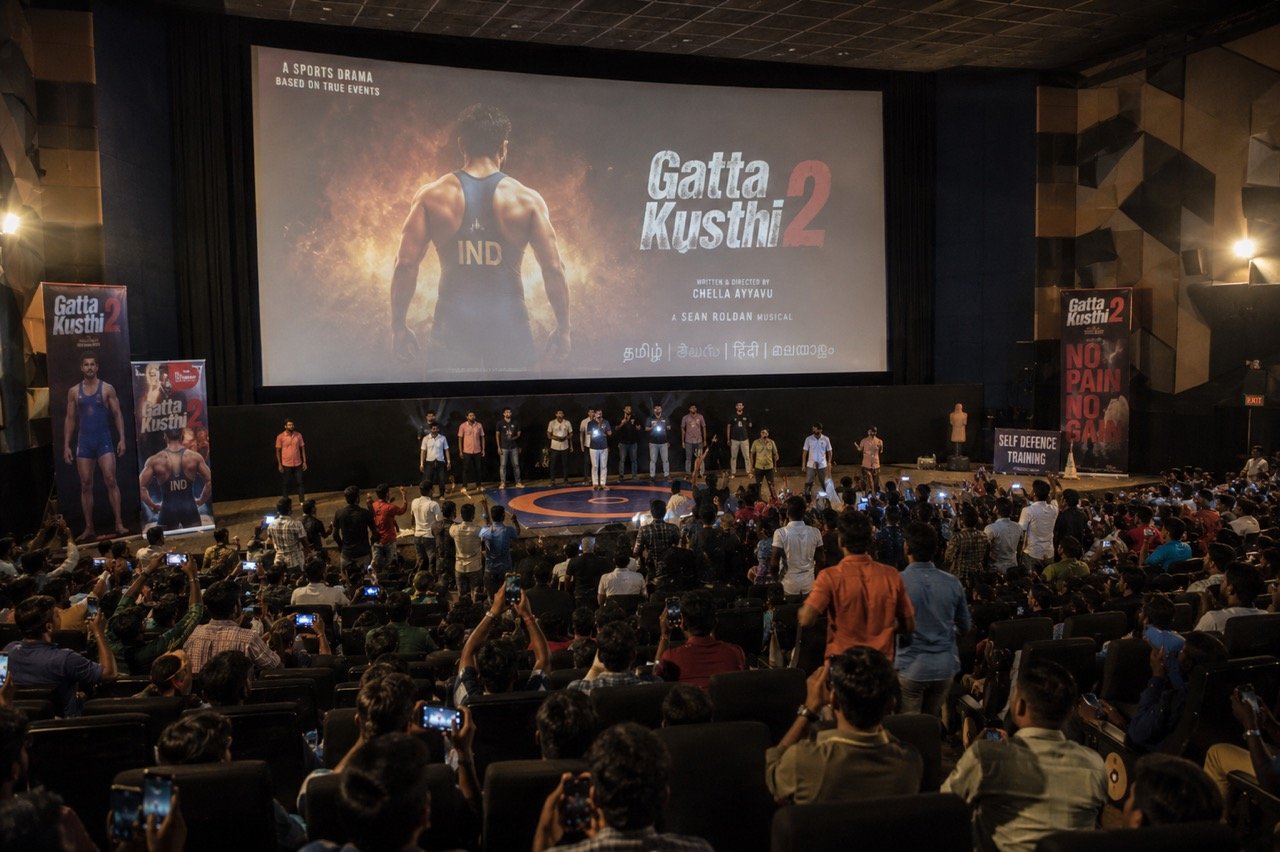
Gatta Kusthi 2 Buzz: Screening Puts Tamil Sports Sequel in Focus
Fresh screening coverage has pushed Gatta Kusthi 2 back into Tamil cinema conversations, spotlighting the wrestling franchise's mix of sport, humour and its running commentary on women's agency.
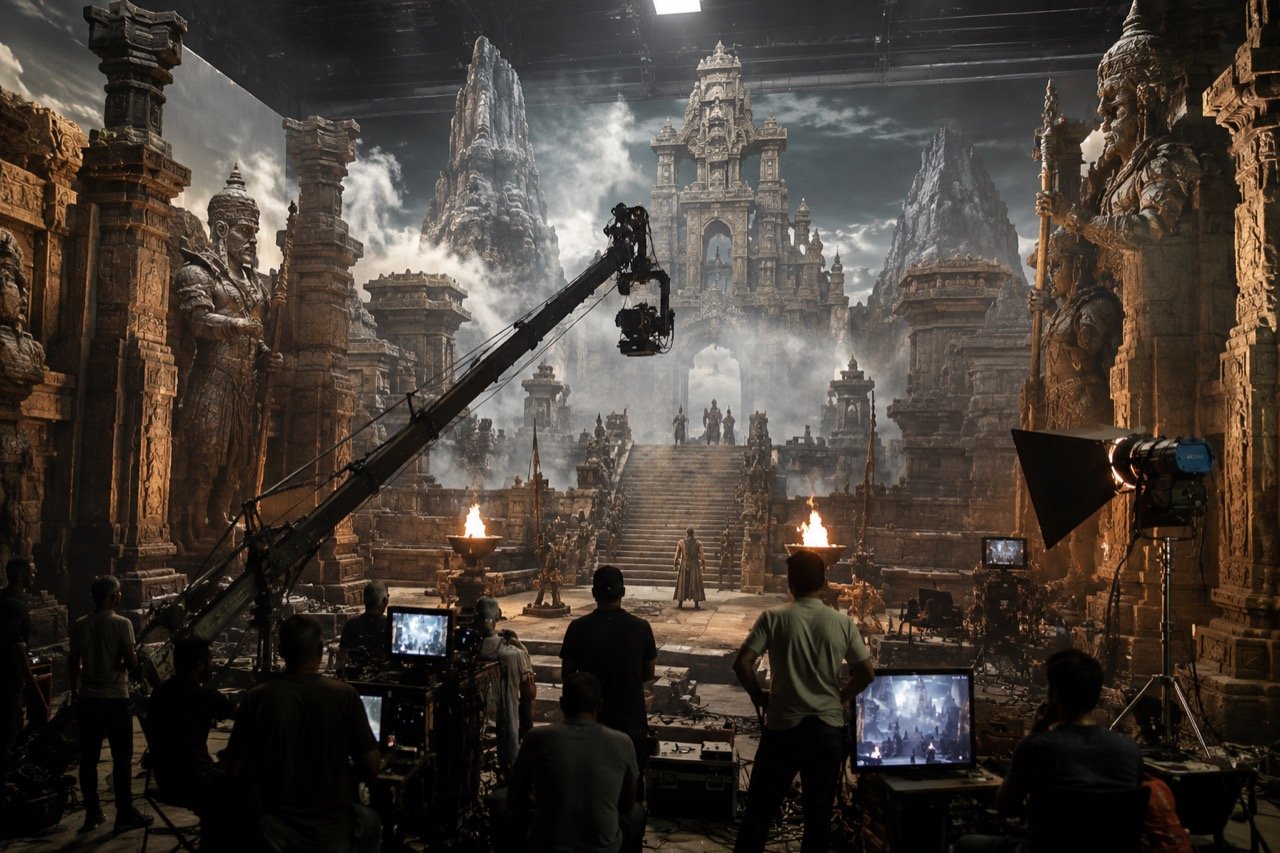
Nagabandham Reviews Reignite the Spectacle-vs-Story Debate
Early review coverage frames Nagabandham as a visually ambitious mythological fantasy still searching for a narrative spine, sharpening a familiar debate over whether scale alone can carry effects-heavy Indian cinema.

Gatta Kusthi 2 OTT Release Buzz Grows After Theatrical Debut
Vishnu Vishal and Aishwarya Lekshmi's Tamil sports comedy sequel Gatta Kusthi 2 has opened in cinemas, and audiences are already searching for details of its eventual streaming home.
Munna Bhai Tamil Remake Story Revives Kamal Haasan Debate
An actor's recollection that a key scene was dropped from the Tamil remake of Munna Bhai has reignited discussion about Kamal Haasan's creative authorship and how Indian remakes reshape beloved originals.
More from this section
More
72nd National Film Awards: Fans Back Mammootty, Allu Arjun, Sai Pallavi
Speculation around the 72nd National Film Awards is intensifying as fan communities across India's language film industries champion favourites including Mammootty, Allu Arjun and Sai Pallavi ahead of any official announcement.

Aamir Khan Marries Gauri Spratt in Private Pali Hill Ceremony
Aamir Khan and Gauri Spratt tied the knot at the actor's Pali Hill home in Mumbai on July 5, turning a deliberately small family ceremony into Bollywood's biggest story of the day.
Akanksha Chamola's Lock Upp 2 Confession Sets Reality TV Abuzz
A personal revelation by Akanksha Chamola ahead of Lock Upp 2 has handed the reality show a viral talking point, underlining how confession-driven formats continue to dominate Indian television conversation.