RGPV Bhopal Paper Theft Forces Exam Cancellation, FIR Filed
Nine bundles of question papers went missing from the examination branch of Rajiv Gandhi Proudyogiki Vishwavidyalaya in Bhopal, forcing authorities to cancel the exam and register a police case.
Commentary & Analysis ·
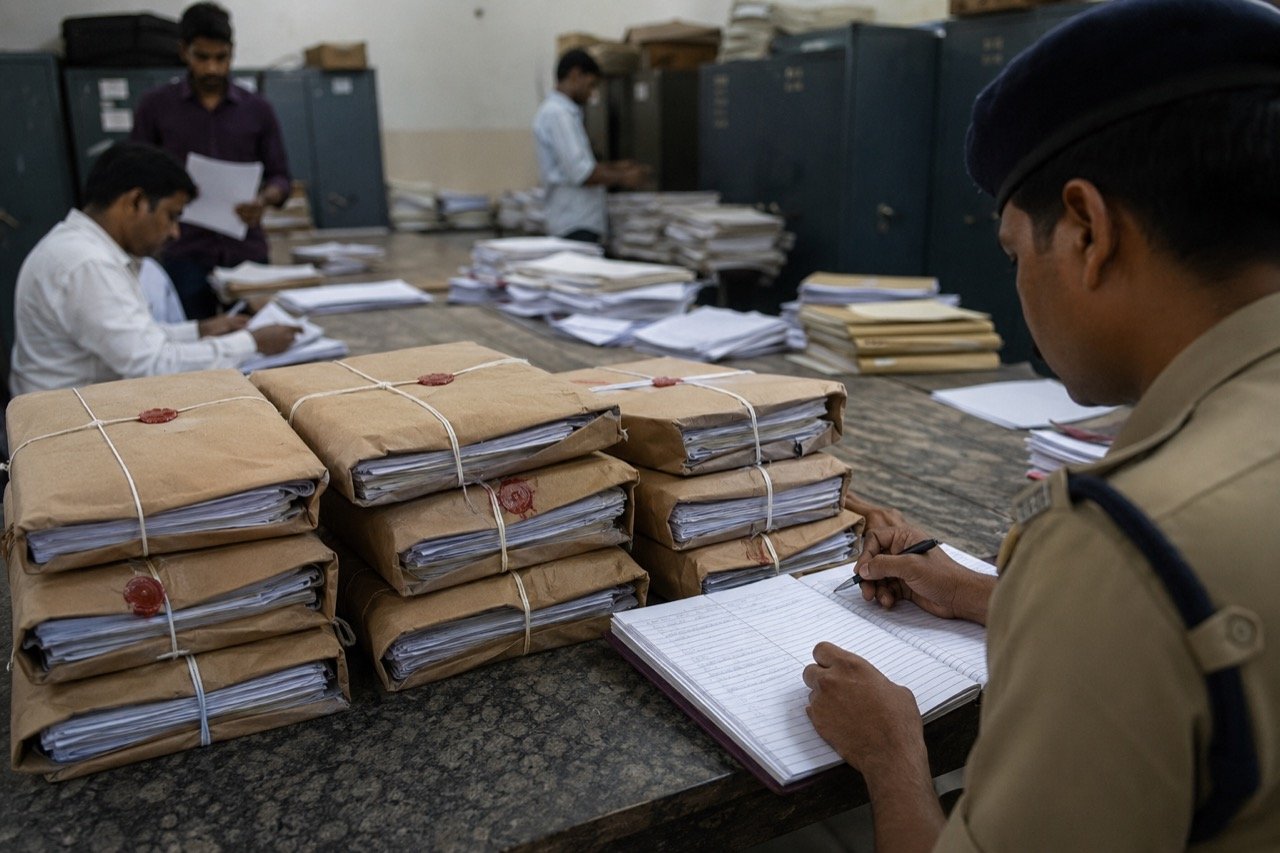
A brazen theft of question papers at Rajiv Gandhi Proudyogiki Vishwavidyalaya (RGPV) in Bhopal has forced authorities to call off a scheduled examination and register a police case, putting the spotlight once again on how India's universities safeguard confidential exam material. According to reports, nine bundles of question papers went missing from the university's examination branch — the very office tasked with keeping them secure. Once the loss was discovered, officials moved quickly to postpone the affected exam and lodge a First Information Report so police could begin tracing how the papers disappeared.
A breach at the most protected link
Exam security sits at the heart of student trust in any institution. A last-minute cancellation upends preparation schedules, forces students to sit in limbo until fresh dates are announced, and inflicts a level of anxiety that no revision plan can absorb. For outstation students, a rescheduled paper can also mean fresh travel and accommodation costs, an additional burden that falls entirely on families who had no part in the failure that caused it.
The deeper concern is custody. Question papers pass through a defined chain — printing, sealed storage, controlled release on exam day — and a theft from the examination branch itself suggests that chain broke at its most protected link. This is not a case of a paper leaking from a printing press outside the university's control, or from a courier in transit. It went missing from the office whose entire purpose is to prevent exactly this. That distinction matters enormously, because it narrows the pool of plausible explanations and raises uncomfortable questions about who inside the system had access, and why nine separate bundles could vanish without immediate detection.
Why the number and location matter
Nine bundles is not a trivial slip of a single folder. Multiple bundles going missing at once points either to a systemic lapse in how papers are logged, stored and cross-checked, or to a deliberate and somewhat organised act rather than a one-off accident. Either explanation is troubling in its own way. A systemic lapse would mean the university's basic inventory and custody controls are inadequate across the board, not just vulnerable to a rare exploit. A deliberate act would mean someone with legitimate access — or someone who exploited a gap in access controls — was able to remove sensitive material from a secured office without being stopped or immediately noticed.
Even if police identify the culprits, RGPV will still need to demonstrate to students that its storage and access protocols have been overhauled. An arrest, however swift, addresses the individual case; it does not by itself prove that the same gap could not be exploited again in a future exam cycle.
The immediate fallout for students
The confirmed facts so far are a security breach at the examination branch, the postponement of the affected exam, and the registration of an FIR. For the students whose paper was called off, this means an unplanned wait for a new date, disrupted revision timetables, and the psychological toll of having an exam they were prepared to sit suddenly pulled out from under them. Those preparing for other papers in the same cycle will also be watching closely, uncertain whether the breach was contained to a single exam or whether it touches material for subsequent tests as well.
This uncertainty is itself a cost. Even before the police probe delivers any conclusions, students are left managing anxiety about the integrity of exams they have not yet sat, wondering whether the university can vouch for the papers still in its custody.
What the investigation will need to establish
The police probe will determine whether the theft was an inside job, whether the stolen papers were circulated, and whether other examinations were compromised. Each of these questions carries different consequences. If the papers were circulated before the theft was discovered, the exam cancellation may not be enough on its own — the university would need to consider whether any candidates gained improper advance access to questions, and whether results from related papers already conducted require scrutiny. If the theft turns out to be an inside job, it raises institutional questions about vetting, supervision and internal checks within the examination branch itself, well beyond the theft of these nine bundles.
Until the investigation reaches firmer conclusions, RGPV and the state's education authorities are left in the difficult position of managing student anxiety without being able to offer full clarity on what exactly happened and how far it extends.
The NE Times View
Madhya Pradesh has lived through the long shadow of the Vyapam scandal, and any breach of exam integrity in the state carries a weight beyond a single postponed paper. That history means institutions like RGPV do not get the benefit of the doubt that a first-time incident elsewhere might receive; scrutiny of any exam-security lapse in the state is, and should be, heightened. Students bear the cost of institutional failure every time custody procedures lapse, and an FIR alone does not repair that trust. Filing a police case is a necessary procedural step, but it is not a substitute for the university explaining, in plain terms, exactly how nine bundles of confidential material left its custody unnoticed.
RGPV owes its students a transparent account of how nine bundles vanished from a supposedly secure office, and the state's universities should treat this as a prompt to audit paper-handling from press to exam hall. That audit should not be limited to RGPV alone; if one university's examination branch could be breached this way, others operating under similar physical-custody systems may share the same vulnerabilities, whether or not they have yet been tested by an actual theft. Until digital or just-in-time paper delivery becomes the norm, physical custody must be treated with the seriousness of a currency vault — logged, monitored, and accessible to the fewest possible hands at every stage between printing and the exam hall.
Key takeaways
- Nine bundles of question papers went missing from RGPV Bhopal's examination branch, prompting the postponement of the affected exam and the filing of an FIR.
- The breach occurred at the examination branch itself, the most secure link in the custody chain, raising serious questions about internal access controls.
- Police must establish whether the theft was an inside job, whether papers were circulated, and whether other exams were compromised.
- Students face rescheduling disruption, added costs, and anxiety until the university and police provide fuller clarity.
- Given Madhya Pradesh's history with the Vyapam scandal, RGPV and other state universities should treat this as a trigger for a wider audit of paper-handling procedures.
You may also like to read
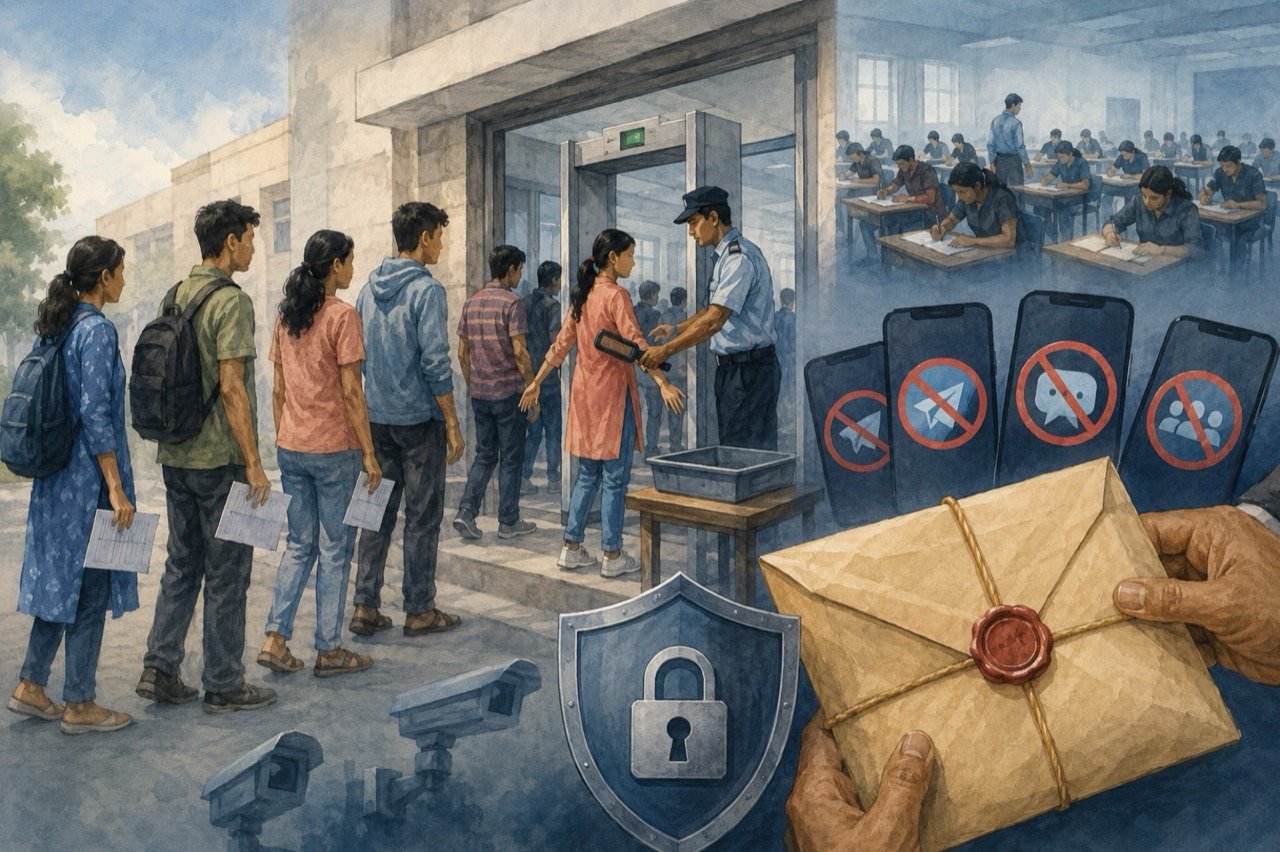
NEET UG Retest Puts Exam Security, Telegram Ban and Misinformation Under Scrutiny
More than two million students resat NEET UG 2026 under tight security after the May paper was scrapped, as the NTA probed a fake video and a temporary Telegram block drew debate.

NRI Marriage Registration Proposal Enters Madhya Pradesh UCC Debate
A BJP submission to Madhya Pradesh's Uniform Civil Code committee proposes registering NRI marriages within a week and linking them to passports, aiming to curb abandonment in cross-border unions.

OTET 2026 Moved to July 5 After Clash With OSSSC Exam Sparks Protests
Odisha's Teacher Eligibility Test has been rescheduled to July 5 after candidates flagged a date clash with an OSSSC recruitment exam, a shift that spotlights how poorly coordinated exam calendars can cost aspirants opportunities.

NEET-UG Fake Leak Video Sparks Probe as Exam Misinformation Comes Under Scrutiny
Police and exam authorities are hunting the creators of a fake NEET-UG paper-leak video that spread online around the retest, stoking panic among students and exposing how fast misinformation can erode trust.
More from this section
More
AICTE Industry Fellowship 2026: Rs 1.5 Lakh Scheme Closes July 5
The AICTE Industry Fellowship Programme 2026, which places technical-education faculty inside leading companies on a Rs 1.5 lakh monthly stipend, reached its application deadline on July 5.
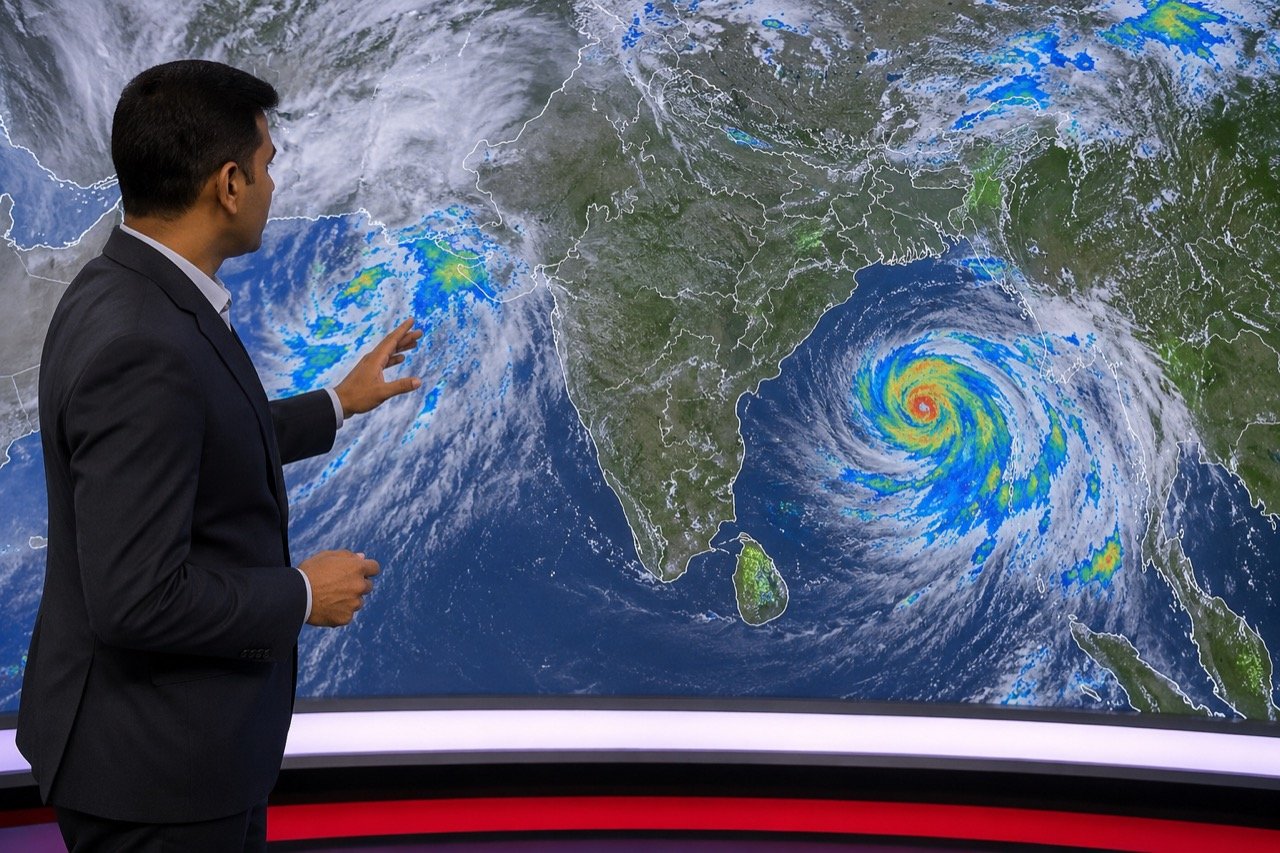
Bay of Bengal Low Pressure System Revives Monsoon Over Western India
A low-pressure system over the Bay of Bengal has pushed the monsoon back into an active phase, bringing steady heavy rain to Kerala, coastal Karnataka and Maharashtra, and putting Mumbai and Pune on preparedness watch.
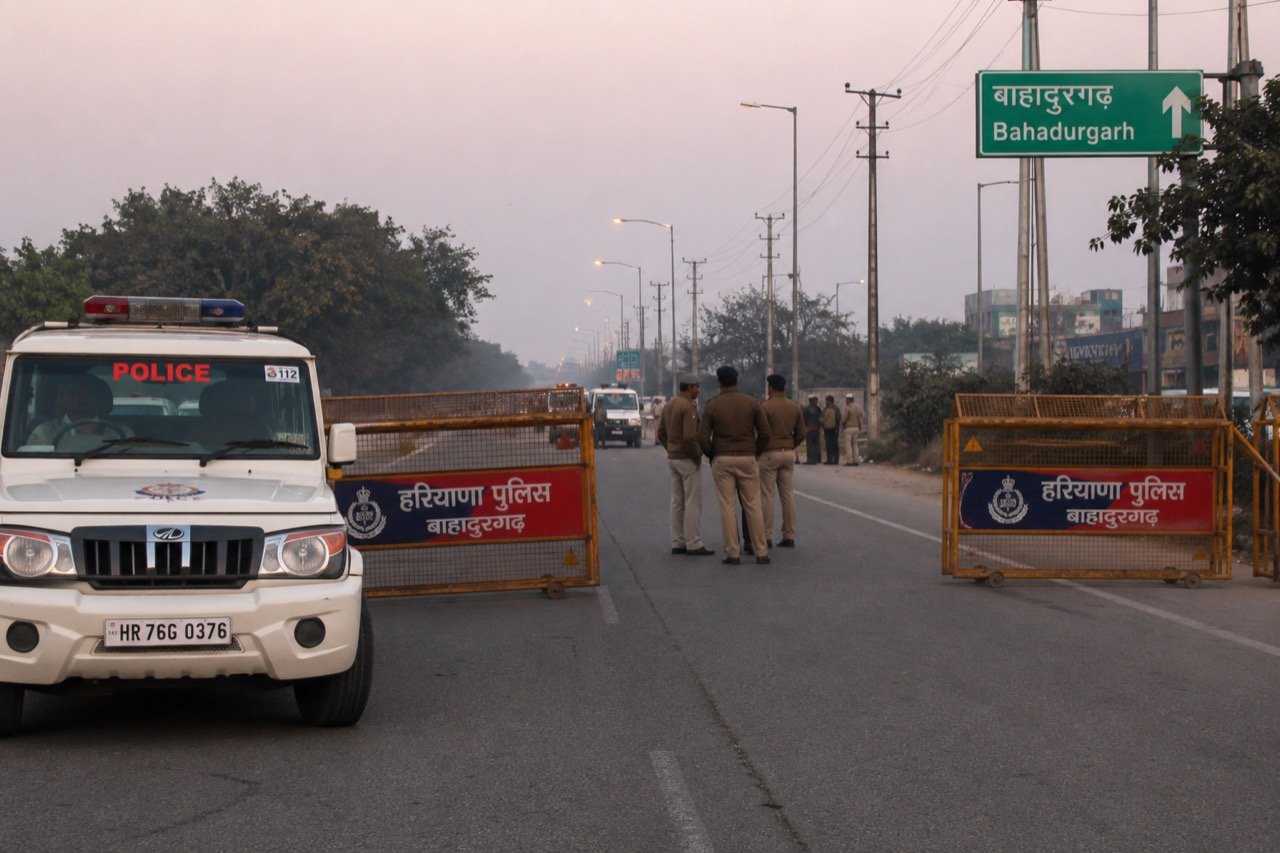
Bishnoi Gang Suspects Injured in Haryana Encounter as Police Tighten Net
A joint Haryana-Delhi Police operation in Bahadurgarh left two suspected Lawrence Bishnoi gang members injured, spotlighting the multi-state coordination now central to India's fight against organised crime networks.