NRI Marriage Registration Proposal Enters Madhya Pradesh UCC Debate
A BJP submission to Madhya Pradesh's Uniform Civil Code committee proposes registering NRI marriages within a week and linking them to passports, aiming to curb abandonment in cross-border unions.
Commentary & Analysis ·
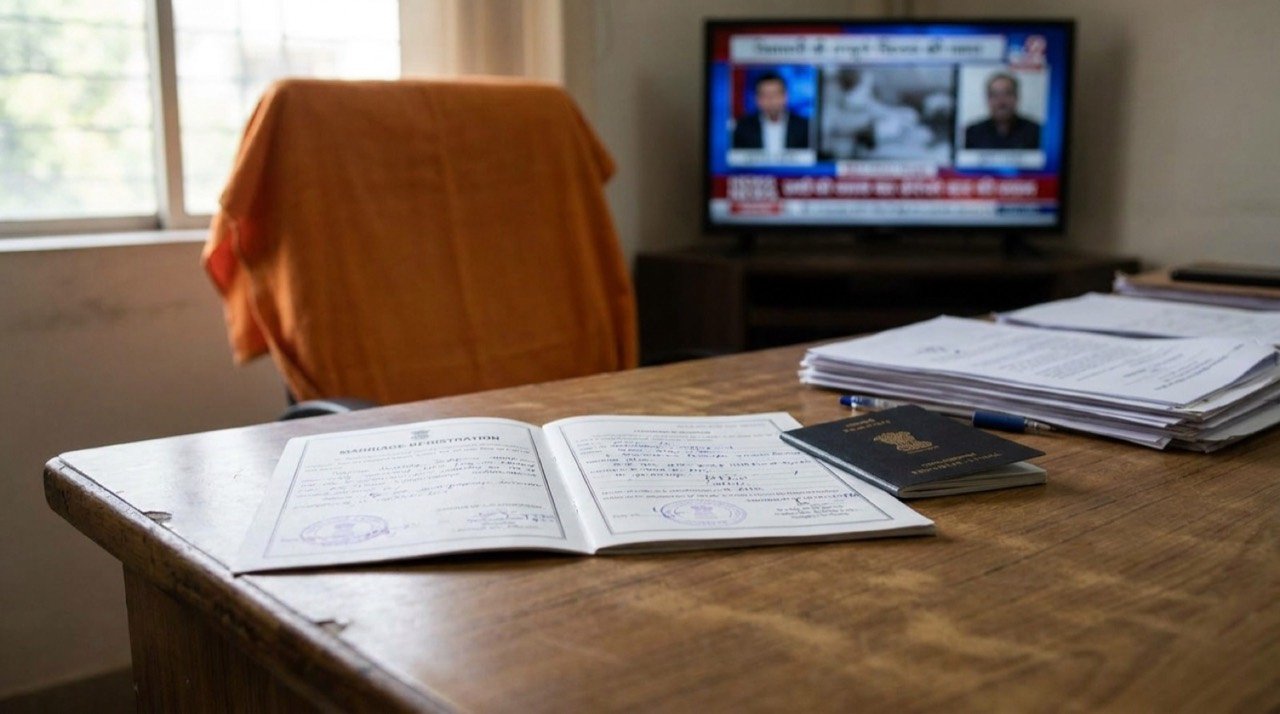
A proposal to tighten the rules around marriages involving non-resident Indians has entered the debate over a Uniform Civil Code (UCC) in Madhya Pradesh. According to public reporting, the BJP has submitted to the state's UCC committee a recommendation that NRI marriages be registered within a week and linked with passports, alongside a call for stricter action on child marriage. Taken together, the submission folds two long-standing concerns in Indian family law, the vulnerability of spouses in cross-border unions and the persistence of child marriage, into a single set of recommendations for a committee that is still shaping the contours of the state's UCC.
What the proposal recommends
The central idea behind the submission is speed and traceability. By requiring registration within seven days of the wedding and tying that record to passport documentation, the party argues that the state would create a clear official trail for marriages that straddle international borders. This is a notable departure from the way many NRI marriages are currently documented, where registration can lag well behind the ceremony itself, sometimes by months, and where the paper trail that exists may sit in different registries with little connection to travel or immigration records. Linking marriage registration to a passport effectively means that a spouse's identity document becomes bound to the marital record, at least on paper, from the outset.
The submission also urges tougher measures against child marriage, a subject that has featured prominently in UCC discussions nationally and within Madhya Pradesh specifically. By presenting the NRI registration proposal and the child marriage recommendation together, the BJP appears to be framing both as part of a broader push to modernise and standardise the state's approach to marriage regulation, rather than treating them as unrelated reforms.
The problem it seeks to address
The BJP's stated rationale is that such rules could reduce cases of abandonment in cross-border marriages and improve legal traceability when a spouse, often a woman left behind in India, seeks recourse. This is not a hypothetical concern. Abandonment in NRI unions has long been a difficult area precisely because documentation is patchy and jurisdictions overlap, meaning that a marriage solemnised in India, or abroad, involving a spouse who then relocates or simply disappears from contact, can leave the remaining partner with few immediate legal options. Cases can stretch across years, with the abandoned spouse forced to navigate courts in more than one country, uncertain visa and immigration processes, and the basic challenge of even establishing where the other party currently resides.
For families caught in such situations, the difference between a registered, passport-linked marriage and an undocumented one can determine whether legal remedies are accessible or whether they face prolonged uncertainty. A marriage record that is created promptly and tied to a passport number, at least in theory, gives authorities and courts a fixed reference point: proof that the marriage took place, when it took place, and who the parties were, rather than relying solely on wedding photographs, community testimony or informal documentation that can be contested or simply unavailable when a dispute later arises.
Why it is politically sensitive
The proposal lands in contested territory because UCC debates touch family law, gender justice, religion and the reach of state authority all at once. Any move to standardise marriage rules invites scrutiny over how it interacts with diverse personal-law traditions that currently govern marriage, divorce and inheritance differently across religious communities. A uniform registration requirement, even one framed narrowly around NRI marriages, sits inside this larger and more delicate conversation about how far a state government should go in imposing common procedural rules atop practices that have historically varied by community and custom.
This sensitivity is compounded by the fact that UCC committees, in Madhya Pradesh as elsewhere, are working through a patchwork of submissions from political parties, civil society groups and legal experts, each with different priorities. A recommendation focused specifically on NRI marriages and child marriage is likely to be read by different audiences in different ways: as a targeted, practical fix by those focused on protecting vulnerable spouses, and as one more data point in a wider ideological debate by those watching the UCC process for its implications for religious personal law more broadly.
The enforcement question
Even if the committee were to accept the proposal in full, the harder question is how such a rule would actually be enforced once a spouse has left Indian jurisdiction. A seven-day registration deadline is straightforward to state but considerably harder to police, particularly when one party to the marriage is overseas, potentially in a country with its own separate immigration and family law systems, and with limited appetite or legal basis to cooperate with an Indian state-level administrative requirement. Passport linkage may improve the quality of the record that exists in India, but it does not by itself compel a spouse living abroad to respond to legal notices, appear in Indian courts, or comply with maintenance or custody orders.
This points to a structural limitation that often affects state-level family law reforms aimed at cross-border situations: the state can regulate what happens within its own registries and courts, but it has limited direct reach into consular processes, foreign visa systems or the cooperation of another country's authorities. Meaningful protection for abandoned spouses in NRI marriages has historically required coordination between state governments, the central government's external affairs and consular machinery, and in some cases foreign courts, none of which a state-level registration rule can, on its own, guarantee.
What to watch next
As the UCC committee weighs submissions, the NRI registration idea is likely to feature in a wider conversation about balancing legal protection for vulnerable spouses against the complexities of personal law. How the committee treats the recommendation, whether it is adopted in its current form, modified, folded into a broader marriage registration framework, or set aside, will signal the direction of Madhya Pradesh's UCC deliberations more generally. It will also be worth watching whether the state government seeks any coordination with central authorities on the consular and cross-border enforcement questions that a purely state-level rule cannot resolve by itself, since that coordination would likely determine whether the proposal has real protective effect or remains largely symbolic.
The NE Times View
Linking NRI marriage registration to passports targets a real and painful problem, the abandonment of spouses in cross-border unions. But enforcement across jurisdictions is the hard part a one-week deadline cannot solve. The proposal is well-intentioned and worth examining, yet it risks becoming symbolic unless backed by consular machinery and legal teeth abroad. Protecting abandoned spouses requires more than a registration rule; it requires the follow-through of institutions that can act once a spouse has left the state's, and the country's, jurisdiction. The committee's handling of this specific recommendation may therefore serve as a useful early test of how the broader UCC process intends to balance principle with practical enforceability.
Key takeaways
- The BJP has proposed to Madhya Pradesh's UCC committee that NRI marriages be registered within seven days and linked to passports, alongside stricter action on child marriage.
- The stated aim is to reduce abandonment in cross-border marriages by improving documentation and legal traceability for spouses left in India.
- The proposal sits within the broader, politically sensitive UCC debate over standardising family law across diverse personal-law traditions.
- A central weakness is enforcement: a state-level registration deadline has limited power once a spouse has left Indian jurisdiction, absent consular and cross-border cooperation.
- How the UCC committee responds to this specific recommendation will offer an early signal of the direction and rigour of Madhya Pradesh's wider UCC deliberations.
You may also like to read
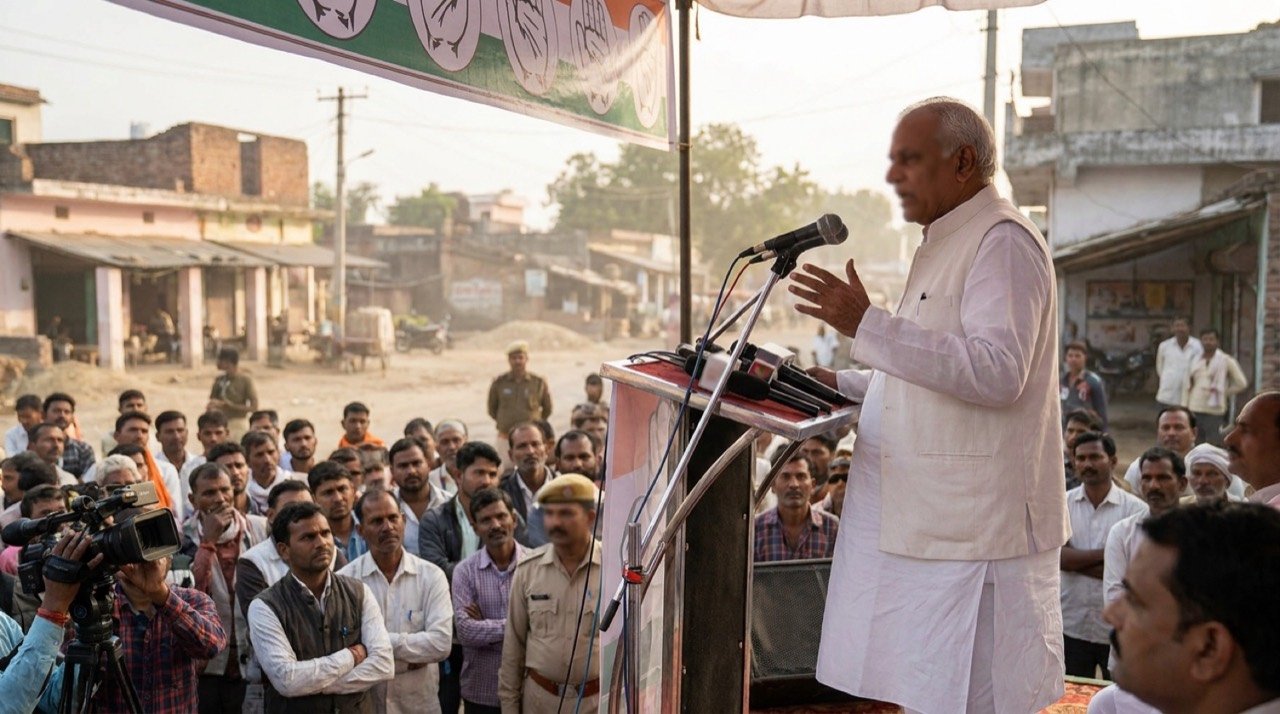
Vijayvargiya's 'Don't Use Our Roads' Remark Sparks Political Row in Madhya Pradesh
A reported comment by Madhya Pradesh minister Kailash Vijayvargiya linking public road use to political loyalty has triggered a sharp clash over civic rights and the language of public office.
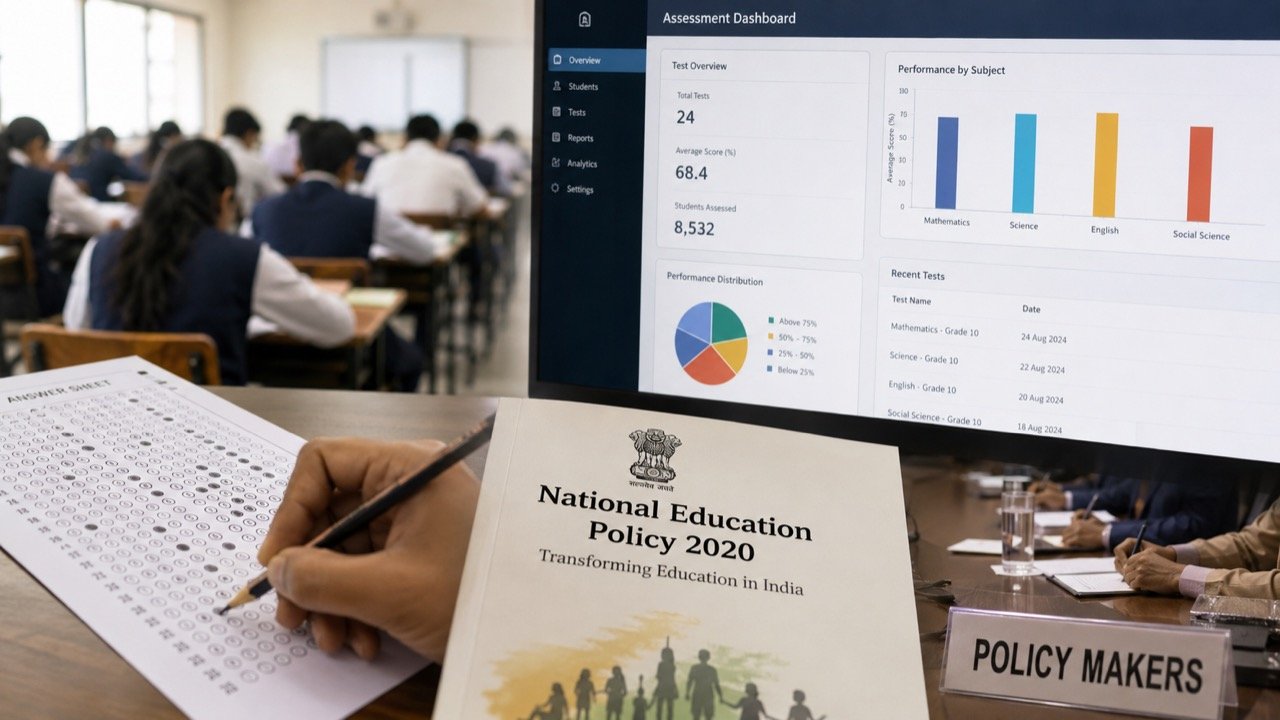
NITI Aayog MCQ Exam Proposal Revives Assessment Quality Debate
A NITI Aayog-linked recommendation backing multiple-choice exams has reignited India's debate over whether standardised testing can measure real learning without rewarding rote memorisation and coaching patterns.
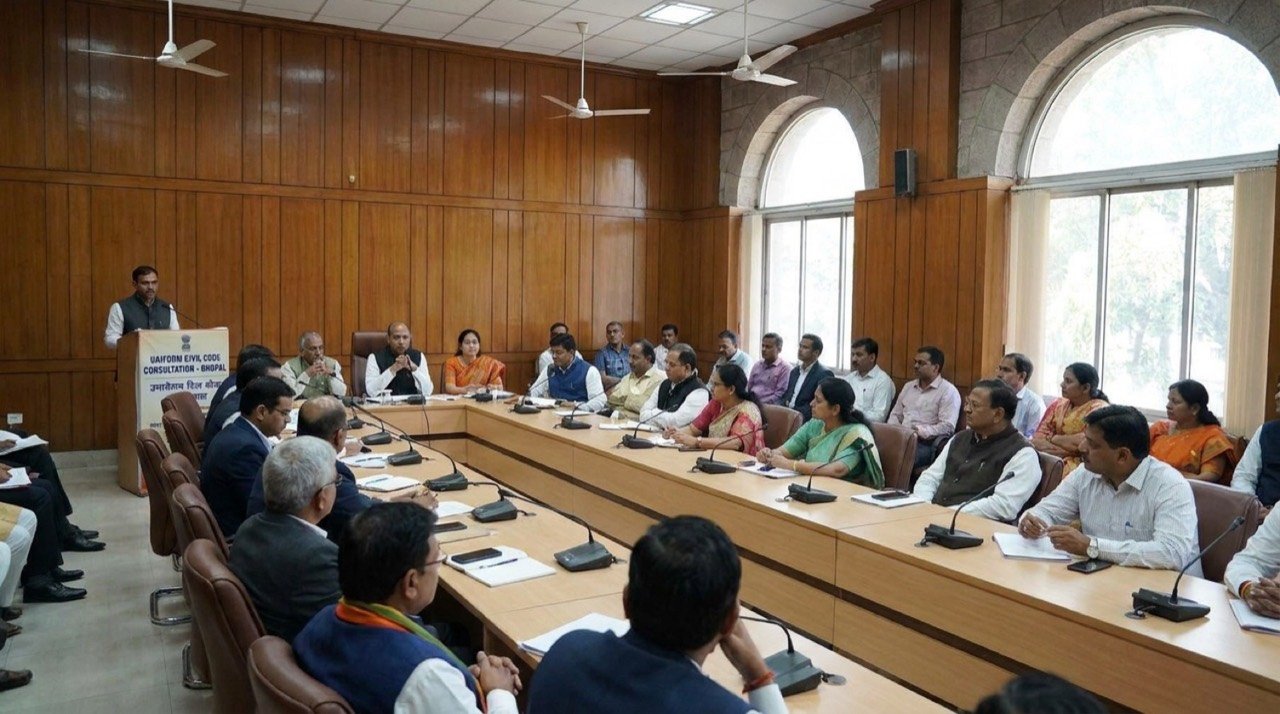
Madhya Pradesh Uniform Civil Code Draft Nears as Bhopal Talks Conclude
After a marathon seven-hour stakeholder meeting in Bhopal, Madhya Pradesh's committee signals a uniform civil code draft could land by early July, even as most opposition parties stay away.
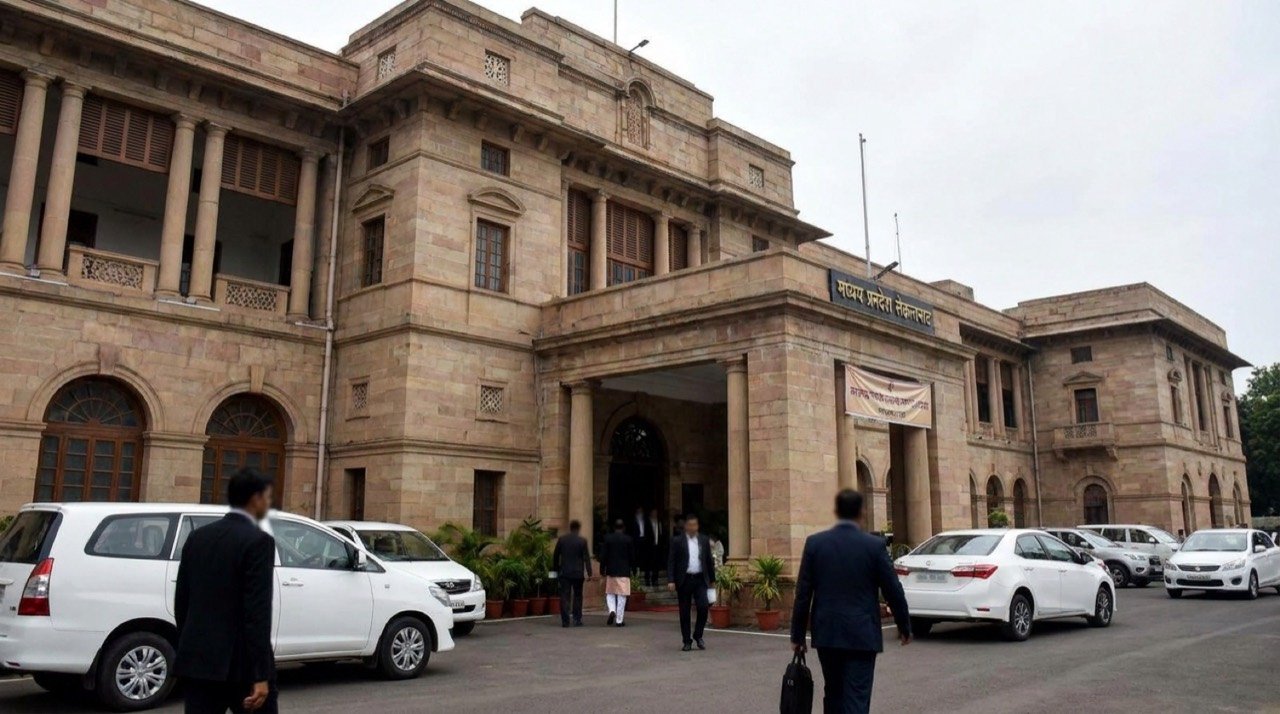
Madhya Pradesh Moves Closer to a Uniform Civil Code Draft as Consultations Advance
Madhya Pradesh is preparing a draft Uniform Civil Code covering marriage, divorce, inheritance and adoption, setting up a politically sensitive debate over religion, gender justice and state powers.
More from this section
More
AICTE Industry Fellowship 2026: Rs 1.5 Lakh Scheme Closes July 5
The AICTE Industry Fellowship Programme 2026, which places technical-education faculty inside leading companies on a Rs 1.5 lakh monthly stipend, reached its application deadline on July 5.

Bay of Bengal Low Pressure System Revives Monsoon Over Western India
A low-pressure system over the Bay of Bengal has pushed the monsoon back into an active phase, bringing steady heavy rain to Kerala, coastal Karnataka and Maharashtra, and putting Mumbai and Pune on preparedness watch.
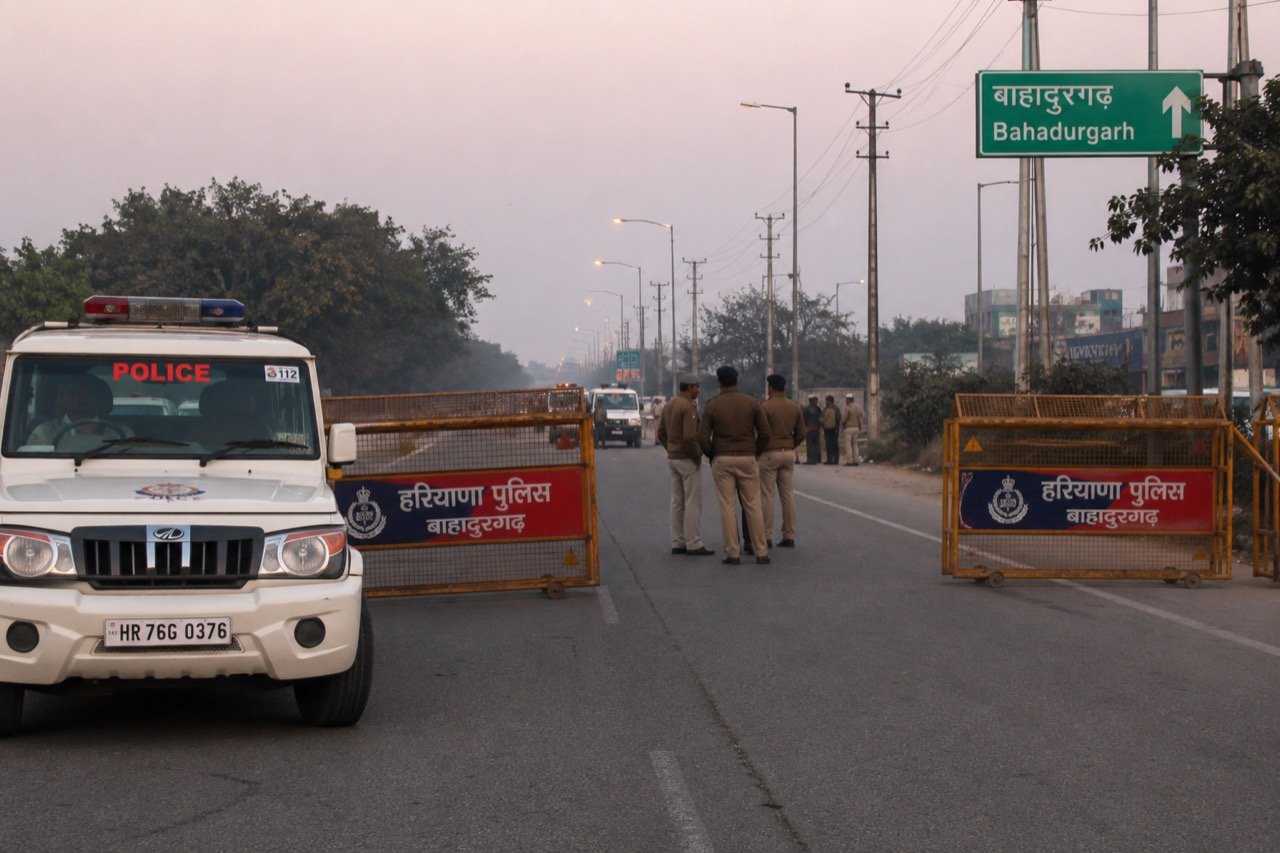
Bishnoi Gang Suspects Injured in Haryana Encounter as Police Tighten Net
A joint Haryana-Delhi Police operation in Bahadurgarh left two suspected Lawrence Bishnoi gang members injured, spotlighting the multi-state coordination now central to India's fight against organised crime networks.