Maharashtra Weighs MCOCA Charges In TET Paper Leak Crackdown
Maharashtra may invoke the stringent organised crime law MCOCA against those accused in the TET exam paper leak, while a chief secretary-led panel examines whether state exams should move online.
Commentary & Analysis ·
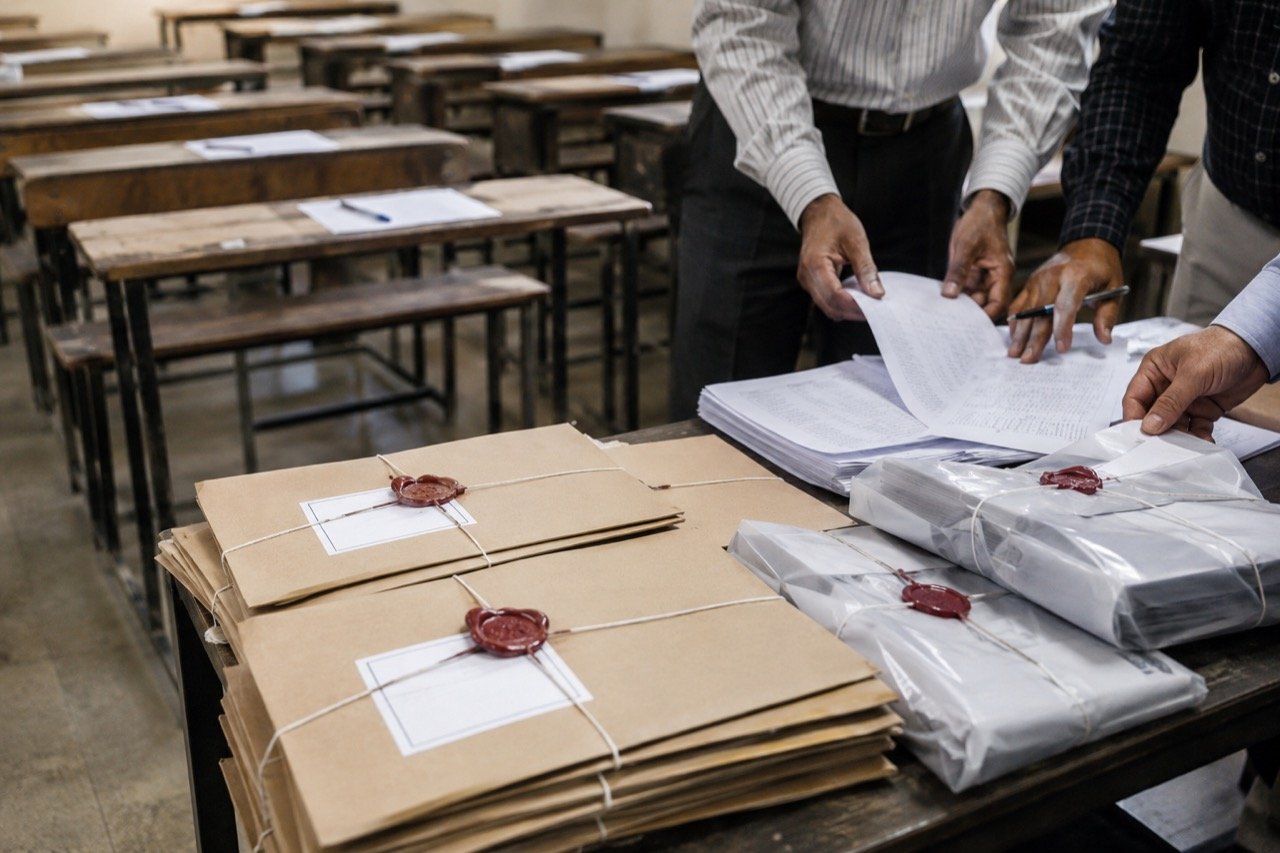
The Maharashtra government may invoke the Maharashtra Control of Organised Crime Act (MCOCA) against those accused in the Teacher Eligibility Test (TET) exam paper leak case, according to latest reports. Alongside this possible legal escalation, a panel headed by the chief secretary is expected to examine whether state examinations should be conducted online. Taken together, the two moves suggest a government trying to respond on two fronts at once: punishing those already implicated in the leak, and rethinking the machinery that allowed it to happen in the first place.
The stakes extend well beyond one compromised test. Recruitment and eligibility exams are public-trust systems: a leak harms candidates who prepared honestly, delays departments waiting to fill posts and corrodes confidence in the state's entire examination machinery. For a state the size of Maharashtra, with lakhs of aspirants competing for a finite number of teaching positions, even a single compromised paper can ripple outward, forcing re-tests, prolonging recruitment cycles and casting a shadow over results that may otherwise have been entirely legitimate.
Why MCOCA raises the bar
MCOCA is a law built for organised criminal networks, so even considering it signals that authorities may see the leak as more than isolated cheating, possibly a coordinated racket. Unlike ordinary provisions used against examination malpractice, MCOCA carries stringent bail conditions, extended detention powers and a presumption of the sort usually reserved for syndicates involved in extortion, contract killing or organised smuggling. Reaching for it in an exam leak case is therefore not a routine step; it is a statement about how the state currently views the scale and organisation behind the alleged racket.
Any move in that direction will need to be backed by solid evidence and will face close legal scrutiny. Courts have historically been cautious about MCOCA invocations that stretch the law's original intent, and defence counsel in such cases routinely challenge the applicability of the Act itself, not merely the facts alleged. A neutral reading is that the government is exploring its strictest tools while the investigation continues, rather than having already concluded that the threshold for organised crime has been met. That distinction matters, because how this plays out will shape whether MCOCA becomes a template for future leak cases or a cautionary tale about overreach.
The stakeholders caught in between
Candidates who sat the TET honestly are perhaps the most immediate stakeholders, and the least able to influence the outcome. They did not create the leak, yet they bear its consequences: uncertainty over whether their results will stand, whether a re-examination will be ordered, and whether the recruitment timeline they had planned around will now slip. For many, a teaching post via TET is a hard-won route into stable government employment, and any delay has real financial and personal cost.
State departments waiting to fill teaching vacancies are a second stakeholder group. Every delay in finalising results pushes back the point at which classrooms get the staff they need, a consequence that ultimately lands on students in Maharashtra's schools. Then there are the accused themselves, whose fate now depends on whether investigators can make a case robust enough to survive the heightened scrutiny that MCOCA charges attract. And finally, the broader public, for whom this case is one more data point in a long-running national conversation about the integrity of competitive examinations.
Online exams are no silver bullet
The parallel review of online examinations is equally consequential. Digital exams can cut some leak risks, since there is no physical question paper to be printed, transported and potentially intercepted along the way. But they introduce new ones: cybersecurity threats, server reliability, unequal access for rural candidates and questions of vendor accountability. A candidate in a well-connected urban centre and one in a remote district do not necessarily have the same access to stable internet, computer literacy or testing infrastructure, and a poorly designed shift to online exams risks trading one kind of unfairness for another.
Reform will need careful design rather than a rushed technological fix. The chief secretary's panel will presumably have to weigh not just whether online exams are more secure against leaks, but whether the state has the technical capacity, in terms of servers, backup systems and grievance mechanisms, to run them at the scale Maharashtra's recruitment exams demand. A single server outage or technical glitch during a live online exam can generate its own crisis of legitimacy, no less damaging than a paper leak.
For candidates, the immediate need is clarity on the investigation, future exam schedules and the safeguards that will protect their effort. Ambiguity is its own cost: aspirants preparing for the next cycle of exams need to know whether the format, timeline or eligibility criteria might change, and how the current case will be resolved before they can plan their next steps with any confidence.
What a credible response would require
If the government wants both the MCOCA route and the online-exam review to be taken seriously, each will need to be pursued with rigour rather than as a show of decisiveness. On the legal side, that means investigators building a case that can withstand judicial tests of what constitutes organised crime, rather than leaning on the Act's harsher provisions as a shortcut to prolonged detention. On the reform side, it means the chief secretary's panel engaging with the practical realities of examination logistics, printing presses, transport chains, exam centre security, and vendor contracts, not only the question of digital delivery.
It also means transparency with the public and with candidates about timelines. A panel review that drags on indefinitely, or a prosecution that stalls in court, would leave the underlying problem, a system vulnerable to leaks, unaddressed regardless of how tough the initial response sounded.
The NE Times View
Invoking MCOCA against exam cheats would be a striking escalation, and the impulse is understandable: paper leaks in India have become a lucrative, repeat-offence industry precisely because the consequences have been trivial. Fines, brief detentions and slow-moving trials have done little to deter organisers who can simply resume operations once public attention moves on. Seen in that light, the government's willingness to consider its strictest legal tool reflects a genuine frustration with the limits of ordinary deterrence.
But tough laws applied loosely can backfire; if MCOCA charges fail judicial scrutiny, the accused walk and the deterrent evaporates. Worse, a failed MCOCA case could hand future leak organisers a legal precedent to cite in their own defence, undermining rather than strengthening the state's hand. The harder, less headline-friendly work is fixing the leak-prone supply chain of printing presses, transport and exam centres, and holding officials accountable, not just middlemen. It is far easier to arrest a courier or a local fixer than to trace responsibility up through the printing press, the transport contractor and the officials who signed off on security protocols along the way.
Maharashtra's real test is whether it can pair credible prosecution with systemic reform. A single high-profile MCOCA case, however severe, will not by itself prevent the next leak if the underlying vulnerabilities in exam administration remain unaddressed. Candidates who study honestly deserve a system that does not force them to gamble their futures on the integrity of strangers, whether that stranger is a print-shop employee, a transport contractor or an official entrusted with safeguarding a question paper before it reaches the examination hall.
Key takeaways
- Maharashtra is considering MCOCA charges in the TET paper leak case, a significant escalation reserved for organised crime networks rather than routine exam malpractice.
- A chief secretary-led panel will examine shifting state exams online, a step that could reduce some leak risks but introduces new concerns around cybersecurity, server reliability and rural access.
- Honest candidates bear the greatest cost from leaks, through delayed results, possible re-examinations and disrupted recruitment timelines.
- MCOCA charges that fail judicial scrutiny could weaken deterrence rather than strengthen it, making rigorous evidence-building essential.
- Lasting reform depends on fixing vulnerabilities across the exam supply chain, printing, transport and exam centres, and holding officials, not just middlemen, accountable.
You may also like to read
Maharashtra Milk Crackdown Puts Food Safety Back on the Agenda
Enforcement drives against milk adulteration in Maharashtra have revived public debate on food quality, spotlighting the need for regular testing, supply-chain vigilance and consumer awareness across India's most-consumed daily staple.
Expressway Pothole Row Puts Maharashtra Road Upkeep in Spotlight
Chief Minister Devendra Fadnavis' reported claim that the Pune-Mumbai Expressway has only two potholes has escalated a monsoon maintenance complaint into a statewide debate over highway accountability.
NEET-UG Fake Leak Video Sparks Probe as Exam Misinformation Comes Under Scrutiny
Police and exam authorities are hunting the creators of a fake NEET-UG paper-leak video that spread online around the retest, stoking panic among students and exposing how fast misinformation can erode trust.
Maharashtra Clears AI Policy 2026, Targeting Rs 10,000 Crore And 1.5 Lakh Jobs
The Fadnavis cabinet has approved an ambitious artificial intelligence framework promising centres of excellence, innovation cities, a GPU pool and a startup fund to position the state at the front of India's AI race.
More from this section
More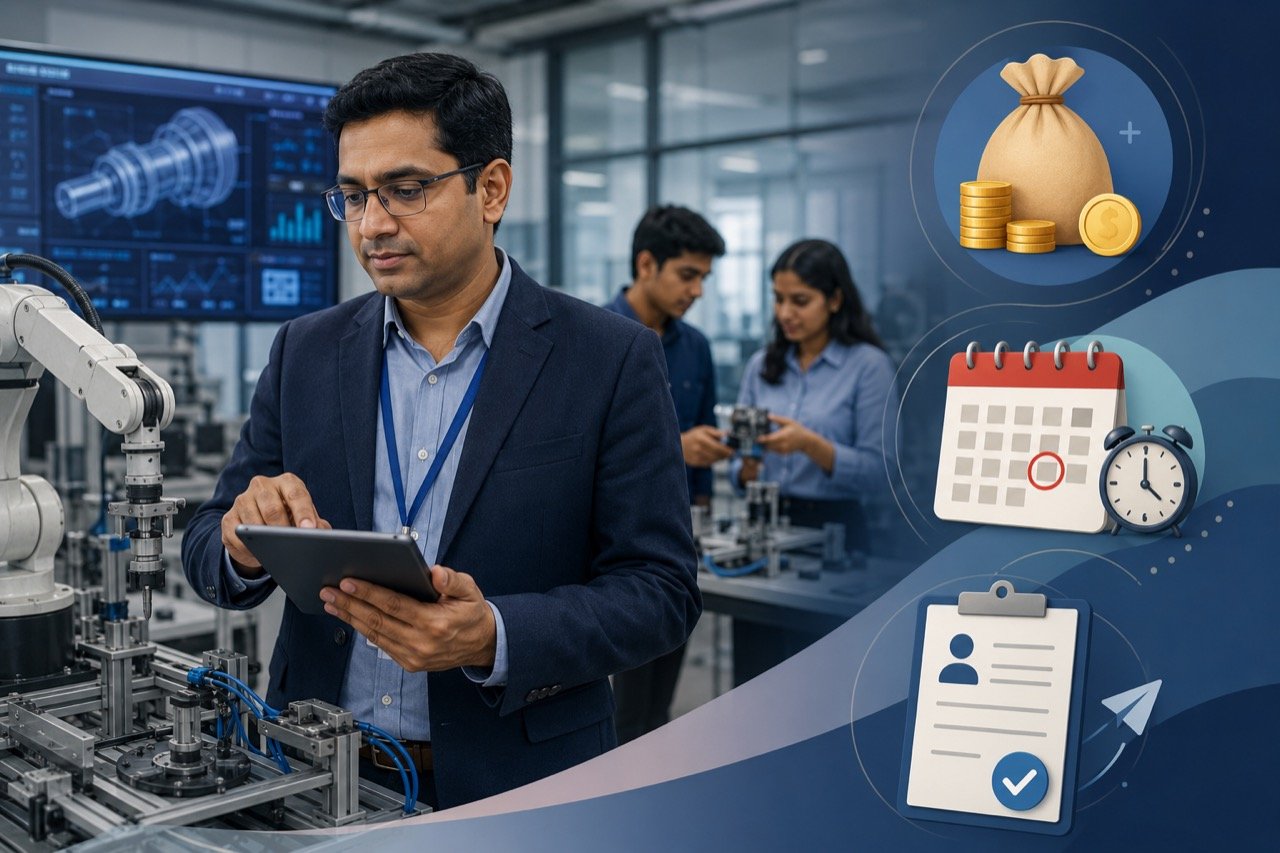
AICTE Industry Fellowship 2026: Rs 1.5 Lakh Scheme Closes July 5
The AICTE Industry Fellowship Programme 2026, which places technical-education faculty inside leading companies on a Rs 1.5 lakh monthly stipend, reached its application deadline on July 5.
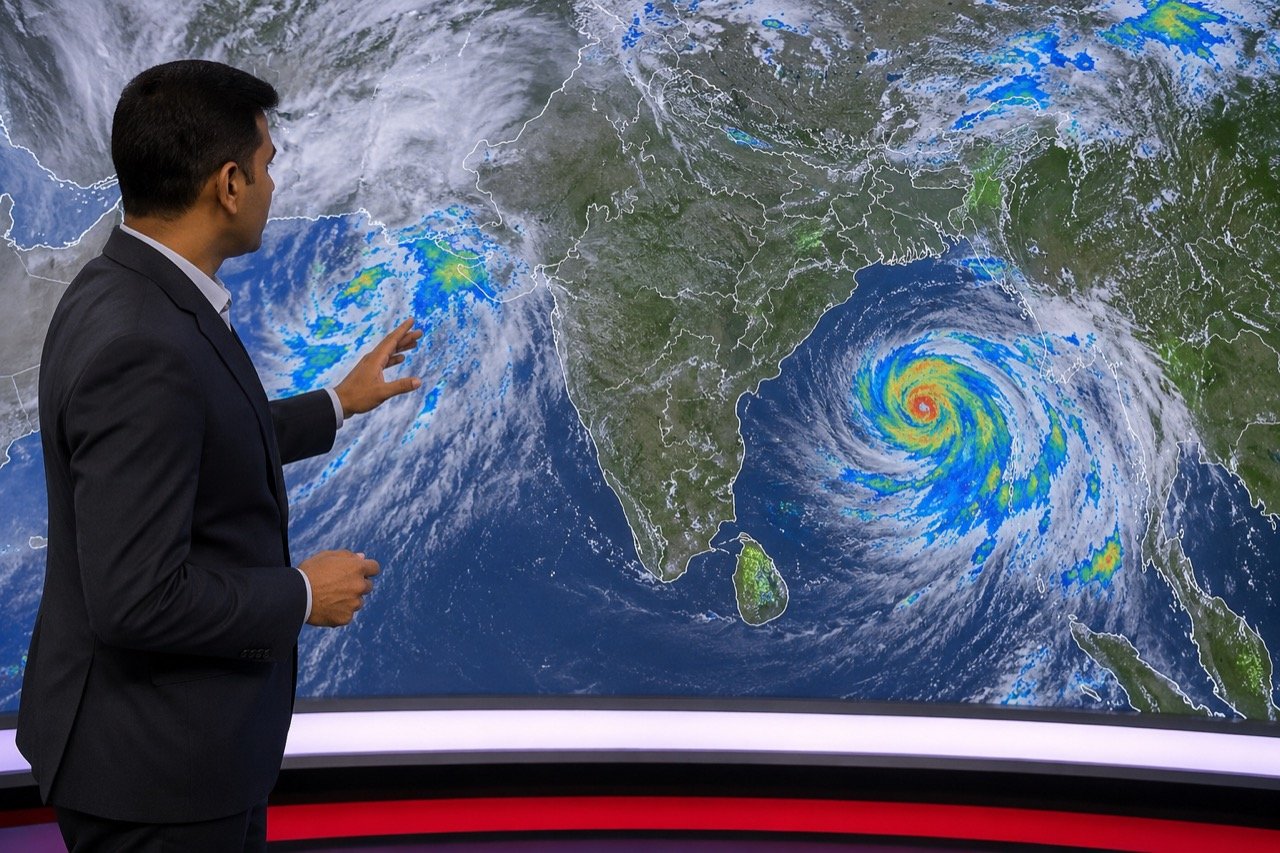
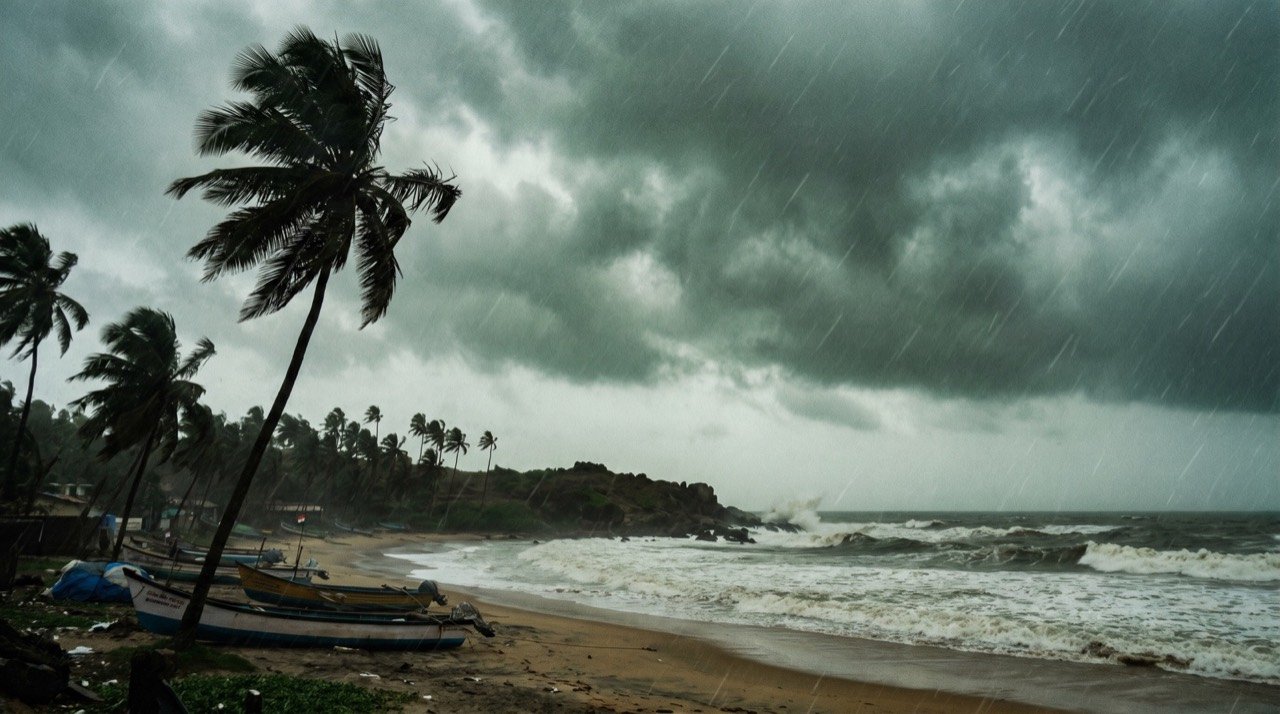
Bay of Bengal Low Pressure System Revives Monsoon Over Western India
A low-pressure system over the Bay of Bengal has pushed the monsoon back into an active phase, bringing steady heavy rain to Kerala, coastal Karnataka and Maharashtra, and putting Mumbai and Pune on preparedness watch.
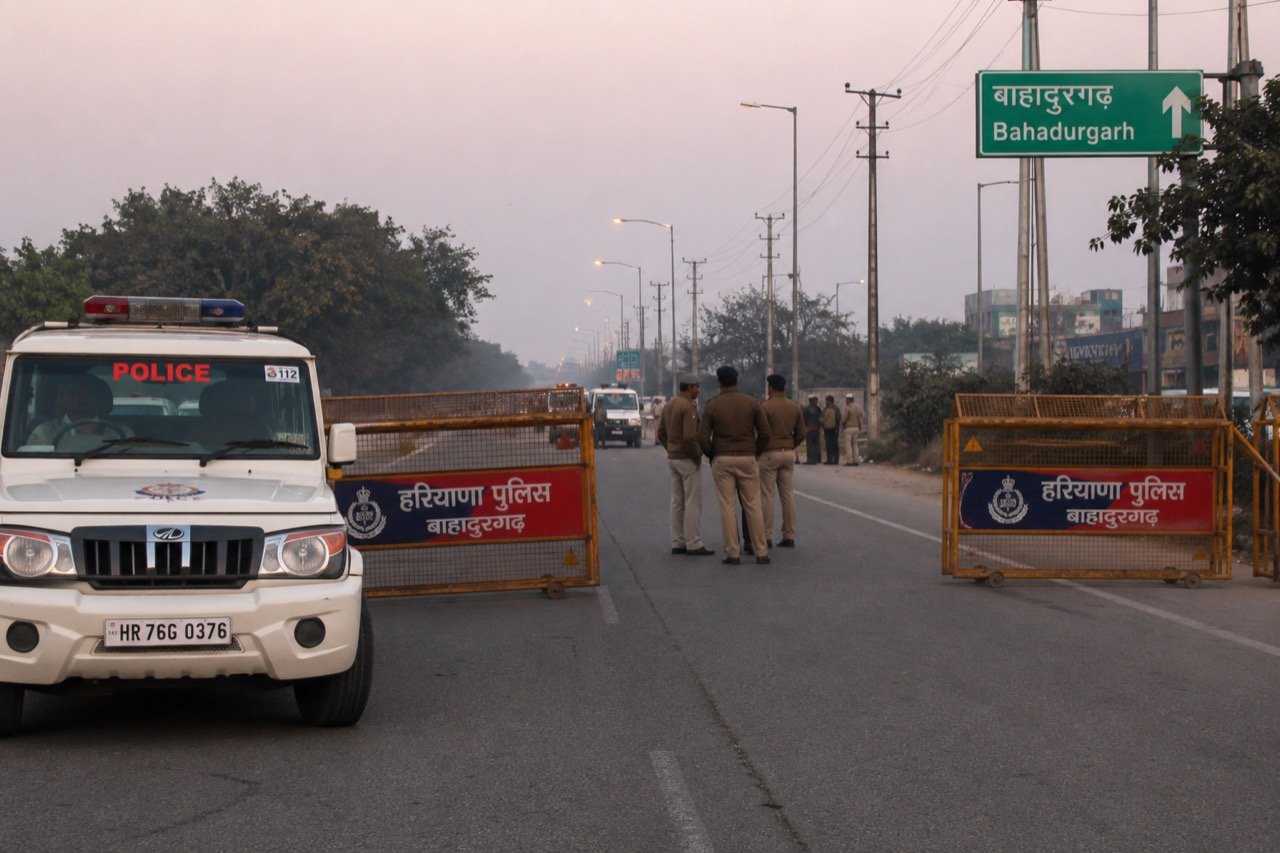
Bishnoi Gang Suspects Injured in Haryana Encounter as Police Tighten Net
A joint Haryana-Delhi Police operation in Bahadurgarh left two suspected Lawrence Bishnoi gang members injured, spotlighting the multi-state coordination now central to India's fight against organised crime networks.