Expressway Pothole Row Puts Maharashtra Road Upkeep in Spotlight
Chief Minister Devendra Fadnavis' reported claim that the Pune-Mumbai Expressway has only two potholes has escalated a monsoon maintenance complaint into a statewide debate over highway accountability.
Commentary & Analysis ·
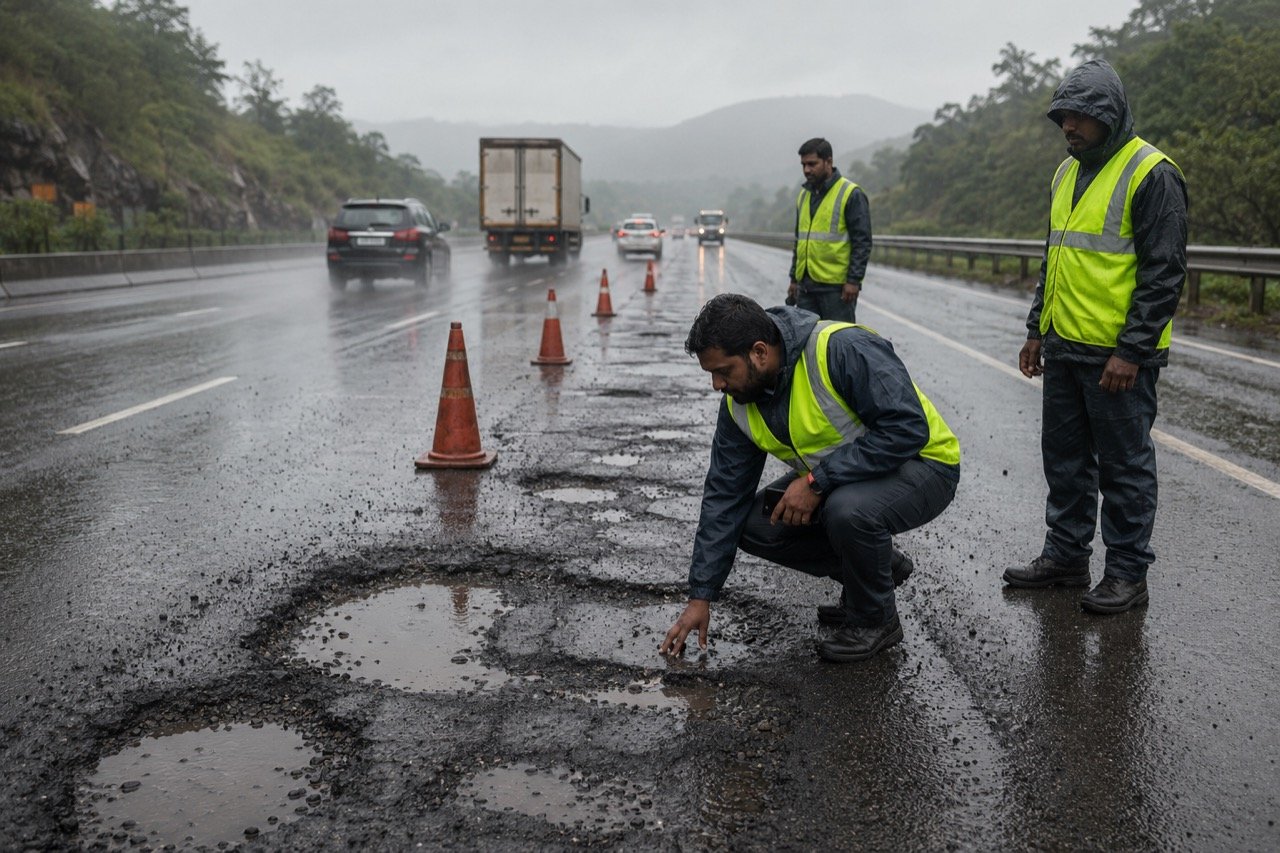
A reported remark by Maharashtra Chief Minister Devendra Fadnavis defending roadwork on the Pune-Mumbai Expressway — including the assertion that the corridor had only two potholes — has turned a routine monsoon grievance into a wider public argument about how India maintains its most heavily used highways. The expressway is among western India's most critical road links, carrying daily commuters, freight and logistics traffic, and weekend travellers between two of the country's largest urban regions. Any doubt over its surface quality, repair schedules or safety standards draws immediate scrutiny precisely because so many people depend on it.
On the surface, this looks like a minor dispute over how many potholes exist on a heavily used stretch of expressway. But the sustained public attention it has drawn says a great deal about the trust, or lack of it, between road agencies and the citizens who use their infrastructure daily. It is worth examining why this happened, what it reveals about road governance in Maharashtra, and what a more durable resolution might look like.
Why a pothole count became political
The controversy is less about the precise number of potholes and more about whether road agencies can communicate maintenance status credibly when heavy rain, relentless traffic volumes and public frustration collide. Officials insist repair teams are active on the corridor; commuters judge the claim against what they experience on every journey. A specific, low figure such as two potholes invites the public to test that claim directly against their own experience, and any mismatch, however small, becomes evidence of a communication gap.
This is precisely the trap that specific, falsifiable numbers set for public officials. A vaguer assurance that repairs are ongoing is difficult to contest because it cannot be checked against a single data point. A precise count, by contrast, only needs one commuter with a phone camera to encounter a third pothole for the official claim to collapse in public opinion, regardless of whether the underlying maintenance effort is substantial. The row is a case study in how the choice of language in public communication can turn a genuine infrastructure effort into a reputational liability.
The monsoon as a stress test for Indian infrastructure
Monsoon months are a stress test for road construction quality across Indian cities and highways. Waterlogging, heavy vehicles and delayed repairs can quickly turn small surface defects into genuine safety hazards, and the gap between official assurances and lived commuter experience is exactly where political controversy tends to grow. This is not unique to the Pune-Mumbai Expressway; it recurs every year across state and national highways, urban roads and rural routes, wherever water ingress weakens road surfaces faster than repair crews can respond.
What makes the expressway case distinctive is the sheer volume and profile of traffic it carries. A pothole on a lightly used rural road is a local nuisance; a pothole on a corridor moving freight, commuters and long-distance travellers between two major metropolitan economies is a matter of economic friction and road safety risk at scale. Vehicle damage, traffic slowdowns, and in the worst cases accidents caused by sudden braking or swerving around road defects, all carry costs that ripple beyond the immediate commute. That is why even a seemingly small dispute over a pothole count draws disproportionate public and media attention.
The public-interest case for verifiable maintenance data
The public-interest question the row raises is one of evidence-based maintenance. Citizens are better served when governments publish repair timelines, name contractor responsibilities and issue clear safety advisories, rather than offering broad assurances that are difficult to verify on the ground. A verifiable maintenance record, showing when a defect was reported, which contractor was assigned to fix it, and when the repair was completed, would replace the current dynamic of dueling anecdotes with a shared, checkable factual base.
Such transparency would also serve the interests of the road agencies and officials themselves. A published, auditable record of repairs would allow a chief minister or transport department to point to concrete evidence rather than a disputable headline figure. It would shift the public conversation away from how many potholes exist right now, an inherently moving target on any actively used road, toward how quickly and reliably defects are being addressed, which is the metric that actually matters for commuter safety and satisfaction.
Stakeholder perspectives and what to watch next
For officials, the incentive is to reassure the public that the expressway remains safe and well-maintained, given its importance as a flagship corridor. For commuters, the incentive is different: they want confirmation that their daily experience of the road, including swerves, damaged tyres or delays, is being taken seriously rather than minimised. For contractors carrying out roadwork, the row risks obscuring genuine effort under a political argument about optics, even as monsoon repairs continue on the ground.
The immediate question is whether the Maharashtra government or the relevant road authority responds with more granular information, such as a public accounting of ongoing repair work or an invitation for commuters to report specific defect locations. The more consequential signal to watch is whether this episode nudges Maharashtra, or other states managing comparably high-traffic corridors, toward institutionalising transparent maintenance reporting as standard practice rather than a reactive measure taken only after controversy erupts. If it prompts no lasting change, a similar row is likely to recur on this expressway, or another marquee corridor, during a future monsoon.
The NE Times View
The lesson of this row is that trust in public works is built with data, not declarations. When a chief minister's pothole count becomes the story, it signals that citizens lack an authoritative, transparent source for road condition information. Maharashtra — and every state managing high-traffic corridors — should treat this as a prompt to publish live maintenance dashboards, contractor accountability records and repair deadlines. Indian commuters do not expect perfect roads in the monsoon; they expect honesty about defects and visible urgency in fixing them. Until that becomes standard practice, every pothole on a marquee expressway will remain a political symbol rather than an engineering task.
Key takeaways
- A dispute over a specific pothole count on the Pune-Mumbai Expressway has become a proxy for a broader question about the credibility of official road maintenance claims.
- Monsoon conditions consistently expose the gap between official assurances and commuter experience on India's busiest highways.
- Publishing verifiable data, such as repair timelines, contractor accountability records and safety advisories, would shift the debate from disputed anecdotes to checkable facts.
- Officials, commuters and contractors currently operate on misaligned incentives that a shared, transparent information base could help resolve.
- Without institutionalised transparency in road maintenance reporting, similar controversies are likely to recur on other high-traffic corridors in future monsoon seasons.
You may also like to read
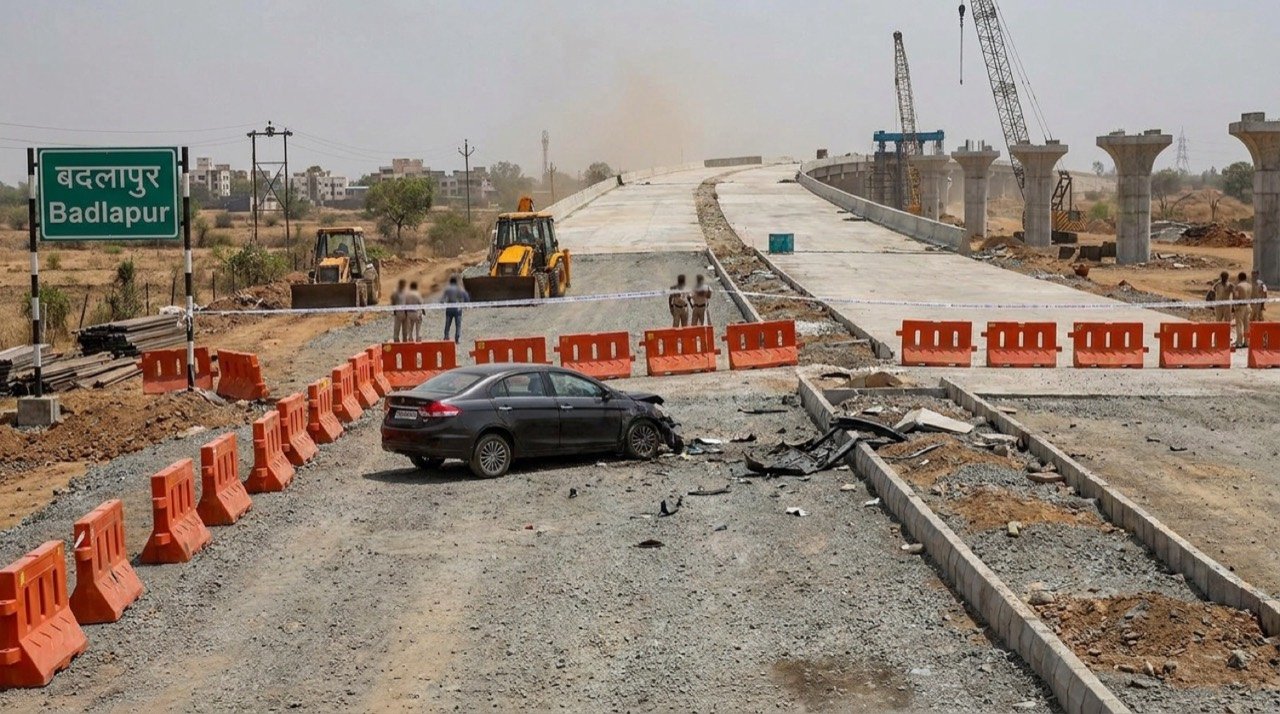
Badlapur Expressway Crash Spotlights Illegal Racing on Unfinished Roads
A fatal late-night BMW crash on an under-construction stretch near Badlapur has revived hard questions about illegal racing, access control and safety at unfinished expressway sites.
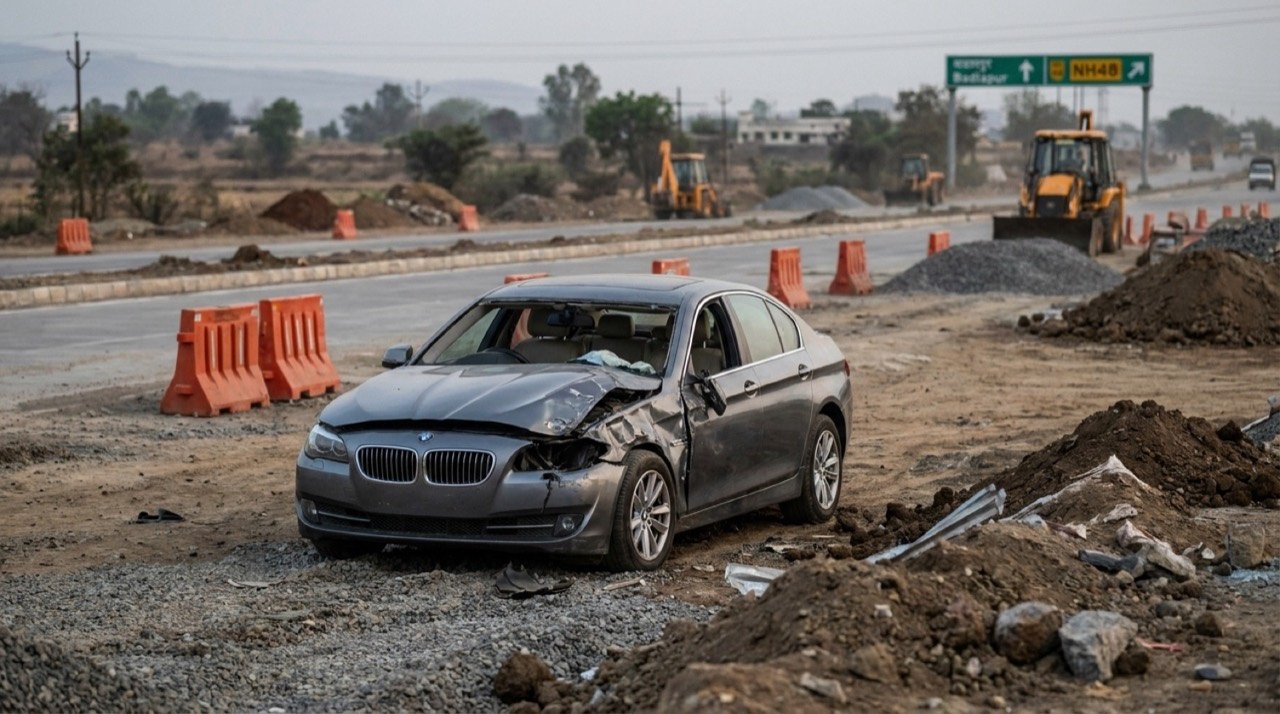
Badlapur BMW Crash at Alleged 251 kmph Spotlights Unfinished Expressway Misuse
A fatal BMW crash near Badlapur that killed two has revived alarm over reckless driving and the misuse of under-construction expressway stretches for high-speed runs and stunt rides.

Maharashtra Milk Crackdown Puts Food Safety Back on the Agenda
Enforcement drives against milk adulteration in Maharashtra have revived public debate on food quality, spotlighting the need for regular testing, supply-chain vigilance and consumer awareness across India's most-consumed daily staple.
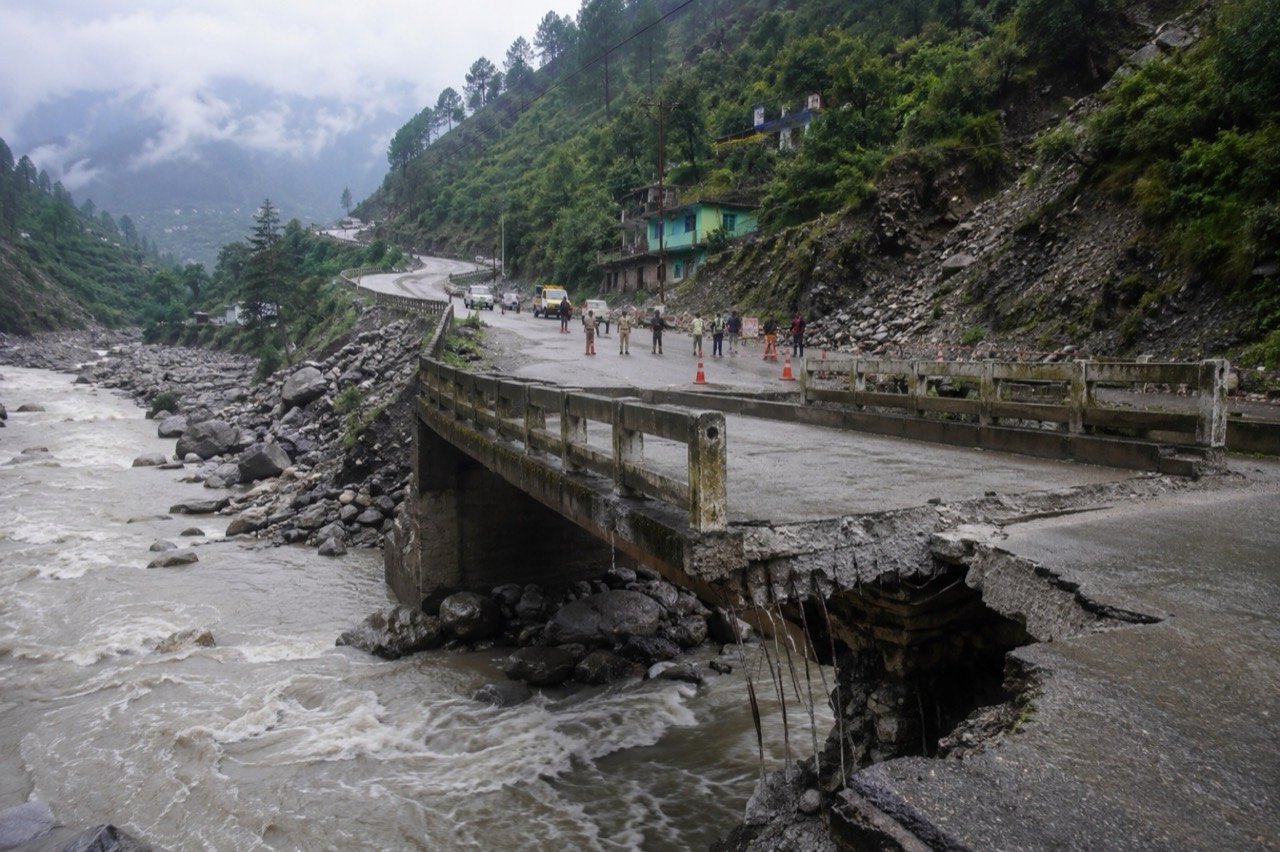
Himachal Bailey Bridge Collapse Sends Truck Into Sutlej, Renewing Hill-Road Safety Fears
A Bailey bridge on National Highway 5 in Himachal's Kinnaur district gave way under a passing truck, plunging it into the Sutlej, with the driver surviving and questions over mountain-road maintenance resurfacing.
More from this section
More
AICTE Industry Fellowship 2026: Rs 1.5 Lakh Scheme Closes July 5
The AICTE Industry Fellowship Programme 2026, which places technical-education faculty inside leading companies on a Rs 1.5 lakh monthly stipend, reached its application deadline on July 5.

Bay of Bengal Low Pressure System Revives Monsoon Over Western India
A low-pressure system over the Bay of Bengal has pushed the monsoon back into an active phase, bringing steady heavy rain to Kerala, coastal Karnataka and Maharashtra, and putting Mumbai and Pune on preparedness watch.
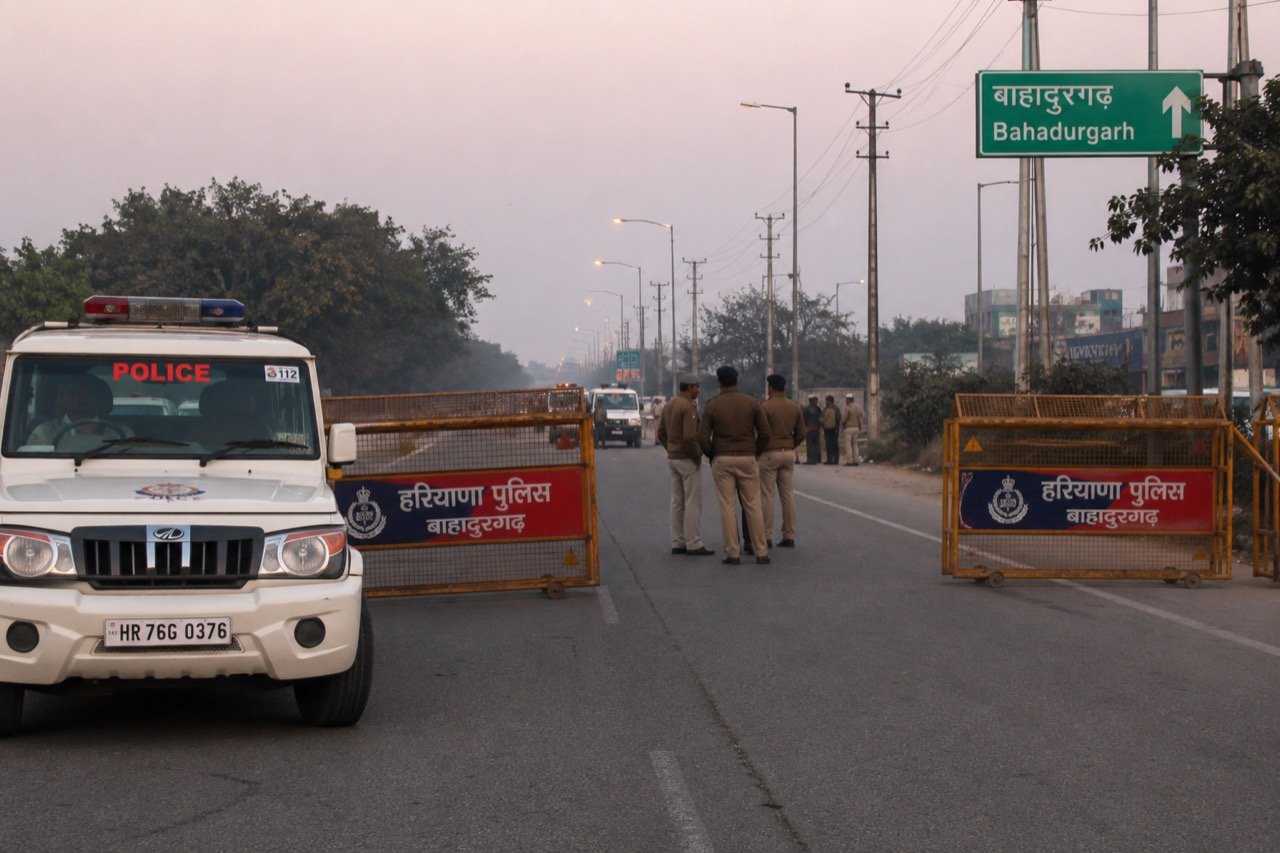
Bishnoi Gang Suspects Injured in Haryana Encounter as Police Tighten Net
A joint Haryana-Delhi Police operation in Bahadurgarh left two suspected Lawrence Bishnoi gang members injured, spotlighting the multi-state coordination now central to India's fight against organised crime networks.