Badlapur BMW Crash at Alleged 251 kmph Spotlights Unfinished Expressway Misuse
A fatal BMW crash near Badlapur that killed two has revived alarm over reckless driving and the misuse of under-construction expressway stretches for high-speed runs and stunt rides.
Commentary & Analysis ·
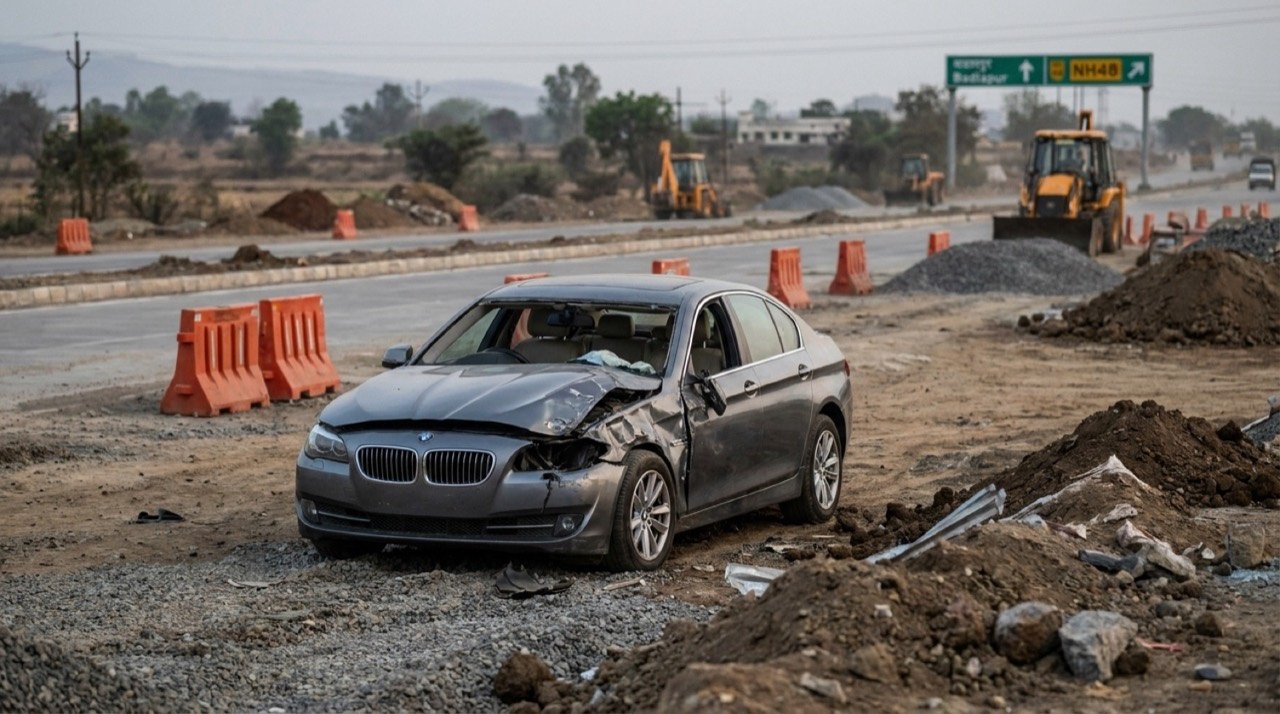
A fatal BMW crash near Badlapur has put renewed attention on reckless driving and the alleged misuse of an under-construction expressway stretch. Two people died after the car crashed, and police booked the surviving driver. The severity of the impact, with debris scattered far from the vehicle, underscored the speeds involved, while a social media video allegedly showed the car reaching around 251 kmph before the crash, a figure authorities were still examining rather than confirming. What might have remained a single tragic road accident report has instead become a wider conversation about how unfinished highways are being treated as informal racetracks, and about the institutional gaps that allow this to happen repeatedly across India's expanding expressway network.
What happened on the ground
According to reports in The Times of India, Hindustan Times, Indian Express and The New Indian Express, the crash near Badlapur left two people dead, and the surviving occupant of the vehicle was booked by police. The scattering of debris well beyond the point of impact is, in itself, a telling detail: it points to a collision that occurred at a velocity far beyond what any urban or semi-urban road, finished or otherwise, is designed to absorb safely. The viral video said to show the BMW travelling at approximately 251 kmph has not yet been authenticated by investigators, and it is important to treat that number as an allegation under examination rather than an established fact. Even so, the mere plausibility of such a figure, given the physical evidence at the scene, has been enough to trigger public alarm and media scrutiny.
Police will need to corroborate the video through forensic and technical means, cross-referencing it with vehicle telemetry if available, eyewitness accounts, and the physical evidence of the crash site, before any figure can be treated as fact in a legal sense. This is a necessary and deliberate process, and it should not be rushed simply because public sentiment demands quick answers. But the deliberateness of that process should not be confused with inaction on the broader problem the incident has exposed.
Why this is more than a single crash
The Badlapur case is more than a lone crash investigation. Local reports have described a pattern of unfinished or barricaded highway stretches being used for drag racing, stunt rides and late-night gatherings. This is not a new phenomenon in India, where the pace of expressway construction has often outstripped the pace at which access control and enforcement mechanisms are put in place around those very sites. A stretch of tarmac that is smooth, wide, largely free of traffic, and only loosely barricaded is, to a certain kind of driver, an irresistible invitation.
The danger in these spaces is structural, not incidental. Unfinished expressway segments typically lack functioning streetlights, lane markings, signage, and barriers that would exist once a road is operational. They are not built with functioning emergency-response infrastructure nearby, since that infrastructure is usually commissioned only when the road opens to regular traffic. There are no speed cameras, no patrol presence calibrated to the specific risks of a construction zone, and often no clear demarcation between the areas open to test traffic and the areas still under active construction. When a high-speed loss of control occurs in such an environment, the outcome is frequently catastrophic, both because of the velocities involved and because help may be slower to arrive.
The social media dimension of speed culture
A further complicating factor, highlighted in the reporting around this case, is the role of social media in amplifying and possibly incentivising this kind of behaviour. The existence of a video allegedly documenting the vehicle's speed suggests that the drive, or at least parts of it, was being filmed, whether for personal record or for sharing. This points to a wider culture in which high-speed driving is content, something to be filmed, posted and admired, rather than understood as a serious and potentially lethal risk to the driver, passengers and any bystanders in the vicinity.
Treating this speed culture as a genuine road-safety variable, rather than dismissing it as harmless bravado or youthful exuberance, is essential to any serious policy response. When high-speed driving becomes a marker of status or a source of online validation, conventional deterrents such as fines or license points may carry less weight than they would for an ordinary traffic violation. This suggests that public safety campaigns and enforcement strategies may need to engage directly with the cultural incentives driving this behaviour, not merely the legal ones.
The prevention question and what regulators must weigh
While the ongoing investigation will determine individual criminal and civil liability in the Badlapur case, the broader public-safety issue is prevention. Securing construction zones adequately, meaning physical barriers that cannot be easily bypassed, rather than token barricades, is a basic but frequently neglected requirement. Enforcing access restrictions with visible patrols and clear penalties for trespassing onto unopened road sections is another. And, as noted, treating the social-media speed culture as a genuine risk factor requiring its own countermeasures, rather than an unfortunate side effect of modern life, is a third.
For the agencies responsible for building and maintaining expressway infrastructure, this incident is a reminder that a project is not complete, from a safety standpoint, merely because the paving work is done. Safety infrastructure, enforcement protocols and public messaging around restricted zones need to be treated as core parts of expressway construction, deployed in step with the physical build, rather than as afterthoughts bolted on once a road opens or, worse, only after a fatal incident forces the issue into public view.
What happens next
As police complete their inquiry and work to verify the alleged 251 kmph figure, the case is likely to fuel calls for tighter control of construction zones and tougher enforcement against high-speed stunts on incomplete highway stretches. For commuters and residents along the corridor, the crash serves as a stark reminder that an unfinished road is not an open track, however inviting its empty lanes may appear. Whether that reminder translates into lasting policy change, or fades as the news cycle moves on, will depend largely on what state authorities and highway agencies choose to do in the weeks ahead, not on the outcome of the Badlapur case alone.
A car allegedly travelling at 251 kmph on an unfinished expressway is not a freak event but the predictable result of weak access control combined with a culture that treats highways as racetracks. The NE Times View is that grief in the wake of such incidents should translate into concrete enforcement measures: automated speed cameras, properly sealed construction stretches, and real, consistently applied penalties, rather than outrage that fades by the next news cycle. Engineering and policing must catch up to the machines now travelling on our roads, because the gap between what modern vehicles are capable of and what road infrastructure and enforcement can contain is precisely where tragedies like this one occur.
Key takeaways
- Two people died in the Badlapur BMW crash near an under-construction expressway stretch, and police booked the surviving driver.
- A viral video allegedly showed the car travelling at around 251 kmph, a figure authorities have not yet confirmed and are still examining.
- Unfinished and barricaded expressway stretches reportedly attract drag racing, stunt driving and late-night gatherings, in part because they lack traffic control, signage and emergency-response infrastructure.
- Social media's role in amplifying high-speed driving as shareable content adds a cultural dimension that conventional enforcement alone may not address.
- The NE Times View calls for automated speed cameras, properly sealed construction zones and consistent penalties, arguing that prevention matters as much as prosecution after the fact.
You may also like to read
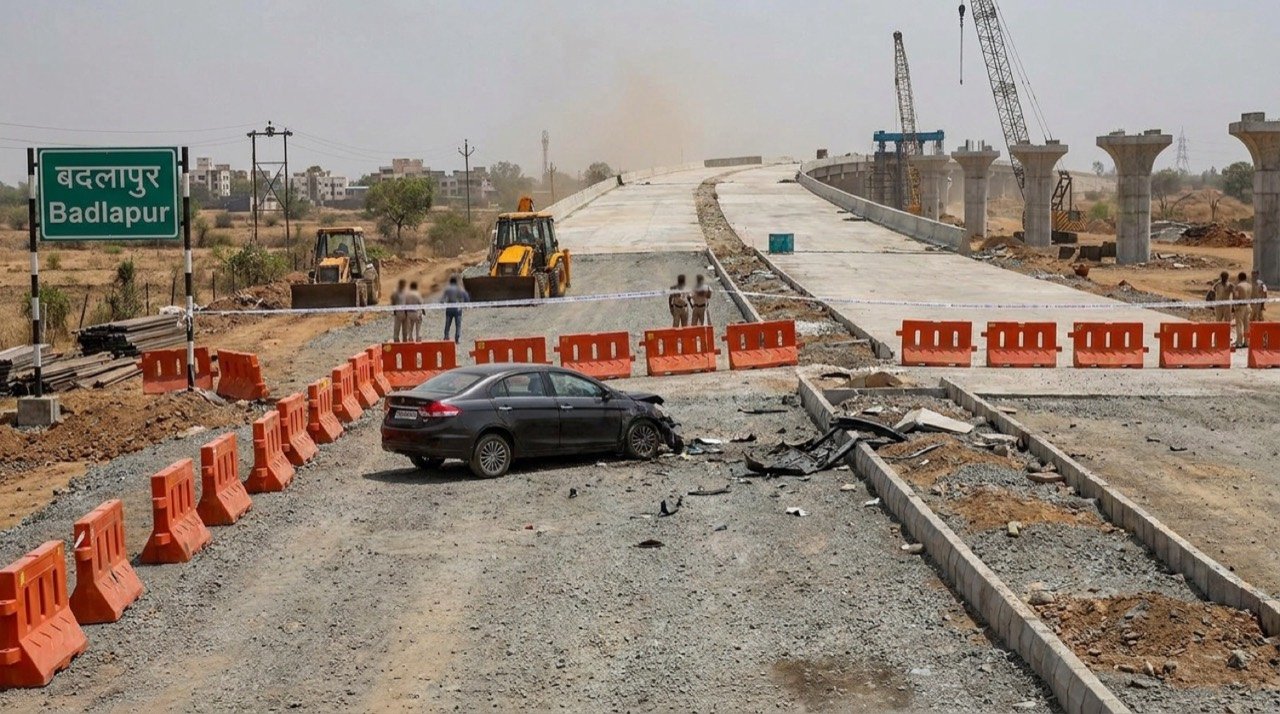
Badlapur Expressway Crash Spotlights Illegal Racing on Unfinished Roads
A fatal late-night BMW crash on an under-construction stretch near Badlapur has revived hard questions about illegal racing, access control and safety at unfinished expressway sites.
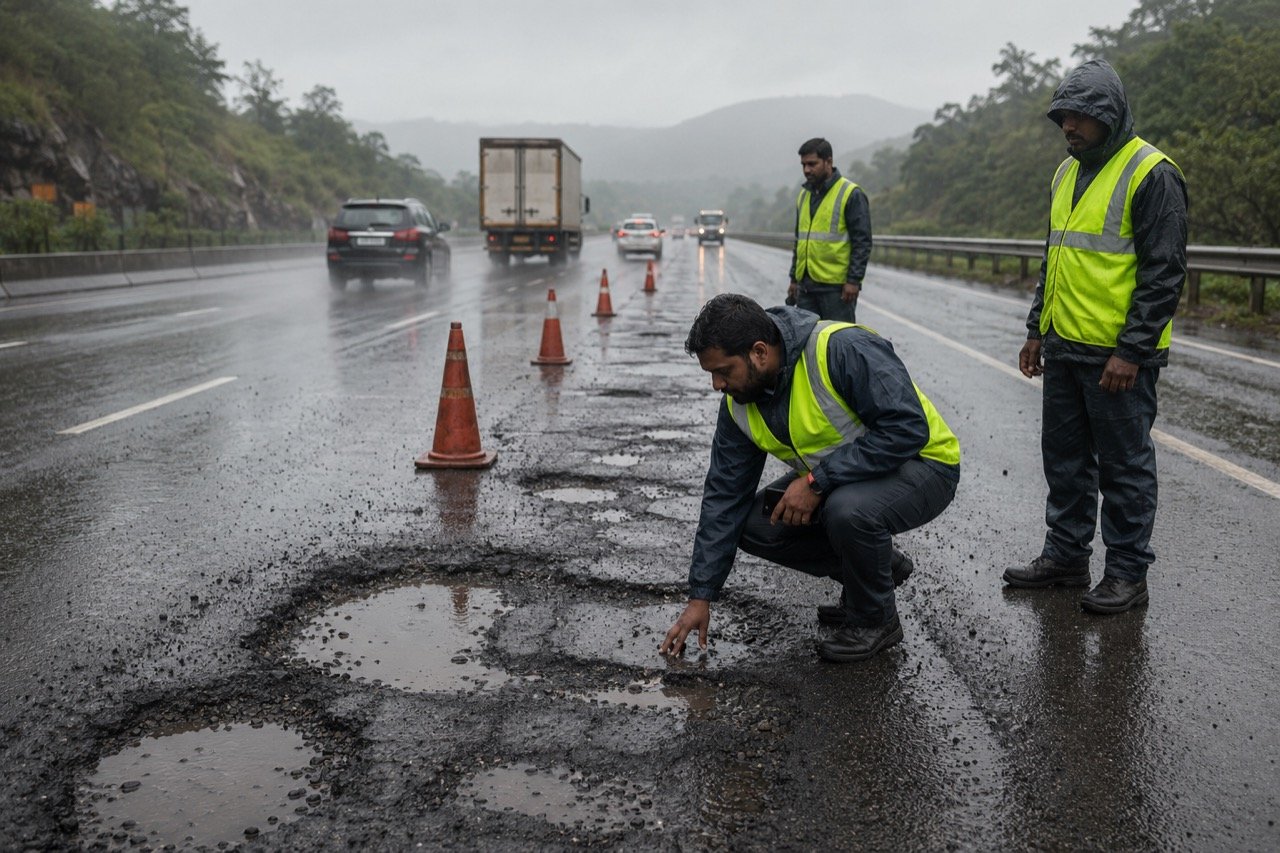
Expressway Pothole Row Puts Maharashtra Road Upkeep in Spotlight
Chief Minister Devendra Fadnavis' reported claim that the Pune-Mumbai Expressway has only two potholes has escalated a monsoon maintenance complaint into a statewide debate over highway accountability.
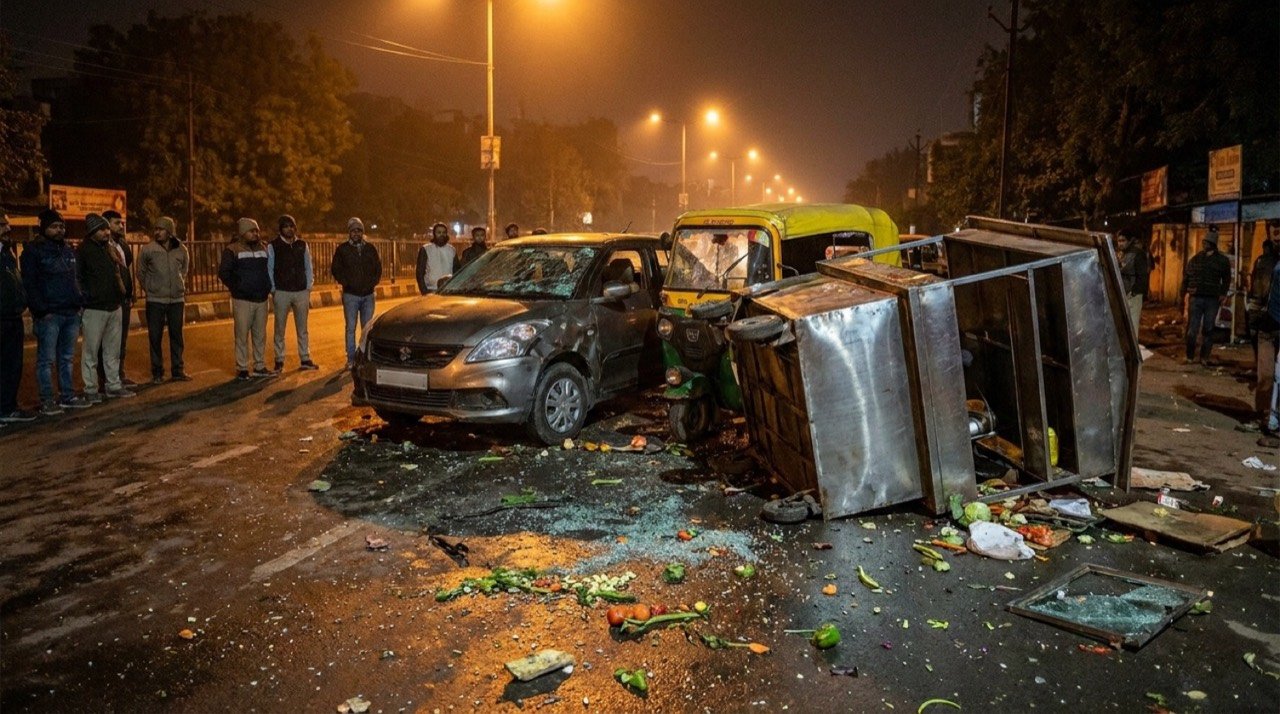
Ahmedabad Car Crash Renews Focus on Road Safety and Medical Emergencies at the Wheel
A late-night crash in Ahmedabad that killed one woman and injured six has revived debate over urban road safety, after the driver may have suffered a seizure behind the wheel.

Delhi-Dehradun Expressway Opens In Phases As NHAI Pushes Highway Timelines
Sections of the access-controlled Delhi-Dehradun Expressway are opening in stages in 2026, the latest milestone in a national highway push that has repeatedly tested NHAI's construction deadlines.
More from this section
More
AICTE Industry Fellowship 2026: Rs 1.5 Lakh Scheme Closes July 5
The AICTE Industry Fellowship Programme 2026, which places technical-education faculty inside leading companies on a Rs 1.5 lakh monthly stipend, reached its application deadline on July 5.
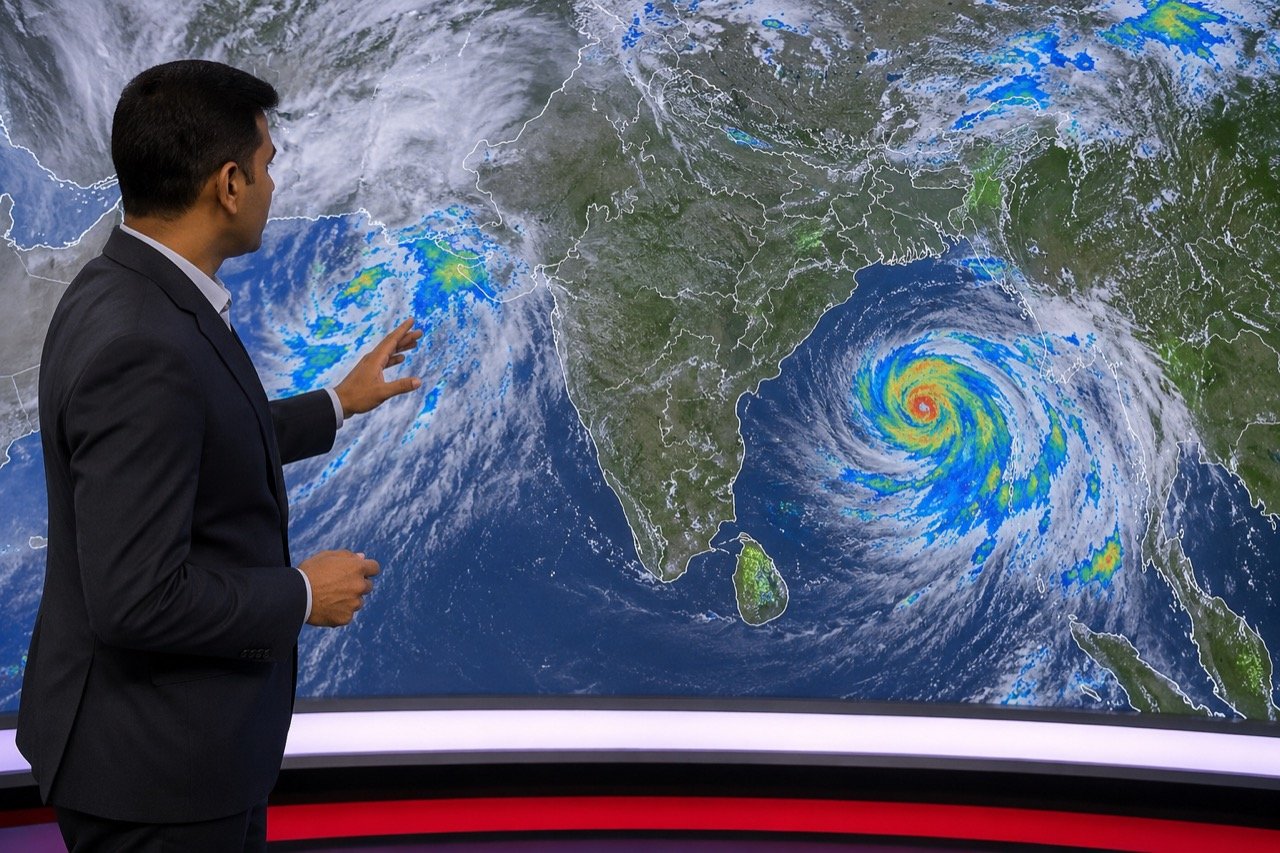
Bay of Bengal Low Pressure System Revives Monsoon Over Western India
A low-pressure system over the Bay of Bengal has pushed the monsoon back into an active phase, bringing steady heavy rain to Kerala, coastal Karnataka and Maharashtra, and putting Mumbai and Pune on preparedness watch.
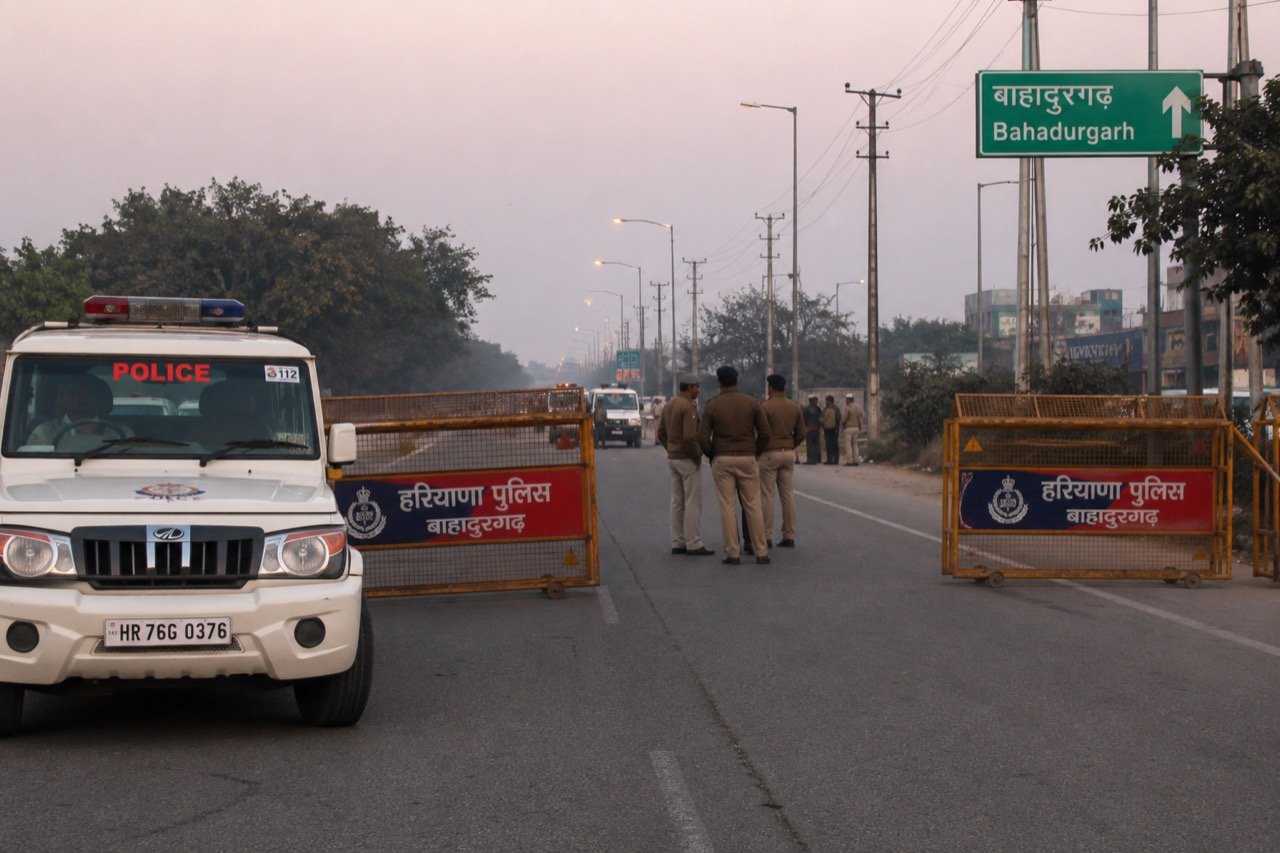
Bishnoi Gang Suspects Injured in Haryana Encounter as Police Tighten Net
A joint Haryana-Delhi Police operation in Bahadurgarh left two suspected Lawrence Bishnoi gang members injured, spotlighting the multi-state coordination now central to India's fight against organised crime networks.