Kerala's New UDF Government Faces Its First Monsoon Test Under Satheesan
Weeks after ending two terms of LDF rule, Chief Minister V. D. Satheesan's United Democratic Front administration is steering the state through an active southwest monsoon while settling into power.
Commentary & Analysis ·
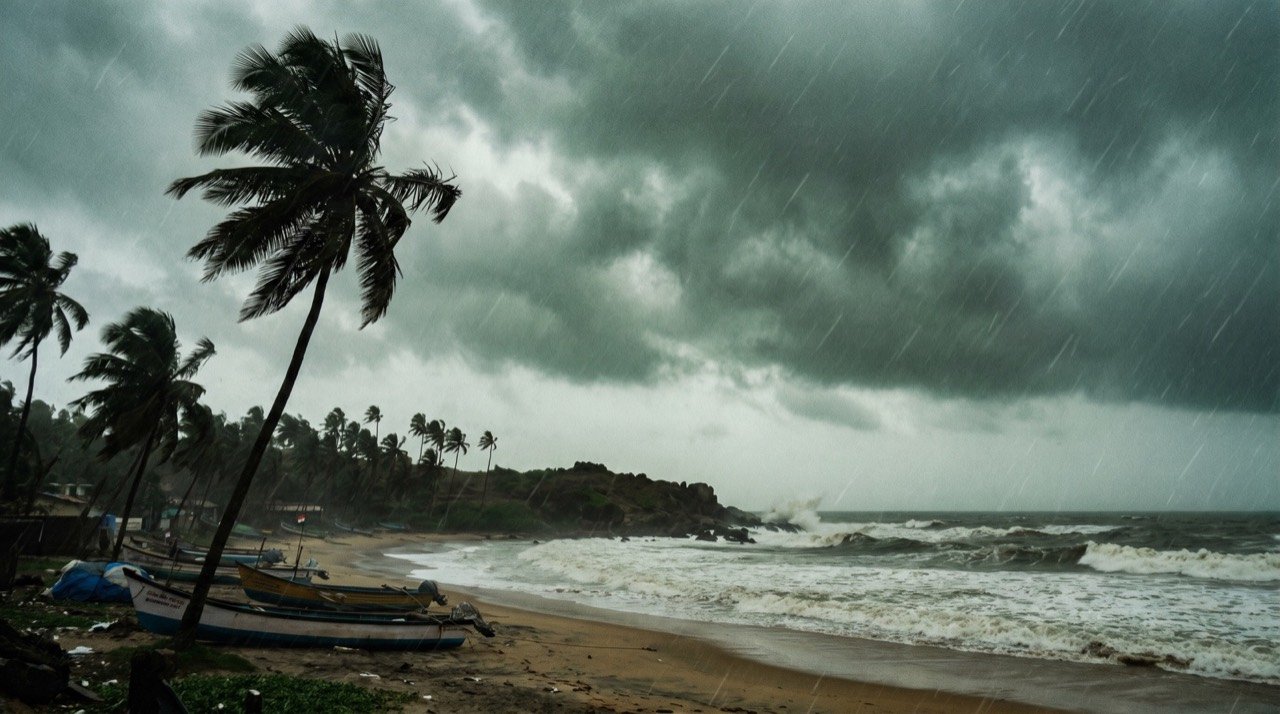
Kerala is experiencing one of its first major governance tests under new leadership. Chief Minister V. D. Satheesan, who took charge in mid-May after the United Democratic Front unseated the Left Democratic Front and ended Pinarayi Vijayan's bid for a third consecutive term, is now managing an active southwest monsoon as his administration finds its feet. It is an unforgiving sequence for any incoming government: barely a fortnight in office, and already the state's oldest and most consequential test, its response to the monsoon, is underway.
A monsoon running ahead of schedule
The rains have arrived with intensity. Across the early days of June, several of Kerala's fourteen districts recorded excess or large-excess rainfall, with the rest close to normal, and the India Meteorological Department forecast fairly widespread rain continuing across the state through mid-June. For a state accustomed to a predictable monsoon rhythm, this kind of early and vigorous onset changes the character of governance almost overnight. It is no longer a matter of policy rollout and cabinet formation; it becomes a matter of river levels, shutter operations at dams, and whether warning systems reach remote hill hamlets in time.
The pattern has kept disaster-management teams alert in the hilly districts most prone to landslides. Kerala's topography, a narrow coastal strip rising sharply into the Western Ghats, means that heavy rain concentrated over even a few days can saturate slopes that have already absorbed years of construction, deforestation and quarrying pressure. Landslide risk in these districts is not a seasonal footnote; it is a recurring and sometimes lethal feature of the state's monsoon calendar. For a new administration, this means disaster-management protocols cannot wait for the usual settling-in period that governments elsewhere might expect. Evacuation plans, relief camp readiness and inter-departmental coordination must function from day one, regardless of how recently ministers were sworn in.
Settling into power amid a live crisis
The transition has reshaped Kerala's political landscape in ways that go beyond the change of chief minister. Pinarayi Vijayan, who led the state for two consecutive terms and had sought a third, has now taken over as Leader of the Opposition, a role reversal that inevitably sharpens political scrutiny of how the new government handles its first major administrative challenge. The UDF cabinet, for its part, is moving quickly to stamp its priorities on governance after years out of office, even as it must simultaneously manage the continuity that disaster response demands.
This is the delicate balancing act facing Satheesan's team: assert a distinct agenda and signal that change has genuinely arrived, while also ensuring that the machinery of state, disaster-management authorities, district collectors, irrigation and dam-management officials, continues to function without disruption. Governments that spend their opening weeks reorganising priorities sometimes lose sight of operational continuity; governments that focus solely on continuity risk looking indistinguishable from their predecessors. Kerala's new government has little room to get this balance wrong, given the stakes involved when heavy rain meets vulnerable terrain.
Why the monsoon test matters politically
There is a reason the monsoon has become the de facto opening exam for any new Kerala government, rather than the budget, the cabinet reshuffle or the first legislative session. Flooding and landslides in Kerala are not abstract risks; they are lived memory for a population that has weathered severe monsoon disasters in the recent past. Public tolerance for missteps in emergency response is consequently low, and voters do not distinguish easily between an inherited infrastructure problem and a new government's operational failure. As one Thiruvananthapuram-based political analyst put it, the first monsoon of a new government is always judged harshly, because people remember who was in charge when the water rose.
That dynamic cuts in two directions for Satheesan's administration. On one hand, it is an unfair burden: the UDF has been in office for only a matter of weeks and cannot be reasonably held responsible for the underlying vulnerabilities, ageing dam infrastructure, deforested slopes, unregulated construction, that decades of governance across multiple parties have left unresolved. On the other hand, unfairness is not a currency that translates into political goodwill. If evacuations are delayed, if dam releases are mistimed, or if relief coordination falters, the UDF will bear the immediate reputational cost regardless of who built the underlying risk.
The long-term governance challenges beneath the weather
Beyond the immediate weather, the new government inherits familiar long-term challenges that predate this monsoon and will outlast it: the state's stretched finances, the demands of its welfare model and the recurring vulnerability of its terrain to extreme rain. Kerala's fiscal position has been a subject of persistent concern, with the state's welfare commitments, health, education, pensions and social security, sitting atop revenue constraints that limit manoeuvring room. A government arriving in the middle of a monsoon emergency has less time than most to address these structural questions, yet the questions do not disappear simply because attention is consumed by rainfall bulletins.
How the Satheesan government handles the present monsoon will do more than determine short-term news coverage. It will shape early public perceptions of whether the change of guard from LDF to UDF has actually brought a change in delivery, or whether Kerala's administrative culture, for better or worse, persists regardless of which front holds power. Given that the UDF campaigned in part on the promise of more responsive governance after years of LDF rule, this early test carries disproportionate symbolic weight.
What happens next
For now, the priority for Kerala's administration is straightforward in description if difficult in execution: keeping rivers and reservoirs in check and the hill districts safe through the remainder of the monsoon's most intense phase. The IMD's forecast of continuing widespread rain through mid-June means the state cannot afford any relaxation of vigilance in the near term. District administrations, disaster-management authorities and the new cabinet will need to maintain close coordination for at least several more weeks before any assessment of the season's overall handling can be made with confidence.
The politics of the transition, the sparring between a newly empowered UDF and an LDF now adjusting to opposition benches under Vijayan, can wait. The rain, as ever in Kerala, will not.
The NE Times View
A new government inheriting an active monsoon gets no honeymoon, and Kerala's disaster-management record sets a high bar after years of LDF crisis handling. Satheesan's UDF must prove competence fast: voters who switched allegiance will judge this administration on drains, dams and displacement, not manifestos. The temptation to blame the predecessor is strong and useless. Govern first, settle scores later.
Key takeaways
- V. D. Satheesan became Kerala's Chief Minister in mid-May after the UDF ended Pinarayi Vijayan's bid for a third term, with Vijayan now serving as Leader of the Opposition.
- Several of Kerala's fourteen districts recorded excess or large-excess rainfall in early June, with the IMD forecasting widespread rain continuing through mid-month.
- Landslide-prone hill districts remain on heightened alert, placing an immediate premium on dam management, evacuation readiness and coordination between the new government and district administrations.
- The new administration must balance asserting fresh governance priorities with maintaining operational continuity in disaster response.
- Beyond the monsoon, Kerala's stretched finances and the demands of its welfare model remain unresolved structural challenges awaiting the new government's attention.
You may also like to read
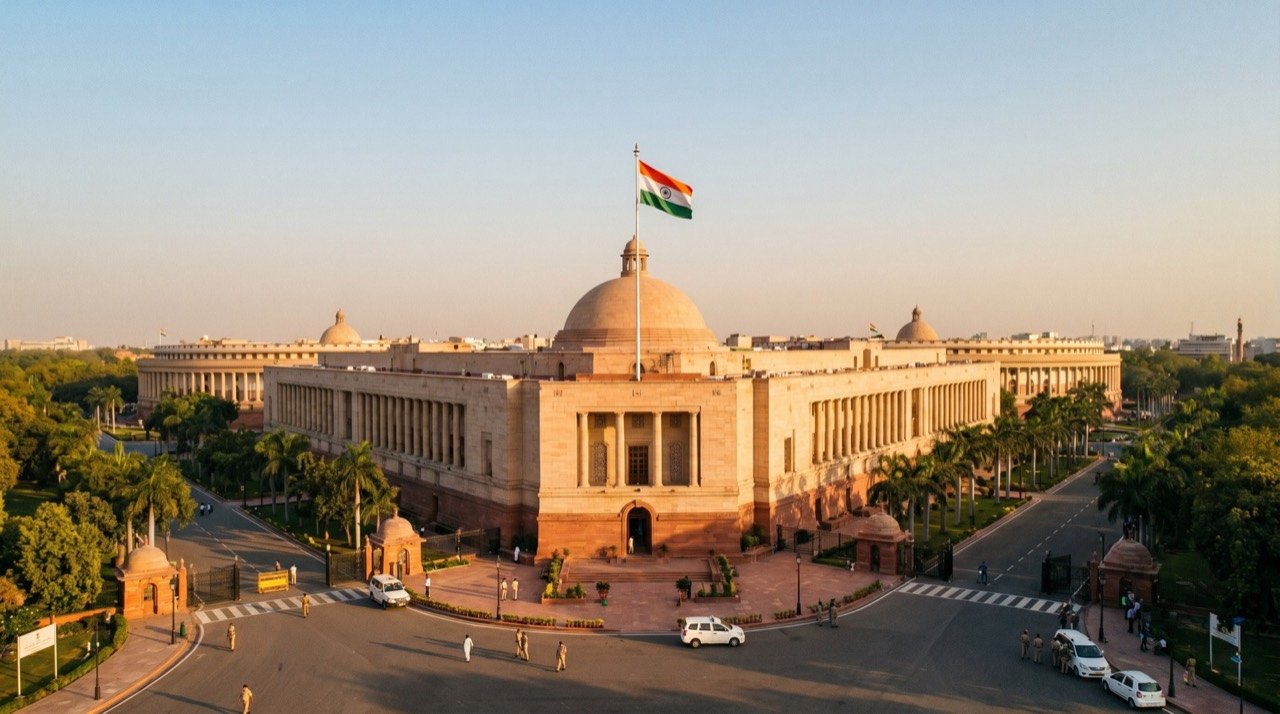
Kerala's UDF Government Under Satheesan Beds In as LDF Reckons With Defeat
V. D. Satheesan's Congress-led UDF ministry, formed after a sweeping win that ended a decade of Left rule, is finding its feet even as the LDF and a sidelined Pinarayi Vijayan weigh their next moves.
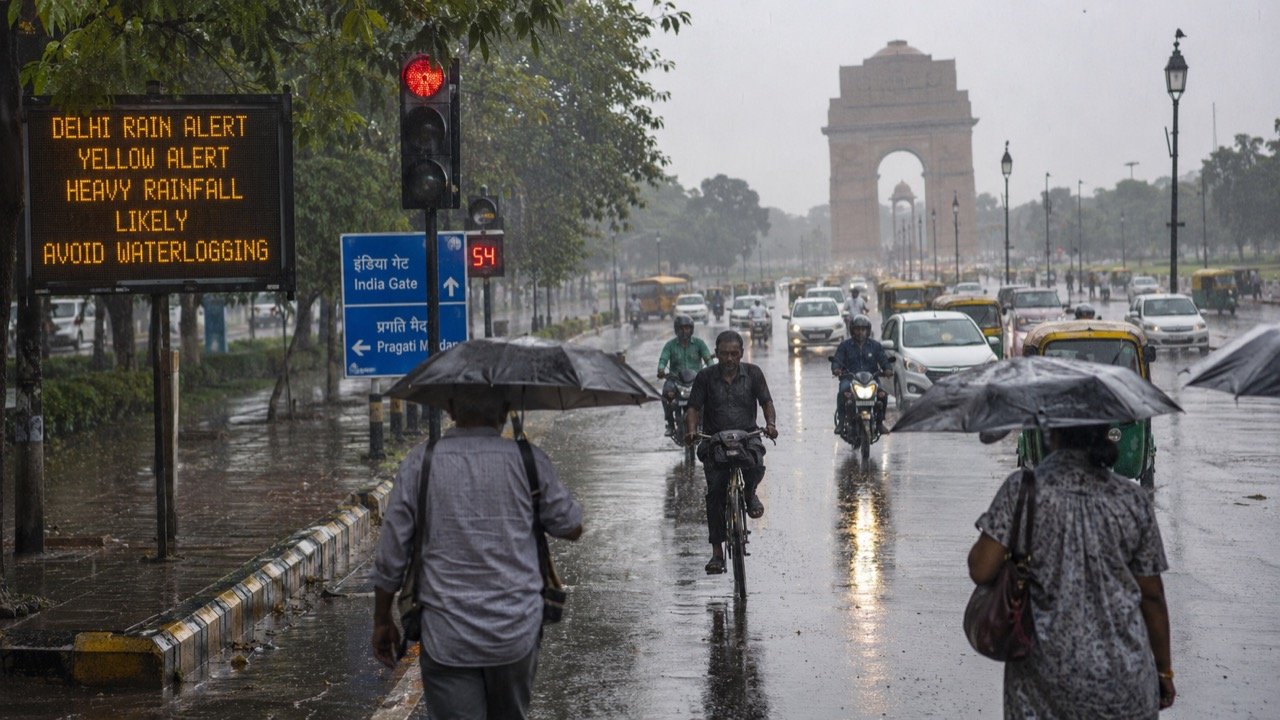
Delhi Rain Alert: Monsoon Travel and Civic Readiness Under Watch
Delhi's monsoon rain watch has residents tracking weather alerts and traffic advisories, as even moderate showers test the capital's drainage, underpasses and last-mile travel networks.
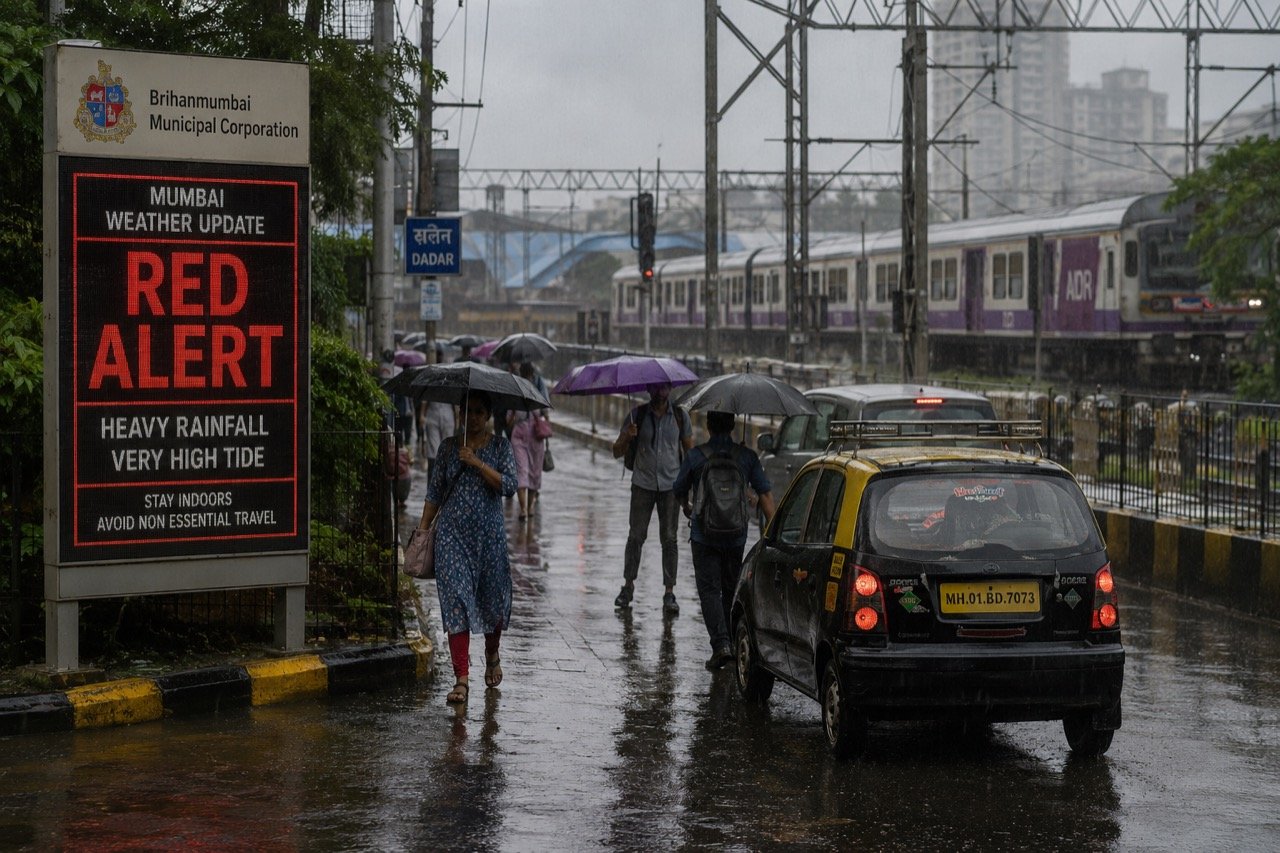
Mumbai Rains: Red Alert and Flight Diversions Test Monsoon Readiness
A red alert for heavy rainfall in Mumbai and reports of flight diversions have renewed scrutiny of the city's monsoon preparedness, from airport operations to local trains and drainage.
Monsoon 2026 Begins Under An El Nino Shadow As IMD Warns Of A Deficit
With the southwest monsoon now advancing across the country, the IMD has cautioned that rainfall could fall below normal this season, raising concern for farms, reservoirs and the wider economy.
More from this section
More
AICTE Industry Fellowship 2026: Rs 1.5 Lakh Scheme Closes July 5
The AICTE Industry Fellowship Programme 2026, which places technical-education faculty inside leading companies on a Rs 1.5 lakh monthly stipend, reached its application deadline on July 5.
Bay of Bengal Low Pressure System Revives Monsoon Over Western India
A low-pressure system over the Bay of Bengal has pushed the monsoon back into an active phase, bringing steady heavy rain to Kerala, coastal Karnataka and Maharashtra, and putting Mumbai and Pune on preparedness watch.
Bishnoi Gang Suspects Injured in Haryana Encounter as Police Tighten Net
A joint Haryana-Delhi Police operation in Bahadurgarh left two suspected Lawrence Bishnoi gang members injured, spotlighting the multi-state coordination now central to India's fight against organised crime networks.