Fuel Marketing Margins Rebound for Indian OMCs as Crude Eases After West Asia Shock
Petrol and diesel marketing margins at state-run oil firms BPCL, IOC and HPCL are recovering as crude prices ease, brightening the profit outlook even as inventory losses and LPG under-recoveries cloud the June quarter.
Commentary & Analysis ·
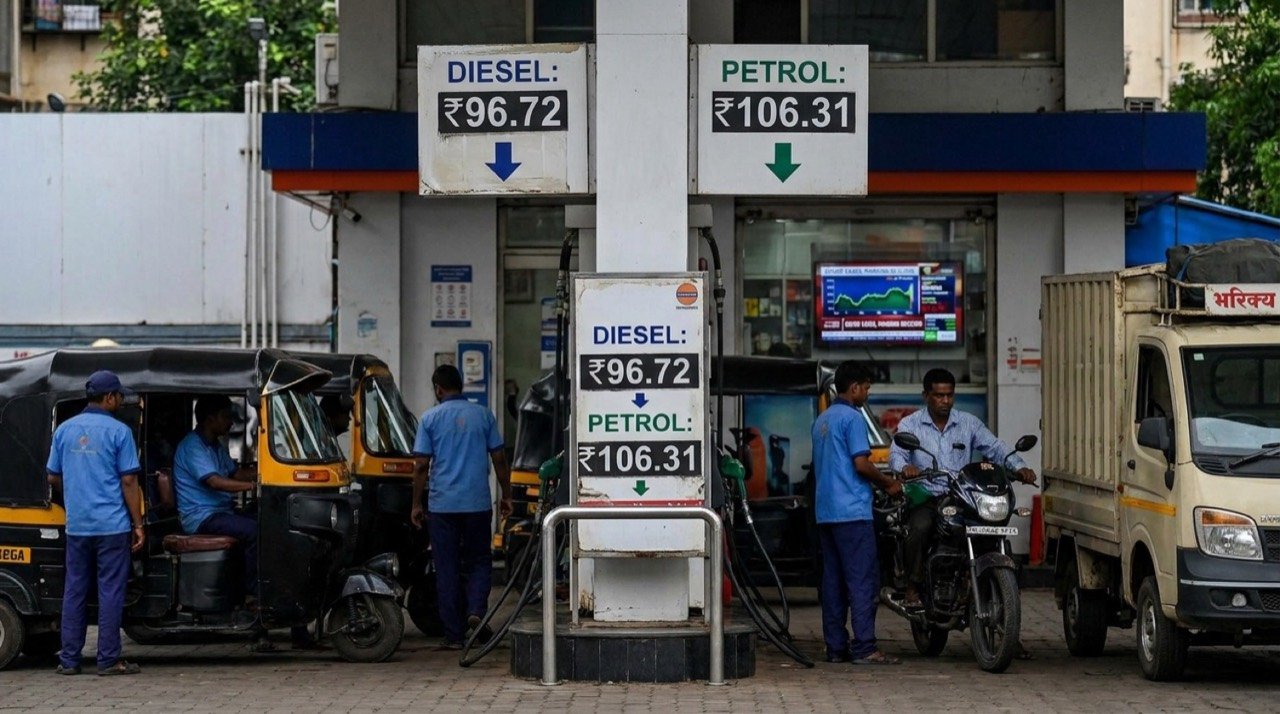
India's state-run oil marketing companies are seeing their petrol and diesel marketing margins recover as crude oil prices retreat from the spike triggered by the recent West Asia shock, according to reports citing a JP Morgan analysis. The improvement, if sustained, could lift profitability in the coming quarter and ease pressure on the public-sector firms that dominate fuel retailing across the country.
Where margins stand
According to the cited research, composite marketing margins at Bharat Petroleum (BPCL) and Indian Oil (IOC) are now estimated to be above pre-conflict levels, while Hindustan Petroleum (HPCL) has largely recovered the ground it lost during the price surge. Marketing margins measure the gap between what companies pay for crude and refined product and what they recover at the pump, so a fall in crude typically widens them when retail prices are held steady.
That dynamic is central to the financial health of OMCs, which absorb much of the volatility between global prices and domestic fuel rates. When crude climbs, margins compress; when it eases without a matching cut at the pump, margins expand.
The catch for the June quarter
Analysts caution that the rebound in marketing margins will not automatically translate into strong April-June earnings. The quarter is expected to carry the drag of inventory losses, the hit companies take when the value of crude and products held in storage falls as prices drop, alongside under-recoveries on subsidised LPG sold below cost.
In other words, the same fall in crude that helps marketing margins can simultaneously erode the value of existing stock, leaving the headline profit picture mixed even as the underlying retailing business improves.
Why investors and consumers are watching
The story sits at the intersection of global oil prices, domestic excise and pricing decisions, fuel retailing economics and the balance sheets of large public-sector enterprises. It also illustrates how swiftly geopolitical events can move through crude markets and into Indian corporate earnings, often within a single quarter.
- BPCL and IOC composite margins are estimated above pre-conflict levels.
- HPCL has largely recovered its earlier margin losses.
- Falling crude prices are widening marketing margins at the pump.
- Inventory losses may weigh on April-June reported earnings.
- LPG under-recoveries remain a drag on the bottom line.
“Marketing margins have moved back above pre-conflict levels, but inventory losses and LPG under-recoveries still cloud the quarter.”
— JP Morgan analysis, as cited in reports
Looking ahead, the trajectory of OMC profitability will depend on how long crude stays subdued and whether West Asia tensions flare again. A stable, lower crude environment would let marketing margins do the heavy lifting in later quarters, while any fresh price shock could quickly reverse the gains. For now, the recovery offers cautious optimism for a sector that remains tightly bound to global oil and domestic policy alike.
The NE Times View
Easing crude is restoring the marketing margins state oil firms lost in the West Asia shock, but the relief is cyclical, not structural. Inventory losses and unrecovered LPG subsidies still hang over the June quarter, and pump prices remain a political variable more than a market one. Investors should welcome the rebound while remembering that OMC profitability ultimately tracks policy and geopolitics, not just the price of a barrel.
This article is original commentary and analysis by The NE Times. Background facts were referenced from The Times of India and The New Indian Express.
You may also like to read
Crude spike from West Asia conflict pins rupee near record low, widens deficit fears
Surging oil prices have revived pressure on the currency and the current account, exposing India's enduring vulnerability to energy shocks.

TCS Earnings, Crude Oil and Global Cues Set to Steer Dalal Street
Indian equities head into a cue-heavy week as the June-quarter earnings season opens with TCS, while crude oil prices and global risk signals shape how investors position across sectors.
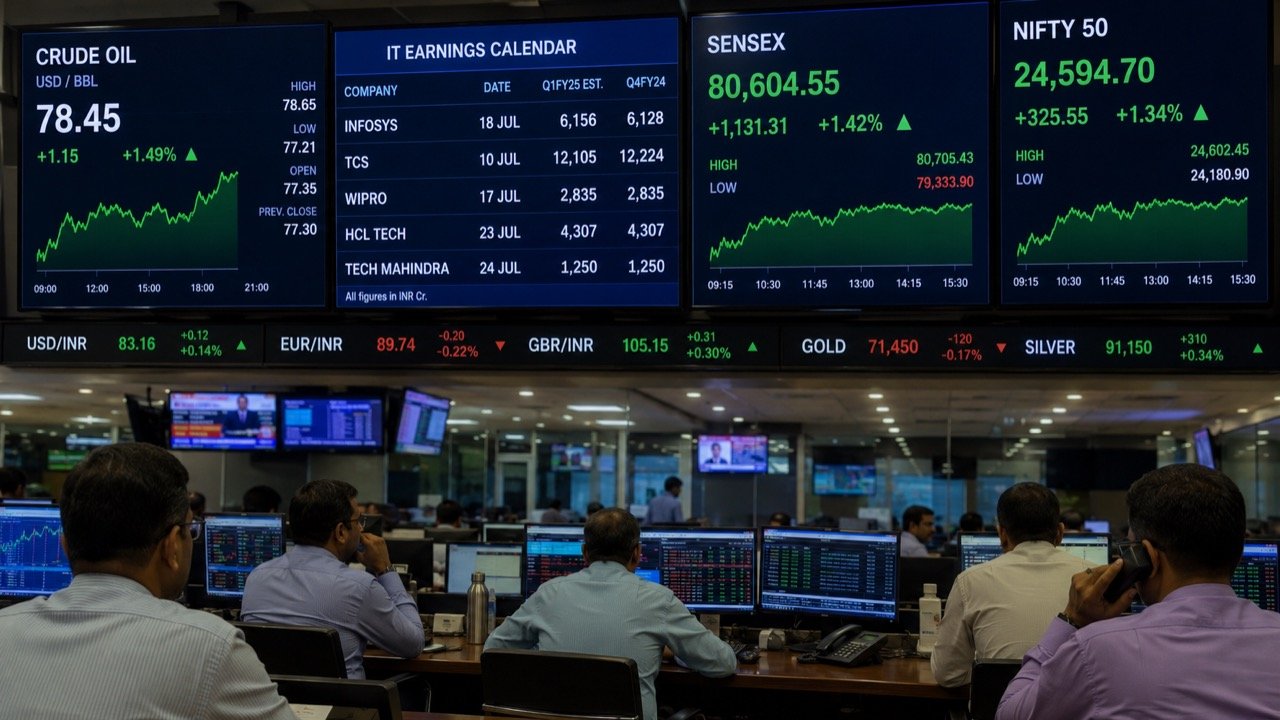
TCS Earnings, Crude Oil and Macro Cues to Steer Markets This Week
Indian equities head into the week with attention split between the start of earnings season led by TCS, movements in crude oil prices, and a stream of macro signals shaping investor sentiment.
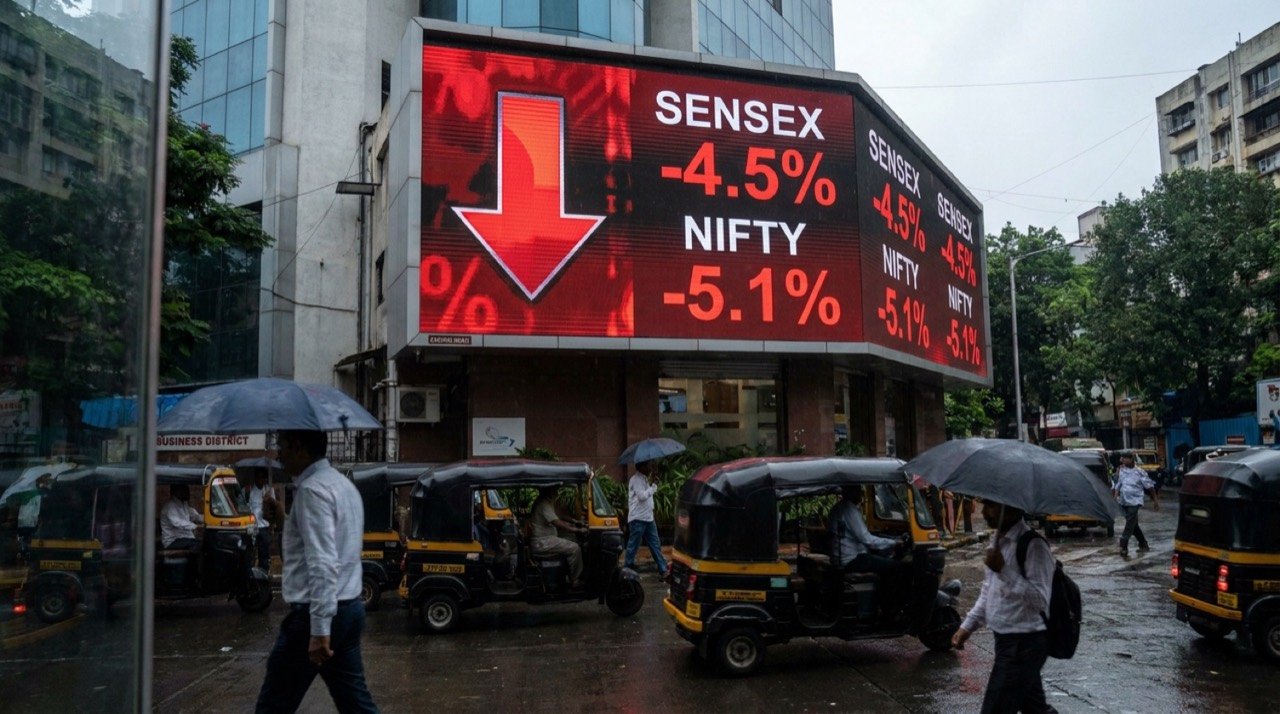
Sensex Sheds 893 Points as Global Risk and West Asia Tensions Weigh on Indian Equities
Indian benchmark indices closed sharply lower on June 23 as weak global cues and West Asian uncertainty dragged the Sensex below 76,300 and the Nifty under 23,850.
More from this section
More
Adani Case: US DOJ Pushes for Permanent Dismissal of Charges
The US Department of Justice has urged a judge to permanently dismiss charges against Gautam Adani, calling the case legally flawed — a reversal with consequences for markets, diplomacy and cross-border enforcement.

Akasa Air Inducts 40th Aircraft in Indian Aviation Scale-Up
Akasa Air's 40th aircraft, ferried to Bengaluru via Seattle, Reykjavik and Cairo, marks a fleet milestone for the young carrier and a fresh signal that India's aviation market remains firmly in expansion mode.
BARC Ratings Suspension Leaves Indian TV Industry Flying Blind
BARC's pause on television ratings has put India's broadcast measurement system under fresh scrutiny, leaving broadcasters, advertisers and media planners without the weekly audience data that anchors the TV economy.