India's Road To The Semis: The Maths Of A Tricky Group
Buoyed by a 64-run win over Pakistan, India's women must win at least three of their four remaining group games to secure a place in the Women's T20 World Cup semi-finals in England.
Commentary & Analysis ·

India's women have opened their ICC Women's T20 World Cup campaign in England with a confident 64-run win over Pakistan, but the structure of a six-team group means there is little room for complacency. With the top two from each pool advancing, India know that a strong start must be converted into sustained results over the coming fortnight. One victory, however emphatic, is only ever the opening line of a longer story, and the arithmetic of this group is unforgiving enough that the euphoria of a big win over a fierce rival must quickly give way to careful calculation.
The qualification arithmetic
Ten points are on offer from five group games, and the projections are unforgiving. To give themselves a realistic chance of progressing, India will need to win at least three of their four remaining fixtures against the Netherlands, South Africa, Bangladesh and Australia. That is a demanding target in a format where a single poor session, a top-order collapse or a missed chance in the field can flip a result. The clash with reigning powerhouse Australia looms as the defining test, with net run rate likely to matter should the group tighten. It is worth pausing on why net run rate carries such weight in tournaments of this kind: when several sides finish on similar points totals, it is the only differentiator left, and it rewards not just winning but winning well, with fast starts, minimal dot-ball pressure and disciplined bowling that restricts opponents deep into their innings. For India, this means the manner of victory against the Netherlands, South Africa and Bangladesh may matter almost as much as the results themselves, since a healthier run rate built up against the weaker sides in the group could prove the cushion that carries them through even if the Australia match goes the other way.
The tournament, hosted across seven venues in England from 12 June to 5 July, features 12 teams split into two groups of six. The two semi-finals are scheduled for 30 June and 2 July, with the final on 5 July. That compressed window leaves little time for recovery between fixtures, which places a premium on squad depth and the ability to manage niggles and fatigue without disrupting the balance of the side. Every game between now and the end of the group stage effectively becomes a mini-final, since a single slip could compress India's margin for error to almost nothing heading into the Australia fixture.
Form players to lean on
Smriti Mandhana set the tone against Pakistan with a brisk 68 from 34 balls, an innings that did the double job of settling early nerves and putting the required run rate for Pakistan's chase out of reach almost before it began. Fast, fluent starts of this kind are precisely what tournament cricket rewards, because they allow the middle order to play with freedom rather than needing to rebuild an innings from a cautious position. Captain Harmanpreet Kaur, leading the side at a World Cup for a fifth time, adapted after a slow start, a reminder that even India's most experienced campaigner is not immune to early-innings pressure but retains the game awareness to recalibrate once set. That experience matters enormously in a tournament where the margins are this tight; a captain who has been through five World Cup cycles brings a composure under pressure that younger sides often lack.
India's depth in batting runs through Shafali Verma, Jemimah Rodrigues and Richa Ghosh, with Deepti Sharma and Renuka Singh spearheading a balanced attack. This blend of aggressive top-order strokeplay, versatile middle-order finishing and all-round bowling craft is exactly the profile that tends to travel well across different conditions, whether the pitches in England turn slow and low as the tournament progresses or continue to offer pace and bounce. Having match-winners across multiple phases of the innings, rather than relying on one or two individuals, is what allows a side to absorb an off day from a key player without the whole campaign unravelling.
Where the pressure points lie
Beyond the headline batters, India's progress may hinge on their middle-order resilience under lights and their ability to defend modest totals on slower surfaces. Evening matches in England can bring dew and shifting conditions that complicate both batting and bowling plans, and sides that have practised chasing under pressure or defending par scores tend to cope better when a game refuses to go to script. The bowlers' control at the death and sharp fielding in the deep could prove decisive in tight contests where net run rate becomes the tie-breaker. In a format as short as T20, a handful of boundaries saved or conceded in the final overs can be the difference between a comfortable win and a nervy finish, and those fine margins accumulate across a group stage to shape who finishes in the qualifying places.
An India team analyst, paraphrased, captured this mindset succinctly: the side is thinking about points and run rate together, because in a group this even, the margins decide who goes through. That framing is telling. It suggests a management group that is not simply chasing wins in isolation but actively managing the broader qualification picture, weighing when to push for quick runs versus consolidating, and treating every match as part of a cumulative equation rather than a standalone contest. If India navigate the Netherlands, South Africa and Bangladesh while staying competitive against Australia, a top-two finish, and a likely semi-final on 30 June, remains firmly within reach.
Why this campaign matters beyond the group stage
For a side of India's ambition, progress here is about more than a single tournament cycle. A deep run at a World Cup on English soil would offer a marker of consistency for a team that has long been considered among the most talented in women's cricket without always converting that talent into knockout success. Every fixture between now and the semi-finals therefore doubles as both a qualification battle and a test of temperament, the kind of examination that shapes belief heading into the business end of a global event. Supporters and former players alike will be watching not just the scorelines but the composure India show when games are tight, since that is usually the difference between sides that make up the numbers in a group and sides that go on to lift the trophy.
There is also a broader context worth noting: a six-team group with only two qualification spots forces near-flawless execution across a short window, and it leaves almost no room for the kind of mid-tournament lull that has affected India in the past. That history is precisely why this next stretch of matches carries so much weight, and why the management's stated focus on points and run rate together, rather than results in isolation, feels like a lesson learned rather than mere caution.
The NE Times View
The win over Pakistan steadies nerves, but needing three of four to advance leaves no margin for the inconsistency that has dogged this side in tournaments. The talent is unquestionable; the question, as ever, is closing out games under pressure. A home-soil semi-final berth is within reach, yet India's women have learned the hard way that potential alone wins nothing. What will separate this campaign from previous disappointments is not the quality of the batting line-up, which has rarely been in doubt, but the collective discipline to treat each of the remaining four matches with the same seriousness, regardless of the opponent's ranking. Netherlands and Bangladesh may appear the more straightforward assignments on paper, but the group's structure means complacency against the supposedly weaker sides could prove just as costly as defeat to Australia.
Key takeaways
- India beat Pakistan by 64 runs in their opening fixture, but the format demands at least three more wins from four remaining games to reach the semi-finals.
- The remaining group opponents are the Netherlands, South Africa, Bangladesh and Australia, with the Australia fixture seen as the defining test of the group stage.
- Net run rate is likely to be decisive if results tighten, making the manner of victory, not just the outcome, important in every remaining match.
- Smriti Mandhana's 68 from 34 balls and Harmanpreet Kaur's experienced captaincy underline India's strength at the top, backed by depth through Shafali Verma, Jemimah Rodrigues, Richa Ghosh, Deepti Sharma and Renuka Singh.
- Semi-finals are scheduled for 30 June and 2 July, with the final on 5 July, leaving India a narrow but achievable path to a home-soil semi-final berth.
You may also like to read

India vs England 2nd T20I: Bethell's 76 Powers Four-Wicket Chase
Jacob Bethell's 76 off 46 balls steered England past India's 190 at Old Trafford, spoiling Vaibhav Sooryavanshi's record-breaking debut and handing the hosts a 1-0 lead in the five-match series.
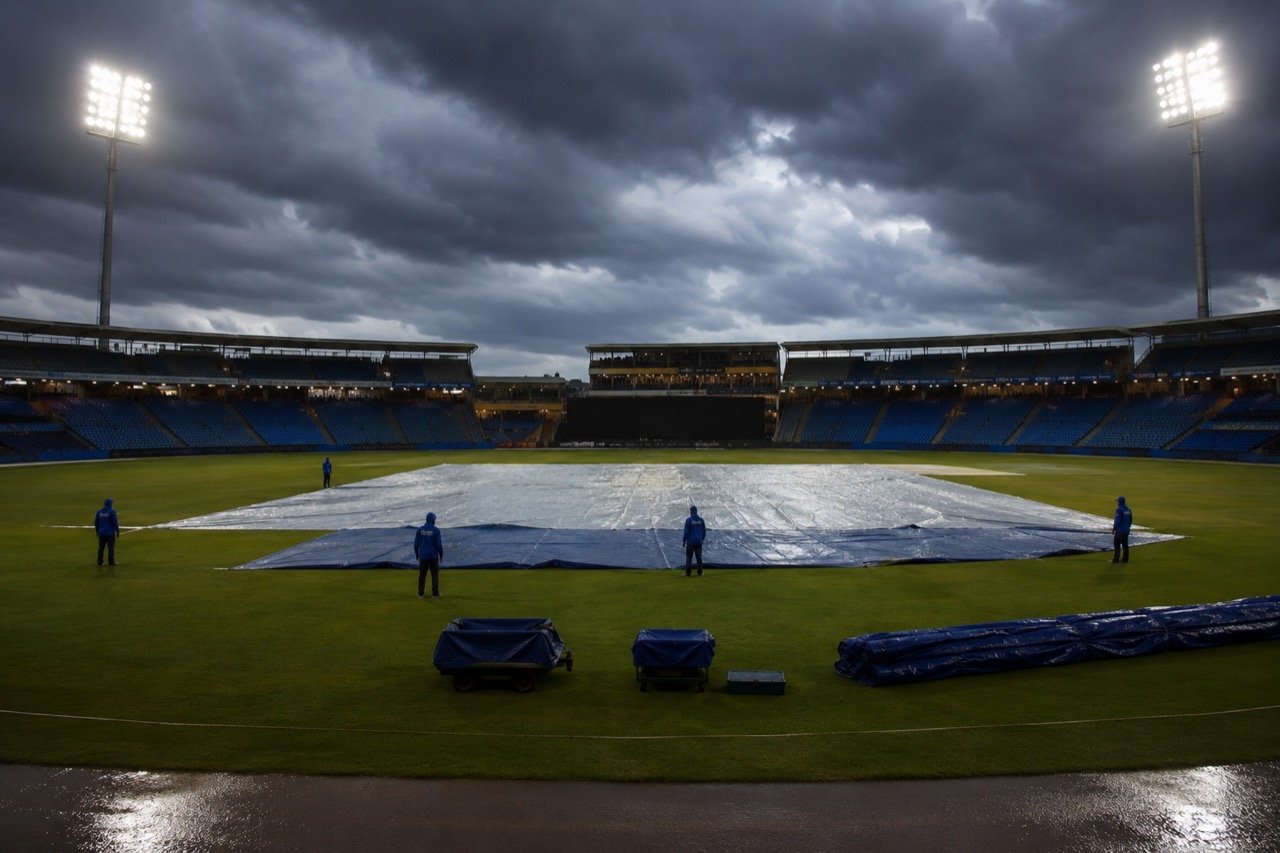
Rain Threat Looms Over India vs England 2nd T20I Match Day
Fans tracking the second India-England T20I are watching the skies as much as the pitch, with rain forecasts, streaming details and playing XI questions shaping expectations before the first ball.
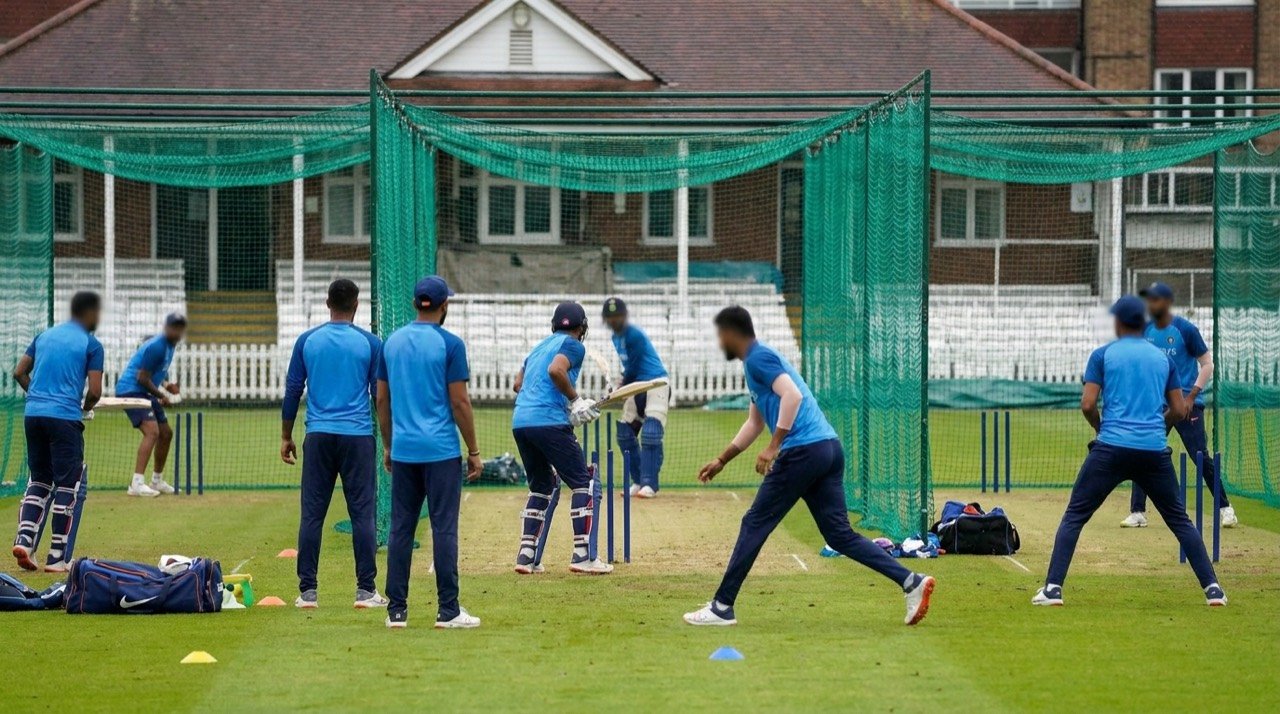
India Finalise T20I Squad for England Tour as Iyer Leads, Bumrah Rested and Shedge Earns Call-Up
India have locked in their Twenty20 squad for the five-match England tour starting 1 July, with Shreyas Iyer captaining, Jasprit Bumrah rested and Suryansh Shedge a surprise injury replacement.

Gavaskar Urges BCCI to Create One-Month Rest Window for India Players
Former India captain Sunil Gavaskar has called for a planned one-month rest window for Indian cricketers and stronger protection of the India cap, reigniting the debate over workload in a crowded calendar.
More from this section
More
Arnav Paparkar Advances at Wimbledon Boys' Singles in Boost for India
Indian junior Arnav Paparkar has moved into the second round of the Wimbledon boys' singles with a commanding serving display, handing Indian tennis a rare and encouraging grass-court result at the sport's biggest stage.

Axar Patel Becomes First Indian Spinner With 100 T20I Wickets
Axar Patel reached 100 T20 international wickets in the second T20I against England, becoming the first Indian spinner to hit the mark and cementing his standing as one of India's most durable white-ball performers.
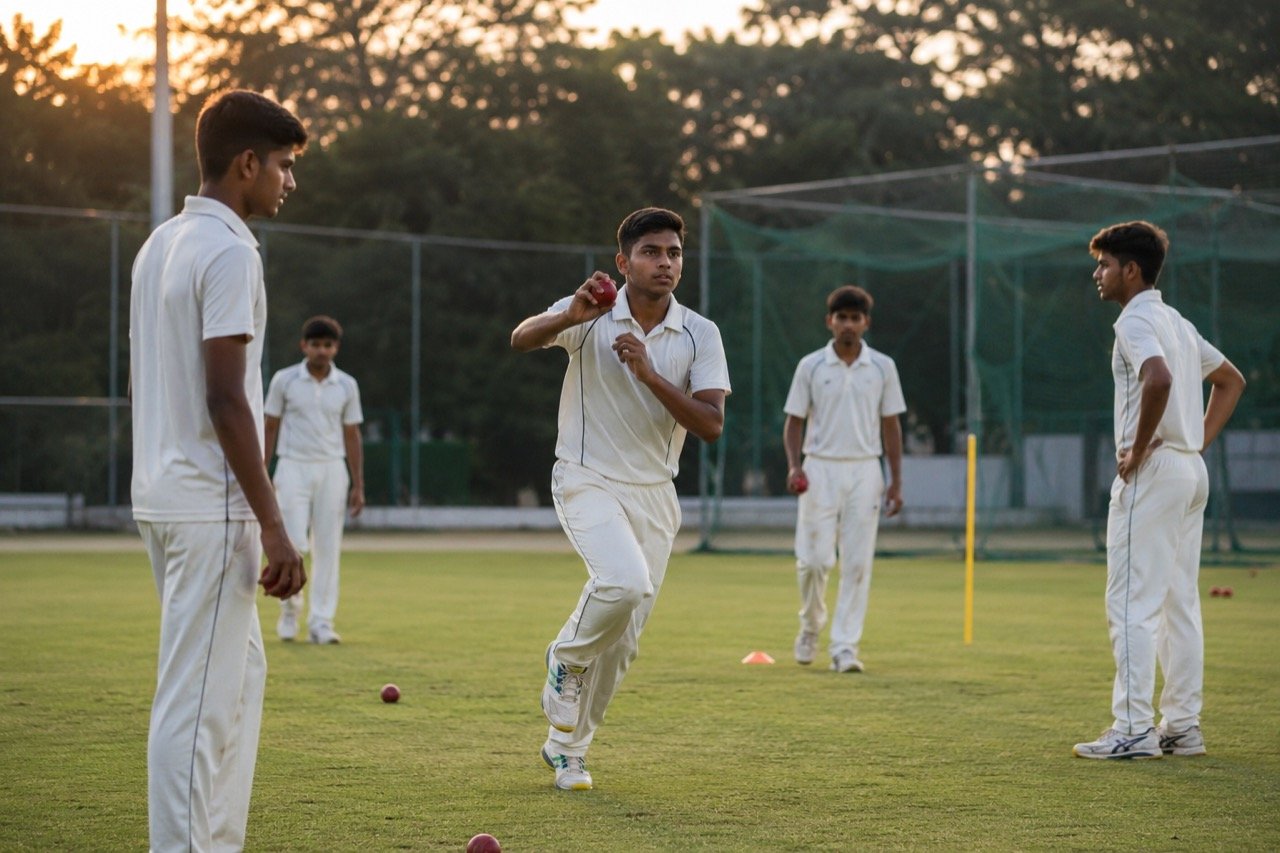
BCCI Emerging Men's Tournament to Hunt Test Prospects in Bengaluru
The BCCI's red-ball Emerging Men's Tournament, running at the Centre of Excellence in Bengaluru through July, is designed to give selectors a longer, harder look at India's next generation of Test cricketers.