Heatwave drives India's power demand to record highs, testing the grid
Peak electricity demand crossed 270 GW in late May as a punishing summer pushed cooling loads to unprecedented levels, exposing structural strains on the country's power system.
Commentary & Analysis ·
An intense and prolonged heatwave has pushed India's electricity demand to record levels this summer, with peak consumption crossing 270 gigawatts and exposing the structural pressures building on the country's power grid. The surge, driven largely by cooling needs in homes and offices, has tested the system's ability to keep pace with a fast-changing demand pattern.
Peak power demand reached 270.8 gigawatts on 21 May, the culmination of a run of successive daily records through the month. Earlier in the season, demand had already hit 256 gigawatts in late April amid searing temperatures and unusually hot nights. The figures mark a step change from previous years and underline how extreme heat is reshaping the way India consumes electricity.
A shift in the demand curve
Analysts point to a structural transformation in power consumption rather than a one-off spike. Intensifying heatwaves, rapid urbanisation and rising cooling demand are pushing consumption to new highs, with residential cooling now overtaking industrial growth as a driver in several regions. The pressure is no longer confined to daytime: evening and night-time peaks have climbed sharply, with demand reaching close to 252 gigawatts late at night on 21 May.
Sustained all-day demand, rather than a short midday surge, leaves the grid with less room to manoeuvre. When large parts of the country swelter simultaneously, demand surges nationwide, reducing the flexibility operators rely on to balance supply and load.
Strains on the supply mix
The composition of supply during these peaks tells its own story. Solar and hydro met around 30 per cent of the peak load, but as solar generation fades in the evening, the burden shifts to coal, which is being pushed to the limits of its flexibility, and to costly gas-fired plants used to plug ramping gaps. The result is a system working hard to match a demand curve that is both higher and more spread out than before.
- Peak power demand reached 270.8 GW on 21 May, a record
- Demand had already touched 256 GW in late April
- Late-night peak hit nearly 252 GW on 21 May, showing all-day pressure
- Residential cooling now outpacing industrial demand growth in several regions
- Solar and hydro met about 30% of peak, forcing coal to its flexibility limits
The broader challenge
The episode highlights a dilemma at the heart of India's energy transition. The country is rapidly adding renewable capacity, but the intermittency of solar power means that meeting a rising evening and night-time peak still leans heavily on thermal generation. Managing this balance, while keeping the lights on through ever-hotter summers, is emerging as one of the defining tests for the power sector.
Heat is also rewiring demand in ways that complicate long-term planning. As cooling becomes a larger share of consumption, the seasonal and daily shape of the load curve is changing, with implications for how much capacity must be built and how flexibly it must run.
Outlook
With summer demand still elevated and the monsoon only gradually spreading across the country, grid operators face continued pressure in the near term. Over the longer run, the records set this year are likely to inform decisions on storage, transmission and the mix of generation needed to handle a demand curve reshaped by extreme heat. For now, the season has served as a stress test, one that the grid has so far met, but that points to mounting challenges ahead.
The NE Times View
Crossing 270 GW is both an achievement and an alarm: it shows an economy that is growing and electrifying, but also a grid being pushed to its limits by climate-driven cooling demand. Each record peak that the system survives buys complacency it cannot afford. India needs aggressive investment in storage, transmission and demand management, because hotter summers are now the baseline, not the outlier, and the next heatwave will only test the grid harder.
This article is original commentary and analysis by The NE Times. Background facts were referenced from Down To Earth and Business Today.
You may also like to read
Monsoon Surges Into Central India as Heatwave Grips the East: A Split Weather Map
The India Meteorological Department reported the monsoon advancing into Gujarat and central India on 24 June even as severe heat scorched the east, leaving the country under a sharply divided weather pattern.
Odisha Seeks Rs 9,000 Crore to Build a Disaster-Proof Power Grid
Odisha has asked the Centre for more than Rs 9,000 crore to storm-harden its electricity network, putting a visible price tag on climate resilience for India's cyclone-prone coastal states.
Delhi Weather: Warmest July Day in Two Years, Orange Rain Alert Next
Delhi's maximum temperature climbed to 38.6 degrees Celsius on Sunday, its warmest July day in two years, even as the IMD issued an orange alert for moderate rain on Monday.
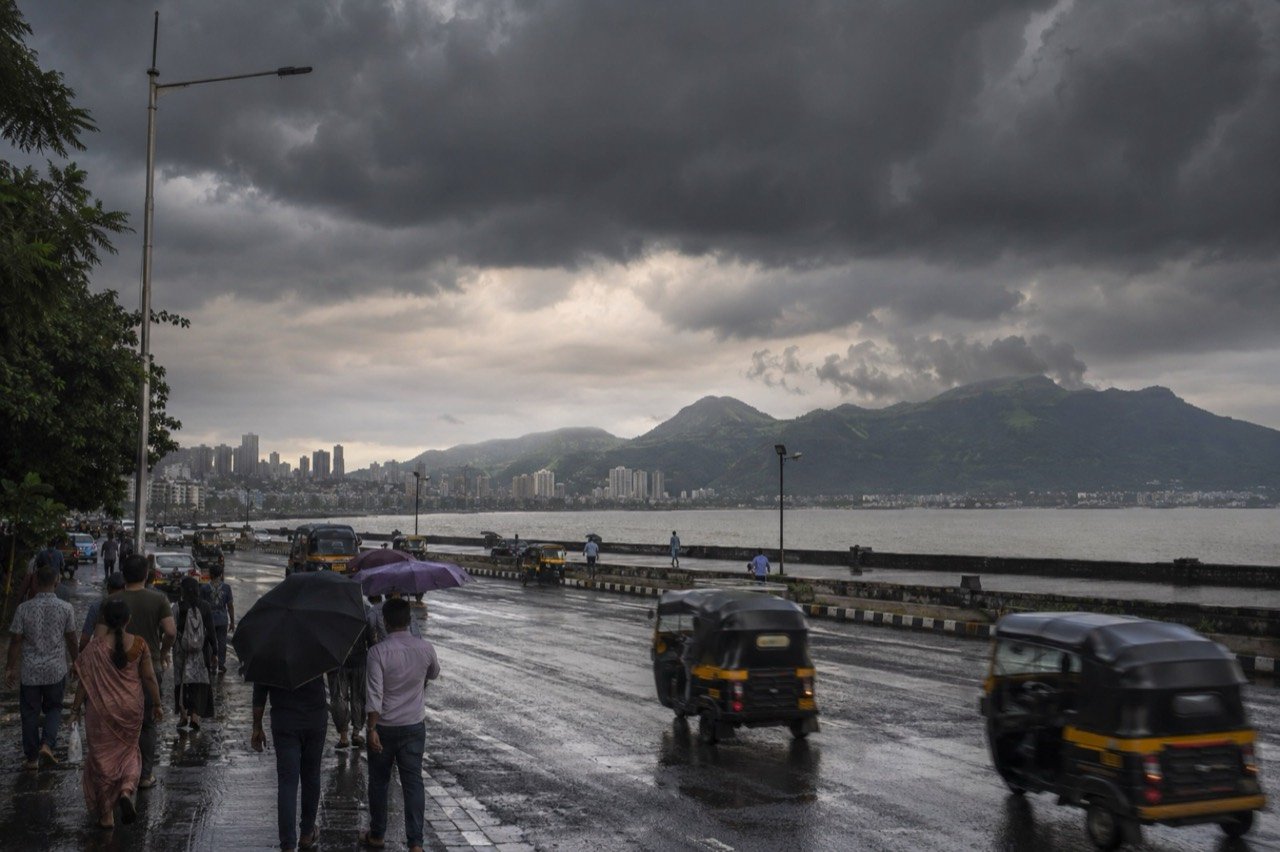
Monsoon Revival Forecast Triggers Rain Alerts Across India as Heat Lingers
India's southwest monsoon is set to regain strength this week, bringing very heavy rain to the Northeast and Maharashtra even as central districts stay under heatwave warnings.
More from this section
More
AICTE Industry Fellowship 2026: Rs 1.5 Lakh Scheme Closes July 5
The AICTE Industry Fellowship Programme 2026, which places technical-education faculty inside leading companies on a Rs 1.5 lakh monthly stipend, reached its application deadline on July 5.
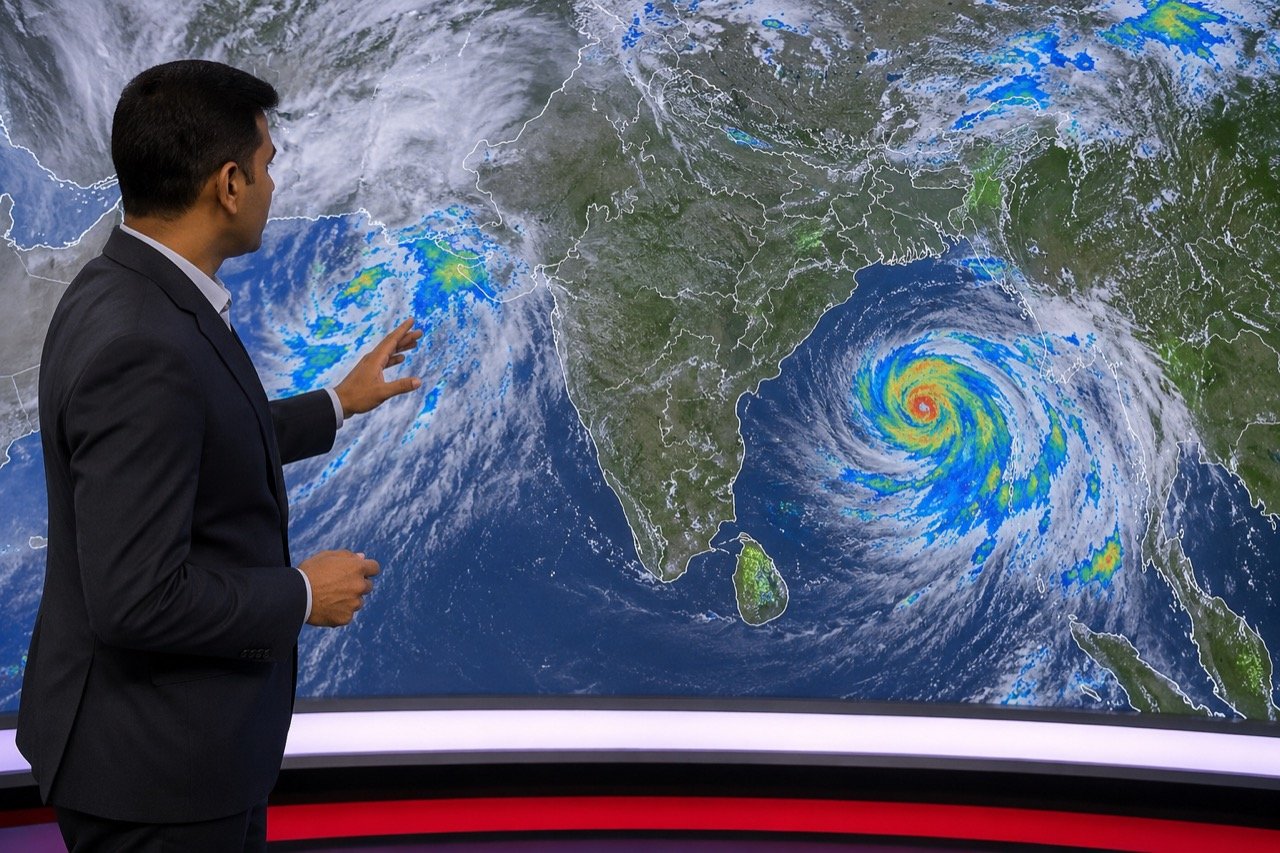
Bay of Bengal Low Pressure System Revives Monsoon Over Western India
A low-pressure system over the Bay of Bengal has pushed the monsoon back into an active phase, bringing steady heavy rain to Kerala, coastal Karnataka and Maharashtra, and putting Mumbai and Pune on preparedness watch.
Bishnoi Gang Suspects Injured in Haryana Encounter as Police Tighten Net
A joint Haryana-Delhi Police operation in Bahadurgarh left two suspected Lawrence Bishnoi gang members injured, spotlighting the multi-state coordination now central to India's fight against organised crime networks.