India Lifts Natural Gas Curbs as Middle East Tensions Ease
The Centre has rolled back emergency natural gas restrictions imposed in March to shield priority sectors, signalling that policymakers judge the immediate supply risk from West Asian instability to have receded.
Commentary & Analysis ·

India has lifted the emergency curbs it placed on natural gas supplies in March, after tensions in the Middle East eased sufficiently for the government to conclude that the immediate threat to energy security had substantially receded. The move, reported by Reuters via NDTV, reverses restrictions that had diverted gas away from non-priority sectors in order to protect essential users during a period of heightened geopolitical risk. On the surface, this is a technical adjustment to an allocation formula. In substance, it is a small but revealing episode in how a large, energy-importing democracy manages the shockwaves of conflict occurring thousands of kilometres from its borders.
What the curbs did, and why they existed
When New Delhi invoked the restrictions in March, the logic was straightforward. Natural gas in India is allocated across a hierarchy of users, with sectors deemed critical, such as power generation for essential services, city gas distribution, and fertiliser production, sitting at the top of the priority list. When supply risk rises, whether from shipping disruptions, price spikes, or the possibility of physical interruption to imports, the government can reduce or redirect volumes going to non-priority industrial users to make sure the protected sectors are never left short. This is a deliberate trade-off: it sacrifices the convenience and cost position of some manufacturers to guarantee continuity for the sectors considered most sensitive to the public interest, namely electricity supply and food production inputs like fertiliser.
That the government reached for this tool in March tells its own story. It suggests that officials judged the risk from the Middle East situation to be serious enough to warrant a formal, economy-wide intervention rather than simply monitoring the situation. Emergency gas allocation is not invoked lightly, since it has direct costs for the businesses pushed down the priority queue. The fact that it was used at all is a marker of how seriously Indian policymakers were tracking developments in West Asia at the time.
Why the rollback matters now
Gas allocation is not an abstract bureaucratic matter. It feeds directly into the cost base of power generation, fertiliser output, and a wide swathe of manufacturing that relies on gas as a feedstock or fuel. For the months the restrictions were in place, businesses outside the priority list would have faced some combination of higher costs, supply uncertainty, or reduced availability, forcing them either to absorb losses, pass costs on, or scale back production. Removing the curbs is therefore not merely a symbolic gesture. It is a practical easing of a real constraint that had been weighing on parts of Indian industry for months.
The decision to roll back also carries an informational signal that is arguably as important as its practical effect. Governments do not typically reverse emergency measures unless they have reasonable confidence that the underlying risk has genuinely diminished. By lifting the curbs, New Delhi is effectively communicating to markets and industry that it now views the immediate supply threat from the Middle East as substantially reduced. That judgement will filter through to how businesses plan production, procurement and investment in the near term, even though the government has not made any explicit long-term guarantee about future stability.
The tight link between West Asian geopolitics and Indian energy policy
India imports a large share of the energy it consumes, and natural gas is no exception. This dependence means that developments in West Asia, a region central to global energy supply chains, can translate into domestic consequences with striking speed. The March curbs demonstrated how quickly Indian policy can move when external conditions deteriorate: within what appears to have been a short window, the government moved from normal allocation to emergency triage. The rollback now demonstrates the same responsiveness operating in reverse, with restrictions lifted essentially as soon as the external risk picture improved.
This speed of response cuts both ways. On one hand, it shows a government capable of reacting nimbly to protect critical sectors when conditions warrant it. On the other, it is a reminder of just how exposed India's industrial economy remains to events entirely outside its control. A flare-up in a region thousands of kilometres away can, within weeks, alter the operating environment for fertiliser plants, power stations and factories across India. That is not a comfortable position for a country pursuing sustained industrial growth and manufacturing expansion.
The trade-offs of emergency allocation as a policy tool
The episode is also a useful illustration of the broader trade-offs involved whenever governments reach for emergency allocation tools. Such measures exist precisely because they can protect essential sectors during genuine disruption, and in that sense they served their purpose here: the priority sectors, power and fertiliser chief among them, were shielded from the worst of the uncertainty. But the protection was not free. It was funded, in effect, by the businesses pushed down the priority list, who bore the cost and availability pressures that the protected sectors were spared. This is the essential character of emergency allocation as a policy instrument: it is blunt, it is redistributive by design, and it necessarily creates winners and losers among businesses that, in normal times, would all expect roughly equal access to the same energy inputs.
Viewed this way, the return to normal supply arrangements is itself a form of economic relief, independent of any other factor. Firms that had been operating under constrained gas access for months can now plan on the assumption of full availability. That alone should support some recovery in output and cost positions for the industrial users who were not on the protected list, even without any other change in the broader economic environment.
The NE Times View
The lifting of these curbs is welcome, but the deeper lesson should not be lost in the relief. India's industrial base spent months hostage to events thousands of kilometres away because the country still lacks adequate strategic gas storage and diversified supply contracts. Emergency allocation is a blunt instrument that punishes precisely the manufacturers India wants to grow, and the fact that policymakers had to resort to it at all is itself an indictment of how thin India's buffers against external energy shocks remain.
New Delhi should use this breathing space to expand storage capacity, lock in long-term LNG deals across geographies, and accelerate domestic production, so that the next West Asian flare-up does not force the same painful triage. The speed with which India imposed and then lifted these curbs shows a government that can react well to a crisis once it has arrived. What it has not yet shown is the deeper structural fix that would prevent the crisis from reaching Indian factory floors in the first place. Reacting quickly to a fire is commendable; building a system that needs fewer fires fought at all is the harder, more valuable task, and it is one that remains largely undone. Until India has meaningfully larger gas reserves in storage and a more diversified set of long-term supply arrangements, this same cycle of curb-and-release will likely repeat itself the next time tensions rise in a region it cannot control but on which it heavily depends.
Key takeaways
- India has lifted the emergency natural gas curbs imposed in March, after easing tensions in the Middle East reduced the perceived threat to supply.
- The curbs had diverted gas away from non-priority industrial sectors to protect power generation, fertiliser production and other essential users during the period of heightened risk.
- The rollback offers real relief to businesses that faced cost and availability pressures while the restrictions were in force, and signals the government's assessment that the immediate risk has substantially receded.
- The episode underscores how directly Indian industrial policy remains tied to geopolitical developments in West Asia, given the country's heavy reliance on energy imports.
- The NE Times view is that India should use this window to build strategic gas storage, diversify LNG contracts, and expand domestic production, so future disruptions do not force the same blunt trade-offs.
You may also like to read
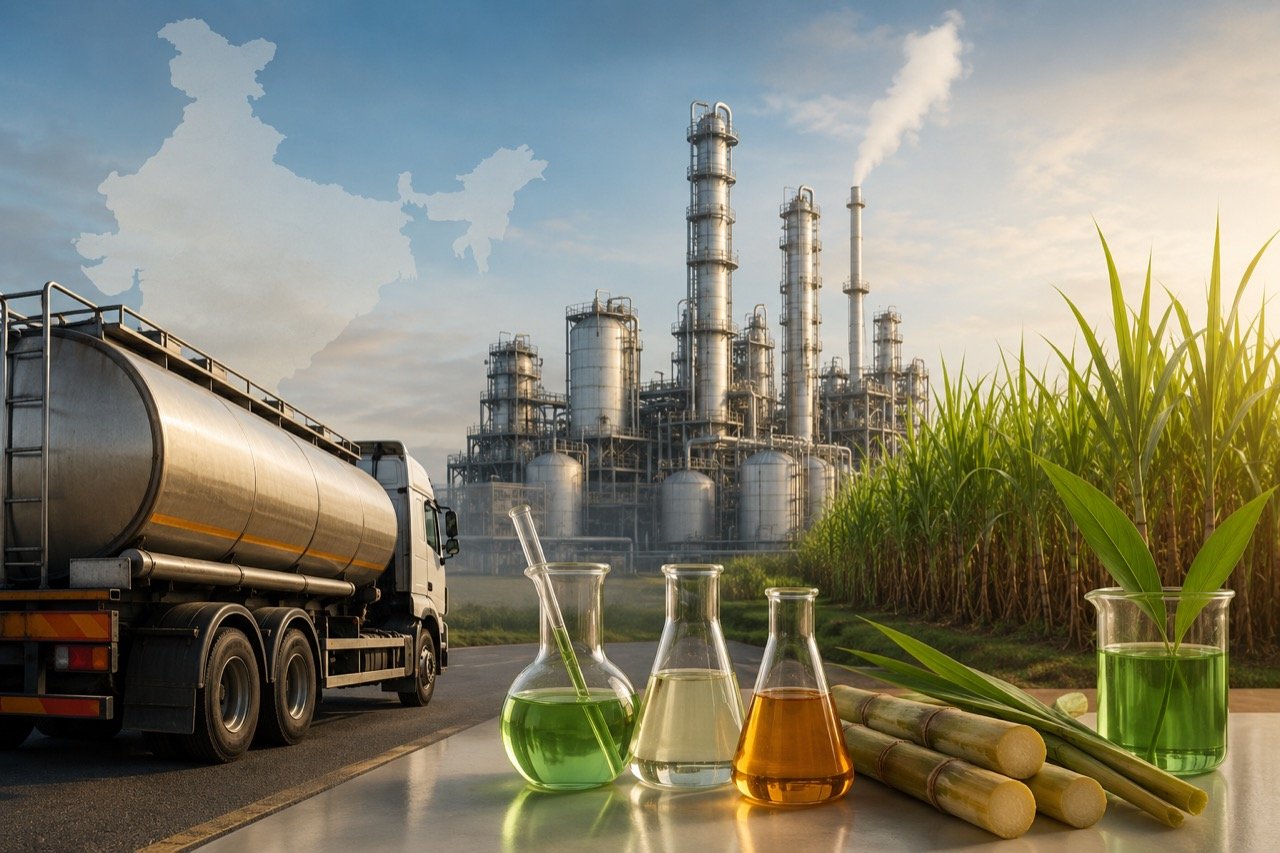
Nitin Gadkari Backs Isobutanol-Blended Diesel in New Biofuel Push
Union Minister Nitin Gadkari is reportedly pushing for up to 15 percent isobutanol blending in diesel, extending India's biofuel drive beyond E20 petrol into the fuel that powers freight and farming.
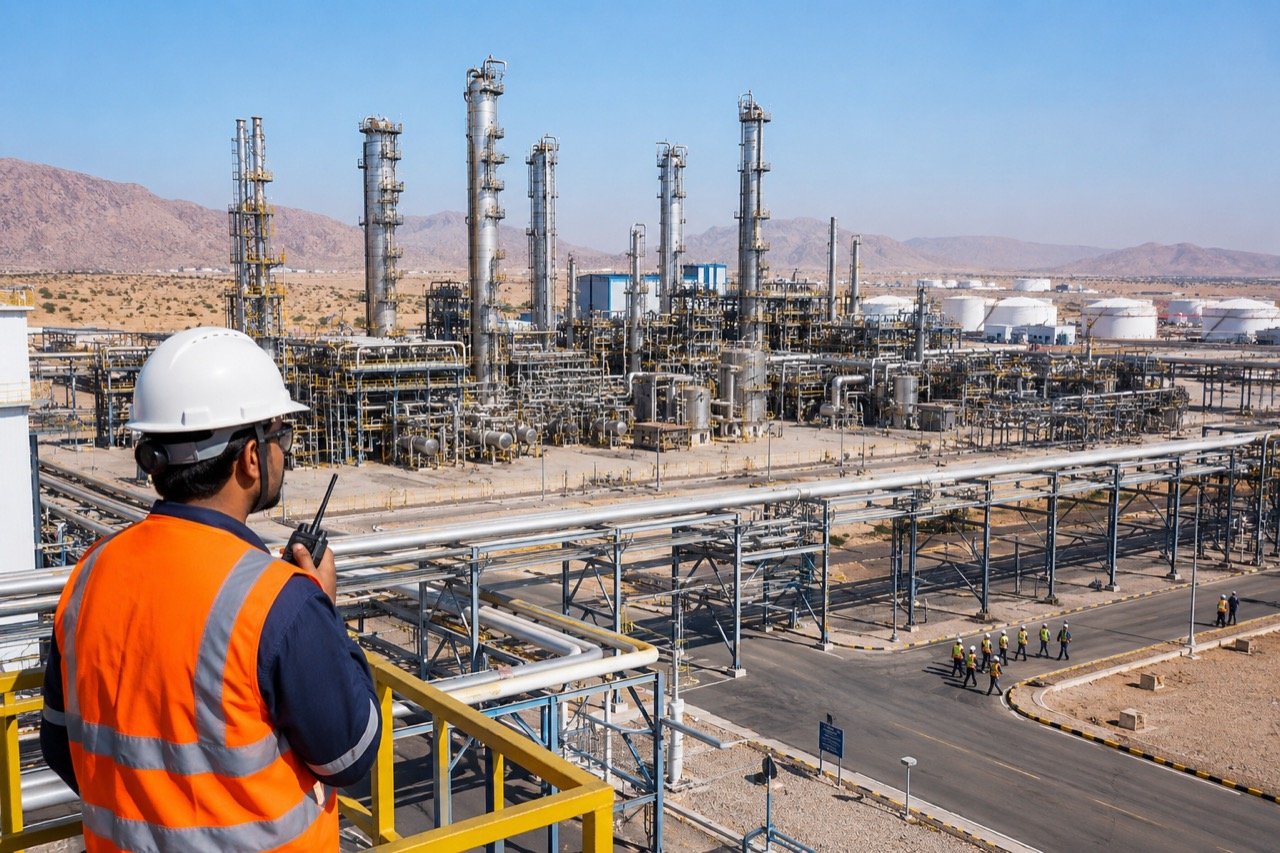
Modi Opens Pachpadra Refinery: Energy Security and Jobs at Stake
Prime Minister Narendra Modi has inaugurated the HPCL Rajasthan Refinery at Pachpadra, a mega project that puts India's energy security, industrial investment and regional employment squarely in the spotlight.
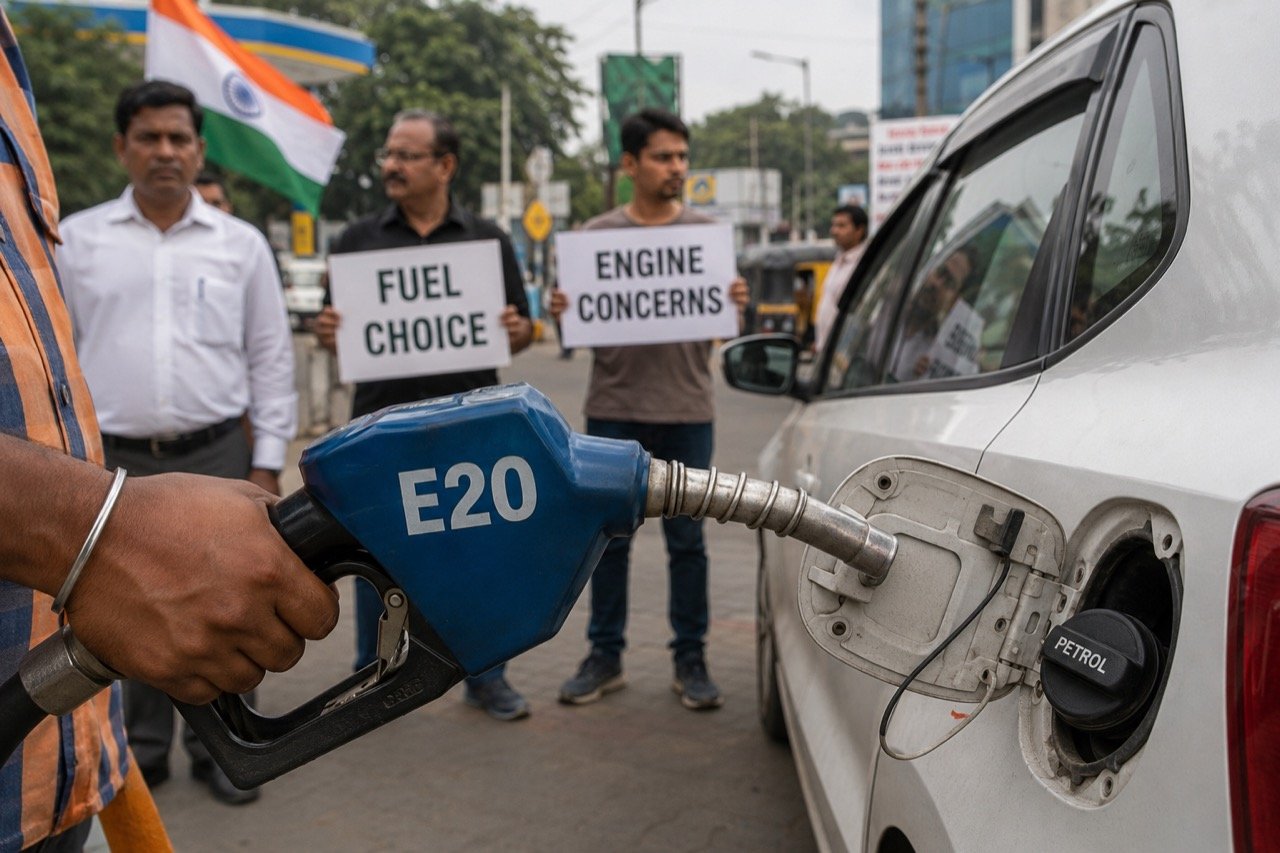
E20 Petrol: Why India's Ethanol Blending Push Divides Motorists
India's rollout of E20 ethanol-blended petrol has become a live public-policy debate, with vehicle owners raising questions about mileage, engine compatibility and consumer choice even as the government defends its energy-security goals.

IMD Warns of Heavier Rain in East and Northeast India as Monsoon Risks Shift Across the Country
IMD expects increased rainfall over east and northeast India, eastern Uttar Pradesh and the western Himalayas, while activity remains subdued in several western and southern regions.
More from this section
More
AICTE Industry Fellowship 2026: Rs 1.5 Lakh Scheme Closes July 5
The AICTE Industry Fellowship Programme 2026, which places technical-education faculty inside leading companies on a Rs 1.5 lakh monthly stipend, reached its application deadline on July 5.
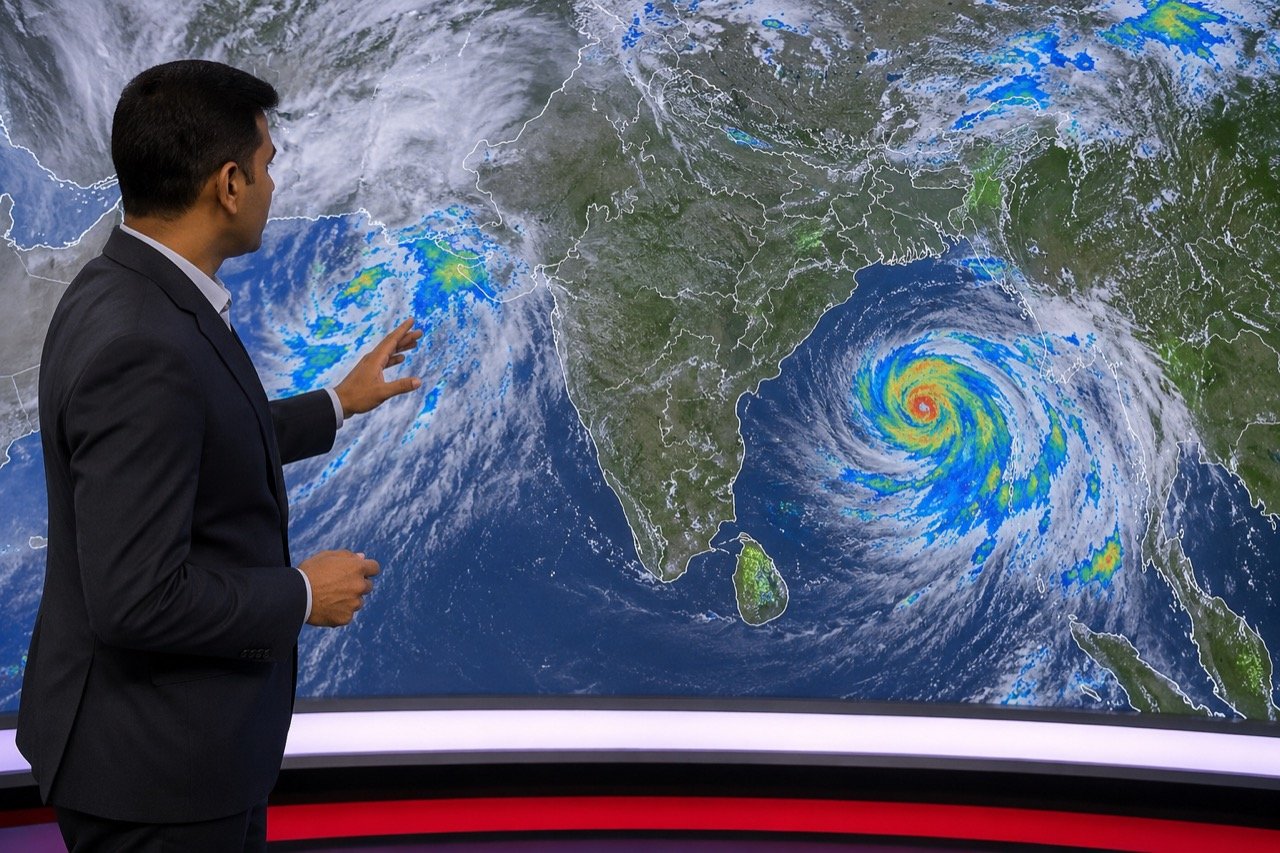
Bay of Bengal Low Pressure System Revives Monsoon Over Western India
A low-pressure system over the Bay of Bengal has pushed the monsoon back into an active phase, bringing steady heavy rain to Kerala, coastal Karnataka and Maharashtra, and putting Mumbai and Pune on preparedness watch.
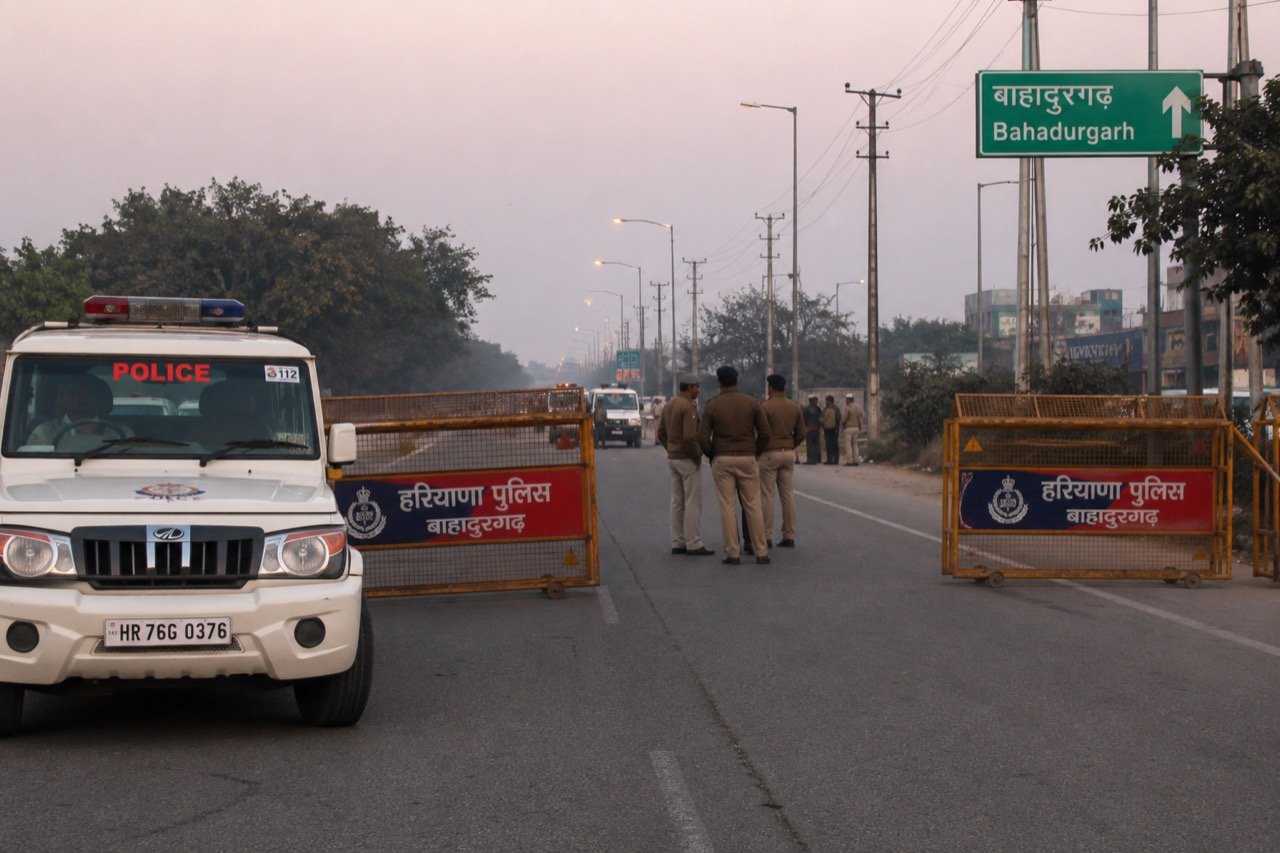
Bishnoi Gang Suspects Injured in Haryana Encounter as Police Tighten Net
A joint Haryana-Delhi Police operation in Bahadurgarh left two suspected Lawrence Bishnoi gang members injured, spotlighting the multi-state coordination now central to India's fight against organised crime networks.