BrahMos Talks With Indonesia Sharpen India's Defence Export Push
A possible BrahMos missile agreement with Jakarta, in focus ahead of Prime Minister Modi's Indonesia engagement, underlines India's ambition to become a serious defence exporter across Southeast Asia.
Commentary & Analysis ·
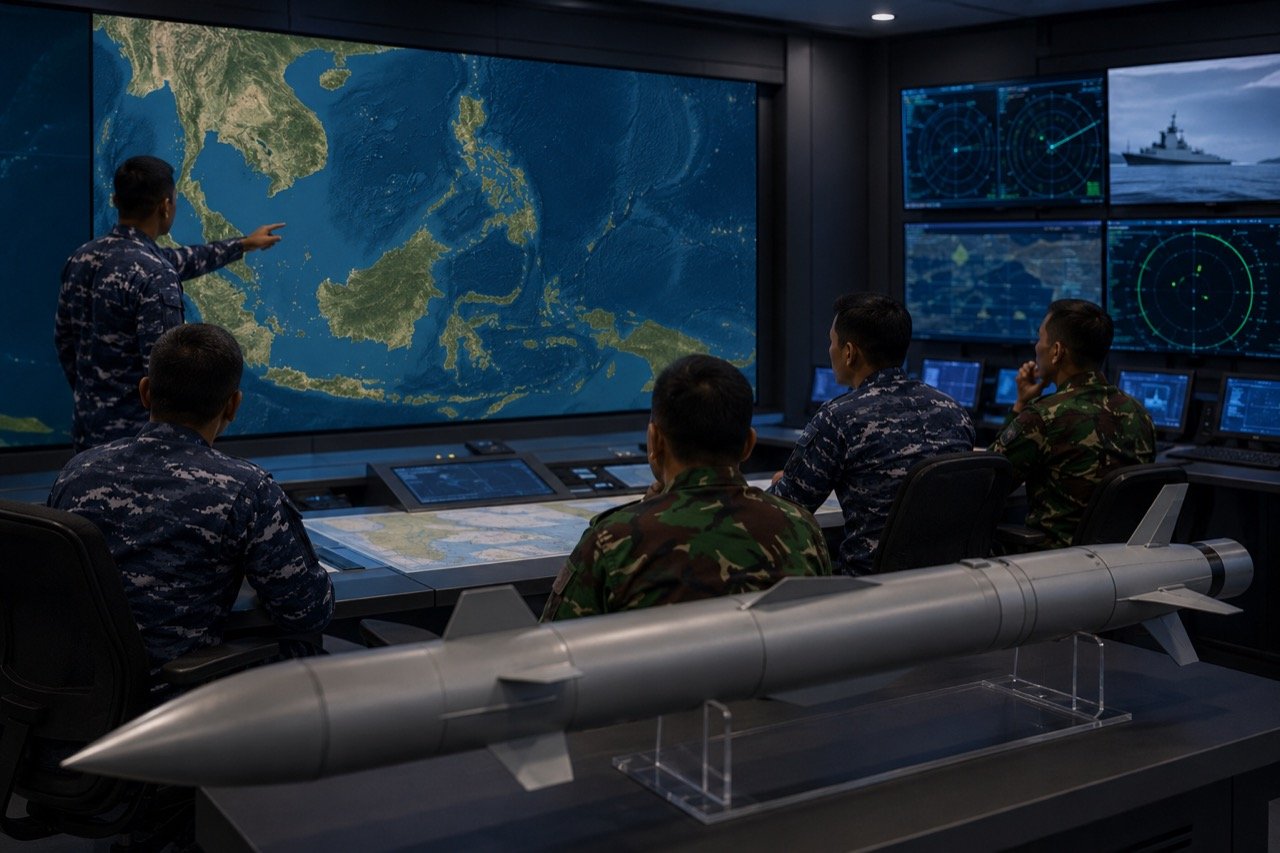
A potential BrahMos missile agreement with Indonesia has emerged as one of the sharpest strategic storylines around India's upcoming regional diplomacy. According to the Economic Times, Prime Minister Narendra Modi's Indonesia engagement is drawing attention precisely because it could advance a long-discussed BrahMos deal and add heft to India's defence export profile. The renewed focus on this single potential contract says as much about how India wants to be seen in the world as it does about the missile itself.
Why BrahMos carries outsized weight
BrahMos is no routine platform. The supersonic cruise missile, developed jointly by India and Russia, sits at the high end of India's export ambitions. It is not a low-cost trainer aircraft or a batch of small arms; it is a frontline strike weapon that signals serious military capability to whoever operates it. That is precisely why any deal involving it draws close scrutiny from strategic analysts, rival powers and regional militaries alike. A system of this profile cannot be sold quietly or treated as a routine commercial transaction. Every stage of a BrahMos negotiation is read as a statement of intent, both by the buyer and by India.
A deal with Jakarta would follow the landmark Philippines contract, and that sequencing matters. One export can be dismissed as a one-off. Two, to two different Southeast Asian nations, starts to look like a pattern, and patterns are what defence planners and foreign ministries pay attention to. It would signal that India intends to be a supplier, not just a buyer, in the global security market, a shift in identity that changes how India is treated in defence and diplomatic circles well beyond the specifics of any single missile order.
A contested Indo-Pacific raises the stakes
The regional context makes the talks more consequential than the technical details of the missile itself. Southeast Asian nations are investing heavily in maritime domain awareness and deterrence as the Indo-Pacific grows more contested. Coastal and archipelagic states in the region are increasingly focused on being able to monitor and, if necessary, respond to activity in their waters and surrounding seas. A long-range, high-speed anti-ship and land-attack missile fits squarely into that kind of deterrence thinking, which is part of why Indonesia's interest, however preliminary, is being read as strategically significant rather than merely commercial.
For India, defence partnerships of this kind are woven into its Act East and wider Indo-Pacific strategy. They are not isolated arms sales but threads in a larger fabric that includes diplomatic outreach, naval cooperation, and economic engagement with ASEAN states. Each partnership of this sort builds strategic trust between India and a regional partner while opening larger markets for Indian industry. The logic works in both directions: closer defence ties tend to deepen political trust, and political trust in turn makes further defence and economic cooperation easier to negotiate.
What a deal would actually change
It is worth being precise about what is, and is not, established at this stage. No final agreement should be assumed until it is officially announced, and defence contracts of this scale typically involve years of technical, financial and diplomatic groundwork before a signature is possible. What can be said is that the attention itself is telling. Defence exports, once a niche subject confined to specialist trade publications, are now firmly part of mainstream Indian foreign policy coverage, tied to industrial policy as much as to diplomacy. That shift in how the subject is covered reflects a broader shift in how India wants to be understood on the world stage, as a country capable of designing, producing and exporting advanced weapons systems rather than one dependent on importing them.
For Indonesia, engaging with India on BrahMos would represent diversification of its defence relationships, reducing reliance on any single supplier and giving Jakarta more room to manoeuvre in an increasingly competitive strategic environment. For India, a successful Indonesia deal would validate the Philippines contract as the start of a trend rather than an isolated success, and would give Indian defence manufacturers a credible case study to present to other prospective buyers across Asia, Africa, Latin America and the Middle East.
Reading the diplomatic signal beneath the deal
Beyond the hardware, there is a symbolic dimension to these talks that deserves attention. When a country like Indonesia, with its own substantial defence industry and history of balancing relationships among major powers, opens the door to a serious BrahMos conversation with India, it is making a statement about how it views India's rise. It suggests that Jakarta sees New Delhi not merely as a fellow developing economy or a diplomatic partner in multilateral forums, but as a credible source of advanced military technology, a status only a small number of nations enjoy. That recognition, even before any contract is inked, carries value for India's broader standing among Global South and Indo-Pacific nations watching how the relationship unfolds.
It is equally worth noting the China-shaped context in which these discussions are happening. Neither the original reporting nor India's own public messaging frames the talks explicitly around any third country, but the Indo-Pacific's rising tensions are the backdrop against which any Southeast Asian interest in deterrence capability is naturally read. Indonesia's calculus, like that of other regional states, will be shaped by its own threat assessments and strategic autonomy preferences rather than by alignment with any single power bloc, and India's pitch is likely to lean on partnership and capability rather than any explicit framing against a third party.
The NE Times View
The Indonesia conversation shows how far India's strategic self-image has shifted in a decade. Selling BrahMos to a second ASEAN partner would do more than earn export revenue; it would embed India in the security architecture of a region where China's shadow looms large. That is a meaningful evolution for a country that, within living memory, was itself a major arms importer rather than an exporter of frontline weapons systems.
The risk is overpromising. Defence deals move slowly, layered with technical evaluation, financing arrangements, and diplomatic sensitivities that rarely align on a convenient timetable. Premature triumphalism can complicate quiet negotiations, giving domestic critics or rival suppliers an opening to raise doubts before terms are actually settled. New Delhi's best play is patient, delivery-focused diplomacy that lets completed contracts, like the one with Manila, do the advertising rather than relying on anticipatory headlines about deals still under discussion. Substance delivered quietly tends to travel further in defence diplomacy than announcements made too early.
If that discipline holds, India's defence industry could become one of its most persuasive foreign policy tools, a channel through which New Delhi builds influence, trust and market share simultaneously across a region that will only grow more important to its strategic calculations in the years ahead.
Key takeaways
- Talks around a possible BrahMos deal with Indonesia, tied to Modi's regional diplomacy, are drawing attention as a marker of India's growing defence export ambitions.
- A deal would follow the landmark Philippines contract, suggesting a pattern rather than an isolated sale, and would reinforce India's positioning as a supplier rather than only a buyer in the global arms market.
- The push fits within India's Act East and Indo-Pacific strategy, linking defence partnerships to broader trust-building and market access across Southeast Asia.
- No agreement should be assumed until officially confirmed, given how slowly defence contracts of this scale typically progress.
- The wiser course for New Delhi is patient, delivery-focused diplomacy, letting completed contracts speak for themselves rather than risking premature declarations that could complicate ongoing negotiations.
You may also like to read
Modi Likely to Tour Indonesia, Australia and New Zealand in July
Prime Minister Narendra Modi is reported to be planning a three-nation Indo-Pacific tour from 6 to 11 July, spanning Indonesia, Australia and New Zealand, though the itinerary is not yet official.
India-UAE Talks on BrahMos and Akashteer Open a New Defence Export Window
Early-stage talks for India to sell BrahMos supersonic cruise missiles and Akashteer air-defence systems to the UAE could mark a major step for Make in India and New Delhi's arms-export ambitions in the Gulf.
India-US Trade Talks Put Export Gains and Domestic Safeguards in Focus
As India weighs preferential access for the United States, Commerce Minister Piyush Goyal vows to protect national interest while Congress warns a hurried pact could hurt farmers and small producers.
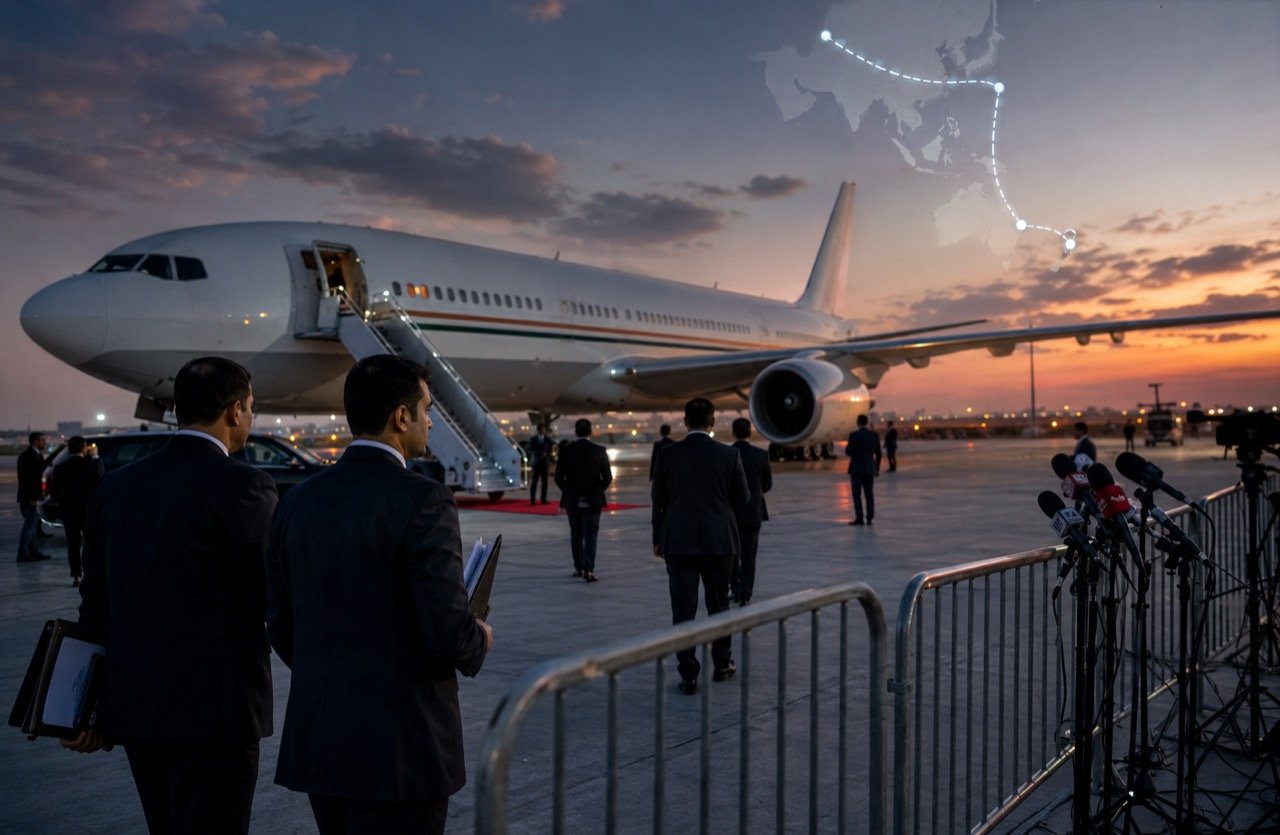
Modi's Indo-Pacific Swing: Three Nations, One Diaspora-Driven Strategy
Prime Minister Narendra Modi travels to Indonesia, Australia and New Zealand from July 6 to 11, weaving diaspora outreach, trade ambitions and Indo-Pacific strategy into a single six-day diplomatic push.
More from this section
More
K Kavitha Party Denied TRS Name by Election Commission
The Election Commission has refused to register K Kavitha's Telangana Rakshana Sena under the TRS acronym after objections, forcing a branding reset for the new party at a politically sensitive moment in Telangana.
Lalu Prasad Yadav Security Downgrade, Bungalow Order Stir Bihar
A government order downgrading Lalu Prasad Yadav's security cover and asking him to vacate an official bungalow has opened a fresh political flashpoint in Bihar, with the RJD chief's reaction fuelling the row.
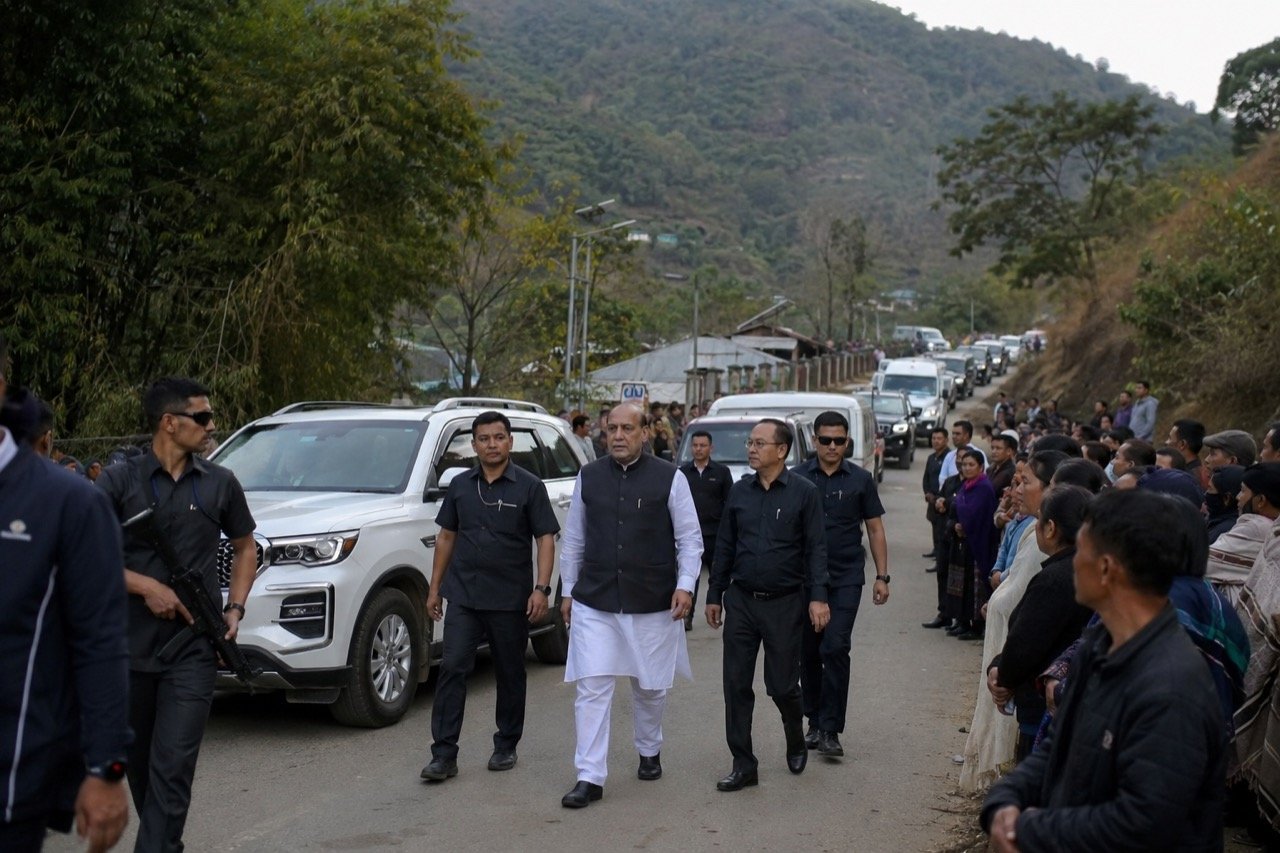
Manipur CM's Churachandpur Visit: First Since 2023 Unrest
The Manipur Chief Minister travelled to Churachandpur for a BJP MLA's funeral, his first visit to the district since the 2023 violence, lending the sombre occasion an unmistakable political significance.