India-China Talks: Wang Yi, Doval Put Border Calm and Core Interests in Focus
Chinese Foreign Minister Wang Yi told NSA Ajit Doval in New Delhi that India and China must respect each other's core interests and keep the border issue in its proper place within the broader relationship.
Commentary & Analysis ·
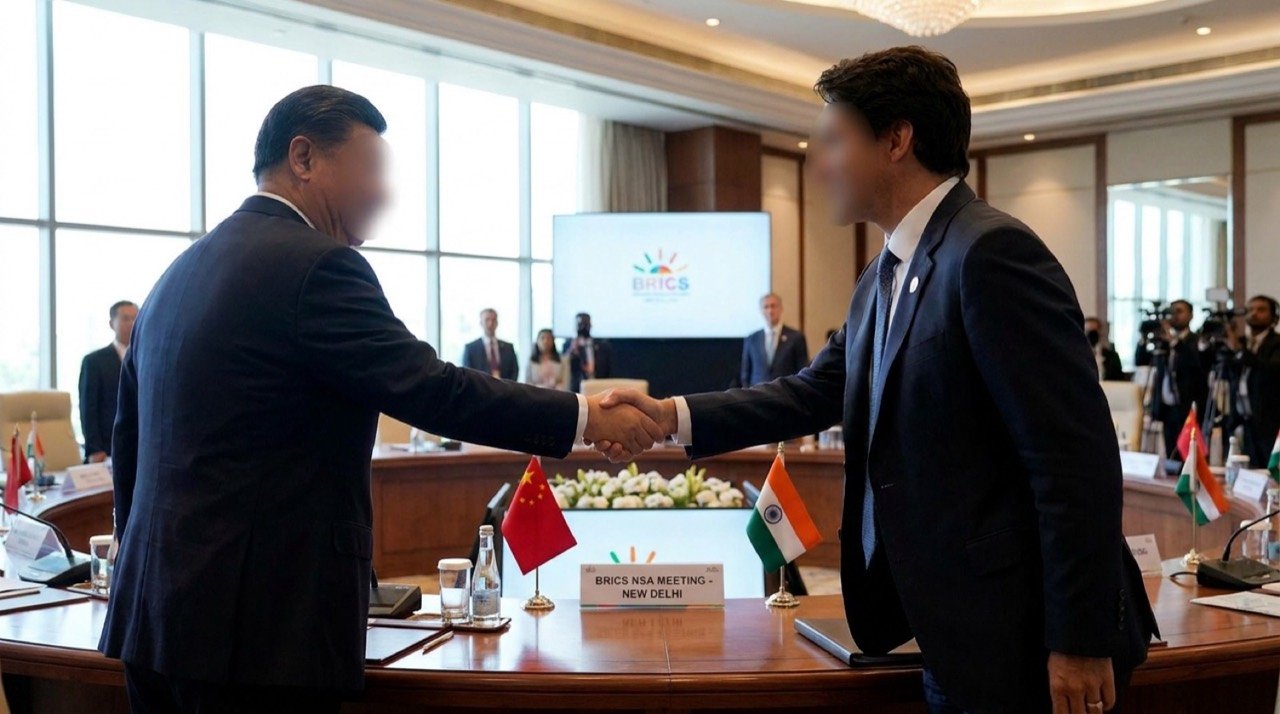
India and China have signalled cautious progress in mending ties, with Chinese Foreign Minister Wang Yi telling National Security Advisor Ajit Doval in New Delhi that the two neighbours should respect each other's core interests and keep the border question in an appropriate position within the wider relationship. The meeting took place on the margins of the BRICS National Security Advisors' conference, a multilateral gathering that has increasingly doubled as a venue for bilateral repair work between capitals that otherwise struggle to find calendar space for dedicated summits. That the two sides chose to use a BRICS sideline for this exchange is itself instructive: it allows both governments to frame the encounter as routine multilateral business rather than a standalone concession, giving each side room to manage domestic expectations while still advancing the substance of the relationship.
What was discussed
According to reporting by Business Standard citing PTI and Chinese state media, Wang and Doval reviewed the state of bilateral relations and the ongoing normalisation process. India's External Affairs Ministry described the talks as constructive and forward-looking, language that points to a deliberate effort to widen engagement beyond the immediate friction along the frontier. Such phrasing is rarely accidental in diplomatic communiqués; when the MEA reaches for "forward-looking" rather than more cautious formulations, it typically signals that both delegations found enough common ground to justify continued dialogue, even if no binding commitments were reached. Both officials carry particular weight in this dialogue: they are the designated Special Representatives on the India-China boundary issue, a mechanism through which the two sides have sought to manage one of Asia's most sensitive disputes for more than two decades. The Special Representatives framework was designed precisely to keep boundary negotiations insulated from the more volatile swings of day-to-day diplomacy, entrusting the file to a small number of senior figures who can speak with authority on behalf of their respective governments. That Doval and Wang met in this capacity, rather than through lower-level bureaucratic channels, underscores that both New Delhi and Beijing regard the current phase of engagement as consequential rather than merely ceremonial.
The shadow of Galwan
The exchange matters because relations have been under careful repair since the deadly 2020 clashes in the Galwan Valley and the prolonged military standoff that followed. That confrontation froze high-level contact for years and forced a wholesale rethink of trust between the two capitals. The scale of the rupture should not be understated: an incident of that severity had not occurred between the two militaries in decades, and it reshaped Indian strategic thinking on China across defence planning, trade policy and public opinion alike. Wang's emphasis on keeping the border issue in its "appropriate position" reflects a familiar Chinese framing, one that India has approached with caution, insisting that peace and tranquillity along the frontier remain the foundation for any broader thaw. This is not a semantic quibble. Beijing's preferred formulation has long been to treat the boundary dispute as one strand among many in a broader relationship that also encompasses trade, multilateral cooperation and people-to-people ties, allowing disagreements on the frontier to be managed alongside, rather than ahead of, other priorities. New Delhi's counter-position, reiterated by successive Indian governments since 2020, has been that the state of the border is not a peripheral irritant but the precondition for normal relations across every other domain, from trade facilitation to direct flights and visa issuance.
Reading the language of "core interests"
Wang Yi's invocation of core interests deserves particular scrutiny. In Chinese diplomatic vocabulary, the term has historically been reserved for matters Beijing considers non-negotiable, most prominently sovereignty questions relating to Taiwan, Tibet, Xinjiang and the South China Sea. When applied in the context of a bilateral India-China conversation, the phrase implicitly asks New Delhi to extend the same deference to Chinese positions on these fronts, in exchange for reciprocal Chinese sensitivity to Indian concerns, chiefly the unresolved boundary and the broader question of strategic autonomy in South Asia. The difficulty for Indian policymakers is that the ledger is not symmetrical. India's core interest, an agreed and verifiable boundary with troops disengaged from contested points along the Line of Actual Control, is a concrete, measurable outcome. China's core interests, by contrast, are framed in civilisational and sovereignty terms that leave little room for negotiation and considerable room for India to be asked to simply acquiesce. Any Indian government engaging with this language needs to be alert to the asymmetry and resist a framing that quietly parks the boundary question while extracting deference on issues where India has historically maintained an independent position, including on Tibet and Taiwan.
A measured path forward
The latest message points to a strategy of cautious engagement on both sides: rebuild dialogue, manage sensitive disagreements and prevent border tensions from overwhelming economic and diplomatic cooperation. This approach carries logic for both capitals. For Beijing, a stabilised India reduces the risk of New Delhi drifting further into Western-aligned security arrangements, and reopens a large market at a moment when China's own economic headwinds make external demand more valuable. For India, engagement offers the possibility of easing practical frictions, from visa processing for businesspeople and students to the resumption of direct flights and greater clarity on trade and investment flows, without conceding ground on the core demand that the frontier be genuinely stabilised first. For India, the test will be whether warmer rhetoric translates into verifiable calm on the ground. Diplomats on both sides will now watch whether the renewed dialogue can sustain momentum through concrete confidence-building measures, such as agreed patrolling arrangements, troop pull-backs at friction points, and restored communication hotlines, or whether unresolved boundary questions once again set the ceiling for what the relationship can achieve, as they have repeatedly done since 2020.
Stakeholders and what to watch next
Several audiences will be parsing this meeting closely. Indian military planners will want to see whether the diplomatic warmth is matched by any adjustment in force posture or patrolling patterns along the contested stretches of the frontier, rather than remaining confined to statements issued in New Delhi and Beijing. Indian industry, particularly sectors reliant on Chinese components and machinery, will be watching for signals on trade facilitation and investment screening, an area where India has maintained tighter scrutiny of Chinese capital since 2020. Within the wider region, other Asian capitals with their own unresolved disputes with Beijing will be reading the encounter for clues on how China calibrates bilateral pressure versus accommodation when it suits its broader strategic aims. And multilateral partners in BRICS itself will note that the sidelines of their gathering have again proven useful as a low-cost venue for bilateral repair, a pattern likely to recur at future summits given the difficulty either side has had in scheduling dedicated standalone talks.
The NE Times View
The language of "core interests" cuts both ways, and India should be wary of a framing that quietly parks the boundary dispute while expecting deference on Tibet and Taiwan. Calm at the LAC is welcome after 2020, but lasting normalisation requires verifiable disengagement, not warm words ahead of summit season. The Special Representatives mechanism has proved durable precisely because it operates below the noise of public diplomacy, and that discretion should now be used to secure measurable outcomes rather than simply to manage optics. Watch whether troop levels actually fall before trade and visa channels reopen. If Beijing's rhetoric of respect for core interests is not accompanied by tangible steps on the ground, New Delhi would be right to treat the Delhi meeting as another instalment in a long pattern of cautious words substituting for durable change.
Key takeaways
- Wang Yi and Ajit Doval met in New Delhi on the sidelines of the BRICS NSA conference, both acting in their capacity as Special Representatives on the India-China boundary issue.
- India's MEA described the talks as constructive and forward-looking, while Wang Yi called for both sides to respect each other's core interests and keep the border issue in an appropriate position within the wider relationship.
- The dialogue continues a normalisation process under way since the 2020 Galwan Valley clashes, which froze high-level contact for years.
- China's "core interests" framing carries an implicit asymmetry, inviting Indian deference on issues like Tibet and Taiwan in exchange for vague assurances on the boundary.
- The real test of this engagement will be verifiable troop disengagement at the Line of Actual Control, not diplomatic language, before trade, visa and travel channels are further eased.
You may also like to read
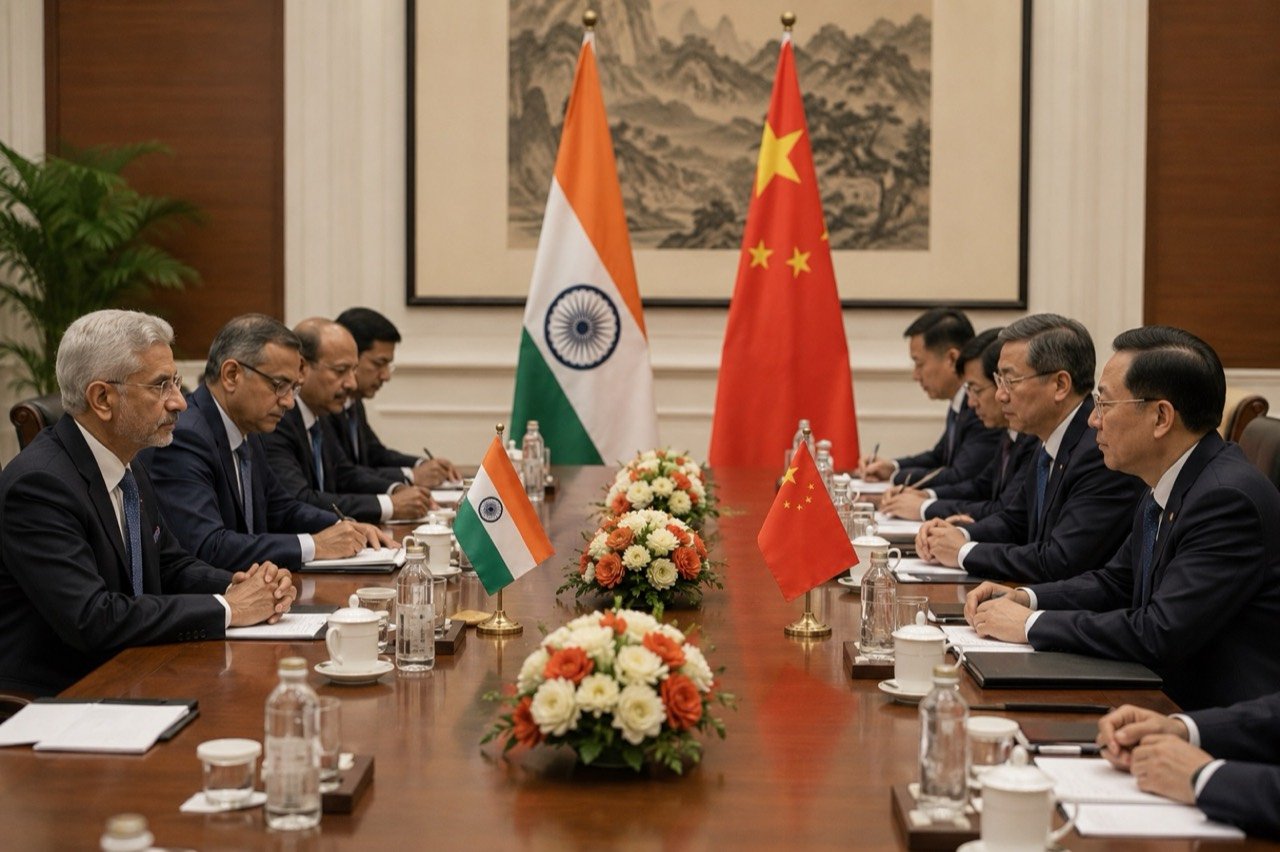
India-China Security Talks Signal Cautious Normalisation of Ties
NSA Ajit Doval and Chinese Foreign Minister Wang Yi met on the sidelines of the BRICS security advisers' meeting in New Delhi, noting progress toward a gradual, guarded normalisation of strained relations.
India And China Inch Toward Border Delimitation As Disengagement Holds Along The LAC
More than a year after the patrolling deal that ended the eastern Ladakh standoff, India and China are negotiating de-escalation and the harder task of formally defining their disputed boundary.
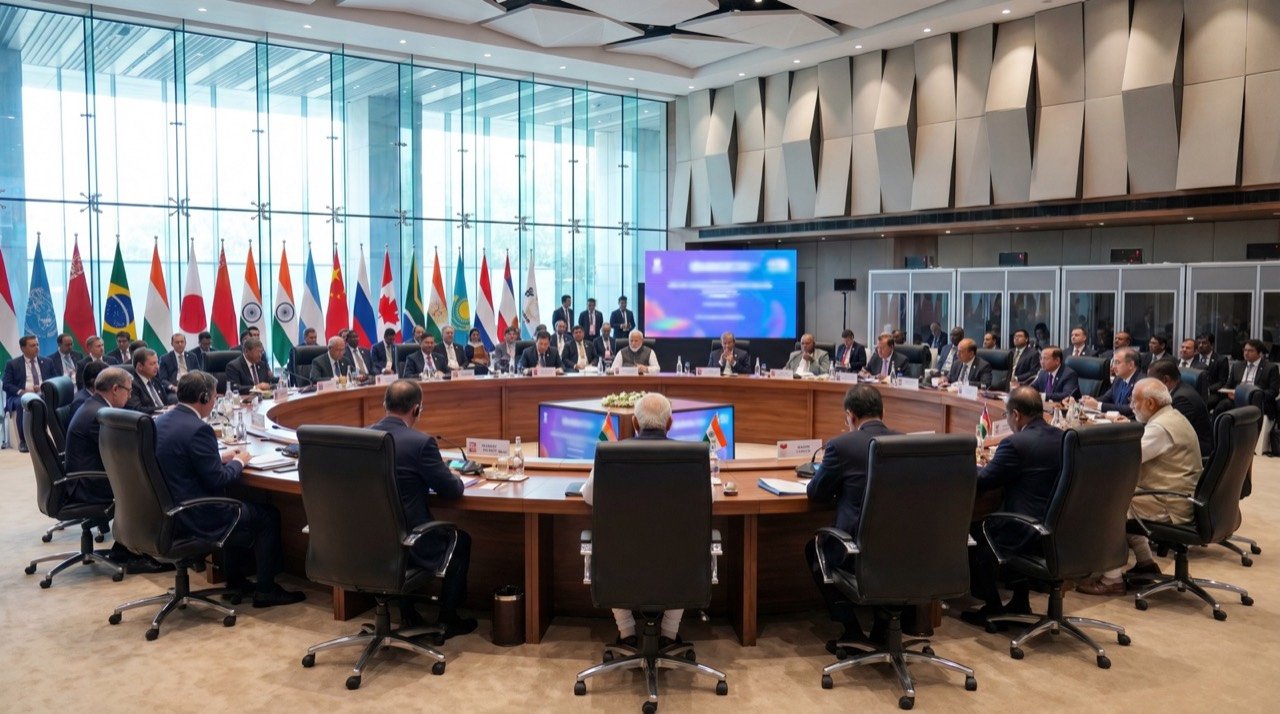
BRICS Security Talks Open in India With Non-Traditional Threats in Focus
India hosts the BRICS National Security Advisers' meeting on 22-23 June 2026, with NSA Ajit Doval chairing talks on terrorism, cyber risks, emerging technology and regional instability amid Middle East tensions.
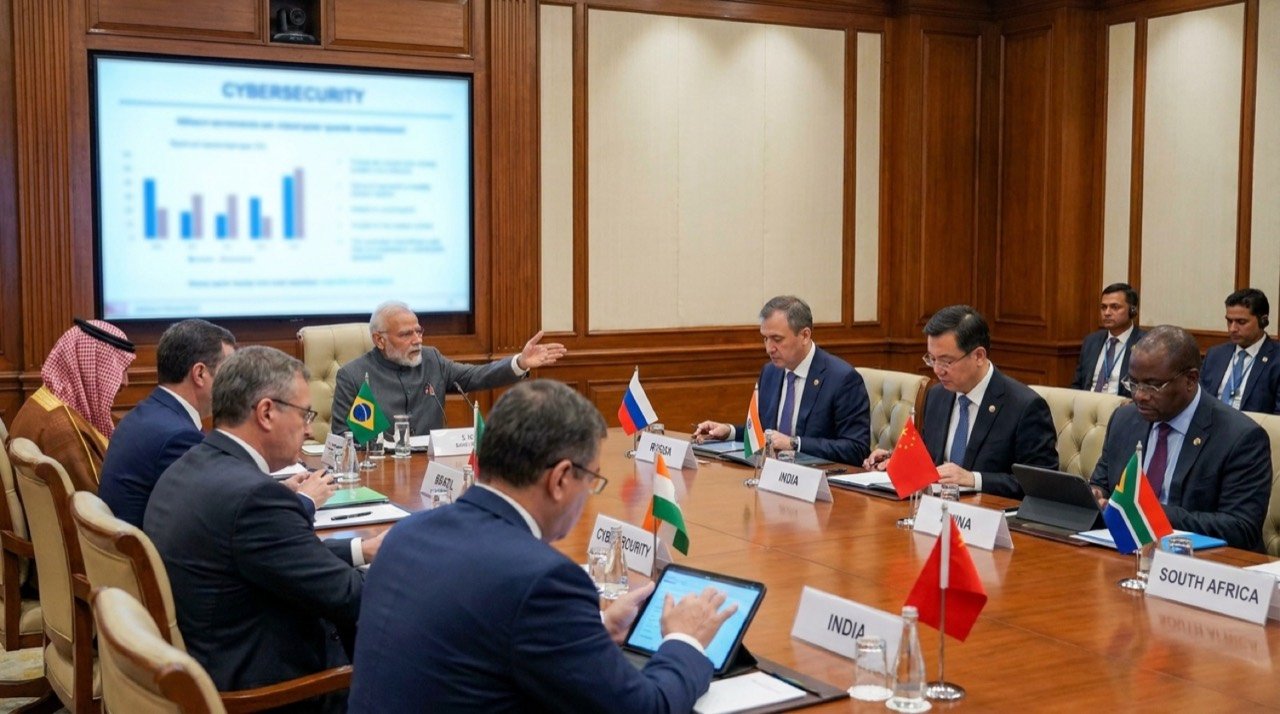
BRICS Security Advisers Meet in India With Tech Threats on Agenda
India is hosting the BRICS national security advisers' meeting chaired by Ajit Doval, placing cyber risks, counter-terrorism and ICT security at the centre of the run-up to the 2026 BRICS Summit.
More from this section
More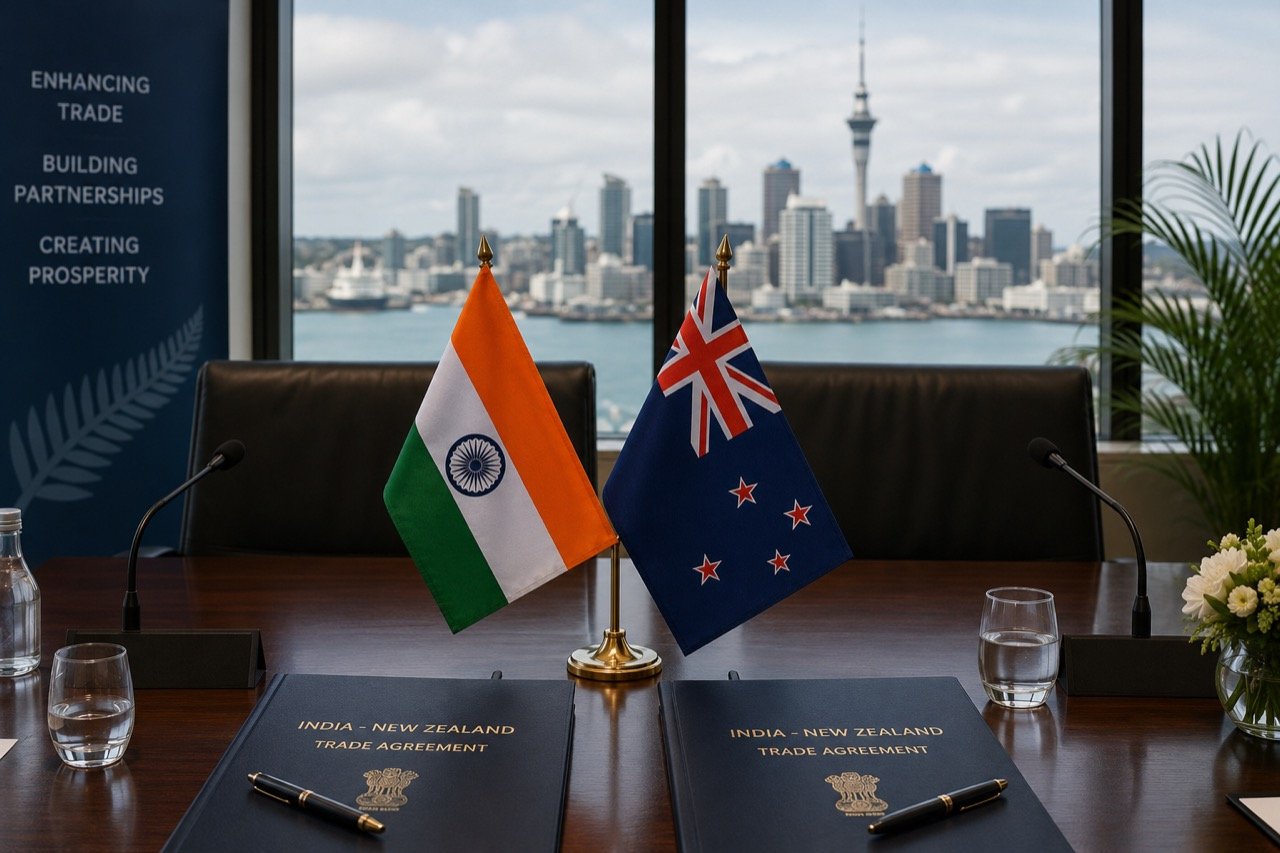
India-New Zealand Ties: Visit Plans Put FTA and Diplomacy in Focus
Reports of a planned high-level India-New Zealand engagement have revived attention on free trade talks, professional mobility and Indo-Pacific cooperation between two partners with clear room to grow.

Modi Greets Trump on US 250th Independence Day, Hails Partnership
Prime Minister Narendra Modi marked America's 250th Independence Day with a message to President Trump, saying the next 250 years should lift the India-US partnership to new heights.
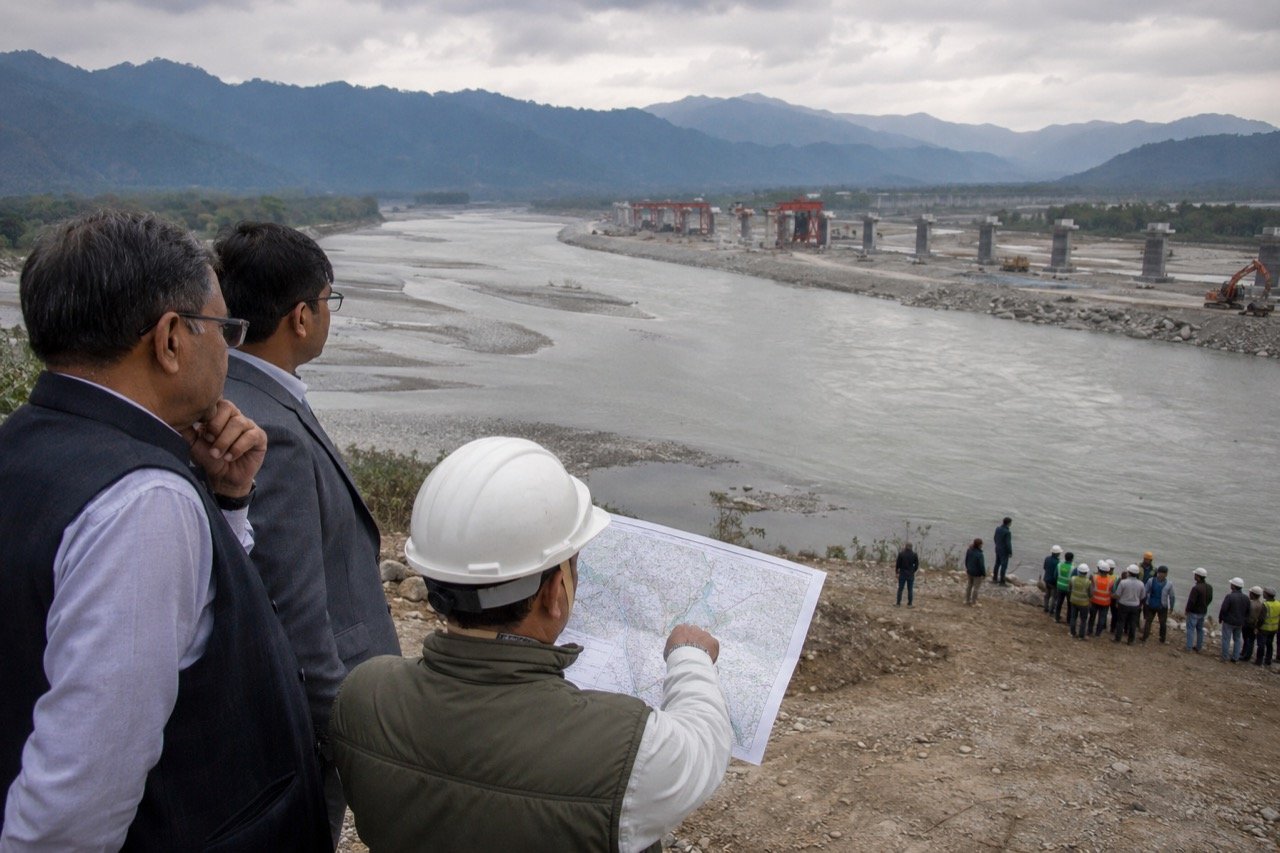
India Watches Dhaka's China-Backed Teesta Plan as Stakes Rise
New Delhi is closely tracking Bangladesh's proposal to develop the Teesta river with Chinese assistance, a move that revives one of South Asia's most sensitive water-sharing disputes and tests regional strategic trust.