BRICS Security Advisers Meet in India With Tech Threats on Agenda
India is hosting the BRICS national security advisers' meeting chaired by Ajit Doval, placing cyber risks, counter-terrorism and ICT security at the centre of the run-up to the 2026 BRICS Summit.
Commentary & Analysis ·
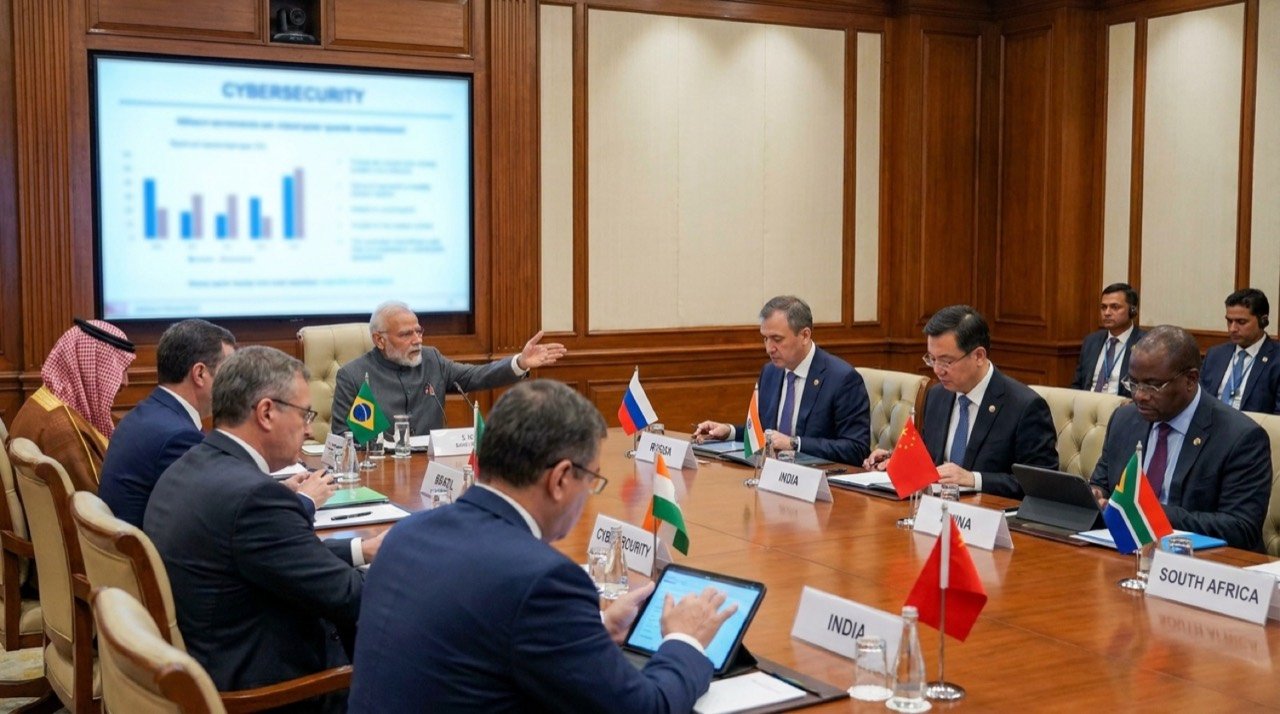
India's hosting of the BRICS national security advisers' meeting has placed non-traditional security threats at the centre of the bloc's diplomacy. Reports said National Security Adviser Ajit Doval would chair discussions with his BRICS counterparts, with technology-driven risks, counter-terrorism cooperation and the security of information and communication technologies high on the agenda. That the world's largest emerging-economy grouping is now organising its security diplomacy around cyber risk and digital infrastructure, rather than only around borders and militaries, says something about how the underlying threat environment has changed for all its members at once.
A shifting security agenda
The choice of themes reflects how the threat landscape has moved beyond conventional military concerns. Cyber intrusions, terrorism financing and the misuse of emerging technologies now sit alongside traditional questions of defence and territorial security. By foregrounding these issues, India is steering the conversation toward areas where coordination among large economies can have an outsized effect, from securing critical digital infrastructure to denying terror networks the tools and funding they rely on. This is not a cosmetic shift in emphasis. Conventional security cooperation between states with divergent strategic interests, as BRICS members plainly have, is often difficult to advance because it touches directly on alliances, territorial disputes and military postures. Cyber security and ICT resilience, by contrast, are areas where even rival powers can find narrow zones of shared interest, since a compromised financial network, a disrupted power grid or an unregulated terror-financing channel is a problem for every government in the room regardless of its other disagreements. Placing these issues at the top of the agenda is therefore as much a diplomatic strategy as a security one: it identifies the terrain on which agreement is most achievable and builds outward from there.
Who is at the table
Chinese foreign minister Wang Yi, who also functions as China's senior security-policy official, was among the expected participants, underscoring the weight of the gathering. His attendance signals that Beijing regards the meeting as more than a routine technical exchange, and it raises the profile of whatever is agreed or left unresolved. The presence of such figures opens space for sensitive bilateral conversations on the sidelines of the formal agenda. Those quieter exchanges can be as consequential as the plenary, allowing neighbours and partners to manage friction and explore cooperation away from the cameras. For India and China in particular, whose relationship has moved through periods of open confrontation and cautious normalisation over recent years, a multilateral gathering of this kind offers a low-risk venue for officials to test the temperature without the domestic political exposure that a dedicated bilateral summit would carry. The same logic applies, to varying degrees, to the other national security advisers present, each of whom arrives with their own bilateral equities to manage alongside the collective agenda.
Building toward the summit
The meeting is part of the run-up to the BRICS Summit that India is due to host later in 2026. For New Delhi, the forum is a chance to shape the security narrative early and arrive at the summit with a coordinated agenda already taking shape. Hosting carries real diplomatic advantages here. The country that convenes the preparatory meetings typically has the greatest influence over which items make it onto the leaders' agenda, how they are framed, and which compromises are worked out in advance rather than left to be negotiated in public at the summit itself. By running this advisers' meeting well ahead of the main event, India is giving itself time to test proposals, gauge resistance from other capitals, and refine language on sensitive subjects such as counter-terrorism cooperation before leaders are asked to sign off on anything. It is also an opportunity for India to demonstrate convening capacity on a subject, technology governance and cyber security, where it has a growing claim to expertise given its scale of digital public infrastructure and its experience managing large-scale digital systems domestically.
What genuine alignment would require
As India positions itself to host the wider summit, the advisers' meeting offers an early read on how far the bloc can align on cyber security and strategic coordination. The substance agreed now will shape what leaders can announce later in the year. Security today is as much about code and capital flows as it is about borders, as one strategic affairs analyst put it in comments on the BRICS agenda, and that framing captures why this meeting matters beyond its immediate diplomatic choreography. If BRICS members can agree on baseline standards for ICT security, mechanisms for sharing threat intelligence, or a shared vocabulary for what constitutes terrorism financing, the practical payoff would extend well beyond the bloc's own summit communiques. It would give a grouping that includes some of the world's largest and most technologically capable states a template for cooperation that other multilateral forums could draw on. The absence of such agreement, on the other hand, would simply confirm what many observers already suspect: that the bloc's unity is easier to proclaim in principle than to operationalise in practice.
The NE Times View
Hosting the BRICS security advisers lets India shape the bloc's agenda on cyber risk and ICT security, areas where its interests and ambitions genuinely align with the grouping. The harder reality is that BRICS members rarely share a common threat perception, and counter-terrorism language often founders on whose terrorism counts. Different member states have, at various points, defined terrorism in ways shaped by their own domestic conflicts and regional rivalries, and any communique language broad enough to satisfy all of them risks becoming so vague as to be unenforceable. India's value here is as a bridge rather than a bloc loyalist, using its convening role to translate between members with genuinely different threat perceptions rather than pretending those differences do not exist. Watch whether the meeting yields concrete cooperation or another carefully worded communique. The test will not be the warmth of the language used at the closing session but whether it produces anything that can be pointed to months from now, a working group, a data-sharing arrangement, a joint statement with teeth, when the leaders themselves gather later in the year.
Key takeaways
- Ajit Doval is chairing the BRICS national security advisers' meeting in India, with cyber threats, counter-terrorism and ICT security topping the agenda.
- Wang Yi's attendance as a high-level participant underscores the gathering's diplomatic weight and creates space for sensitive sideline conversations, including between India and China.
- The meeting is a preparatory step toward the BRICS Summit India is due to host later in 2026, giving New Delhi early influence over the bloc's security narrative.
- Non-traditional security threats, cyber intrusions, terrorism financing and technology misuse, are increasingly central to BRICS diplomacy alongside traditional defence concerns.
- The real test is whether shared threat perceptions translate into concrete cooperation, or whether divergent definitions of terrorism produce only another carefully worded communique.
You may also like to read
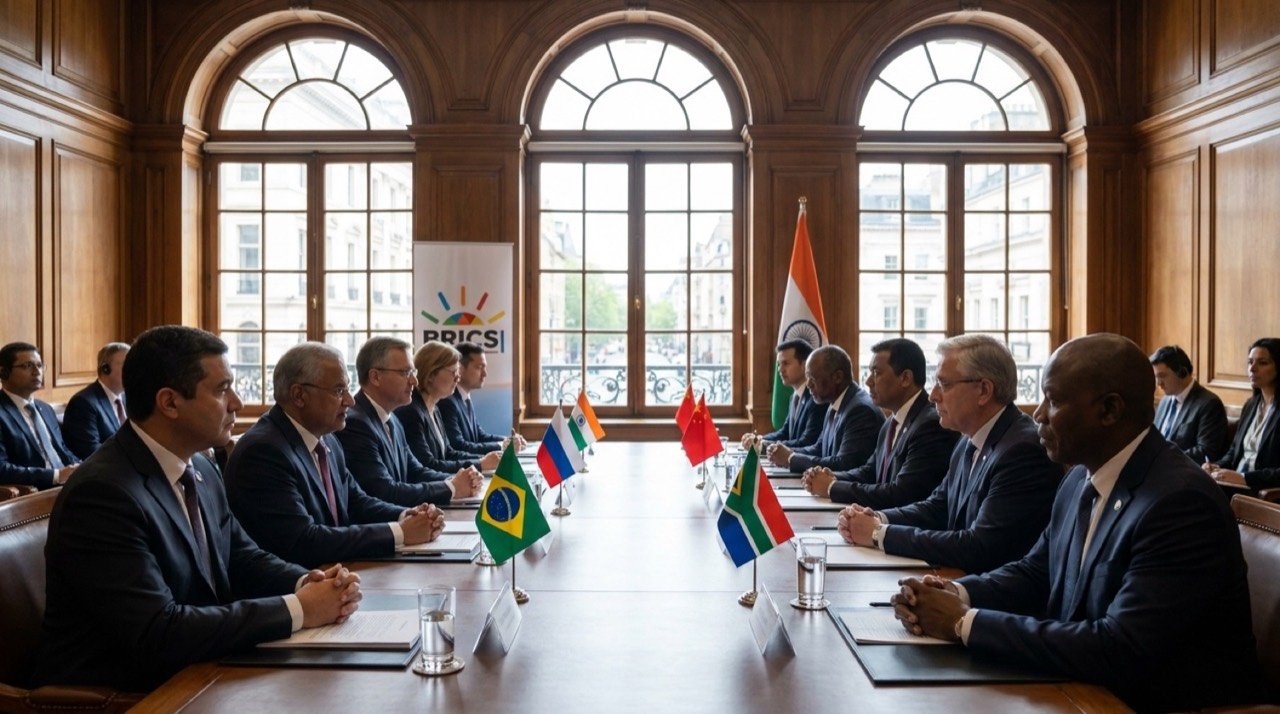
BRICS Security Meet in Delhi Targets Terrorism, Cyber and AI Threats
India is hosting a BRICS National Security Advisers meeting in New Delhi, with cross-border terrorism, cyber threats, AI misuse and transnational crime set to dominate a fast-broadening security agenda.
BRICS Security Talks Open in India With Non-Traditional Threats in Focus
India hosts the BRICS National Security Advisers' meeting on 22-23 June 2026, with NSA Ajit Doval chairing talks on terrorism, cyber risks, emerging technology and regional instability amid Middle East tensions.
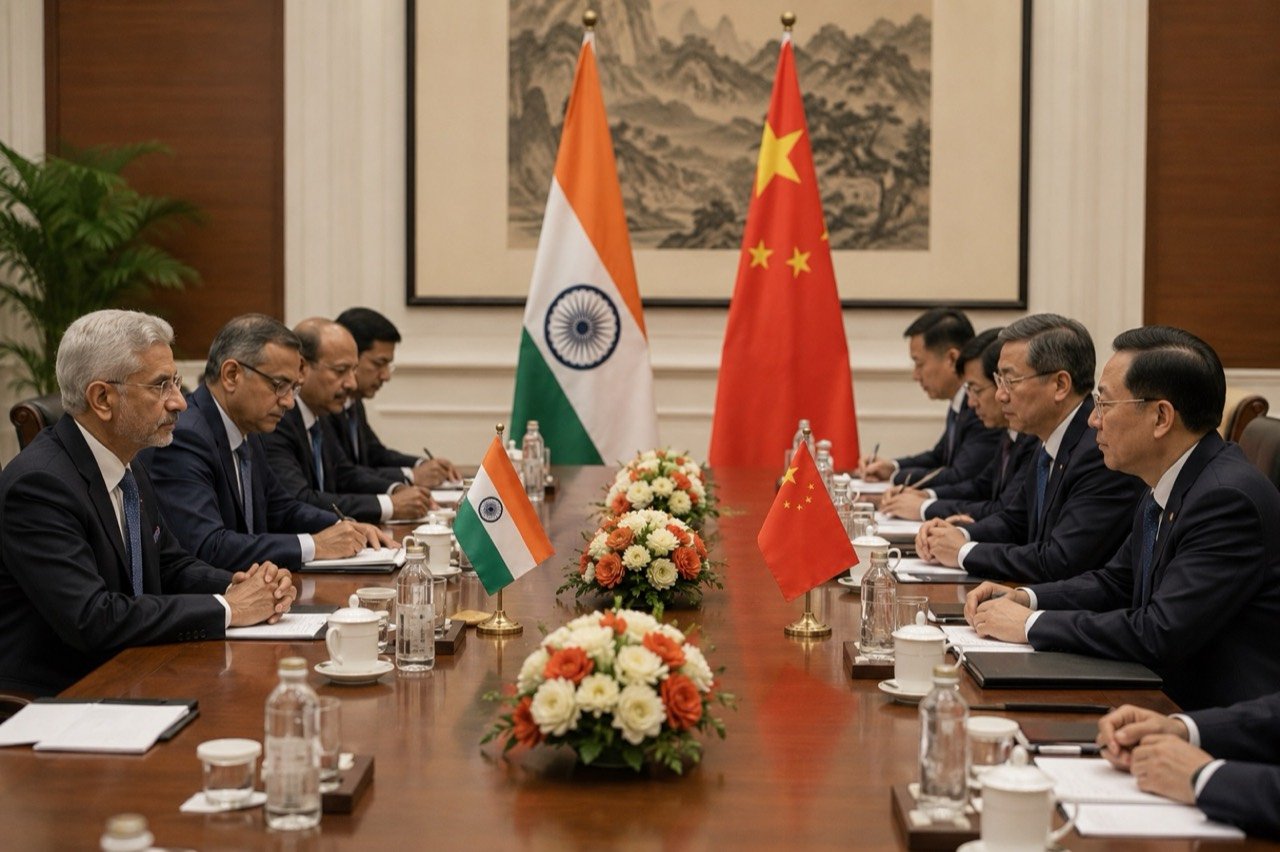
India-China Security Talks Signal Cautious Normalisation of Ties
NSA Ajit Doval and Chinese Foreign Minister Wang Yi met on the sidelines of the BRICS security advisers' meeting in New Delhi, noting progress toward a gradual, guarded normalisation of strained relations.
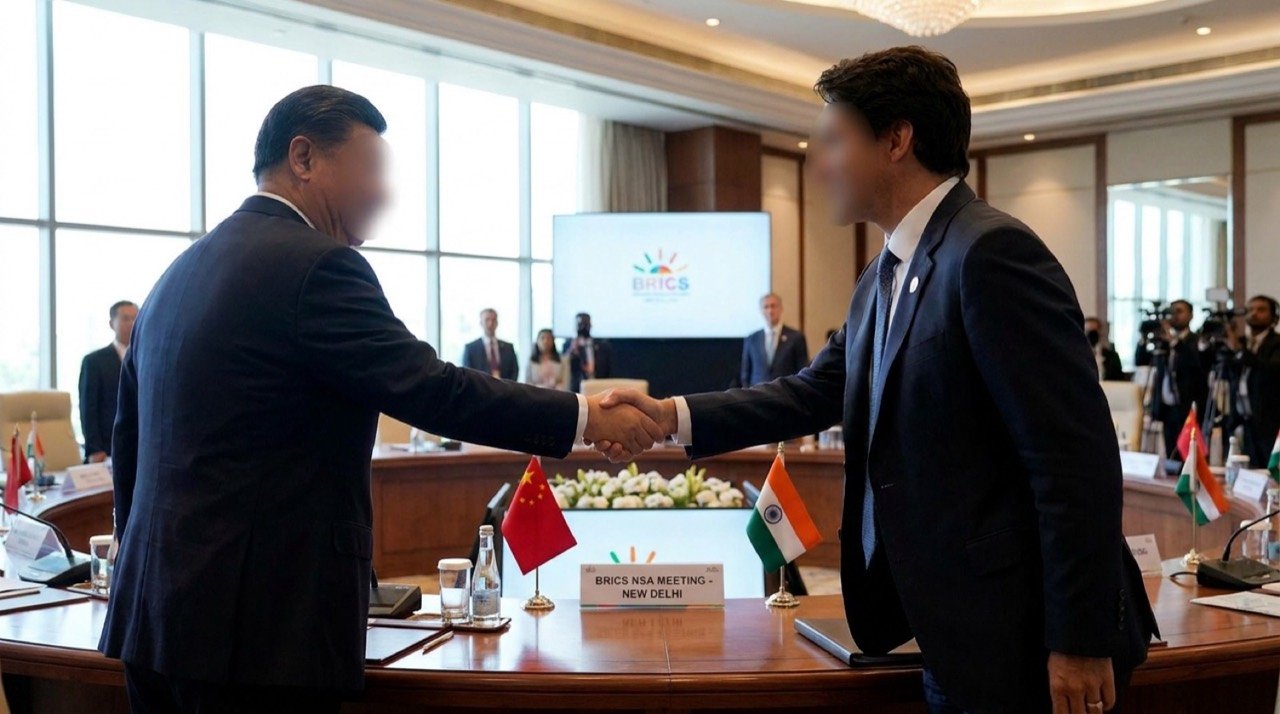
India-China Talks: Wang Yi, Doval Put Border Calm and Core Interests in Focus
Chinese Foreign Minister Wang Yi told NSA Ajit Doval in New Delhi that India and China must respect each other's core interests and keep the border issue in its proper place within the broader relationship.
More from this section
More
India-New Zealand Ties: Visit Plans Put FTA and Diplomacy in Focus
Reports of a planned high-level India-New Zealand engagement have revived attention on free trade talks, professional mobility and Indo-Pacific cooperation between two partners with clear room to grow.

Modi Greets Trump on US 250th Independence Day, Hails Partnership
Prime Minister Narendra Modi marked America's 250th Independence Day with a message to President Trump, saying the next 250 years should lift the India-US partnership to new heights.
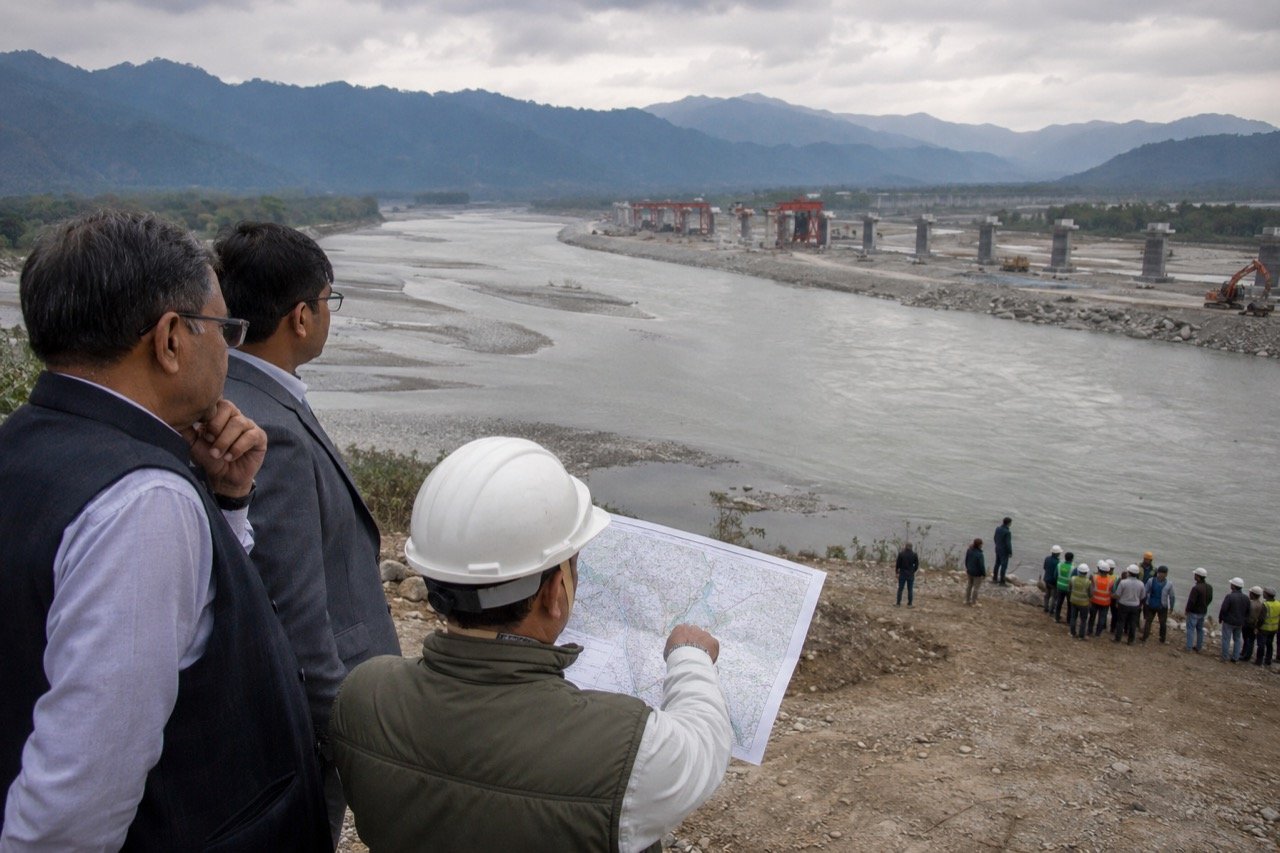
India Watches Dhaka's China-Backed Teesta Plan as Stakes Rise
New Delhi is closely tracking Bangladesh's proposal to develop the Teesta river with Chinese assistance, a move that revives one of South Asia's most sensitive water-sharing disputes and tests regional strategic trust.