India And China Inch Toward Border Delimitation As Disengagement Holds Along The LAC
More than a year after the patrolling deal that ended the eastern Ladakh standoff, India and China are negotiating de-escalation and the harder task of formally defining their disputed boundary.
Commentary & Analysis ·
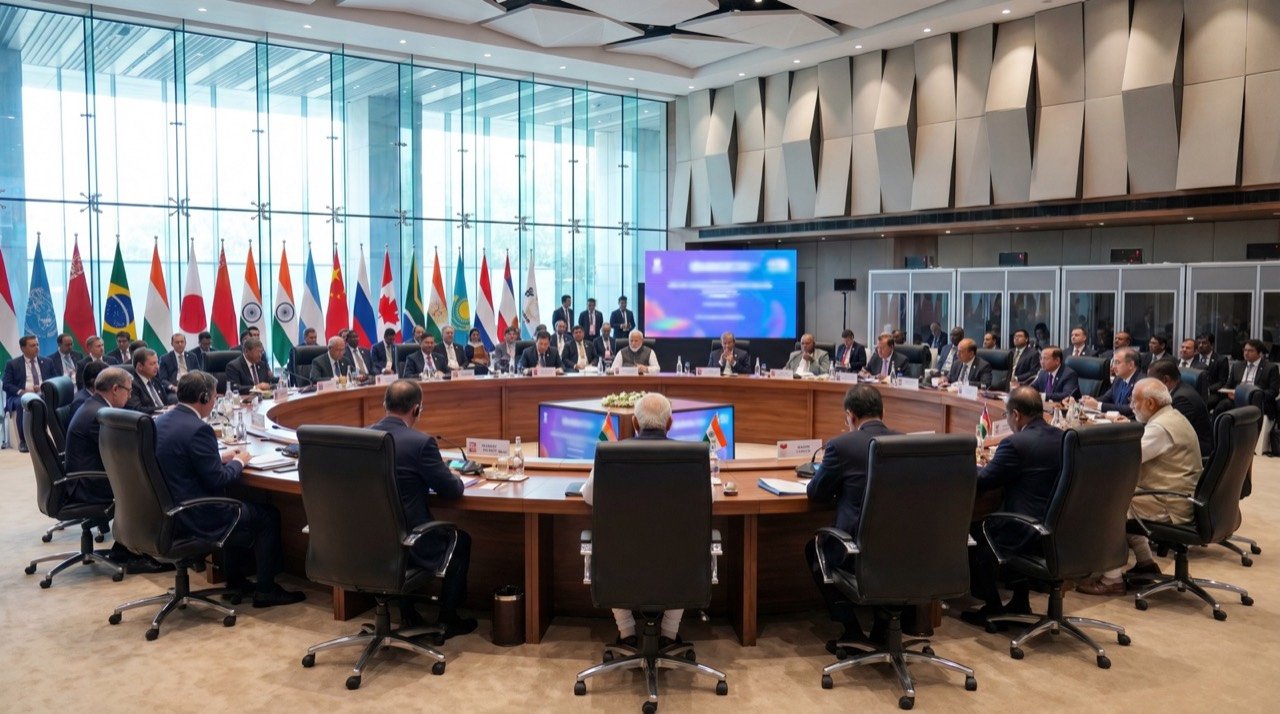
India and China are cautiously advancing a multi-step process to stabilise their contested Himalayan frontier, more than a year after a patrolling arrangement defused the eastern Ladakh standoff. With troop disengagement largely complete, negotiators have turned to the tougher tasks of de-escalation, de-induction and the long-deferred goal of formally delimiting the boundary. The sequencing itself is telling: rather than attempting to leap straight to a settlement of the underlying dispute, both sides appear to have accepted that trust along a militarised frontier can only be rebuilt in stages, each one narrower and harder than the last.
The three Ds: a deliberate sequence
Officials describe the stabilisation as a sequence of three Ds. Disengagement, the separation of frontline troops at friction points, was the first to be achieved following the October 2024 patrolling understanding. That step alone took years of painstaking negotiation after the 2020 clashes, and its completion should not be understated, given how entrenched both militaries had become at multiple points along the Line of Actual Control. De-escalation, the drawdown of the heavy build-up of forces and equipment behind the lines, and de-induction, the eventual return to pre-2020 deployments, remain under negotiation. This distinction matters. Disengagement addresses the immediate risk of an accidental clash between soldiers eyeball to eyeball at a friction point. De-escalation and de-induction address something structurally deeper: the tens of thousands of additional troops, artillery pieces, and support infrastructure that both sides moved into forward areas during the standoff. Rolling that back is inherently slower, because it requires each side to trust that the other is not simply repositioning rather than genuinely reducing its posture.
Keeping the military channel open
Corps Commander-level talks at the Chushul-Moldo meeting point have continued in what both armies describe as a friendly and cordial atmosphere, keeping the military channel open even as the harder political questions are worked through separately. The persistence of this forum is itself a signal worth noting. Military-to-military talks tend to be the first casualty when political relations sour, so their continuity suggests both capitals see value in maintaining a working-level mechanism regardless of how the broader relationship evolves. It also creates a practical space where technical questions, verification of troop levels, patrol schedules, and confidence-building measures, can be resolved without becoming entangled in the more symbolically loaded discussions happening at the political level.
Delimitation enters the frame
A meeting of the Special Representatives, National Security Adviser Ajit Doval and Chinese Foreign Minister Wang Yi, laid down delimitation, the formal defining of the boundary, as a key objective. That marks a significant shift, moving the conversation beyond managing friction toward attempting to resolve the underlying dispute that has eluded both sides for decades. It is worth recalling why delimitation has proven so intractable historically: the two countries have never agreed on where the boundary actually lies across long stretches of difficult, sparsely inhabited terrain, and each side's maps reflect competing historical, strategic and legal claims that neither has been willing to formally concede. Raising delimitation at the Special Representatives level, rather than leaving it solely to military commanders, indicates that both governments are at least willing to place the question on the table again, even if neither is signalling readiness for concessions.
Why the sequencing matters for both sides
For India, the calculus has been to insist that calm at the border is a precondition, not a reward, for wider engagement. New Delhi has consistently linked the broader normalisation of ties, including trade and investment, to genuine progress on the border, a position it has reiterated through this period. This reflects a hard lesson from 2020: that economic interdependence had not prevented a serious military confrontation, and that any return to business as usual without verified security guarantees would repeat the same vulnerability. For Beijing, the incentive to stabilise the frontier likely stems from a wish to reduce the number of active fronts it must manage simultaneously, alongside its own economic pressures and its interest in preventing India from drawing closer to other powers wary of Chinese assertiveness in the region. Neither side's motivations need to be identical for the process to move forward, but the asymmetry in what each wants from the relationship, India seeking verified security before economic normalisation, China potentially seeking economic and diplomatic normalisation as a way of easing broader strategic pressure, is likely to shape how quickly, and how far, talks progress.
What to watch next
Delimitation is an enormously complex undertaking, and few expect a swift breakthrough. The more realistic near-term measure is whether de-escalation produces a visible thinning of forces and infrastructure along the Line of Actual Control. Observers will be watching for indicators such as whether Corps Commander talks at Chushul-Moldo yield concrete announcements on troop and equipment withdrawal, whether the Special Representatives mechanism produces a defined roadmap or timeline for delimitation discussions, and whether India's stated linkage between border progress and trade normalisation is tested by any push from Chinese businesses or diplomats to decouple the two. A useful signal will also be whether either side unilaterally reduces military infrastructure, such as forward airstrips, helipads, or storage depots, rather than merely withdrawing personnel, since infrastructure is often the more durable marker of long-term intent.
The NE Times View
Disengagement that holds is progress; delimitation is a different order of difficulty, touching maps both sides have refused to reconcile for decades. The distance between the two should not be understated: it is one thing to pull soldiers back from a handful of friction points, quite another to sit down and agree, in binding and permanent terms, on where a shared boundary of several thousand kilometres actually runs. India should welcome calmer borders without mistaking quiet for settlement. Beijing's track record counsels patience and verification at every step, and any boundary talk must not become cover for normalising trade and investment ties while trust remains unrebuilt. The trajectory suggests a slow, deliberate thaw rather than a reset. Sustained calm along the frontier would let both sides cautiously rebuild economic and diplomatic engagement, but any fresh incident could quickly stall the fragile momentum, and India would do well to keep its verification mechanisms, and its scepticism, intact even as diplomatic language warms.
Key takeaways
- Disengagement at friction points followed the October 2024 patrolling arrangement, but de-escalation and de-induction, the harder steps of drawing down forces and infrastructure, remain under negotiation.
- Corps Commander-level talks at Chushul-Moldo continue in a cordial atmosphere, preserving a working military channel alongside separate political discussions.
- Special Representatives Ajit Doval and Wang Yi have set delimitation, the formal defining of the boundary, as an objective, a historic if distant goal given decades of unresolved mapping disputes.
- India has tied broader normalisation of trade and investment ties to genuine, verified progress on the border, resisting any decoupling of the two.
- The likely near-term trajectory is a slow, deliberate thaw rather than a swift resolution, vulnerable to disruption from any fresh incident along the frontier.
You may also like to read
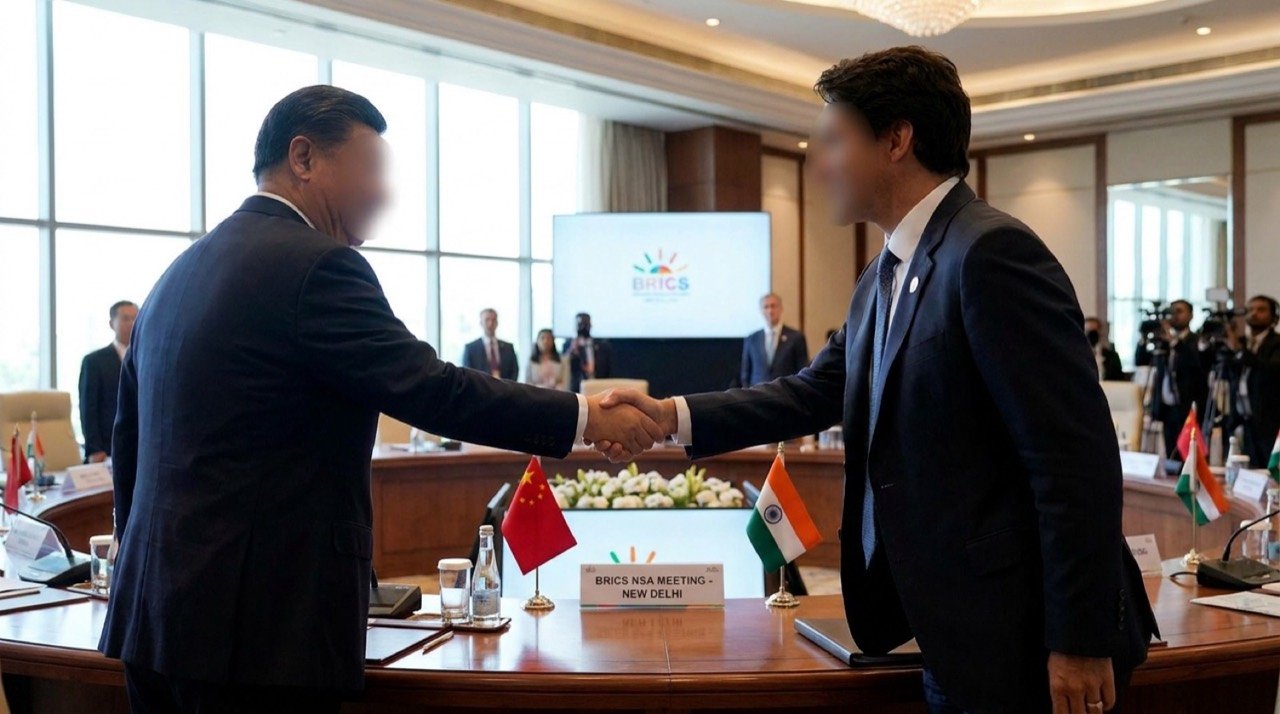
India-China Talks: Wang Yi, Doval Put Border Calm and Core Interests in Focus
Chinese Foreign Minister Wang Yi told NSA Ajit Doval in New Delhi that India and China must respect each other's core interests and keep the border issue in its proper place within the broader relationship.
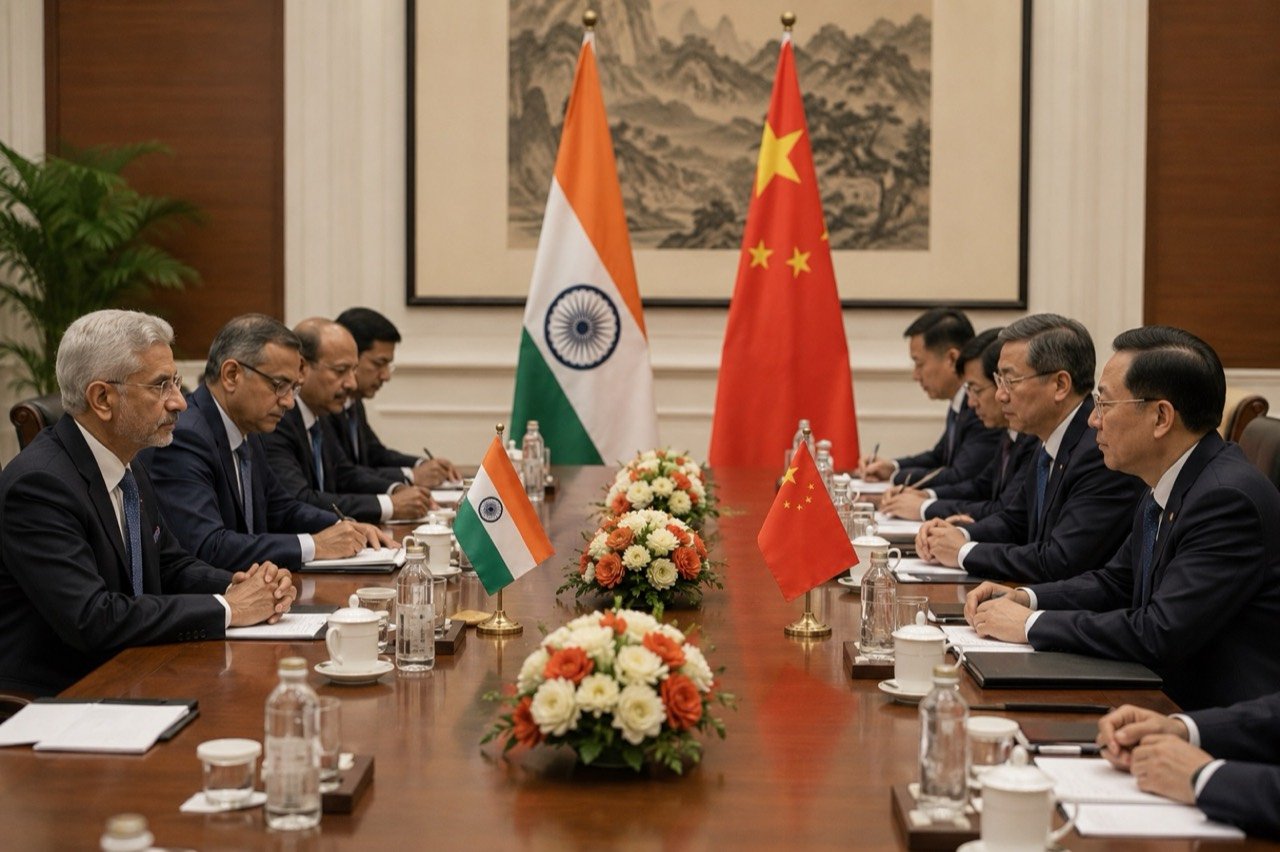
India-China Security Talks Signal Cautious Normalisation of Ties
NSA Ajit Doval and Chinese Foreign Minister Wang Yi met on the sidelines of the BRICS security advisers' meeting in New Delhi, noting progress toward a gradual, guarded normalisation of strained relations.

Fragile Israel-Iran Ceasefire Holds As Trump Pushes Towards Signed Peace Deal
After months of missile exchanges, Israel and Iran have suspended attacks under a conditional truce, with Washington claiming a formal peace agreement is now within reach.
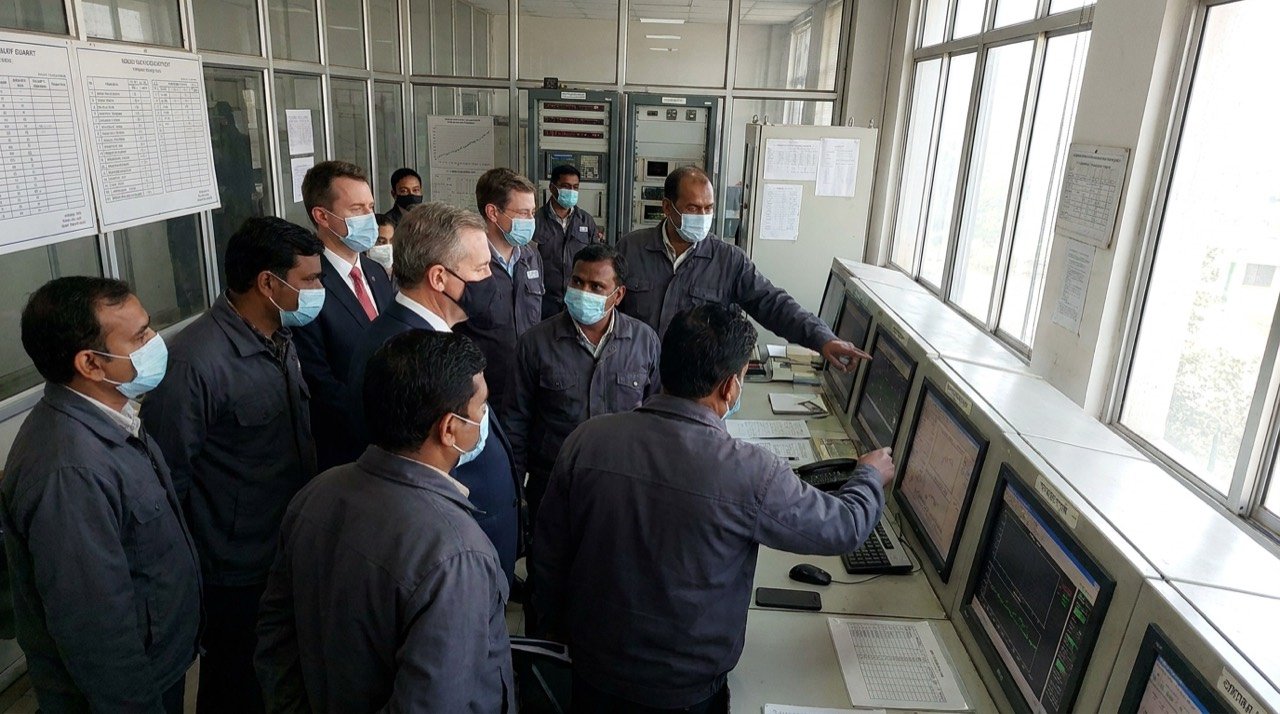
Iran-IAEA Inspection Standoff Tests Fragile Truce, With India Watching Its Energy Stakes
The UN nuclear watchdog insists inspectors will return to Iran's enrichment sites under an interim US-Iran deal, but Tehran says access waits for a final agreement, leaving Indian importers eyeing both oil flows and the Strait of Hormuz.
More from this section
More
India-New Zealand Ties: Visit Plans Put FTA and Diplomacy in Focus
Reports of a planned high-level India-New Zealand engagement have revived attention on free trade talks, professional mobility and Indo-Pacific cooperation between two partners with clear room to grow.

Modi Greets Trump on US 250th Independence Day, Hails Partnership
Prime Minister Narendra Modi marked America's 250th Independence Day with a message to President Trump, saying the next 250 years should lift the India-US partnership to new heights.
India Watches Dhaka's China-Backed Teesta Plan as Stakes Rise
New Delhi is closely tracking Bangladesh's proposal to develop the Teesta river with Chinese assistance, a move that revives one of South Asia's most sensitive water-sharing disputes and tests regional strategic trust.