INDIA Bloc Under Strain as Allies Turn on Congress After Assembly Setbacks
A bruising round of state elections has deepened fault lines in the opposition INDIA alliance, with the DMK, TMC and others openly venting frustration at the Congress at a June bloc meeting.
Commentary & Analysis ·
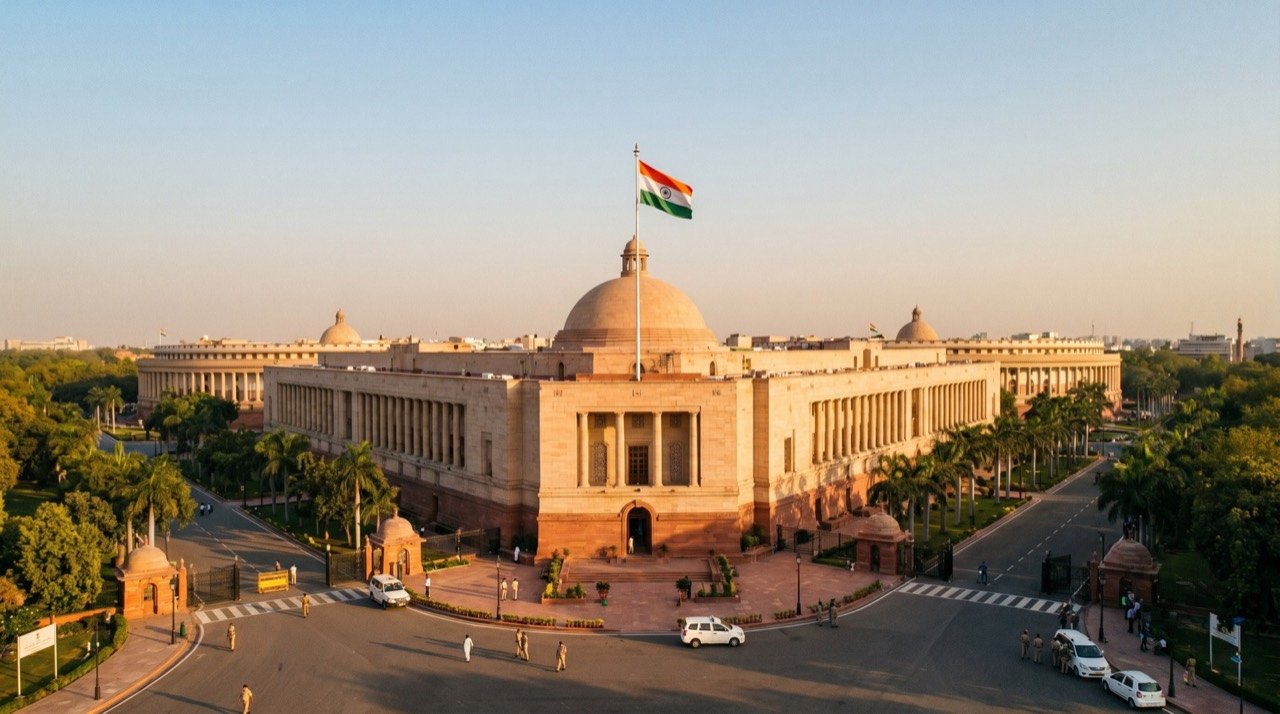
The opposition INDIA bloc, stitched together to challenge the BJP's national dominance, is showing visible signs of strain. A punishing sequence of state assembly results has exposed and deepened the fault lines running through the coalition, and the recriminations spilled into the open at a bloc meeting in June where partners directed unusually sharp criticism at the Congress. That such friction is now aired publicly, rather than managed quietly behind closed doors, is itself a signal of how fragile the arrangement has become less than three years after it was first conceived as a counterweight to the ruling party.
Allies vent their frustration
At the gathering, several partners questioned the Congress's handling of seat-sharing and campaigns, with the DMK reportedly conveying that it wanted little further to do with the party before staying away from the meeting altogether. The DMK's absence is notable precisely because it has long been counted among the more dependable and ideologically committed constituents of the bloc, rather than a fair-weather ally prone to opportunism. For it to signal displeasure so pointedly suggests the grievances are not confined to the usual suspects among the regional parties but have spread to partners the Congress could once take for granted.
Regional leaders have privately complained of what they describe as an indifferent approach from the Congress leadership, arguing that an alliance only works if the senior partner is willing to accommodate others. This is a familiar complaint in Indian coalition politics, but its recurrence points to a deeper structural tension: the Congress wants to be treated as the natural leader of the opposition by virtue of its national presence and history, while regional parties increasingly see themselves as the ones actually carrying electoral weight in their respective states. The frustration is rooted in concrete grievances, from the conduct of recent state contests to the handling of Rajya Sabha elections in states where cross-voting and abstentions cost the opposition dearly. Such episodes are especially damaging because they are avoidable failures of coordination and discipline, not defeats imposed by the electorate, and allies are understandably less willing to forgive self-inflicted losses.
Congress on the defensive
For the Congress, the criticism arrives at a moment of acute organisational stress. The party is simultaneously managing leadership questions in states it governs, including a delicate handover in Karnataka, while watching its footprint shrink in regions where it once set the terms of opposition politics. This double bind leaves the party with limited bandwidth to attend to the diplomatic work that coalition management demands. A leadership preoccupied with internal succession questions in its own strongholds is poorly placed to reassure allies elsewhere that it is a reliable, generous partner rather than a distracted one.
A June INDIA bloc meeting saw partners criticise the Congress over seat-sharing and campaigns. The DMK reportedly stayed away, signalling deep displeasure. Allies including the TMC, SP and RJD have aired grievances over recent reverses. Disputes over Rajya Sabha voting in some states sharpened the rift. Taken together, these are not isolated flashpoints but a pattern: partners across the ideological and regional spectrum of the bloc, from eastern India to the Hindi heartland, appear to be converging on the same underlying complaint about the Congress's conduct within the alliance. The Congress is managing leadership strains in its own governed states simultaneously, which compounds the difficulty of projecting the kind of confident, magnanimous leadership that a fractious coalition needs from its anchor party.
Why the grievances cut so deep
Seat-sharing disputes and Rajya Sabha mismanagement might appear, in isolation, to be routine friction of the kind that afflicts every multi-party alliance. But their significance here lies in timing. They have surfaced not after a single setback but after a punishing sequence of assembly results, meaning allies are drawing conclusions not from one bad night but from a pattern that suggests the Congress's electoral strategy and organisational discipline are not improving. For regional parties whose own survival depends on winning state elections against the BJP, a national partner that appears to be a net drag on their prospects, rather than a source of added strength, becomes very difficult to justify to their own cadres and voters.
There is also a question of trust. Rajya Sabha elections are indirect contests decided by the discipline of a party's own legislators, and cross-voting or abstentions in such polls are typically read as signs either of poor whip management or of quiet defections encouraged by the ruling party exploiting divisions. Either explanation reflects poorly on the coalition's internal cohesion, and allies who lost seats or influence because of such lapses have every reason to feel that the cost of association with the Congress is not being matched by a commensurate benefit.
Can the coalition hold
The structural problem facing the bloc is that its strongest regional members increasingly see the Congress as a liability in their own backyards even as they need a national vehicle to counter the BJP. Reconciling those impulses, without ceding the central role the Congress claims as the only pan-Indian opposition party, is the puzzle the alliance has yet to solve. This is not merely a matter of hurt feelings or personality clashes; it reflects a genuine asymmetry in what different partners get out of the arrangement. A party like the DMK, dominant in its home state, has comparatively little to gain from Congress's national brand and much to lose if perceived proximity to a weakening ally drags down its own standing. Smaller or more electorally exposed allies, by contrast, may still value the numbers and legitimacy a broader opposition front can offer against a dominant BJP.
"An alliance survives on mutual benefit, and right now too many partners feel they are giving more than they get from the Congress." This assessment, attributed to a senior opposition figure involved in the discussions, captures the transactional calculus now dominating the bloc's internal conversations. Whether the bloc can convert shared opposition to the BJP into a workable arrangement, or whether the centrifugal pull of regional ambition proves too strong, will shape the contours of Indian politics well beyond this fractious summer. Much will depend on whether the Congress can demonstrate, through concrete gestures on seat-sharing and campaign coordination in the next round of state contests, that it has absorbed the criticism rather than simply weathered it.
What to watch next
Observers will be watching for several signals in the coming months: whether the DMK returns to future bloc meetings and resumes normal engagement, whether the Congress makes visible concessions on seat allocation in upcoming state and by-elections, and whether allies such as the TMC, SP and RJD continue to voice grievances publicly or revert to private channels. The Karnataka leadership transition will also be closely watched, since a smooth handover could free the Congress leadership to devote more attention to alliance management, while a messy one would only reinforce allies' doubts about the party's capacity to manage its own house, let alone a coalition.
The NE Times View
An opposition that turns on its largest member after every setback confirms the doubt voters already hold: that INDIA is an electoral arrangement, not a coalition with a shared project. The Congress cannot lead while leaning on allies it routinely irritates, and regional parties cannot win nationally alone. Unless this bloc settles seat-sharing and a common message early, its quarrels will do the government's work for it. The events of this June meeting should be read less as a passing spat and more as a diagnostic moment for the alliance: the grievances are specific, recurring and shared across multiple partners, which makes them harder to dismiss as the complaint of one disgruntled ally. If the Congress treats this as a temporary public-relations problem rather than a structural one requiring real accommodation, the bloc's troubles this summer will likely prove to be a preview rather than an aberration.
Key takeaways
- A June INDIA bloc meeting saw allies openly criticise the Congress over seat-sharing, campaign conduct and Rajya Sabha voting failures.
- The DMK's reported decision to stay away from the meeting signals displeasure from a normally steady ally, not just the bloc's more opportunistic partners.
- The Congress faces this alliance pressure while simultaneously managing internal leadership strains, including a delicate transition in Karnataka.
- The core tension is structural: regional allies see the Congress as a liability in their home states even as they need a national platform to counter the BJP.
- Whether the bloc survives will depend on whether the Congress makes concrete concessions on seat-sharing and coordination before the next round of elections.
You may also like to read
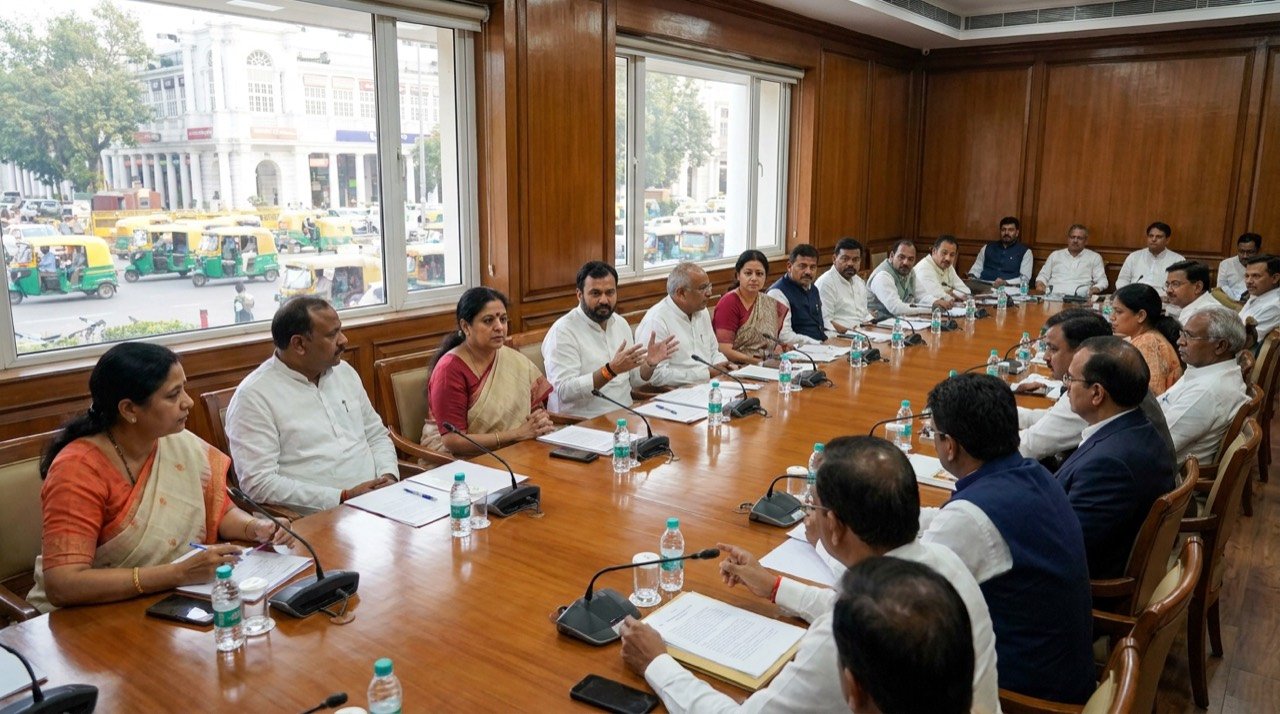
INDIA Bloc Reaches Five-Point Consensus After Allies Push Back on Congress
A tense INDIA alliance meeting in New Delhi ended with a five-point agreement and a vow to meet bimonthly, even as Left, SP and RJD leaders bluntly told the Congress to act as the coalition's glue.
INDIA Bloc Friction Spills Into The Open After Latest Opposition Meeting
An editorial questioning Rahul Gandhi's handling of coalition politics has laid bare tensions within the INDIA bloc, even as the Congress leader insists there is no discord in the alliance.
Congress Sends Observers to Jammu and Kashmir as Internal Tensions Sharpen
The Congress high command has moved to assess factional friction in its Jammu and Kashmir unit, deputing senior leaders to gather feedback as the party works to rebuild organisation and protect alliance space.
DK Shivakumar Takes Over as Karnataka CM in Long-Anticipated Congress Handover
Karnataka's drawn-out power-sharing saga reached its climax as DK Shivakumar was sworn in as chief minister in early June, with Siddaramaiah accommodated in the Congress Working Committee.
More from this section
More
K Kavitha Party Denied TRS Name by Election Commission
The Election Commission has refused to register K Kavitha's Telangana Rakshana Sena under the TRS acronym after objections, forcing a branding reset for the new party at a politically sensitive moment in Telangana.
Lalu Prasad Yadav Security Downgrade, Bungalow Order Stir Bihar
A government order downgrading Lalu Prasad Yadav's security cover and asking him to vacate an official bungalow has opened a fresh political flashpoint in Bihar, with the RJD chief's reaction fuelling the row.
Manipur CM's Churachandpur Visit: First Since 2023 Unrest
The Manipur Chief Minister travelled to Churachandpur for a BJP MLA's funeral, his first visit to the district since the 2023 violence, lending the sombre occasion an unmistakable political significance.