INDIA Bloc Reaches Five-Point Consensus After Allies Push Back on Congress
A tense INDIA alliance meeting in New Delhi ended with a five-point agreement and a vow to meet bimonthly, even as Left, SP and RJD leaders bluntly told the Congress to act as the coalition's glue.
Commentary & Analysis ·
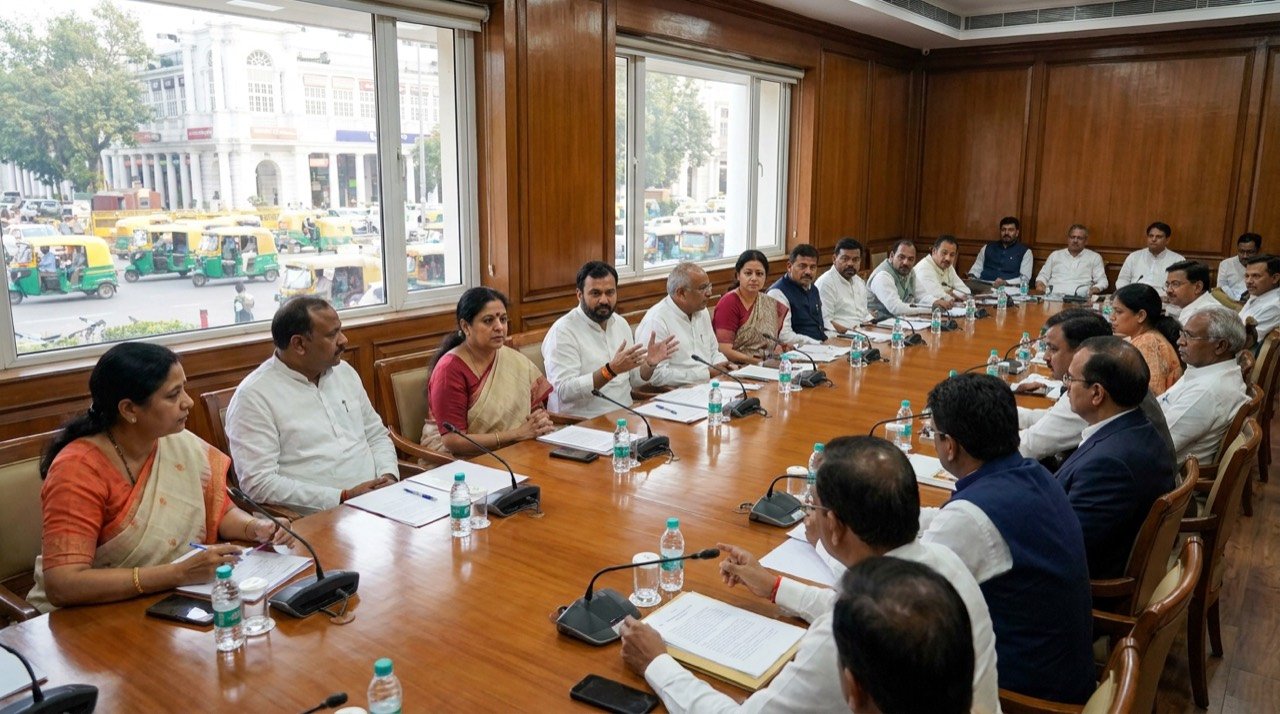
A high-stakes meeting of the INDIA alliance at the Constitution Club in New Delhi ended with the coalition papering over visible internal strains, reaching consensus on five major issues after roughly two hours of discussion. Congress President Mallikarjun Kharge announced the outcome, framing it as a renewed commitment to coordinated opposition ahead of the monsoon session. That the meeting produced any agreed text at all was, in itself, notable, given the frostiness with which it began and the pointed criticism of the Congress that surfaced before the two hours were out.
A conciliatory close to a tense meeting
The gathering was convened to forge a common strategy against the central government and to plan the opposition's approach to the upcoming parliamentary session. Despite a frosty start marked by pushback against the Congress, leaders agreed on closer coordination among constituent parties and resolved to meet every two months to keep the alliance functioning. The choice of the Constitution Club as venue, and the timing just ahead of the monsoon session, underline the practical purpose behind the meeting: opposition parties needed a shared floor strategy before Parliament reconvenes, and that requirement forced disparate allies to find common ground even where trust between them is thin.
Central to the agenda was a shared plan to resist the delimitation legislation the government intends to revive, along with concerns over the use of central agencies against opposition figures, student issues and what allies described as violations of democratic rights. Each of these threads carries its own weight. Delimitation redraws parliamentary constituencies according to population changes, and any revival of that process has long been viewed warily by opposition parties, particularly those based in southern and eastern states, who fear it could alter the balance of seats in ways that disadvantage regions with slower population growth. The other grievances, over central agencies and democratic rights, are recurring opposition talking points, but their inclusion in a formal five-point consensus signals an attempt to convert scattered complaints into a coordinated parliamentary offensive.
Allies tell Congress to be the glue
The frustration on display came largely from the Left parties, the Samajwadi Party and the Rashtriya Janata Dal. Leaders including Akhilesh Yadav and Tejashwi Yadav reminded the Congress that its role is to hold the alliance together rather than compete with regional partners for space, a recurring tension in states where the two overlap. This is not a new complaint, but the fact that it was voiced so openly, and apparently accepted with a measure of grace by the Congress leadership, suggests the party recognises the risk of appearing to dominate a coalition it needs more than the coalition needs it in several states. In places such as Uttar Pradesh and Bihar, where the Samajwadi Party and the RJD respectively hold the stronger organisational base, Congress ambitions for a larger seat share have historically strained alliance arithmetic.
The episode reflected a broader recalibration within the bloc following the 2026 state results, which redrew the political map and sharpened questions about leadership and seat-sharing in future contests. Election outcomes of that kind tend to reset the internal pecking order of any coalition: parties that performed well feel emboldened to demand more say, while those that underperformed are pressed to justify their continued claim to a larger share of seats or public attention. That dynamic appears to be exactly what played out at the Constitution Club, with regional allies using their leverage to extract an explicit, if informal, acknowledgement from the Congress of its supporting rather than dominant role.
What was agreed
Consensus reached on five major issues against the central government. A coordinated plan to oppose the delimitation bill in Parliament. Closer coordination among constituent parties going forward. A decision to hold alliance meetings every two months. Shared concerns over central agencies, student issues and democratic rights. As one ally put it, the Congress must act as the glue of the alliance and avoid being competitive with its regional partners.
The bimonthly meeting schedule is intended to prevent the drift that has plagued the coalition between elections. Regular, scheduled contact of this kind is a modest but meaningful mechanism: coalitions of this size and diversity tend to fray not through dramatic ruptures but through simple neglect, as parties drift back into state-level competition once the shared enemy of an election recedes from view. A standing bimonthly forum, if actually honoured, would at least ensure that disagreements are aired and managed before they harden into public breaks.
Why the consensus is fragile
Whether the five-point consensus survives contact with state-level rivalries, particularly as parties eye upcoming contests, will determine if the alliance can present a united front when Parliament reconvenes. The core difficulty is structural rather than personal. National-level unity against the central government requires the Congress and its regional allies to speak with one voice in Delhi, even as many of those same parties are locked in direct electoral competition with the Congress in their home states. A five-point agenda on delimitation, central agencies and democratic rights costs little to agree upon in principle, because it targets a common opponent. The harder test, seat-sharing and mutual restraint at state level, was not on the table at this meeting, and it is precisely there that past INDIA bloc consensus has come apart before.
For the government, a united opposition front on delimitation and on the conduct of central agencies would complicate the passage of legislation and sharpen scrutiny during the monsoon session. For opposition parties themselves, the value of the meeting lies less in the substance of the five points, which restate familiar grievances, than in the signal that the alliance can still produce a joint position after a difficult year of state contests. Whether that signal translates into disciplined floor coordination in Parliament remains to be tested.
The NE Times View
A five-point consensus is thinner than it sounds when allies are openly telling the Congress to behave like a partner rather than a parent. The bluntness from the Left, SP and RJD is healthier than forced unity, but bimonthly meetings cannot substitute for a shared programme. The INDIA bloc's problem was never a shortage of resolutions; it was the Congress's reluctance to share space. Until that reluctance is addressed at the level of seats and state leadership, rather than only in joint statements against the centre, the alliance will keep producing consensus documents that read better in Delhi than they hold up in the states.
Key takeaways
- INDIA bloc leaders reached a five-point consensus at the Constitution Club after a tense start, agreeing to oppose the delimitation bill, coordinate more closely, and meet every two months.
- Left parties, the Samajwadi Party and the RJD publicly pushed back on the Congress, insisting it act as the alliance's unifying force rather than compete with regional allies.
- The friction follows the 2026 state results, which reshaped the bloc's internal balance of power and reopened questions of leadership and seat-sharing.
- The agreed issues, delimitation, central agencies, student concerns and democratic rights, unite the allies against the government but sidestep the harder question of state-level competition between them.
- The real test of the consensus will come at the level of seat-sharing and state elections, not in bimonthly meetings addressing shared grievances against the centre.
You may also like to read
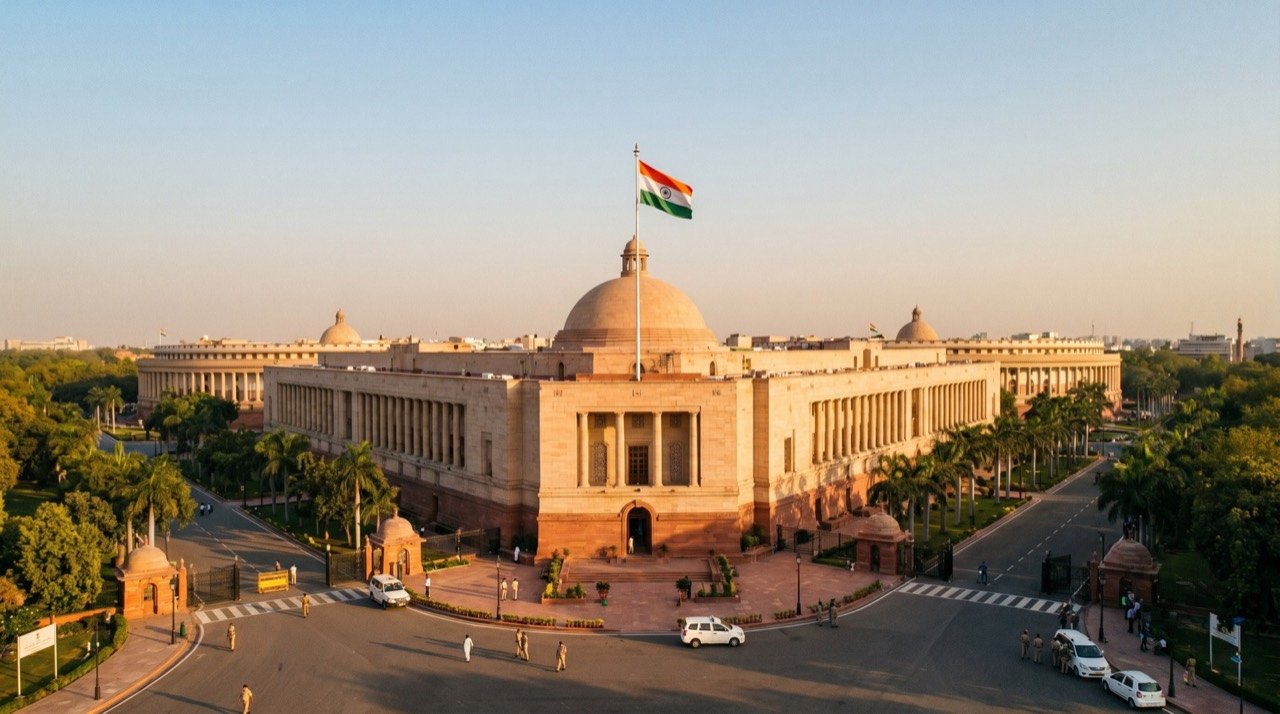
INDIA Bloc Under Strain as Allies Turn on Congress After Assembly Setbacks
A bruising round of state elections has deepened fault lines in the opposition INDIA alliance, with the DMK, TMC and others openly venting frustration at the Congress at a June bloc meeting.
INDIA Bloc Friction Spills Into The Open After Latest Opposition Meeting
An editorial questioning Rahul Gandhi's handling of coalition politics has laid bare tensions within the INDIA bloc, even as the Congress leader insists there is no discord in the alliance.
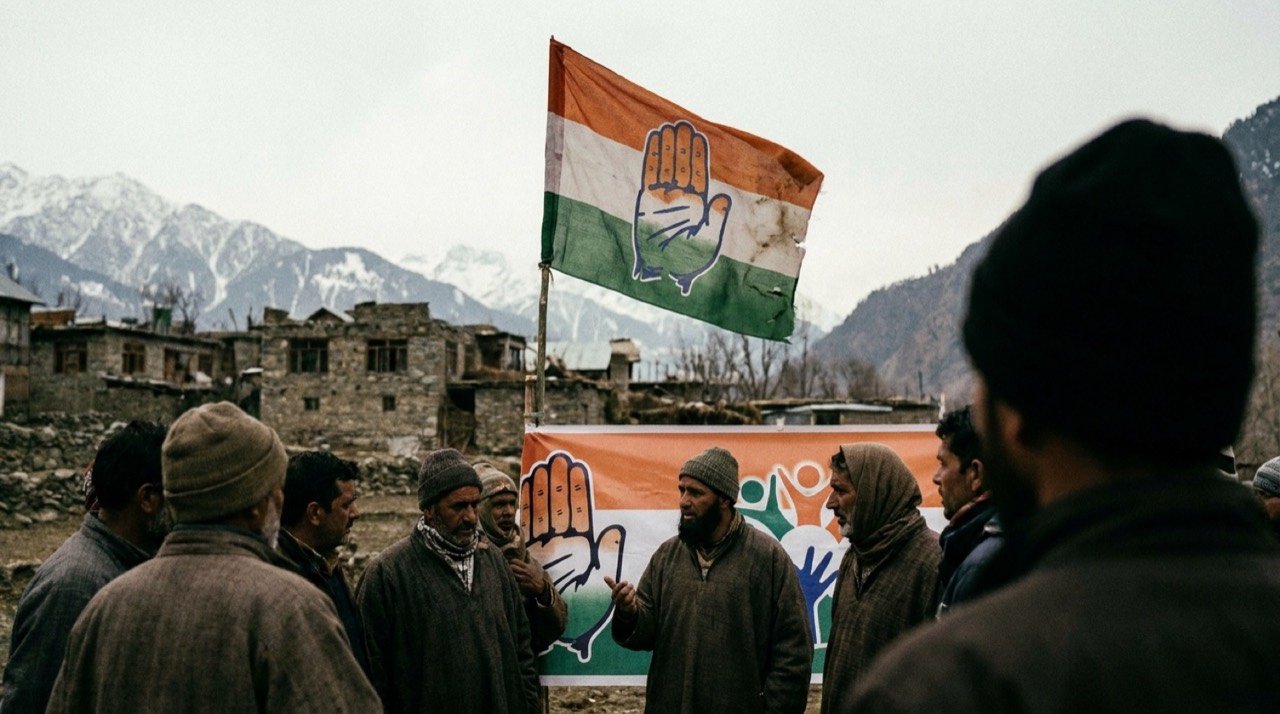
Congress Sends Observers to Jammu and Kashmir as Internal Tensions Sharpen
The Congress high command has moved to assess factional friction in its Jammu and Kashmir unit, deputing senior leaders to gather feedback as the party works to rebuild organisation and protect alliance space.
Government Plans Fresh Push On Delimitation After 131st Amendment Defeat
Having seen the Constitution (131st Amendment) Bill fall short of the two-thirds majority earlier this year, the Centre is preparing to bring delimitation-linked legislation back in the monsoon session.
More from this section
More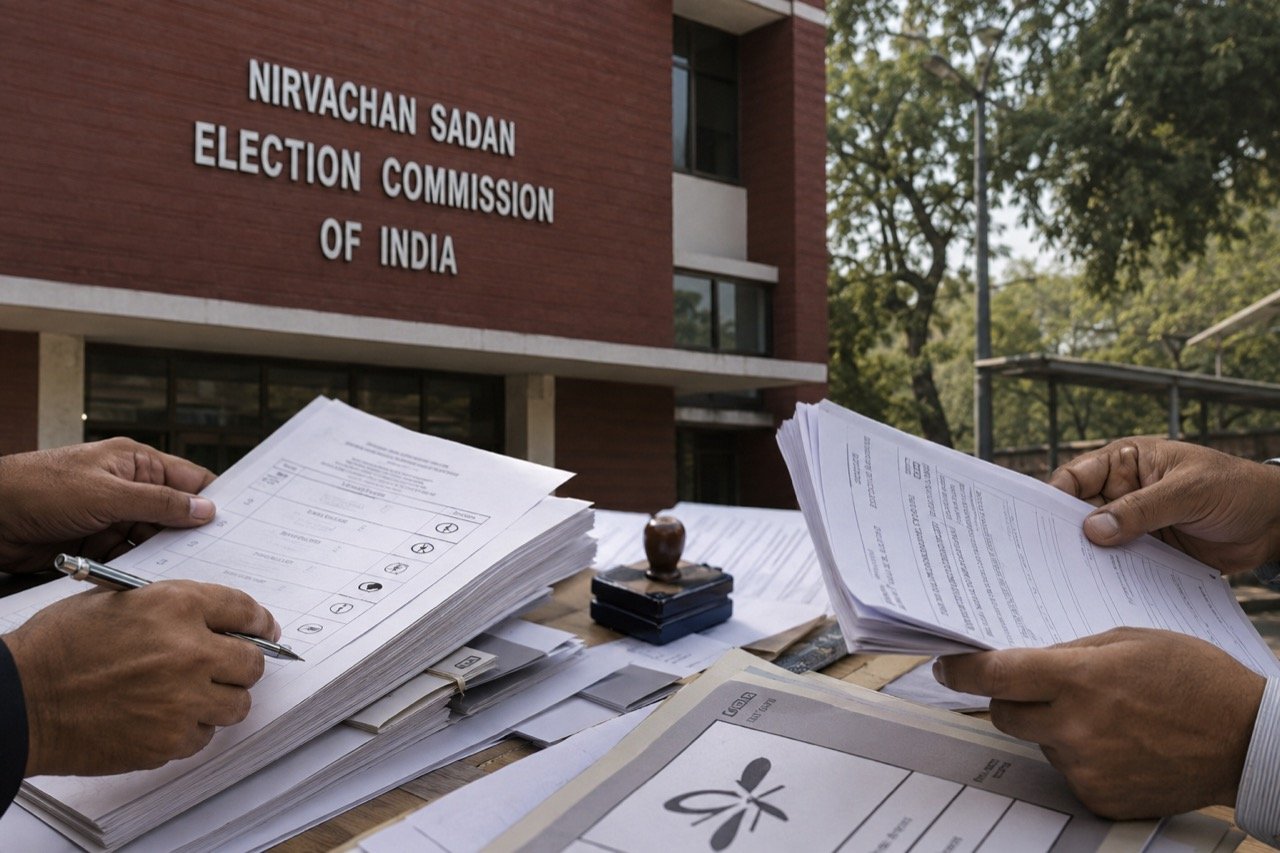
K Kavitha Party Denied TRS Name by Election Commission
The Election Commission has refused to register K Kavitha's Telangana Rakshana Sena under the TRS acronym after objections, forcing a branding reset for the new party at a politically sensitive moment in Telangana.
Lalu Prasad Yadav Security Downgrade, Bungalow Order Stir Bihar
A government order downgrading Lalu Prasad Yadav's security cover and asking him to vacate an official bungalow has opened a fresh political flashpoint in Bihar, with the RJD chief's reaction fuelling the row.
Manipur CM's Churachandpur Visit: First Since 2023 Unrest
The Manipur Chief Minister travelled to Churachandpur for a BJP MLA's funeral, his first visit to the district since the 2023 violence, lending the sombre occasion an unmistakable political significance.