India Extends ALMM Solar Manufacturing Rules to Wafers and Ingots From 2028
New Delhi will widen its Approved List of Models and Manufacturers framework to cover solar wafers and ingots from June 2028, pushing deeper into the supply chain to cut reliance on China.
Commentary & Analysis ·
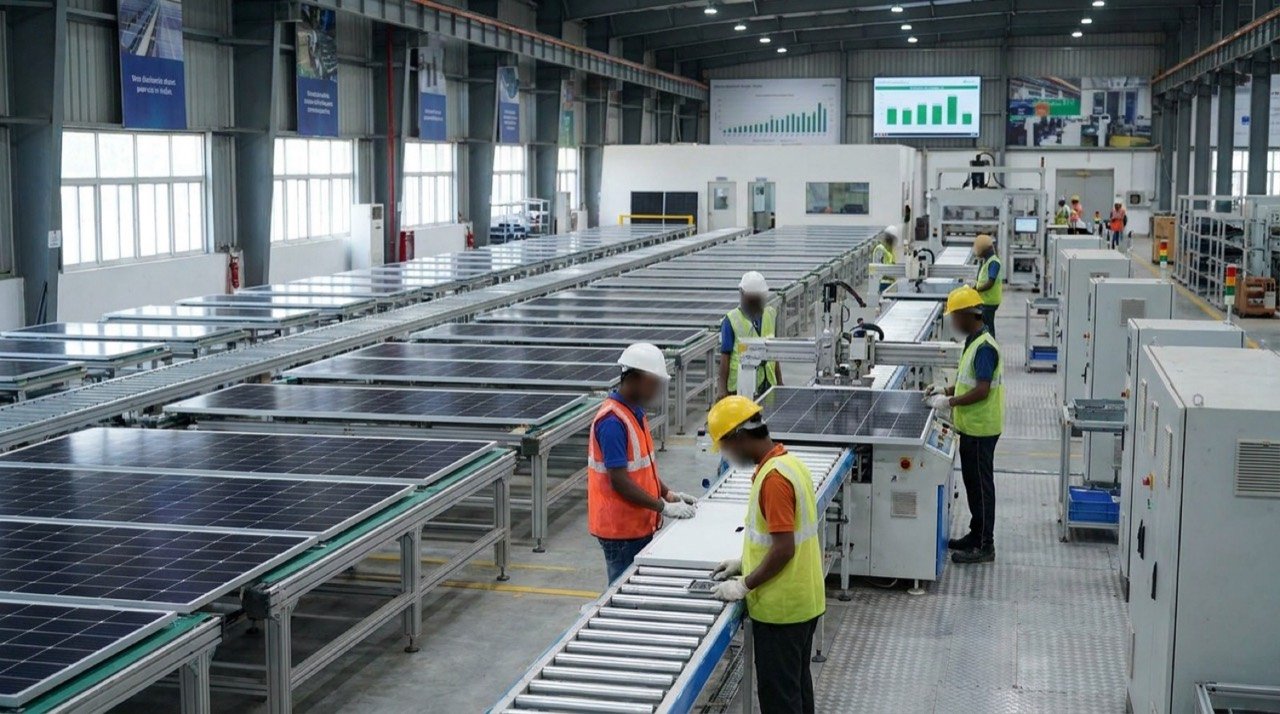
India is preparing to push its domestic clean-energy ambitions further up the solar supply chain. From 1 June 2028, the government will extend its Approved List of Models and Manufacturers (ALMM) framework to cover solar wafers and ingots, two of the most foundational components in any photovoltaic panel. The decision marks one of the most significant steps yet in New Delhi's effort to build a self-reliant solar industry and loosen its long-standing dependence on Chinese supply chains.
What the ALMM extension actually means
The ALMM is effectively a gatekeeping list: only products and manufacturers that appear on it can be used in government-backed and many commercial solar projects. Until now the framework has focused on finished modules and, more recently, solar cells. By reaching down to wafers and ingots, the policy targets components that sit much deeper in the value chain, where India has historically had almost no domestic capacity and where China dominates global output.
Wafers are thin slices cut from silicon ingots, and they form the base on which cells and modules are built. Controlling this layer is widely seen as the hardest and most capital-intensive part of the solar manufacturing puzzle, which is why the 2028 timeline gives industry a multi-year runway to invest and scale.
Why New Delhi is acting now
The move aligns with India's headline target of 500 GW of non-fossil electricity capacity by 2030, a goal that will require vast volumes of solar equipment. Officials argue that building capacity in wafers and ingots improves energy security and insulates the country from price shocks and geopolitical disruption in imported supplies.
The policy also builds on a broader manufacturing push that already mandates domestically made solar cells for many projects, a requirement that has divided the industry over the question of higher near-term costs.
The questions developers are watching
For solar developers, the central concern is cost and timing. Deeper localisation can raise equipment prices in the short term if domestic capacity lags demand, and the pace of local investment will determine whether the 2028 deadline is realistic.
- Whether domestic wafer and ingot capacity scales fast enough to meet the 2028 requirement
- The impact on project costs and tariffs for power producers
- How quickly private investment flows into the deeper, capital-heavy layers of the chain
- Continued reliance on imported polysilicon even as wafers are localised
- Balancing energy-security goals against India's affordability targets for clean power
Analysts note that the success of the policy will hinge less on the rule itself than on execution. A mandate without matching factory capacity risks bottlenecks, while well-timed investment could turn India into a meaningful exporter of solar inputs over the coming decade.
For now, the 2028 horizon signals intent more than immediate change. The next two years will reveal whether Indian manufacturers can build the ingot and wafer base the policy assumes, and whether the country can move from assembling panels to making the silicon that powers them.
The NE Times View
Extending the approved-list framework to wafers and ingots is a logical bid to climb the solar value chain and blunt dependence on China. The strategic case is strong, but protection only pays off if domestic manufacturers actually reach scale and quality by 2028, otherwise installers face costlier panels and slower capacity addition. The lead time is the policy's saving grace, giving industry room to build. Success hinges on whether incentives translate into real factories, not just protected ones.
This article is original commentary and analysis by The NE Times. Background facts were referenced from NDTV and Climate Change News.
You may also like to read
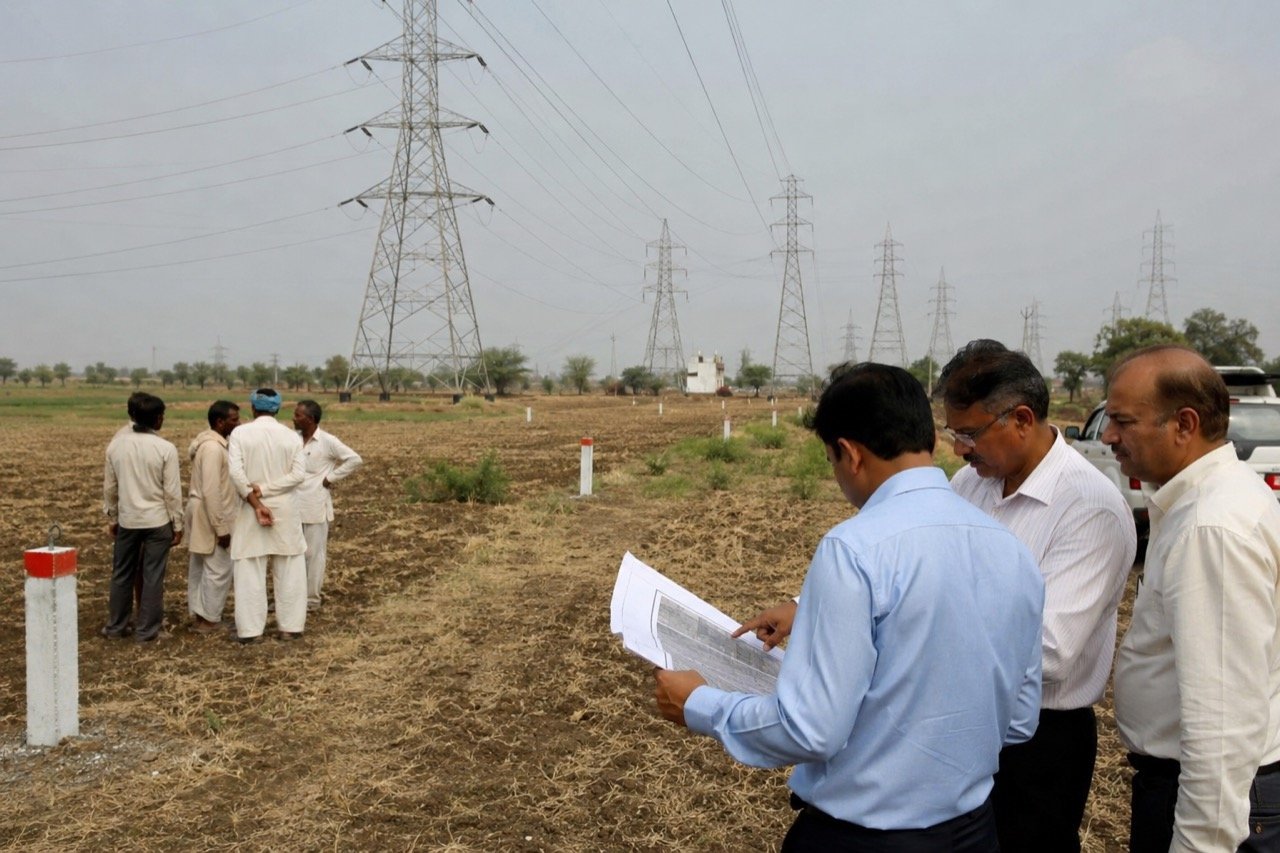
Gujarat Reworks Land Compensation Rules for Power Transmission
Gujarat has revised its land compensation policy for power transmission projects, a move that could ease landowner disputes and speed the grid expansion India's energy transition depends on.
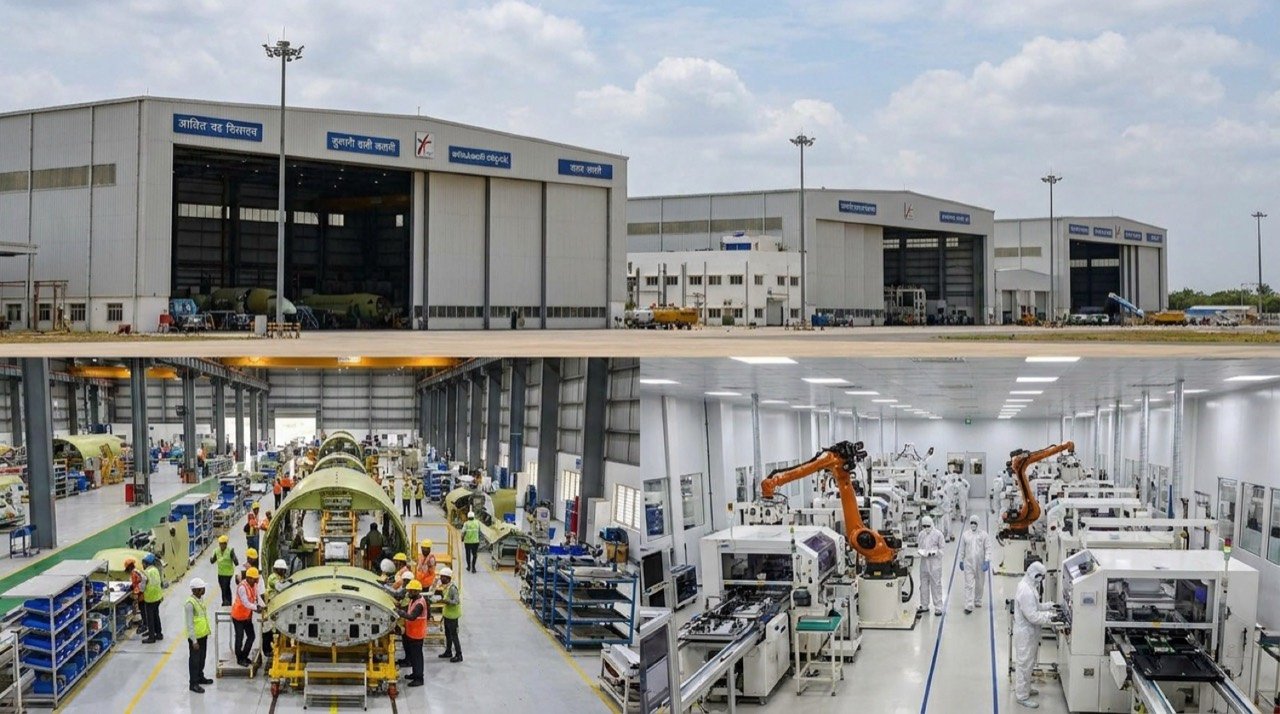
Seven Defence Manufacturing Clusters Put India's Self-Reliance Push in Focus
India is reportedly planning seven defence manufacturing clusters to deepen domestic capability, cut import dependence and strengthen supply chains across aerospace, electronics and land systems.

India Targets $1 Trillion in FY26 Exports as Trade Push Widens
The commerce ministry has reaffirmed a $1 trillion export goal for FY26 at a Board of Trade meeting led by Piyush Goyal, leaning on a seven-point action plan spanning merchandise, services and defence exports.

India's Russian Crude Imports May Hit Record June Share
India's Russian crude imports could touch a record high in June, with Moscow supplying nearly half of total purchases until June 20, as discounts and shifting supply reshape the energy basket.
More from this section
More
Adani Case: US DOJ Pushes for Permanent Dismissal of Charges
The US Department of Justice has urged a judge to permanently dismiss charges against Gautam Adani, calling the case legally flawed — a reversal with consequences for markets, diplomacy and cross-border enforcement.

Akasa Air Inducts 40th Aircraft in Indian Aviation Scale-Up
Akasa Air's 40th aircraft, ferried to Bengaluru via Seattle, Reykjavik and Cairo, marks a fleet milestone for the young carrier and a fresh signal that India's aviation market remains firmly in expansion mode.

BARC Ratings Suspension Leaves Indian TV Industry Flying Blind
BARC's pause on television ratings has put India's broadcast measurement system under fresh scrutiny, leaving broadcasters, advertisers and media planners without the weekly audience data that anchors the TV economy.