Huma Qureshi's Baby Do Die Do Wit Steals a Busy Bollywood News Day
A sharp, well-timed quip from Huma Qureshi linking Baby Do Die Do and Alpha became one of the day's most shared Bollywood moments, cutting through a feed crowded with box office numbers.
Commentary & Analysis ·
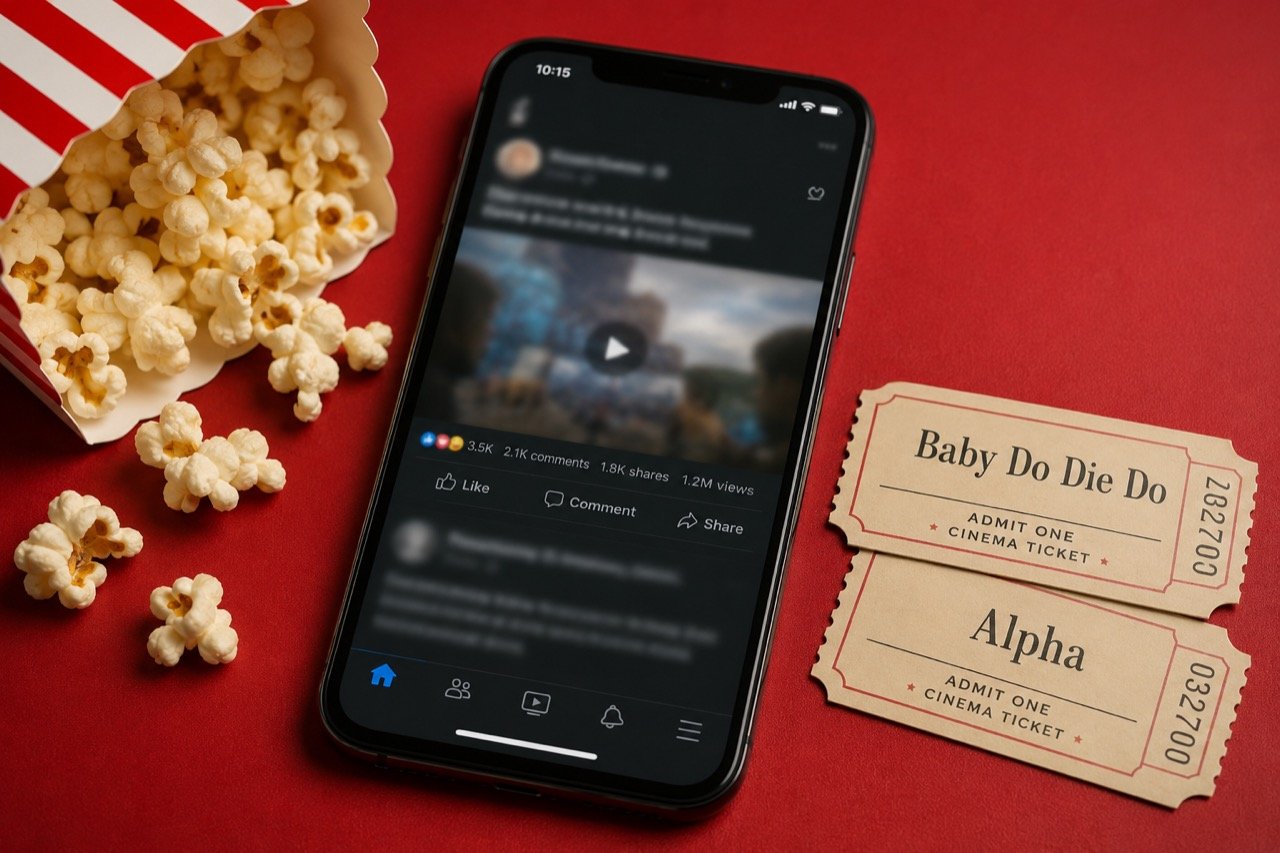
On a Bollywood news day otherwise dominated by box office trackers, trolling debates and release-date updates, it was Huma Qureshi who supplied the lighter moment. Her humorous response tying together the buzz around Baby Do Die Do and Alpha quickly gained traction online, with Hindustan Times noting how her wit won attention across social media. In an industry cycle usually driven by numbers and controversy, a single well-timed quip from an actor was enough to cut through the noise, and that in itself is worth examining.
Why a quip travelled so fast
The moment worked because of timing rather than scale. Alpha was already trending in entertainment conversations, and Baby Do Die Do had its own steady chatter among audiences following its release news. Qureshi's comment did not need to create a new conversation; it simply stitched together two discussions that were already live. That is a crucial distinction in how digital attention behaves today. A clever line attached to two active film discussions gives readers an easy, enjoyable entry point into the day's entertainment feed, something they can share or react to without needing deep context. It is low-effort consumption for the audience and, correspondingly, high-efficiency visibility for the actor involved.
It is worth pausing on why this particular format, an offhand, witty remark, spreads more easily than a scripted promotional post. Audiences online are accustomed to filtering out material that reads as manufactured. A joke that appears spontaneous, even if it is calculated, carries the texture of authenticity, and that texture is precisely what makes it shareable. The pairing of two trending titles in one light remark also does double duty: it rides the existing algorithmic momentum of both conversations rather than trying to generate momentum from zero.
A modest but real kind of news value
None of this amounts to a major industry development, and it would be a mistake to overstate it. But the news value, while modest, is real. Bollywood publicity is no longer built solely from trailers, press junkets and sit-down interviews. Social-media tone, actor wit and spontaneous exchanges now shape how audiences perceive films, often before they have even decided what to watch. That shift matters because it changes where the real promotional work of a film happens. It is no longer confined to the weeks immediately before release, orchestrated through press schedules; it is diffused across ordinary days, carried by small, unplanned moments that studios cannot fully script or control.
For an actor like Qureshi, this also represents a subtly different kind of visibility than a box-office number or a trailer view count. It is visibility rooted in personality rather than in a specific project's performance. That distinction is becoming more significant as the entertainment news cycle grows more crowded and harder for any single film or actor to dominate through conventional means alone.
Attention as currency
This episode is best read as a digital-culture item rather than a major industry development, but it illustrates a broader dynamic worth naming plainly: attention has become currency in its own right. In a crowded release environment, where multiple films compete for the same finite pool of audience interest, a spontaneous moment of personality can keep an actor or a film visible without the fatigue that comes with a hard-sell promotional campaign. Audiences tire quickly of being sold to; they tire far less quickly of being amused.
This is precisely why a single quip, well timed, can outperform an entire day's worth of formal publicity effort. It costs nothing to produce, it asks nothing of the audience beyond a moment's attention, and it reinforces an actor's public persona rather than draining goodwill the way repetitive promotional messaging can.
What this means for actors and studios
For actors, the implication is that a genuine sense of humour is becoming a career asset, one that sits alongside more traditional measures of success such as a strong opening weekend. Wit builds a relationship with audiences in the gaps between releases, when there is no film to promote and no formal reason to be in the news. That ongoing relationship has value that is harder to quantify than box office collections, but it compounds over time, shaping how warmly audiences receive an actor's next project.
For studios and publicity teams, the lesson is more uncomfortable. The most effective promotional moments are, almost by definition, the ones that cannot be manufactured on demand. A studio can schedule a press junket; it cannot schedule spontaneity. This creates a structural tension: marketing departments are built around planning and control, yet the moments audiences respond to best are the ones that look unplanned and uncontrolled. The publicity machine can, at most, amplify a moment like this after the fact, not engineer it in advance.
The NE Times View
We see this small viral moment as a signal of where Bollywood marketing is heading. Audiences have grown numb to manufactured hype cycles, but they still reward authenticity and quick wit, qualities no publicity agency can script convincingly no matter how large its budget. For actors, a genuine sense of humour is becoming a career asset on par with a good opening weekend, because it builds a relationship with audiences between releases, in the quiet stretches when there is no film to sell.
The caution is equally clear, however. When every offhand remark becomes content, when every actor's timeline is scoured for the next shareable line, the boundary between personality and performance begins to blur. What looks spontaneous today may, in time, become its own form of manufactured hype, and audiences are generally quick to sense when charm curdles into strategy. For now, though, Qureshi's timing shows that in the attention economy, charm delivered lightly beats promotion delivered loudly, and that is a lesson the wider industry would do well to absorb rather than merely imitate.
Key takeaways
- Huma Qureshi's witty remark linking Baby Do Die Do and Alpha stood out on a Bollywood news day otherwise dominated by box office trackers and trolling debates, with Hindustan Times noting the attention it drew on social media.
- The quip succeeded because it connected two conversations that were already trending, rather than trying to generate attention from scratch.
- Bollywood publicity increasingly runs on social-media tone and spontaneous actor moments, alongside traditional trailers and press junkets.
- Attention functions as its own currency in a crowded release environment, allowing personality-driven moments to sustain visibility without promotional fatigue.
- The trend rewards authenticity but carries a risk: as offhand remarks are increasingly treated as content, the line between genuine personality and scripted performance may blur.
You may also like to read
Baby Do Die Do Review Buzz: Huma Qureshi Thriller Holds Weekend Spot
Huma Qureshi's assassin drama Baby Do Die Do stays in the weekend release conversation, drawing mixed reviews for its quirky suspense while sharing its window with the franchise-scale Alpha.
Aamir Khan's quiet July 5 wedding becomes Bollywood's big story
Reports that Aamir Khan has confirmed an intimate July 5 ceremony with Gauri Spratt have captivated Bollywood watchers precisely because the star is choosing privacy over spectacle.
Imran Khan on Andrew Tate: Bollywood Joins Role Model Debate
Imran Khan's blunt remarks about Andrew Tate's appeal to young men, and his credit to Aamir Khan as a positive influence, have pushed a Bollywood interview into a wider conversation about masculinity online.
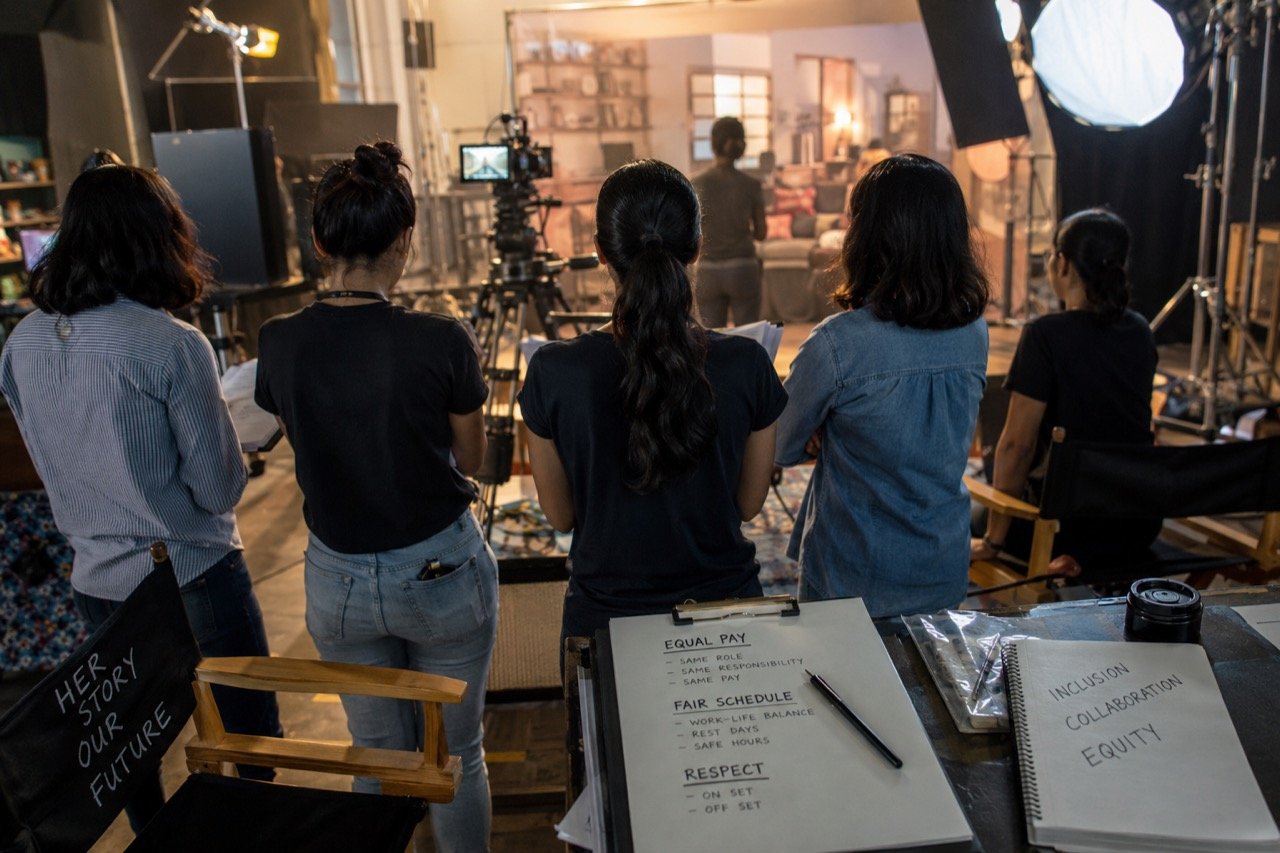
Kriti Sanon's Set Remarks Put Bollywood Gender Equity Back in Focus
Kriti Sanon's comments about female actors being taken for granted on film sets have revived a long-running conversation about pay parity, respect and decision-making power in mainstream Hindi cinema.
More from this section
More
72nd National Film Awards: Fans Back Mammootty, Allu Arjun, Sai Pallavi
Speculation around the 72nd National Film Awards is intensifying as fan communities across India's language film industries champion favourites including Mammootty, Allu Arjun and Sai Pallavi ahead of any official announcement.

Aamir Khan Marries Gauri Spratt in Private Pali Hill Ceremony
Aamir Khan and Gauri Spratt tied the knot at the actor's Pali Hill home in Mumbai on July 5, turning a deliberately small family ceremony into Bollywood's biggest story of the day.
Akanksha Chamola's Lock Upp 2 Confession Sets Reality TV Abuzz
A personal revelation by Akanksha Chamola ahead of Lock Upp 2 has handed the reality show a viral talking point, underlining how confession-driven formats continue to dominate Indian television conversation.