Kriti Sanon's Set Remarks Put Bollywood Gender Equity Back in Focus
Kriti Sanon's comments about female actors being taken for granted on film sets have revived a long-running conversation about pay parity, respect and decision-making power in mainstream Hindi cinema.
Commentary & Analysis ·
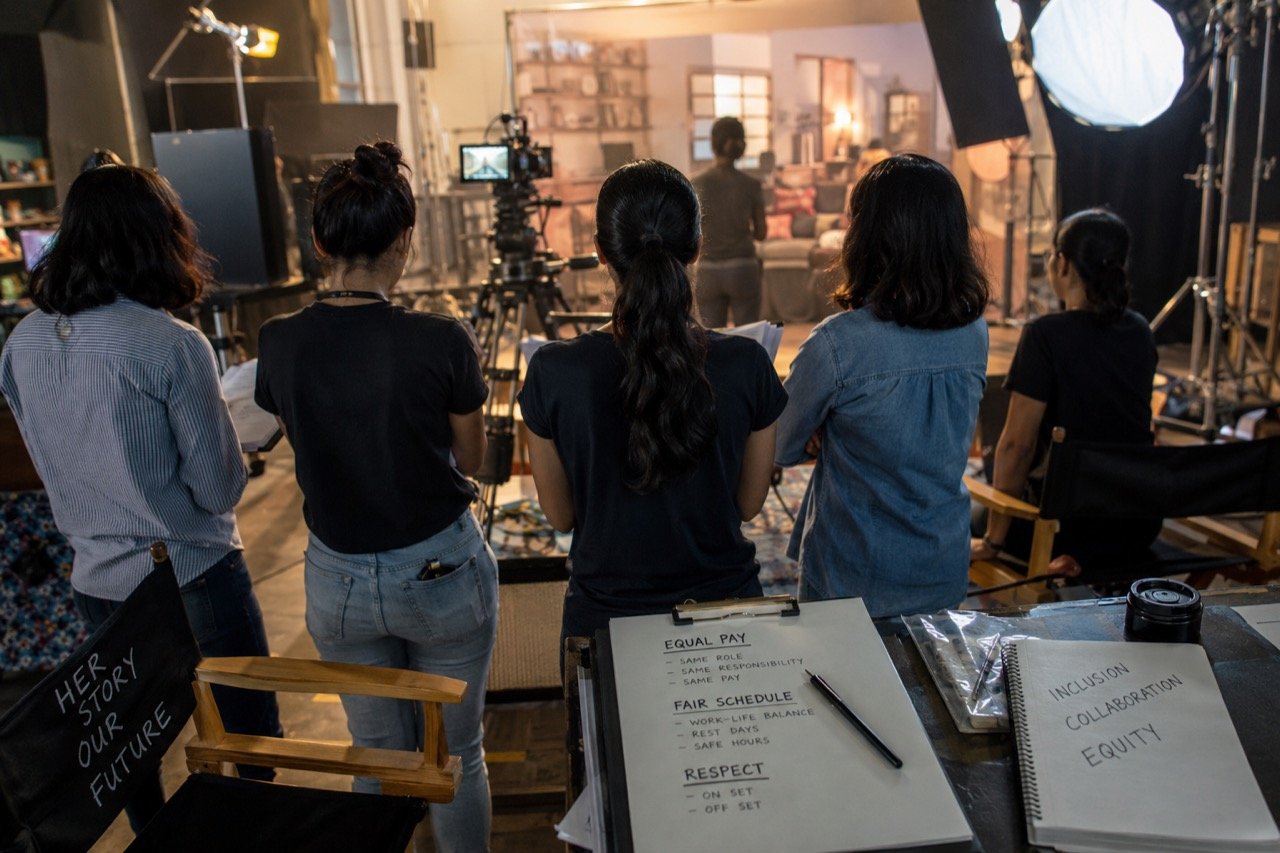
Kriti Sanon has reopened one of Bollywood's most persistent debates. Her remarks about discrimination and female actors being taken for granted on film sets, reported by Hindustan Times, struck an immediate chord — a sign of how strongly audiences now connect entertainment headlines with questions of workplace fairness. That a single set of comments from one of Hindi cinema's leading actors could travel so quickly through news cycles and social media says something about the moment the industry finds itself in: gender equity is no longer a niche conversation confined to trade publications, but a mainstream talking point that ordinary viewers feel entitled to weigh in on.
A debate bigger than one actor
The issue extends well beyond a single star's experience. For years, Hindi cinema has wrestled with pay parity, the depth of roles written for women, call-sheet treatment, on-set safety, vanity resources, marketing credit and access to decision-making power. When a leading actor speaks about unequal treatment, it gives that slow-burning conversation a fresh, current hook. It would be wrong to claim every production behaves the same way. The fairer reading is that Sanon's comments echo concerns many women in cinema have voiced in different forms over the past decade, from pay negotiations to how female-led projects are marketed and credited.
What makes this particular moment notable is not the novelty of the complaint but its familiarity. Similar grievances have surfaced periodically for years, voiced by actors at different stages of their careers and in different corners of the industry. The recurrence itself is instructive: when the same set of frustrations resurfaces every few years under a different name, it suggests the underlying structures — how contracts are negotiated, how call sheets are drawn up, how credit is apportioned — have not shifted as much as the public conversation around them has.
Visible progress, slower culture
The industry has changed in visible ways. Women-led films now open big, female producers command real slates, and actresses negotiate from stronger positions than a generation ago. These are not trivial achievements. A decade ago, the idea of a female-fronted film carrying a theatrical release on its own box-office weight, without a male co-star to anchor its marketing, was still treated as a risk. That such films are now routine is evidence of genuine, hard-won change.
But everyday set culture — who waits for whom, whose time is protected, whose input shapes the final cut — often changes more slowly than casting announcements suggest. This is the crux of why remarks like Sanon's resonate: they point to a gap between what is visible to audiences, largely the finished film and its marketing, and what happens in the unseen, day-to-day mechanics of production. A film's poster can be reworked far more quickly than the habits of a crew, the assumptions of a producer, or the informal hierarchies that govern whose schedule bends for whose convenience.
Why this resonates with audiences beyond cinema
Part of the reason such remarks travel so widely is that they map onto experiences familiar to people who have never set foot on a film set. Complaints about being taken for granted, about deference paid unevenly, about credit not tracking contribution, are common across many Indian workplaces. When a recognisable public figure names these dynamics in the context of glamorous, high-visibility work, it lends a kind of validation to similar frustrations elsewhere. Cinema, in this sense, functions as a proxy battleground: a place where debates about fairness at work can be aired publicly because the participants are famous, even though the underlying issues are far from unique to the film industry.
This also explains why the story has staying power beyond a single news cycle. It is not simply a piece of celebrity gossip but a data point in an ongoing public reckoning with what equitable treatment at work should look like, one that Indian audiences are increasingly primed to notice and discuss.
What accountability would actually require
If the industry wants to move from acknowledging these problems to resolving them, several structural questions would need answers that go beyond statements of intent. Pay parity requires transparency that the industry has historically resisted, since remuneration is negotiated privately and comparisons across similarly billed actors are rarely possible from the outside. Credit norms — who is listed where, and how prominently — are a matter of contract language that could be standardised but currently varies project to project. On-set treatment, including how schedules are set and whose comfort is prioritised, is governed by informal custom more than any written code. None of these are unsolvable problems, but each requires deliberate institutional effort rather than a single actor's public remarks, however widely reported.
The NE Times View
In our assessment, the real test of remarks like Sanon's is what follows them. Bollywood has become fluent in the language of equity while its contracts, credit conventions and complaint systems lag behind the rhetoric. Concrete change would look like standardised pay disclosure, clearer credit norms and more women in greenlighting roles — not just more women on posters. For Indian audiences, who increasingly read film industry behaviour as a mirror of their own workplaces, this matters beyond cinema. Representation on screen and respect at work are linked, but they are not the same thing, and the industry should stop treating the first as proof of the second.
The coming months will show whether this episode fades into the industry's familiar cycle of comment, coverage and quiet return to business as usual, or whether it prompts any producers, studios or industry bodies to put concrete measures on the table. Given the pattern of past such moments, scepticism is warranted, but so is continued attention. Public conversations of this kind, however imperfect, are often what precedes slower institutional change, even when that change lags well behind the headlines that provoke it.
Key takeaways
- Kriti Sanon's remarks on discrimination and female actors being taken for granted on set, reported by Hindustan Times, have reignited long-standing debates about gender equity in Bollywood.
- The concerns raised echo issues voiced by other women in the industry over the past decade, spanning pay parity, role depth, call-sheet treatment, marketing credit and access to decision-making power.
- Visible progress — bigger women-led releases, more female producers, stronger negotiating positions — has not been matched by equally fast change in everyday set culture.
- Meaningful accountability would require structural steps such as standardised pay disclosure and clearer credit norms, rather than statements alone.
- The NE Times View holds that representation on screen and respect at work are related but distinct, and the industry should be judged on the latter rather than treating the former as sufficient proof.
You may also like to read
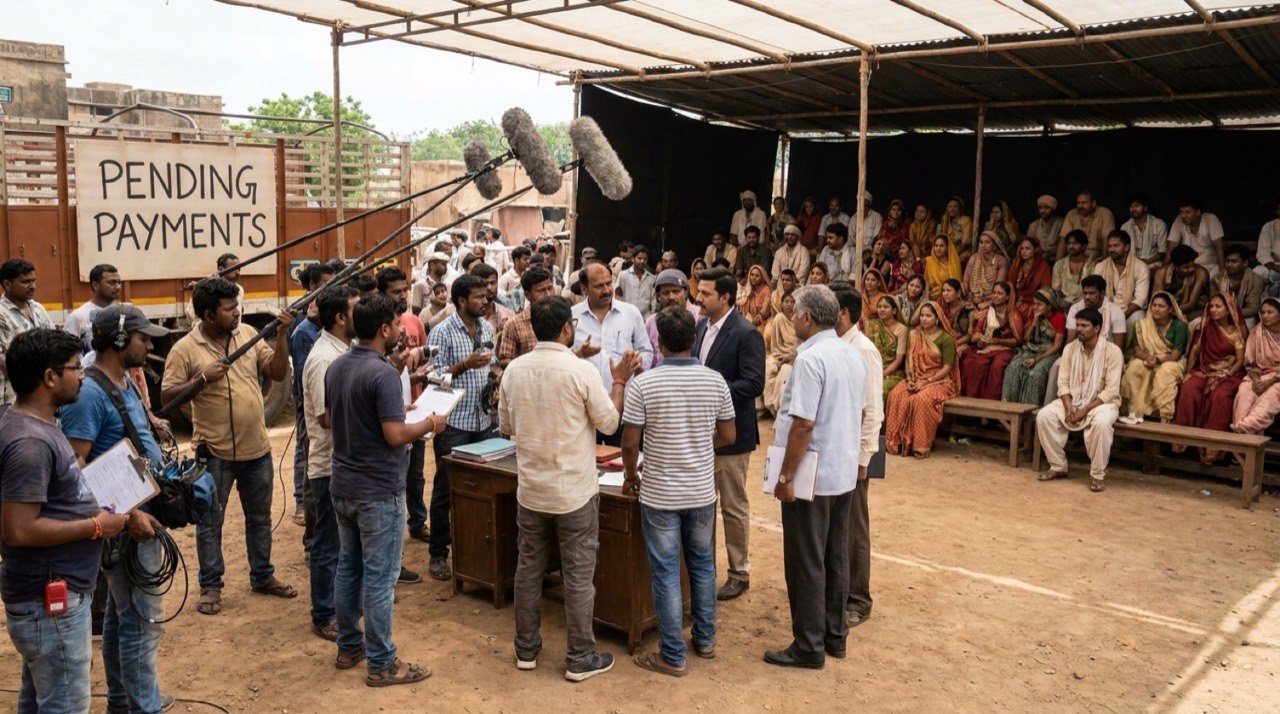
Bollywood's Pay Hierarchy: New Account Renews Focus on Delayed Wages for Crew and Junior Artistes
A fresh interview about Bollywood's on-set hierarchy has reignited debate over unequal facilities, separate food categories and payment cycles that can stretch to months for smaller workers.
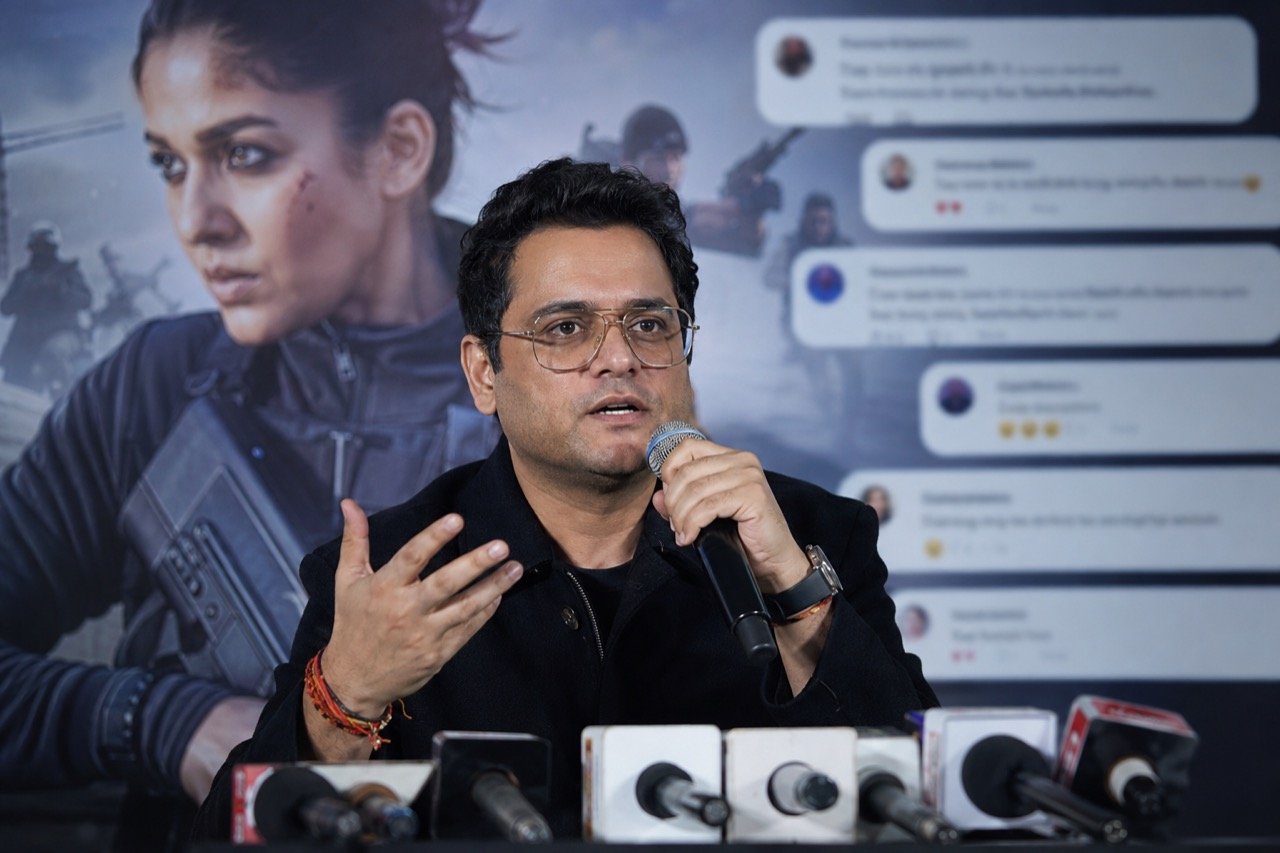
Karan Johar's Alpha Defence Puts Bollywood Trolling Back in Focus
Karan Johar's reported defence of Alia Bhatt's Alpha has widened the film's release conversation from box-office numbers to a bigger question: how Bollywood should handle relentless online negativity.

'Cocktail 2' Sets June 19 Release As Trailer Splits Opinion
Homi Adajania's follow-up to the 2012 hit pairs Shahid Kapoor with Kriti Sanon and Rashmika Mandanna, and its trailer has divided viewers ahead of release.
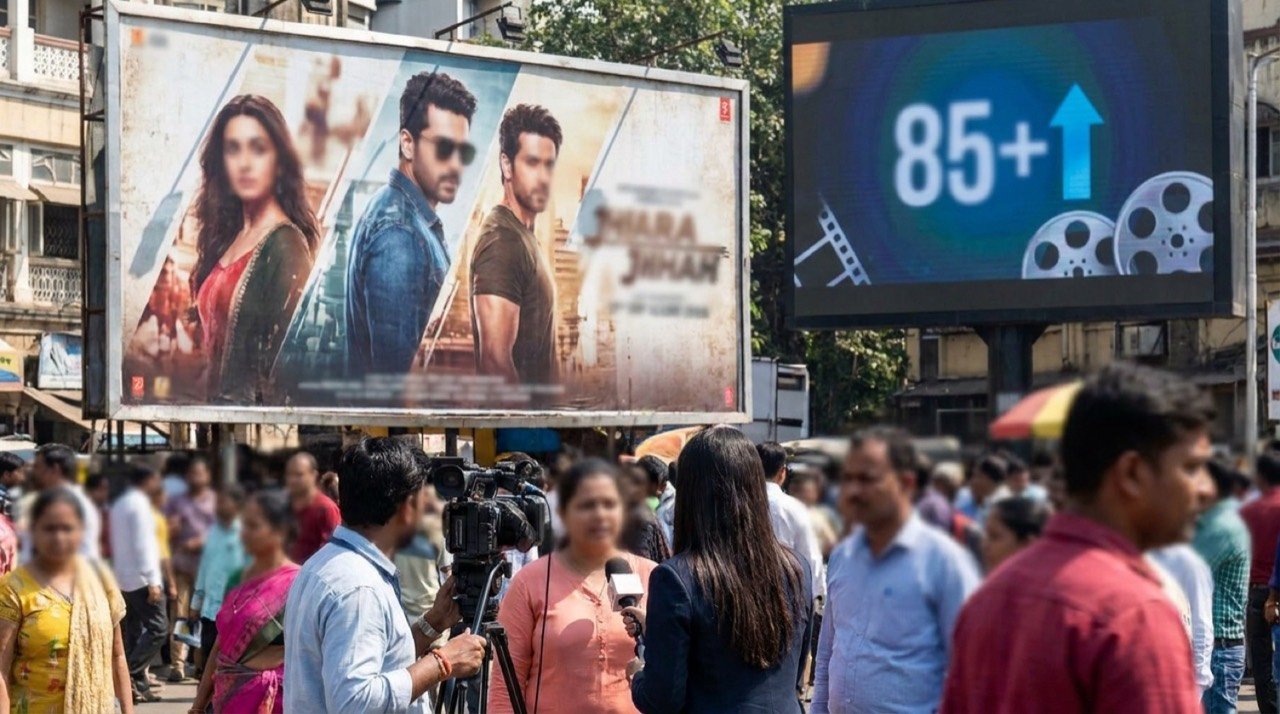
Cocktail 2 Crosses Rs 85 Crore Worldwide After First Monday Drop
The Shahid Kapoor, Kriti Sanon and Rashmika Mandanna starrer crossed about Rs 85 crore worldwide after its first Monday, with weekday stability now the decisive test of its run.
More from this section
More
72nd National Film Awards: Fans Back Mammootty, Allu Arjun, Sai Pallavi
Speculation around the 72nd National Film Awards is intensifying as fan communities across India's language film industries champion favourites including Mammootty, Allu Arjun and Sai Pallavi ahead of any official announcement.

Aamir Khan Marries Gauri Spratt in Private Pali Hill Ceremony
Aamir Khan and Gauri Spratt tied the knot at the actor's Pali Hill home in Mumbai on July 5, turning a deliberately small family ceremony into Bollywood's biggest story of the day.
Akanksha Chamola's Lock Upp 2 Confession Sets Reality TV Abuzz
A personal revelation by Akanksha Chamola ahead of Lock Upp 2 has handed the reality show a viral talking point, underlining how confession-driven formats continue to dominate Indian television conversation.