Karan Johar's Alpha Defence Puts Bollywood Trolling Back in Focus
Karan Johar's reported defence of Alia Bhatt's Alpha has widened the film's release conversation from box-office numbers to a bigger question: how Bollywood should handle relentless online negativity.
Commentary & Analysis ·
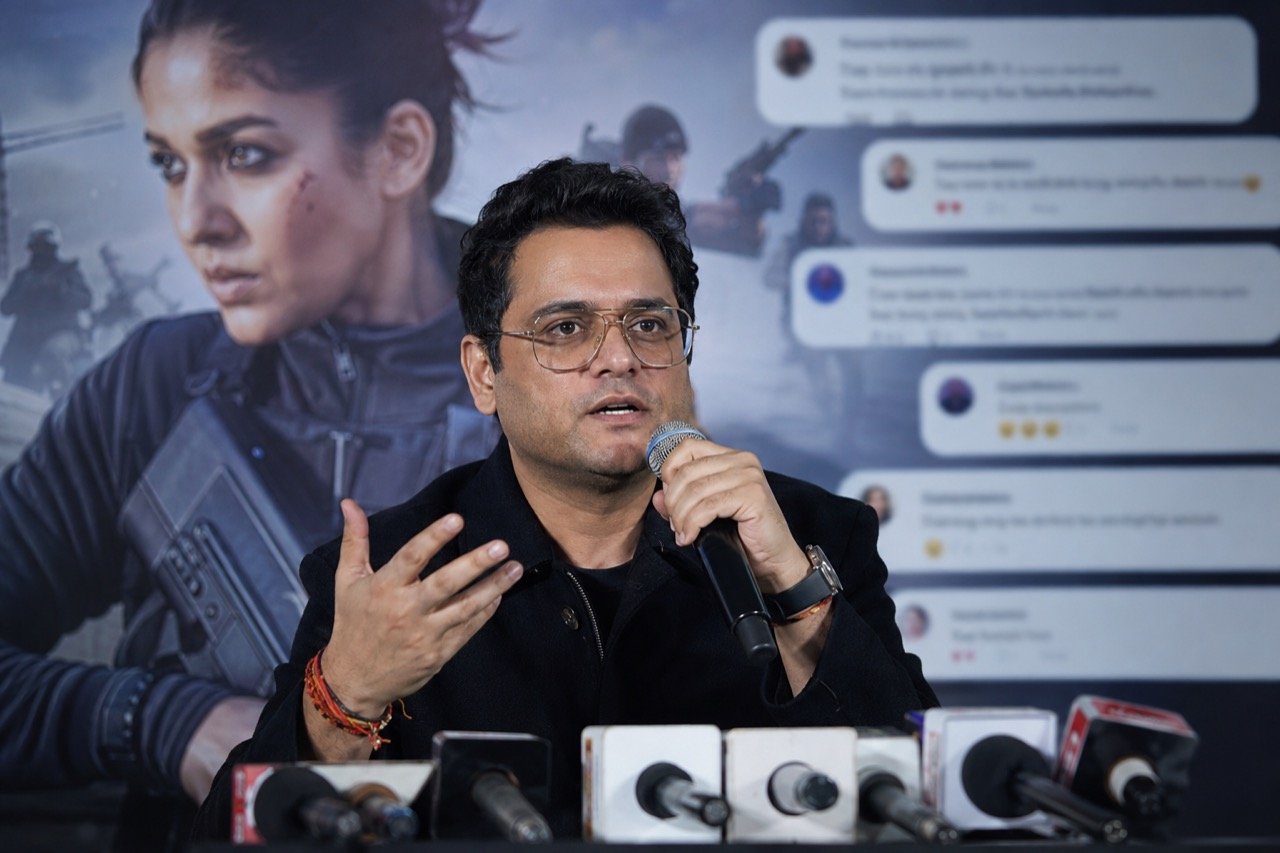
Karan Johar's reported defence of Alia Bhatt's Alpha has shifted the film's release-weekend conversation beyond opening figures and into a question Bollywood keeps circling back to: what should the industry do about online negativity? Alpha, which pairs Alia Bhatt with Sharvari in a female-led action outing, was already one of the most closely watched releases of the season. Johar's comments have given the discussion a sharper industry edge, and in doing so have turned a single film's release into a referendum on how Hindi cinema now conducts its arguments in public.
Why Johar is speaking up
The curiosity around the story is straightforward. Readers want to know why Johar has weighed in, how Alpha is faring in the public conversation, and whether social media criticism is denting the reception of a major YRF spy-universe title. The reality resists a simple praise-versus-criticism framing: a film can draw strong audience interest while simultaneously attracting harsh commentary online, and Alpha appears to be doing both. That duality is precisely what makes Johar's intervention newsworthy rather than routine. A producer or industry figure stepping in to defend a film mid-release signals that the commentary has moved past ordinary critical reaction and into territory the industry considers worth contesting publicly.
It is worth pausing on what such an intervention actually achieves. When a filmmaker of Johar's standing responds to online criticism, it does two things simultaneously: it validates that the criticism has reached a scale worth noticing, and it invites even more attention to the very debate it seeks to close down. This is the paradox at the heart of nearly every celebrity rebuttal to trolling — the defence becomes its own headline, often eclipsing the discussion of the film's craft, performances or box-office trajectory that would otherwise dominate release-weekend coverage.
The stakes for female-led action
Alpha carries weight beyond its own numbers because it puts women at the centre of a franchise space long coded as male. That makes every reaction to it unusually visible. Supporters read the film as proof of scale for Bhatt and Sharvari; detractors measure it against established franchise expectations; trade observers are watching whether the experiment genuinely expands the market for female-led action in Hindi cinema. In other words, Alpha is being asked to answer a question that male-led franchise instalments are rarely burdened with: not simply whether the film works, but whether the category it represents can sustain itself commercially and critically over time.
This asymmetry matters. A misstep in a well-established male-led franchise is typically absorbed as one uneven instalment among many. A misstep — real or perceived — in a female-led action franchise risks being read as evidence against the entire premise that women can anchor this genre at scale. That heavier burden of proof is part of what makes online criticism of Alpha feel, to its defenders, less like ordinary film discourse and more like an attempt to undermine a broader industry experiment before it has had a fair run.
A wider industry pattern
Johar's intervention also fits a wider pattern. Producers, directors and actors increasingly push back against online pile-ons, not just to defend a single film but to challenge the tone of the debate itself. The industry has grown acutely sensitive to social media cycles in which memes, fan wars and targeted criticism can fix a film's image before casual viewers have made up their own minds. What was once left to critics and word-of-mouth now unfolds in real time across platforms where a handful of viral posts can shape perception within hours of a release.
This has produced a defensive reflex across the industry: studios monitor sentiment continuously, publicists prepare rebuttal strategies alongside marketing plans, and stars are increasingly expected to respond personally to criticism rather than let it pass. The result is an entertainment ecosystem where managing perception has become almost as resource-intensive as making the film itself, and where a single vocal online faction can force a response from people who would once have stayed above the fray.
Where criticism becomes something else
None of this makes criticism illegitimate. Audiences are entitled to dislike a film, question casting choices or argue over creative decisions. The line is crossed when commentary turns personal, abusive or detached from the work itself — and that distinction is precisely what makes the Alpha debate relevant well beyond one movie. Legitimate critique addresses the writing, direction, action choreography or performances; it can be harsh without being cruel. What Johar and others appear to be objecting to is something else: commentary aimed at the actors themselves, often recycling unrelated controversies or personal grievances that have nothing to do with the film's quality.
The difficulty, of course, is that the boundary between the two is rarely obvious in the moment, and both sides of any online argument tend to insist the other has crossed it. Defenders of a film can be too quick to label all criticism as trolling, just as some critics can be too quick to dismiss legitimate defence as industry damage control. The release story now runs on two tracks: the film's commercial performance, and the industry's reaction to the climate in which big films are judged. Neither track can be fully understood without the other.
What to watch next
The coming weeks will offer a clearer picture on several fronts. Alpha's box-office trajectory beyond its opening weekend will show whether the online noise has translated into any measurable effect on ticket sales, or whether — as is often the case — the loudest voices online represent a small, unrepresentative slice of the audience. Trade commentary will also test whether Alpha's performance is read industry-wide as a data point for or against future female-led action projects, which carries implications for how studios greenlight similar films going forward. And it remains to be seen whether Johar's defence prompts other industry figures to speak more openly about the tone of online discourse, or whether this settles back into the familiar cycle of criticism, rebuttal and the next release taking over the conversation.
The NE Times View
The instinct to defend a film from trolling is understandable, but Bollywood's real problem is that it has let social media set the terms of every release. When a producer's rebuttal becomes as big a story as the film itself, the noise has already won. The healthier path is the one Alpha quietly represents: keep backing risky, women-led projects until they are ordinary rather than lightning rods. Audiences will settle the argument at the ticket counter, as they always do — and Indian viewers deserve a debate about films that is louder than the one about their trolls. The industry's energy would be better spent building a sturdier pipeline of such films than in refereeing each one's online reception.
Key takeaways
- Karan Johar's defence of Alpha has turned a release-weekend story into a wider debate about online negativity in Bollywood.
- Alpha, pairing Alia Bhatt and Sharvari in a female-led YRF spy-universe title, faces heightened scrutiny precisely because it centres women in a traditionally male-coded genre.
- Industry figures are increasingly pushing back against social media pile-ons, reflecting growing sensitivity to how quickly online sentiment can shape a film's public image.
- Legitimate criticism of creative choices is distinct from personal or abusive commentary, and that distinction is central to why this debate matters beyond one film.
- The lasting measure of Alpha's impact will be whether female-led action becomes a sustained industry category rather than a repeatedly contested exception.
You may also like to read
Karan Johar Backs Alpha's Strong Start as Trolls Circle Online
Karan Johar's public praise for the Alia Bhatt-led Alpha has become part of the film's opening-weekend story, unfolding alongside box office tracking, fan celebration and a wave of online criticism.

Alia Bhatt and Sharvari's Alpha Song Tease Sets Off a Fan Frenzy
A surprise live session in which Alia Bhatt and Sharvari previewed an unreleased Alpha track has fans clipping, replaying and demanding a full release, showing how fan discovery now drives Bollywood film promotion.
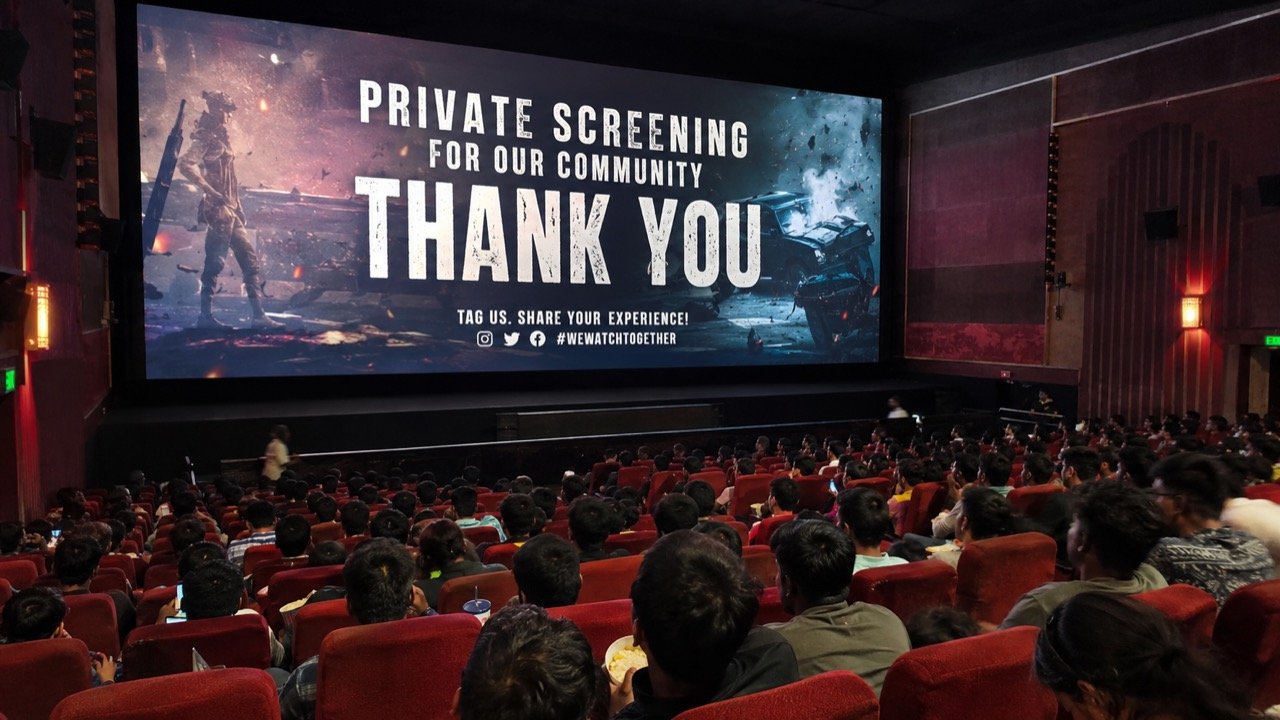
Samay Raina Books Entire Theatre for Alpha: Creator Buzz Meets Bollywood
Comedian Samay Raina reportedly booked an entire theatre to watch Alia Bhatt and Sharvari's spy thriller Alpha with fans, spotlighting how India's creator economy now shapes opening-weekend box-office buzz.

Alpha's Real-Life Heroes Campaign Rewrites the Bollywood Playbook
The publicity drive for the Alia Bhatt and Sharvari actioner has drawn attention by celebrating everyday Indians known for courage and leadership, stretching film marketing beyond trailers, songs and star interviews.
More from this section
More
72nd National Film Awards: Fans Back Mammootty, Allu Arjun, Sai Pallavi
Speculation around the 72nd National Film Awards is intensifying as fan communities across India's language film industries champion favourites including Mammootty, Allu Arjun and Sai Pallavi ahead of any official announcement.

Aamir Khan Marries Gauri Spratt in Private Pali Hill Ceremony
Aamir Khan and Gauri Spratt tied the knot at the actor's Pali Hill home in Mumbai on July 5, turning a deliberately small family ceremony into Bollywood's biggest story of the day.

Akanksha Chamola's Lock Upp 2 Confession Sets Reality TV Abuzz
A personal revelation by Akanksha Chamola ahead of Lock Upp 2 has handed the reality show a viral talking point, underlining how confession-driven formats continue to dominate Indian television conversation.