Alpha's Real-Life Heroes Campaign Rewrites the Bollywood Playbook
The publicity drive for the Alia Bhatt and Sharvari actioner has drawn attention by celebrating everyday Indians known for courage and leadership, stretching film marketing beyond trailers, songs and star interviews.
Commentary & Analysis ·
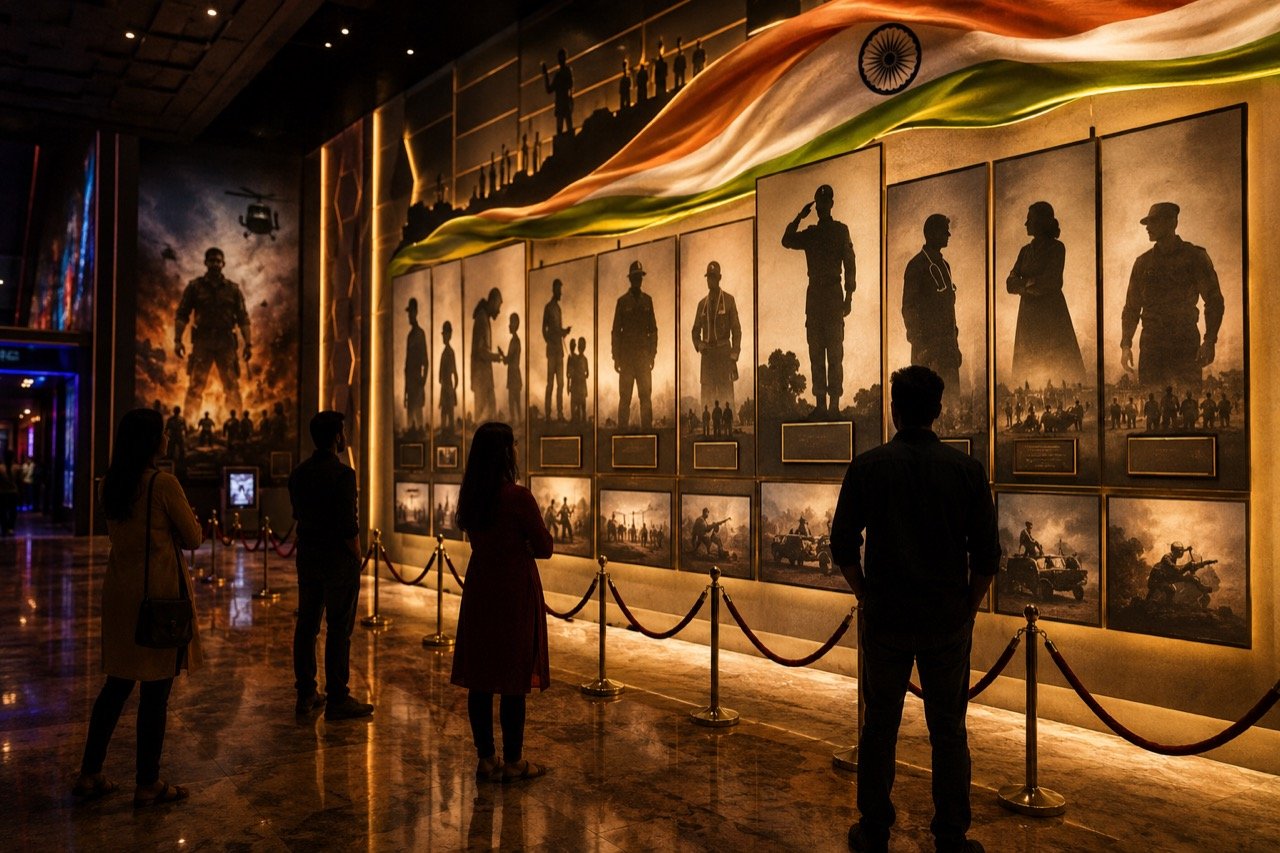
Alpha's release campaign has produced an entertainment story of its own by spotlighting real-life heroes rather than leaning solely on star-led publicity. Times of India reported that the campaign honoured individuals associated with strength, resilience and leadership, using the film's title idea as a bridge between cinema and public recognition. On the surface, this looks like just another promotional flourish attached to a big-ticket Bollywood release. Looked at more closely, it is a small but telling signal of how Indian film marketing is trying to widen its vocabulary beyond trailers and star power, at a moment when audiences have more entertainment choices, and more scepticism about manufactured hype, than ever before.
Breaking from the standard playbook
Big Bollywood campaigns usually run on predictable rails: trailer launches, song drops, city tours and celebrity interviews. Alpha has all of those mainstream ingredients, but the real-heroes angle gives its publicity a more socially resonant frame, letting the film talk about courage outside its fictional spy world. This is a deliberate widening of the promotional net. Instead of asking audiences to invest only in the mythology of a spy franchise, the campaign borrows the credibility of real people's stories to make the film's themes feel grounded rather than purely escapist. For a studio, this is also a practical calculation: in a market where multiple big releases compete for the same weekend, a campaign that can be discussed on its own terms, separate from box office arithmetic, buys extra attention.
It is worth noting what this shift implies about the audience Bollywood is now courting. A generation raised on social media is accustomed to narratives that blend entertainment with some claim to substance, whether that is a cause, a community story or a message of resilience. Alpha's marketing team appears to have read this correctly: a campaign built solely around action set-pieces and celebrity glamour risks feeling dated, even if the film itself performs well creatively.
Cinema's action vocabulary, repurposed
The invitation to audiences is subtle but deliberate. Viewers are being asked to associate the film's action vocabulary, grit, leadership, standing firm, with everyday acts of bravery, not just stunts and spectacle from the YRF spy universe. This is a familiar marketing technique in principle: taking the emotional register of a film and mapping it onto real-world equivalents so that the film feels bigger than its own runtime. What makes this instance noteworthy is the direction of the borrowing. Rather than using real heroism merely as a metaphor for on-screen heroics, the campaign at least gestures toward reversing the flow, using the film's platform to put a spotlight back onto the real people whose stories inspired the framing in the first place.
That reversal, if genuine, is where the campaign has the potential to do something more than sell tickets. It suggests film marketing can, in limited ways, function as a distribution mechanism for public recognition, using the reach of a major release to bring attention to individuals who would otherwise never appear in national media coverage.
The line between tribute and tokenism
Campaigns of this kind must be handled with care, because real people's stories should never be reduced to decorative marketing. The stronger version of the strategy gives those stories respect, visibility and context; done well, it widens the conversation around a commercial film without making inflated claims of social impact. The weaker version, and the risk that shadows any campaign built on real testimony, is that individuals become props in a promotional cycle, invoked for a news cycle and then quietly dropped once the marketing calendar moves on to the next release.
This tension is not unique to Alpha or to Indian cinema. Brands and studios worldwide have periodically reached for "real people, real stories" campaigns, and the ones that endure in public memory are those that pair the storytelling with some durable follow-through, whether that is continued visibility, material support or an ongoing platform. The ones that are quickly forgotten are those where the emotional payoff was extracted for a launch window and nothing more. Where Alpha's campaign lands on that spectrum will depend on choices the studio and its publicity partners make well after the film has left cinemas.
Marketing in a crowded attention economy
The push also illustrates how film marketing is adapting to a crowded attention economy. A movie now needs a theme that can travel across interviews, short videos, social posts and news coverage, and Alpha's real-heroes hook has given the release exactly that extra surface area, even if its effect on ticket sales is hard to measure. This is worth dwelling on, because it points to a structural change in how films are sold in India. It is no longer enough to generate a single viral trailer moment or a chartbuster song; the promotional cycle now needs a theme flexible enough to be repackaged across formats, each with its own audience and its own algorithmic logic. A human-interest angle, unlike a stunt reveal or a song teaser, has the advantage of being retellable in long-form interviews, short clips and text journalism alike, which is precisely why it has become an attractive tool for studios trying to stretch a single campaign across many channels.
Whether this translates into box office returns is a separate question, and one that is inherently difficult to isolate from other factors, star cast, release timing, competing films and word of mouth all shape opening numbers far more directly than a single marketing theme. What the real-heroes campaign more plausibly buys is column inches, goodwill and a talking point that outlasts the opening weekend news cycle, which is itself a valuable, if less quantifiable, currency for a studio managing a big release.
The NE Times View
Alpha's campaign points to a maturing instinct in Bollywood marketing: audiences, especially younger ones, respond to meaning as much as spectacle. That is a reasonable strategic bet, and one that other studios are likely to watch closely as they plan their own release campaigns. But the test of such campaigns is what happens after opening weekend, whether the honoured individuals get lasting recognition or vanish once the box office story takes over. A campaign that photographs well but disappears from view the moment the film's theatrical run ends will, in hindsight, look like the tokenism the strategy was meant to avoid.
Indian studios would do well to treat these tie-ups as commitments rather than photo opportunities. That means thinking beyond the launch window: continued acknowledgement, support structures, or at minimum, a clear and public accounting of what was promised to the individuals involved and what was delivered. If the industry keeps that faith, cinema publicity could become a small but genuine platform for civic recognition in India, one where the machinery of a commercial release is occasionally put to use in service of stories that would not otherwise reach a national audience. That would be a modest but meaningful evolution for an industry often criticised for prioritising spectacle over substance.
Key takeaways
- Alpha's campaign departs from the standard Bollywood publicity playbook by spotlighting real-life heroes alongside trailers, songs and celebrity interviews.
- The strategy borrows the film's action vocabulary, grit, leadership, standing firm, to link cinematic themes with everyday acts of bravery.
- Such campaigns carry a real risk of tokenism if real people's stories are used for promotional visibility without lasting recognition or follow-through.
- The approach also reflects a broader shift in film marketing toward themes that can travel across interviews, social media and news coverage in a crowded attention economy.
- The lasting value of the campaign will be judged not by opening weekend coverage but by whether the honoured individuals receive continued recognition once the box office narrative moves on.
You may also like to read

Alpha Box Office Day 1: Alia Bhatt Spy Film Opens at Rs 9 Crore
Alpha, the Alia Bhatt and Sharvari-led entry in the YRF spy universe, has opened to roughly Rs 9 crore net in India, a modest start that puts the spotlight on weekend growth and word of mouth.

Alia Bhatt and Sharvari's Alpha Song Tease Sets Off a Fan Frenzy
A surprise live session in which Alia Bhatt and Sharvari previewed an unreleased Alpha track has fans clipping, replaying and demanding a full release, showing how fan discovery now drives Bollywood film promotion.
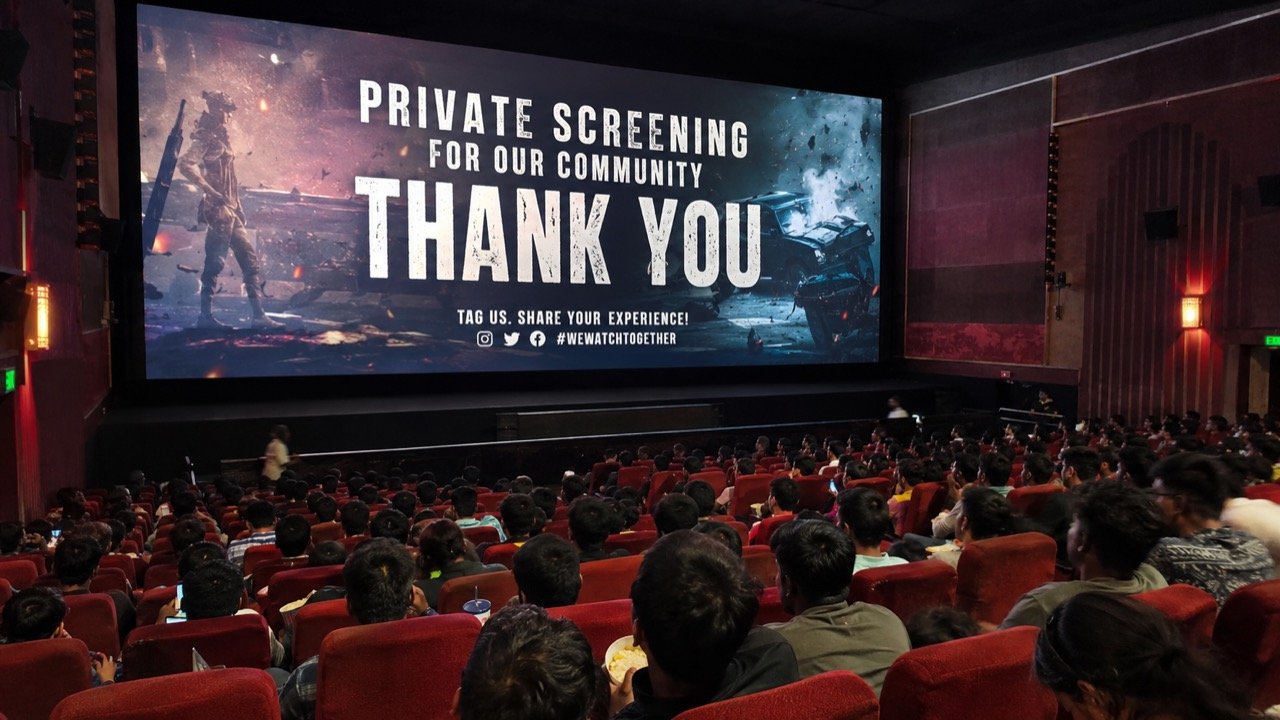
Samay Raina Books Entire Theatre for Alpha: Creator Buzz Meets Bollywood
Comedian Samay Raina reportedly booked an entire theatre to watch Alia Bhatt and Sharvari's spy thriller Alpha with fans, spotlighting how India's creator economy now shapes opening-weekend box-office buzz.
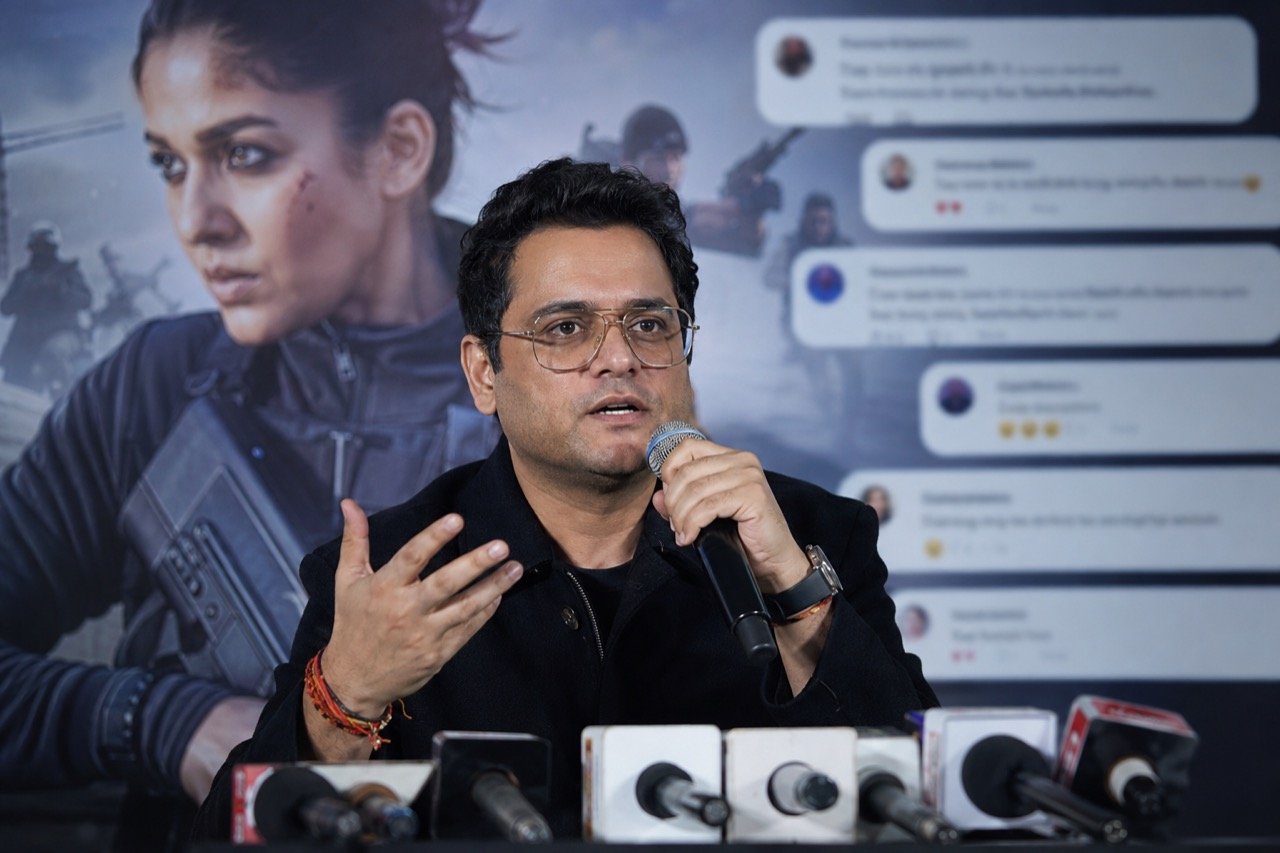
Karan Johar's Alpha Defence Puts Bollywood Trolling Back in Focus
Karan Johar's reported defence of Alia Bhatt's Alpha has widened the film's release conversation from box-office numbers to a bigger question: how Bollywood should handle relentless online negativity.
More from this section
More
72nd National Film Awards: Fans Back Mammootty, Allu Arjun, Sai Pallavi
Speculation around the 72nd National Film Awards is intensifying as fan communities across India's language film industries champion favourites including Mammootty, Allu Arjun and Sai Pallavi ahead of any official announcement.

Aamir Khan Marries Gauri Spratt in Private Pali Hill Ceremony
Aamir Khan and Gauri Spratt tied the knot at the actor's Pali Hill home in Mumbai on July 5, turning a deliberately small family ceremony into Bollywood's biggest story of the day.

Akanksha Chamola's Lock Upp 2 Confession Sets Reality TV Abuzz
A personal revelation by Akanksha Chamola ahead of Lock Upp 2 has handed the reality show a viral talking point, underlining how confession-driven formats continue to dominate Indian television conversation.