Karan Johar Backs Alpha's Strong Start as Trolls Circle Online
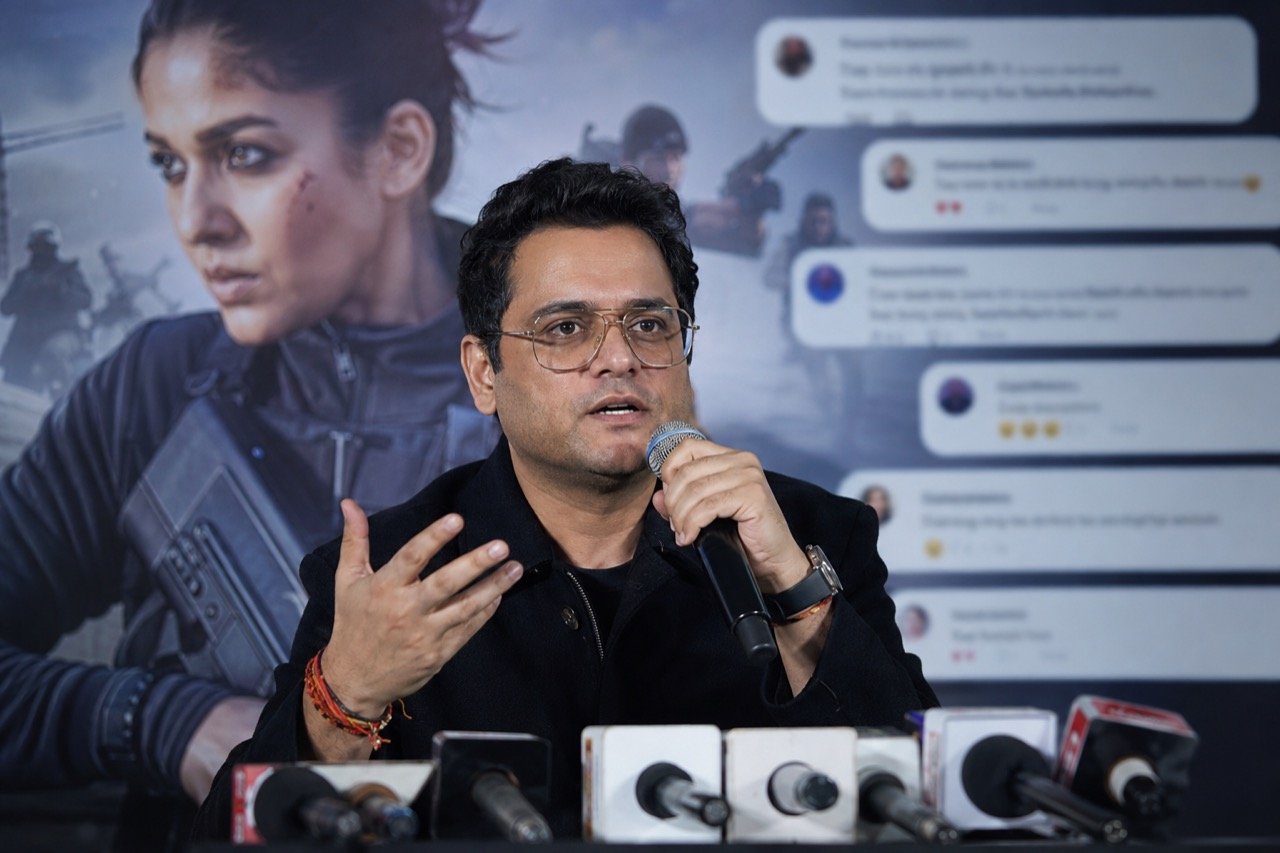
Karan Johar's public praise for the Alia Bhatt-led Alpha has become part of the film's opening-weekend story, unfolding alongside box office tracking, fan celebration and a wave of online criticism.
Commentary & Analysis ·
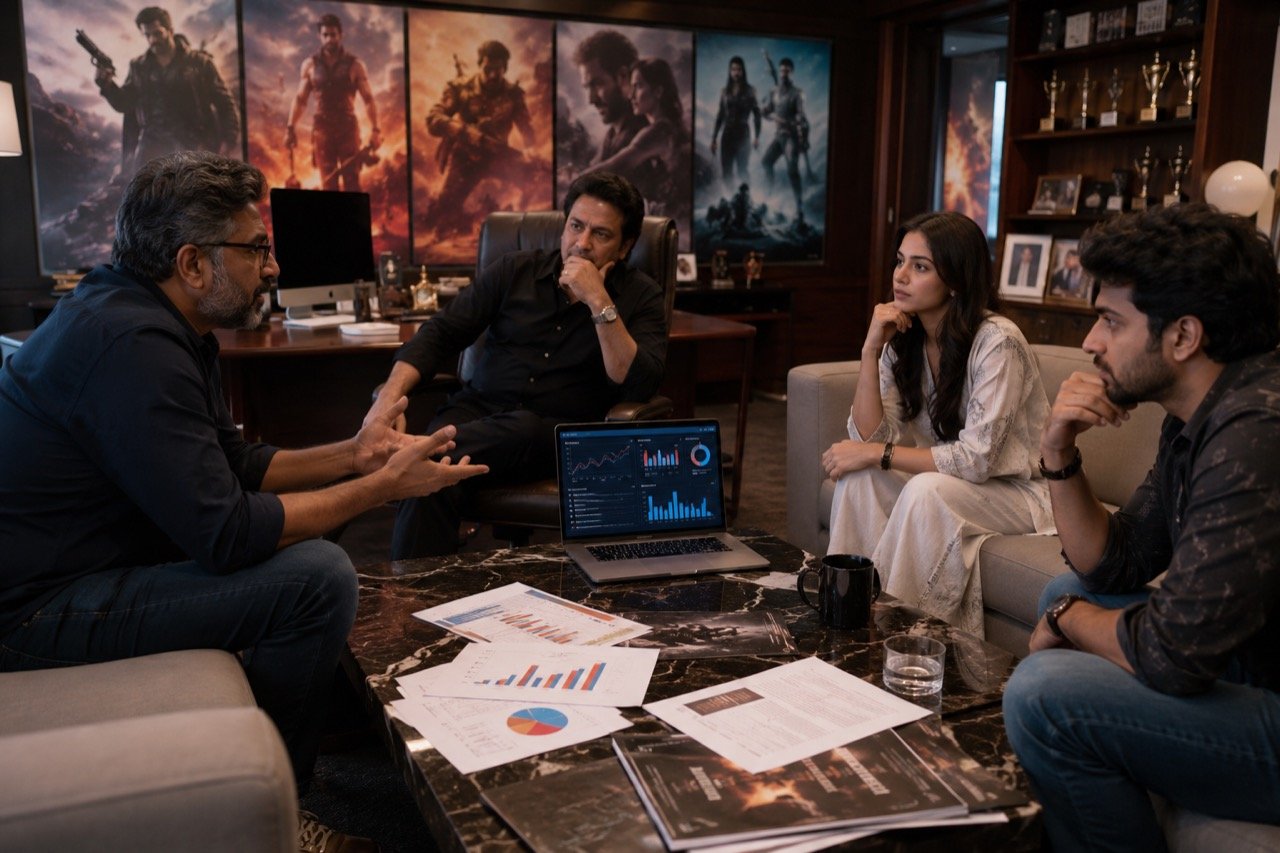
Alpha's opening weekend has delivered the mix that now defines every major Bollywood release: trade numbers, fan praise, criticism and industry reactions all arriving at once, in real time, and demanding to be read together rather than separately. NDTV's entertainment coverage highlighted Karan Johar cheering the Alia Bhatt-led film's solid start amid intense trolling, and that endorsement has become a visible thread in how the film's release is being narrated online. It is worth pausing on why a single filmmaker's comment carries enough weight to become a story in itself, and what that says about the state of Hindi film discourse in 2026.
What an industry endorsement actually does
A filmmaker's public backing does not decide a film's fate. Box office collections are ultimately determined by ticket-buyers, not by peer commentary. But an endorsement of this kind can shape the tone of conversation around a release, and tone matters in an ecosystem where perception often moves faster than verified numbers. When a prominent name like Johar weighs in, the reaction itself becomes part of the social media cycle: fans treat it as validation of the film's quality or of Bhatt's choices, critics question the motive behind the timing of such support, and neutral audiences simply register that the industry is watching and responding. In other words, the endorsement does not settle the argument about Alpha; it adds another voice to it, and that voice gets amplified precisely because Johar is a recognisable industry figure with reach across both trade circles and fan communities.
This matters because Bollywood's promotional cycles have increasingly come to rely on exactly this kind of amplification. A film's box office fate used to be reported after the fact, largely through trade figures. Now, the running commentary — endorsements, criticism, counter-criticism — is treated as part of the release event itself, shaping how audiences who have not yet watched the film decide whether to engage with it at all, whether by buying a ticket or simply by joining the online conversation.
A film performing in two markets at once
Alpha was already carrying several talking points before release. Alia Bhatt's pivot to action cinema marks a departure from the roles that built her career, and how that pivot is received matters for the kinds of parts offered to leading actresses going forward. Sharvari's franchise visibility, riding on the YRF spy universe banner, raises the profile of the film beyond a single lead. And there is the larger, more structural question hovering over the release: whether women-led action can work at scale in the Indian market, a question the industry has asked repeatedly without a settled answer.
Online criticism adds another layer on top of these existing storylines. Modern Hindi film releases increasingly have to perform at the ticket counter and on the timeline simultaneously, and the two performances are not always aligned. A film can dominate the conversation on social media, for better or worse, while its actual collections tell a more modest story, or vice versa. Times of India's tracking put Alpha's day-one worldwide earnings above Rs 15 crore, a number that on its own indicates a workable but not extraordinary opening, one that will need context from the days that follow to be properly assessed.
Attention as its own currency
The surge of searches around Johar's reaction, the trolling directed at Bhatt, and interest in Alpha's box office numbers together show audiences following not just the film but the conversation about the film. This is a dynamic that can sustain visibility through a weekend even when opinion is sharply divided. In some respects, controversy and endorsement function as complementary engines: one keeps critics engaged, the other keeps supporters engaged, and both keep the film's name circulating in searches, feeds and headlines. Whether that sustained attention converts into sustained ticket sales is a separate question, and one that only the film's second-weekend and weekday numbers can answer.
This is not a new phenomenon in Indian cinema, but the speed and intensity have changed. Where once a film might have absorbed a mixed critical reception over weeks, now the same range of reactions plays out within hours of release, compressed into trending topics and hashtag debates that can feel disproportionate to the actual box office trajectory underneath them.
Reading the signals without over-reading them
A neutral reading remains the sensible one here. Johar's cheer is not proof of quality, and trolling is not proof of failure; both are signals in a noisy ecosystem, generated by people with varying degrees of stake in the outcome, from genuine fans to industry insiders to those simply participating in the discourse for its own sake. The durable measures that will actually determine Alpha's commercial and cultural standing will be word of mouth and how collections hold after the opening burst, rather than any single day's headlines or any single filmmaker's remarks.
For Bhatt specifically, the stakes extend beyond this one release. An action pivot that holds up commercially could open a new phase of roles; one that does not could see the industry retreat to safer casting patterns for actresses attempting similar transitions. For Sharvari and the YRF spy universe, Alpha's performance will also inform decisions about how aggressively the franchise expands and how central women-led entries remain within it.
The NE Times View
The Alpha weekend is a case study in how Bollywood releases now live three lives at once — as films, as business events and as social media battlegrounds. The risk for Indian cinema is that manufactured outrage and manufactured cheerleading start to drown out the only verdict that matters: whether ordinary ticket-buyers return in week two. Readers are better served treating both celebrity endorsements and troll pile-ons as noise, and watching the Monday numbers instead. If women-led action is to become a durable genre in India, it will be built on holds, not hashtags. The industry, the audience and the actors involved all have something riding on which of these — the noise or the numbers — ultimately proves the more accurate predictor.
Key takeaways
- Karan Johar's public backing of Alpha has become part of the release's news cycle, though it neither confirms the film's quality nor guarantees its commercial success.
- Alpha entered release carrying multiple narratives at once: Alia Bhatt's action pivot, Sharvari's franchise visibility, and the broader question of whether women-led action can succeed at scale in India.
- Day-one worldwide earnings were tracked above Rs 15 crore by Times of India, a starting point that requires weekday and second-weekend figures for proper context.
- Online endorsement and criticism function as parallel engines sustaining visibility, but attention on social media is not a reliable proxy for box office performance.
- The real test for Alpha, and for the viability of women-led action as a genre, lies in whether collections hold in the weeks after the opening burst, not in the surrounding online debate.
You may also like to read
Karan Johar's Alpha Defence Puts Bollywood Trolling Back in Focus
Karan Johar's reported defence of Alia Bhatt's Alpha has widened the film's release conversation from box-office numbers to a bigger question: how Bollywood should handle relentless online negativity.

Alpha Box Office Day 1: Alia Bhatt Spy Film Opens at Rs 9 Crore
Alpha, the Alia Bhatt and Sharvari-led entry in the YRF spy universe, has opened to roughly Rs 9 crore net in India, a modest start that puts the spotlight on weekend growth and word of mouth.

Alpha Opens to Mixed Reviews as YRF Bets on Female Spies
Alia Bhatt and Sharvari's spy actioner Alpha has landed in theatres with high visibility but divided critics, leaving weekend word of mouth to decide whether the YRF Spy Universe's female-led gamble pays off.

Alpha's Real-Life Heroes Campaign Rewrites the Bollywood Playbook
The publicity drive for the Alia Bhatt and Sharvari actioner has drawn attention by celebrating everyday Indians known for courage and leadership, stretching film marketing beyond trailers, songs and star interviews.
More from this section
More
72nd National Film Awards: Fans Back Mammootty, Allu Arjun, Sai Pallavi
Speculation around the 72nd National Film Awards is intensifying as fan communities across India's language film industries champion favourites including Mammootty, Allu Arjun and Sai Pallavi ahead of any official announcement.

Aamir Khan Marries Gauri Spratt in Private Pali Hill Ceremony
Aamir Khan and Gauri Spratt tied the knot at the actor's Pali Hill home in Mumbai on July 5, turning a deliberately small family ceremony into Bollywood's biggest story of the day.

Akanksha Chamola's Lock Upp 2 Confession Sets Reality TV Abuzz
A personal revelation by Akanksha Chamola ahead of Lock Upp 2 has handed the reality show a viral talking point, underlining how confession-driven formats continue to dominate Indian television conversation.