Bollywood's Pay Hierarchy: New Account Renews Focus on Delayed Wages for Crew and Junior Artistes
A fresh interview about Bollywood's on-set hierarchy has reignited debate over unequal facilities, separate food categories and payment cycles that can stretch to months for smaller workers.
Commentary & Analysis ·
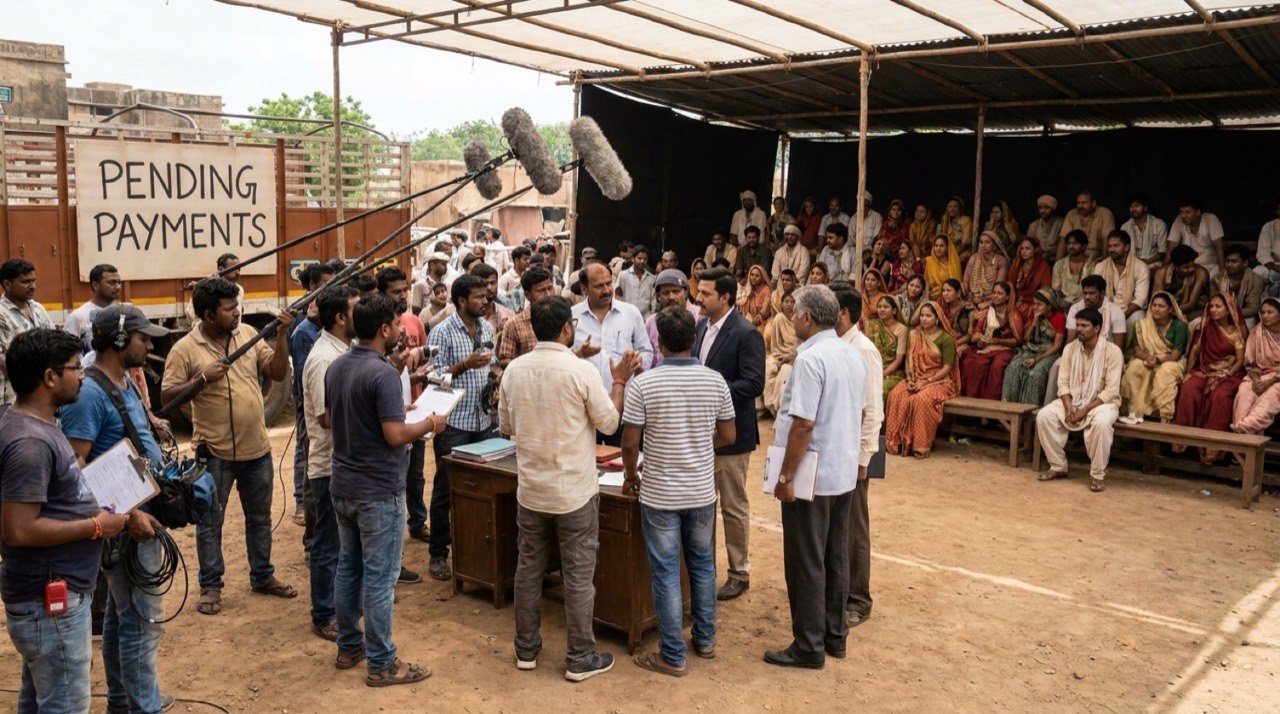
A fresh interview about Bollywood's on-set hierarchy has revived a long-running conversation about how character actors, junior artistes and crew are treated in the Hindi film industry. The account described separate food categories, unequal access to basic facilities and payment cycles that can stretch to months for those working outside the star system, turning what might read as gossip into a serious question about workplace fairness. That the claims emerged almost incidentally, in the course of a routine promotional conversation, is itself telling: these arrangements are apparently ordinary enough on Bollywood sets that they surface without much prompting, rather than being treated as scandal.
Beyond the headline glamour
Film sets are often portrayed as glamorous, but they are also workplaces with steep internal hierarchies. The latest account points to a graded experience in which the comfort, food and amenities available to a person can depend heavily on where they sit in the production's pecking order. For supporting actors, daily-wage technicians and background performers, these differences are not symbolic. They shape working conditions during long shoot days and reflect a wider imbalance in bargaining power between marquee names and everyone else on set. A star with a vanity van and a background performer sharing a communal food line are, in effect, working two different jobs on the same set, governed by two different sets of expectations, even though both are essential to getting the film made.
This gradation matters because it normalises a two-tier culture in which comfort and dignity are treated as privileges tied to billing rather than baseline entitlements tied to being on payroll at all. Over time, such divisions can harden into an unspoken understanding across the industry that junior artistes and crew are meant to simply accept lesser treatment as the cost of entry, rather than a condition that can or should be renegotiated.
A labour issue, not just a story
The most striking claim concerns money. Payment cycles that extend to months can leave smaller workers carrying the cost of delayed wages while productions move on to the next project. For people without savings buffers or strong representation, such delays can cause real financial strain. This reframes the discussion as a labour question involving contracts, dignity and enforcement, rather than a personality-driven story about individual stars or sets.
It raises whether informal arrangements, common in parts of the industry, leave vulnerable workers without clear recourse when payments are withheld or facilities fall short. Where work is secured through verbal understandings or loosely worded agreements rather than detailed contracts, a worker owed wages for months has little practical leverage to demand payment, and even less appetite to raise the issue publicly for fear of being seen as difficult and losing future work. That asymmetry of power is precisely what allows delayed payment cycles to persist without serious challenge.
Why the imbalance persists
The dynamics described are not new to the industry, but they tend to resurface only when someone with a public platform describes them candidly, as appears to have happened here. Junior artistes and daily-wage crew rarely have unions or collective bargaining structures with the same weight as those representing more established professionals in other industries, and individual workers are seldom in a position to hold a production to account on their own. Meanwhile, productions benefit from an oversupply of labour eager to work in Hindi cinema, which further weakens any single worker's ability to insist on timely payment or better facilities without risking their standing.
This is also why the burden of surfacing such issues so often falls on public accounts like this one rather than on formal grievance mechanisms. When the story of unequal treatment has to be told through an actor's interview rather than a wage dispute resolved through an established process, it is itself evidence that the process is inadequate or largely absent for those lower down the hierarchy.
Pressure for transparency
Industry bodies and production houses now face growing calls to make pay schedules, on-set safety and basic facilities more transparent and consistent. Clear contracts, defined payment timelines and minimum standards are increasingly seen as overdue, not optional. Separate food categories and unequal facilities were described on Bollywood sets. Payment cycles can reportedly stretch to months for smaller workers. The issue centres on contracts, dignity and bargaining power. Junior artistes and crew often lack strong representation. Calls are growing for transparent pay schedules and minimum standards.
Such reforms need not be onerous. Standardised payment timelines, written contracts specifying amenities and wage schedules, and a transparent grievance mechanism would address much of what has been described, without requiring any radical restructuring of how films are financed or produced. The obstacle has rarely been technical feasibility; it has been the absence of sustained pressure to make these changes stick once the news cycle around any particular account has passed.
The NE Times View
The glamour economy runs on the patience of people who cannot afford to be patient. Separate food tiers and months-long payment cycles for crew and junior artistes are not quirks of the trade; they are a labour problem the industry prefers to romanticise away. Stars debating hierarchy is useful only if it forces enforceable payment timelines and contracts. Otherwise it is sympathy without structural change.
Whether this latest account leads to lasting change will depend on whether industry associations and studios translate criticism into enforceable norms. For now, it has reopened a necessary debate about the workers whose names rarely appear above the title but without whom no film gets made. The test, as always, is not whether the industry can express sympathy in the aftermath of a viral interview, but whether it can commit to structures, contracts, timelines and enforcement, that make such interviews unnecessary in the future.
Key takeaways
- A fresh interview describing separate food categories, unequal facilities and months-long payment delays on Bollywood sets has renewed scrutiny of the industry's internal hierarchy.
- Junior artistes, background performers and daily-wage crew bear the brunt of these disparities, often without savings buffers or strong representation to demand timely payment.
- The core issue is one of labour rights, contracts and enforcement rather than mere workplace culture or gossip about individual sets.
- Informal, loosely documented work arrangements leave vulnerable workers with limited recourse when wages are delayed or facilities fall short.
- Lasting change depends on industry bodies and production houses adopting transparent pay schedules, written contracts and minimum standards, not just acknowledging the problem publicly.
You may also like to read
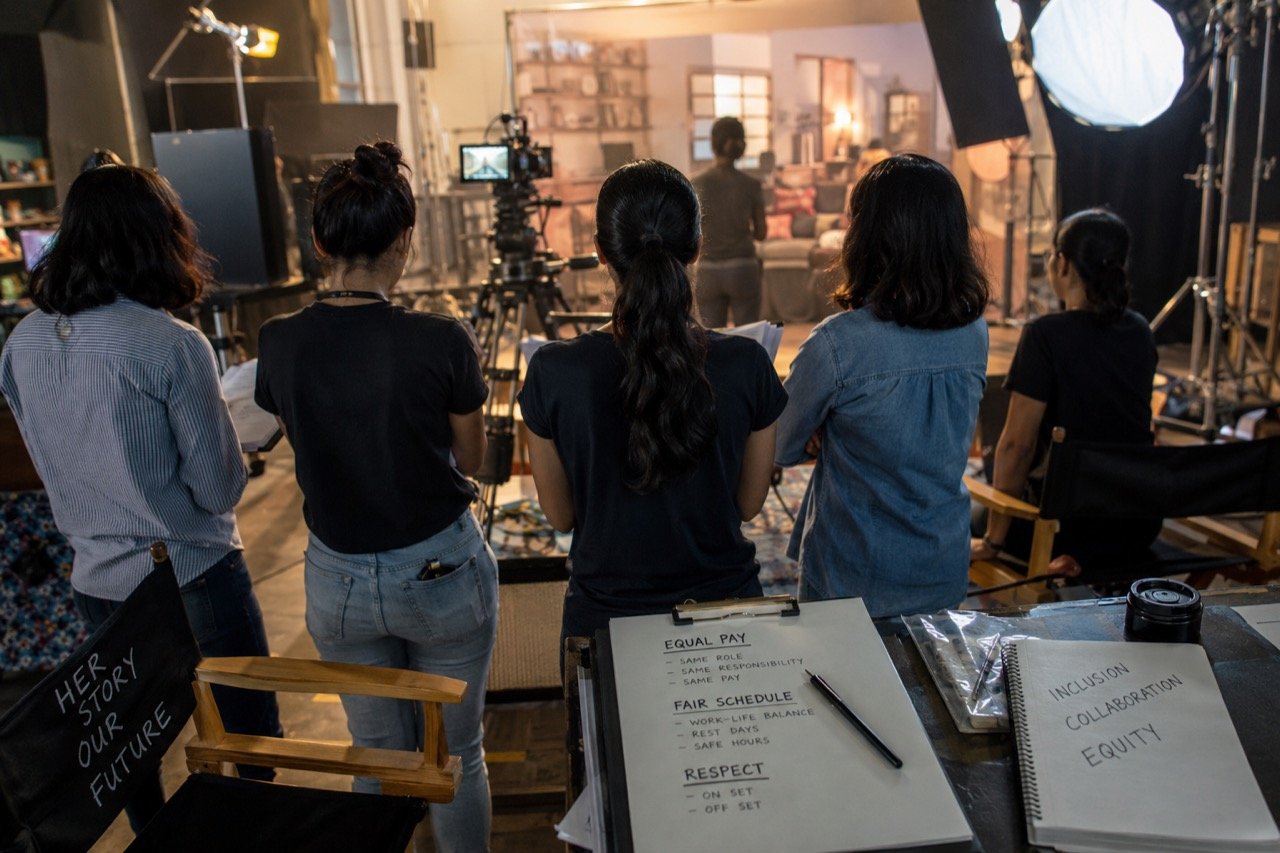
Kriti Sanon's Set Remarks Put Bollywood Gender Equity Back in Focus
Kriti Sanon's comments about female actors being taken for granted on film sets have revived a long-running conversation about pay parity, respect and decision-making power in mainstream Hindi cinema.
Karan Johar's Alpha Defence Puts Bollywood Trolling Back in Focus
Karan Johar's reported defence of Alia Bhatt's Alpha has widened the film's release conversation from box-office numbers to a bigger question: how Bollywood should handle relentless online negativity.

Aamir Khan's quiet July 5 wedding becomes Bollywood's big story
Reports that Aamir Khan has confirmed an intimate July 5 ceremony with Gauri Spratt have captivated Bollywood watchers precisely because the star is choosing privacy over spectacle.

Imran Khan on Andrew Tate: Bollywood Joins Role Model Debate
Imran Khan's blunt remarks about Andrew Tate's appeal to young men, and his credit to Aamir Khan as a positive influence, have pushed a Bollywood interview into a wider conversation about masculinity online.
More from this section
More
72nd National Film Awards: Fans Back Mammootty, Allu Arjun, Sai Pallavi
Speculation around the 72nd National Film Awards is intensifying as fan communities across India's language film industries champion favourites including Mammootty, Allu Arjun and Sai Pallavi ahead of any official announcement.

Aamir Khan Marries Gauri Spratt in Private Pali Hill Ceremony
Aamir Khan and Gauri Spratt tied the knot at the actor's Pali Hill home in Mumbai on July 5, turning a deliberately small family ceremony into Bollywood's biggest story of the day.

Akanksha Chamola's Lock Upp 2 Confession Sets Reality TV Abuzz
A personal revelation by Akanksha Chamola ahead of Lock Upp 2 has handed the reality show a viral talking point, underlining how confession-driven formats continue to dominate Indian television conversation.