Baby Do Die Do Review Buzz: Huma Qureshi Thriller Holds Weekend Spot
Huma Qureshi's assassin drama Baby Do Die Do stays in the weekend release conversation, drawing mixed reviews for its quirky suspense while sharing its window with the franchise-scale Alpha.
Commentary & Analysis ·

Baby Do Die Do has kept Huma Qureshi firmly in the weekend release conversation, pitching itself as an assassin drama with a quirky tonal edge. Hindustan Times reviewed the film as a watchable thriller undercut by how quickly it reveals its secrets, trading sustained suspense for eccentricity. That single line of criticism is worth sitting with, because it captures a recurring tension in genre filmmaking: the appetite to be different, tonally, against the discipline required to keep an audience guessing. A film that shows its hand too early can still entertain, but it forfeits the slow-burn anxiety that assassin dramas typically trade on. Baby Do Die Do appears to have chosen quirk over that suspense, and the reviews reflect the trade-off honestly rather than harshly.
A crowded weekend, a deliberate contrast
The film's bigger challenge is its release window. It arrived in the same weekend as Alpha, a project with franchise scale behind it. In the Hindi film industry, release-date clustering of this kind is common and rarely accidental — studios and distributors calculate that a big-ticket franchise entry will pull audiences into cinemas generally, and smaller films sometimes benefit from that footfall even while competing for the same screens. Qureshi has publicly declined to frame the clash as direct competition, and in truth the two films are courting different audiences — one selling spectacle, the other a performance-led genre experiment. That framing matters commercially as much as it does creatively. A film that positions itself as an alternative to the weekend's biggest release, rather than a rival for the same seats, can survive comparisons that would otherwise be unflattering.
Standing apart in a crowded weekend
Where Alpha leans on established branding, Baby Do Die Do relies on quirk, suspense and a central Qureshi turn. This is a familiar positioning for mid-scale Hindi cinema: when a film cannot compete on scale, marketing budget or franchise recognition, its case has to rest on tone and performance. That contrast has made Baby Do Die Do a useful reference point for audiences searching for Hindi movie reviews, weekend releases and women-led genre cinema, even if its reviews stop short of outright acclaim. It is a modest but real form of visibility — the film may not be dominating box-office charts, but it is shaping up as a talking point in conversations about what kind of cinema gets made, and by whom, in a release calendar otherwise dominated by scale.
Reading the reception without overstating it
The fair reading of its reception so far is measured: the film has generated enough discussion to stay visible, but its longer arc will be decided by word of mouth and whether audiences warm to its tonal mix rather than by opening-weekend chatter alone. This is an important distinction, and one worth making explicitly. Opening weekends are frequently treated as verdicts in themselves, particularly in an entertainment news cycle that rewards immediate framing of hits and misses. But films built on tone rather than spectacle — where audiences need time to decide whether the quirkiness works for them — often depend more heavily on sustained word of mouth than on the noise of a first few days. Whether Baby Do Die Do settles into a slow-and-steady run or fades quickly will say as much about audience patience as about the film's own qualities.
What this means for Huma Qureshi's career pattern
For Qureshi herself, the film extends a recognisable career pattern — choosing roles that sit outside conventional heroine templates. This is not a new observation about her choices, but it is one that continues to be borne out project by project. Actors who repeatedly opt for offbeat, genre-adjacent roles over safer, more conventional lead parts are making a long-term bet on range and reputation rather than short-term box-office certainty. Whatever its commercial fate, Baby Do Die Do hands her another genre-led talking point in Hindi cinema, reinforcing an identity as a performer willing to anchor unconventional material rather than only appear in it.
Why the industry context matters more than the numbers
It would be easy to reduce this story to a simple box-office comparison against Alpha, but that framing misses the more interesting question the film raises. Hindi cinema has, for some years now, wrestled publicly with the shrinking space available to mid-budget, actor-driven films between tentpole releases. Every time a smaller film opens against a franchise entry, it becomes an informal test case for whether such films can still find an audience at all, or whether the theatrical ecosystem is narrowing to favour only the biggest bets. Baby Do Die Do's performance, whatever it ultimately is, will be read by industry watchers less as a verdict on this one film and more as a data point in that larger, ongoing debate.
The NE Times View
Baby Do Die Do matters less as a box-office story than as a test of how much room Hindi cinema leaves for mid-scale, actor-driven genre films in franchise-heavy weekends. Qureshi's willingness to headline an offbeat assassin drama is exactly the kind of risk the industry says it wants more of, yet such films are routinely squeezed by release-calendar giants. If audiences reward the experiment even modestly, it strengthens the case for backing women-led thrillers beyond token slots. The film's flaws are real, but so is the value of its ambition — and that distinction is worth keeping in view. It is also worth noting that measured reviews, rather than either raves or pans, tend to be the hardest kind for a film to convert into sustained box office, precisely because they give audiences no strong signal in either direction. That ambiguity may end up defining Baby Do Die Do's fate as much as any specific creative choice within it.
Key takeaways
- Baby Do Die Do has been reviewed by Hindustan Times as a watchable but not fully suspenseful thriller, undercut by revealing its secrets too early.
- The film shares its release weekend with the franchise-scale Alpha, though Qureshi has resisted framing this as head-to-head competition given the films target different audiences.
- Its visibility so far rests on standing out through quirk and performance rather than scale, making it a reference point in conversations about women-led genre cinema.
- The film's real box-office trajectory will likely be determined by word of mouth over time, not by opening-weekend framing.
- For Huma Qureshi, the project continues a pattern of choosing unconventional roles, adding to her genre-driven career profile regardless of the film's commercial outcome.
You may also like to read
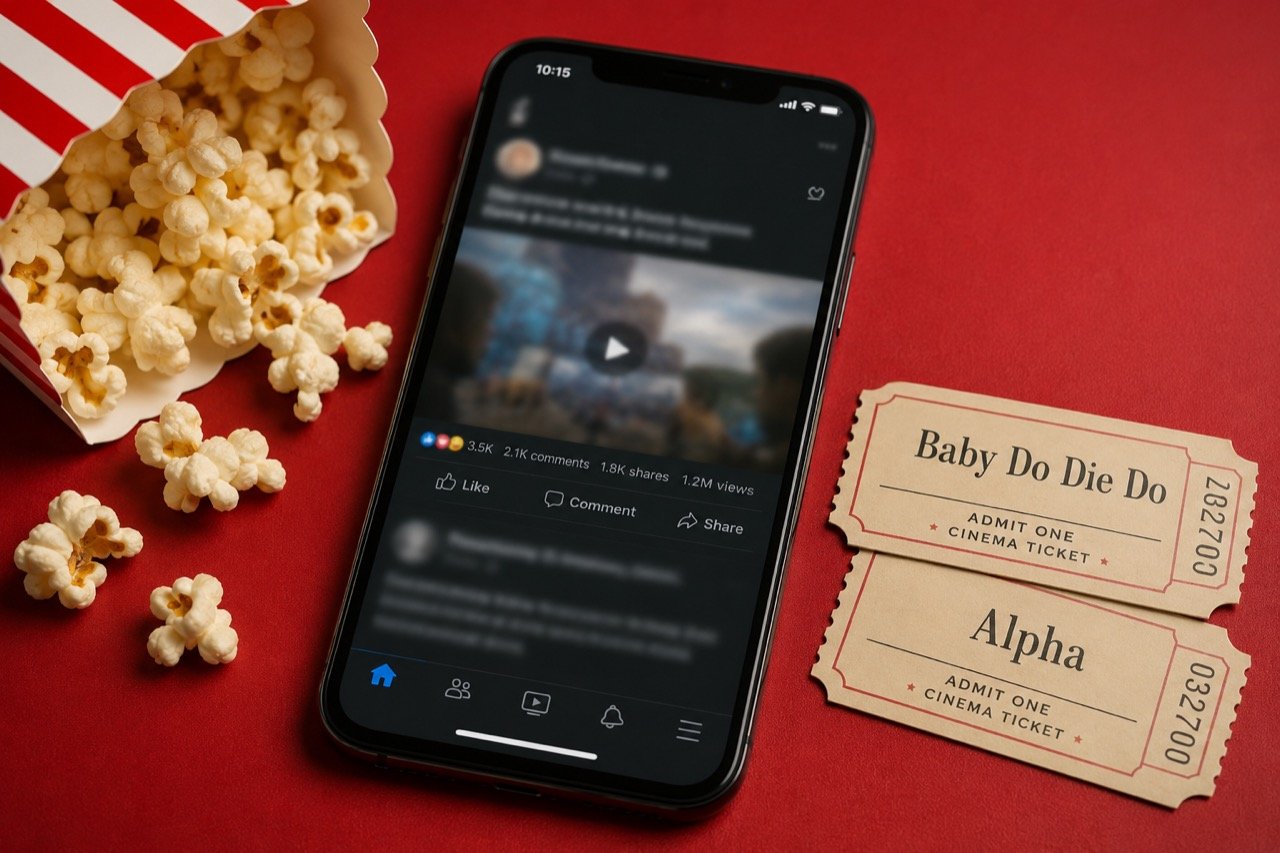
Huma Qureshi's Baby Do Die Do Wit Steals a Busy Bollywood News Day
A sharp, well-timed quip from Huma Qureshi linking Baby Do Die Do and Alpha became one of the day's most shared Bollywood moments, cutting through a feed crowded with box office numbers.
Welcome To The Jungle Builds Across Opening Weekend As Akshay Kumar Comedy Holds Steady
Welcome 3, the third entry in the Welcome comedy franchise, opened to a solid Day 1 and grew on Saturday, signalling a much-needed family-comedy revival at the Indian box office.

Super Subbu Review Buzz Makes Telugu OTT Comedy a Weekend Pick
Viewer reactions calling Super Subbu a laugh riot with a purpose have turned the Telugu streaming comedy into a weekend talking point, blending rural humour with an adult-health awareness theme that sets it apart.

Welcome To The Jungle Eyes Akshay Kumar's Biggest Comedy Opening On Muharram Weekend
Trade trackers say the Ahmed Khan-directed multi-starrer is on course for a 25-crore-plus first day, which would hand Akshay Kumar his biggest comedy opening of the post-pandemic era.
More from this section
More
72nd National Film Awards: Fans Back Mammootty, Allu Arjun, Sai Pallavi
Speculation around the 72nd National Film Awards is intensifying as fan communities across India's language film industries champion favourites including Mammootty, Allu Arjun and Sai Pallavi ahead of any official announcement.

Aamir Khan Marries Gauri Spratt in Private Pali Hill Ceremony
Aamir Khan and Gauri Spratt tied the knot at the actor's Pali Hill home in Mumbai on July 5, turning a deliberately small family ceremony into Bollywood's biggest story of the day.

Akanksha Chamola's Lock Upp 2 Confession Sets Reality TV Abuzz
A personal revelation by Akanksha Chamola ahead of Lock Upp 2 has handed the reality show a viral talking point, underlining how confession-driven formats continue to dominate Indian television conversation.