Eknath Shinde Admitted to Mumbai Hospital With Viral Fever
Maharashtra Deputy Chief Minister Eknath Shinde has been hospitalised in Mumbai with a viral fever, a routine ailment that nonetheless draws statewide attention because of his senior role in the government.
Commentary & Analysis ·
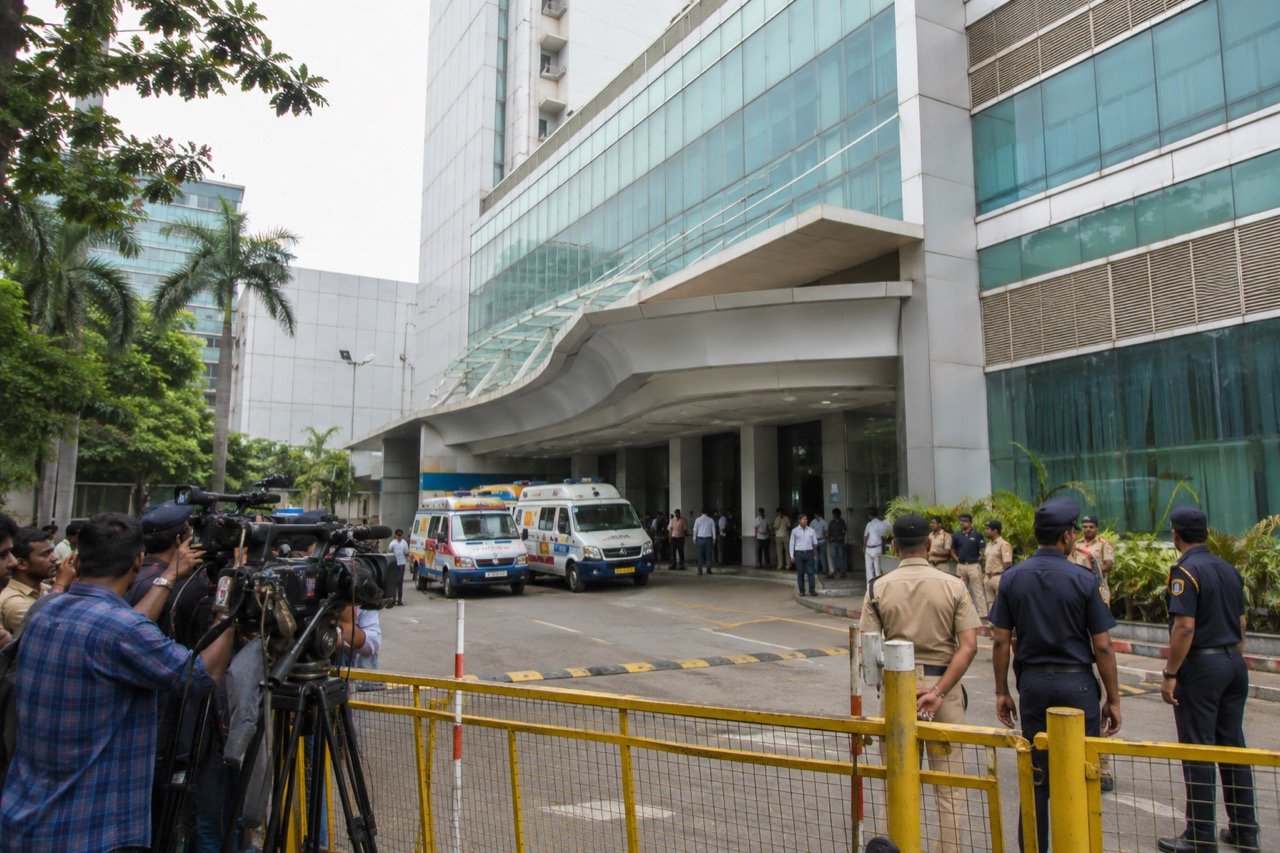
Maharashtra Deputy Chief Minister Eknath Shinde has been admitted to a Mumbai hospital with viral fever, and the news has drawn close attention across the state's political and administrative circles even though the reported illness is, by every account available, a common and unremarkable one. There is nothing in the confirmed facts to suggest severity: a hospitalisation in Mumbai, and viral fever cited as the reason. Yet the episode is worth examining precisely because of the disproportionate interest it has generated, and what that interest reveals about how India's political culture handles the health of its leaders.
Routine illness, public office
When a senior officeholder is hospitalised, the news matters beyond the individual concerned. Shinde holds one of the two deputy chief ministerships in India's most economically significant state, a position that places him at the intersection of cabinet business, party coordination and constituency commitments. Maharashtra's economy, its coalition politics and its administrative machinery all depend, to varying degrees, on the smooth functioning of its top leadership. Even a short medical absence has to be managed: meetings rescheduled, files redirected, public appearances postponed. That is why such updates are followed closely by journalists, party colleagues and the wider public alike, regardless of how minor the underlying ailment turns out to be.
It is worth stressing what is, and is not, known. The confirmed facts are limited to hospitalisation in Mumbai and viral fever as the stated cause. Nothing in the available reporting suggests the condition is serious, and there is no basis for speculation about severity, the course of treatment, or any political consequence flowing from it. A responsible reading of the situation treats it as exactly what it appears to be: a common seasonal illness affecting a public figure whose movements happen to be tracked more closely than most.
Why a minor ailment becomes major news
The gap between the modest medical facts and the scale of public attention is itself instructive. Political leaders in India occupy a position where illness is rarely treated as a purely personal matter. Shinde's coalition role, in particular, means that any interruption to his schedule can be read, rightly or wrongly, as a signal about the internal balance of a government that depends on cooperation between multiple factions. In a political environment where alliances are already the subject of constant scrutiny, even a hospital admission for viral fever can become a peg for wider commentary, whether or not that commentary is warranted by the facts.
This is not unique to Maharashtra or to Shinde. Across Indian politics, the health of senior leaders has long been treated as sensitive information, disclosed sparingly and often only after informal versions of events have already circulated. The result is a pattern in which minor ailments are shrouded in the same caution as serious ones, leaving the public unable to distinguish between a routine fever and a genuine medical emergency until an official statement, sometimes delayed, clarifies matters.
The value of transparent updates
Episodes like this demonstrate how quickly a routine health matter becomes public news once a prominent leader is involved. Handled openly, official bulletins reassure citizens and starve the rumour mill of the ambiguity it feeds on. Handled opaquely, silence gets filled by conjecture, speculation that can range from the harmless to the politically damaging. Clear, periodic updates from the hospital or from the Deputy Chief Minister's office are the best antidote to this dynamic, and the cost of providing them is negligible compared with the reputational and administrative cost of leaving a vacuum.
For a state government the size of Maharashtra's, the discipline of issuing brief, factual updates should not be a difficult one to maintain. A short statement confirming diagnosis, expected recovery timeline and any temporary reallocation of duties would likely satisfy the legitimate curiosity of the press and the public without inviting further scrutiny. The absence of such routine communication, by contrast, tends to generate exactly the kind of prolonged news cycle that this episode has produced.
What this means for governance continuity
Beyond the immediate question of Shinde's recovery, the episode raises a broader point about institutional resilience. A well-functioning administration should be able to absorb the short-term absence of even a senior minister without disruption to core functions. Cabinet business, party coordination and constituency work all have established channels that can continue, at least in the short term, through deputies, secretaries and party colleagues. The public interest in Shinde's health is therefore less about the functioning of government in the days immediately following his hospitalisation, and more about the broader habit of treating any leader's absence as inherently newsworthy, whatever its cause.
That said, the interest is not entirely misplaced. Given Shinde's position within a coalition government, stakeholders across Maharashtra's political spectrum, including allies within the ruling alliance and the opposition, will watch developments not because they expect anything dramatic, but because uncertainty of any kind in a coalition arrangement tends to be closely monitored as a matter of course. This is simply the reality of coalition politics, where the incapacity, however brief, of any senior figure prompts a moment of collective attention.
The NE Times View
India's political culture still treats leaders' health as a matter of whispers, which is precisely why a simple viral fever can generate a day of anxious headlines. The healthier norm, followed in many democracies, is prompt, matter-of-fact disclosure that respects both the leader's privacy and the public's legitimate interest in governmental continuity. Maharashtra's administration would do well to keep updates on Shinde brief, regular and boring. Boring, in matters of a leader's health, is exactly what good governance looks like.
The broader lesson extends well beyond this single case. Every time a minor health episode involving a senior leader is allowed to snowball into a day-long news event, it reinforces the very culture of secrecy that makes such episodes newsworthy in the first place. Breaking that cycle requires nothing more dramatic than consistent, unremarkable communication: a habit that, if adopted more widely across India's political establishment, would serve both public confidence and administrative efficiency far better than the current pattern of silence followed by speculation.
Key takeaways
- Eknath Shinde, Maharashtra's Deputy Chief Minister, has been hospitalised in Mumbai with viral fever; no evidence suggests the condition is serious.
- His senior coalition role means even brief medical absences draw disproportionate political and administrative attention.
- Transparent, regular official updates are the most effective way to prevent rumour and speculation from filling an information vacuum.
- Institutional continuity in Maharashtra's government should not be significantly affected by a short-term absence, given existing administrative channels.
- The episode underscores a wider need for Indian political culture to normalise plain, timely disclosure of leaders' health matters.
You may also like to read
Six Shiv Sena (UBT) MPs Join Eknath Shinde Camp in Maharashtra's 'Split 2.0'
Six Lok Sabha MPs from Uddhav Thackeray's Shiv Sena (UBT) crossed over to Eknath Shinde's faction on June 22, sharply weakening the UBT in Parliament and reigniting Maharashtra's Sena-versus-Sena war.

Mumbai-Ahmedabad Bullet Train: India's Largest TBM Starts Digging
India's largest rail tunnel boring machine has begun excavation on the Mumbai-Ahmedabad bullet train corridor, moving the country's flagship high-speed rail project into a visible and technically demanding underground phase.
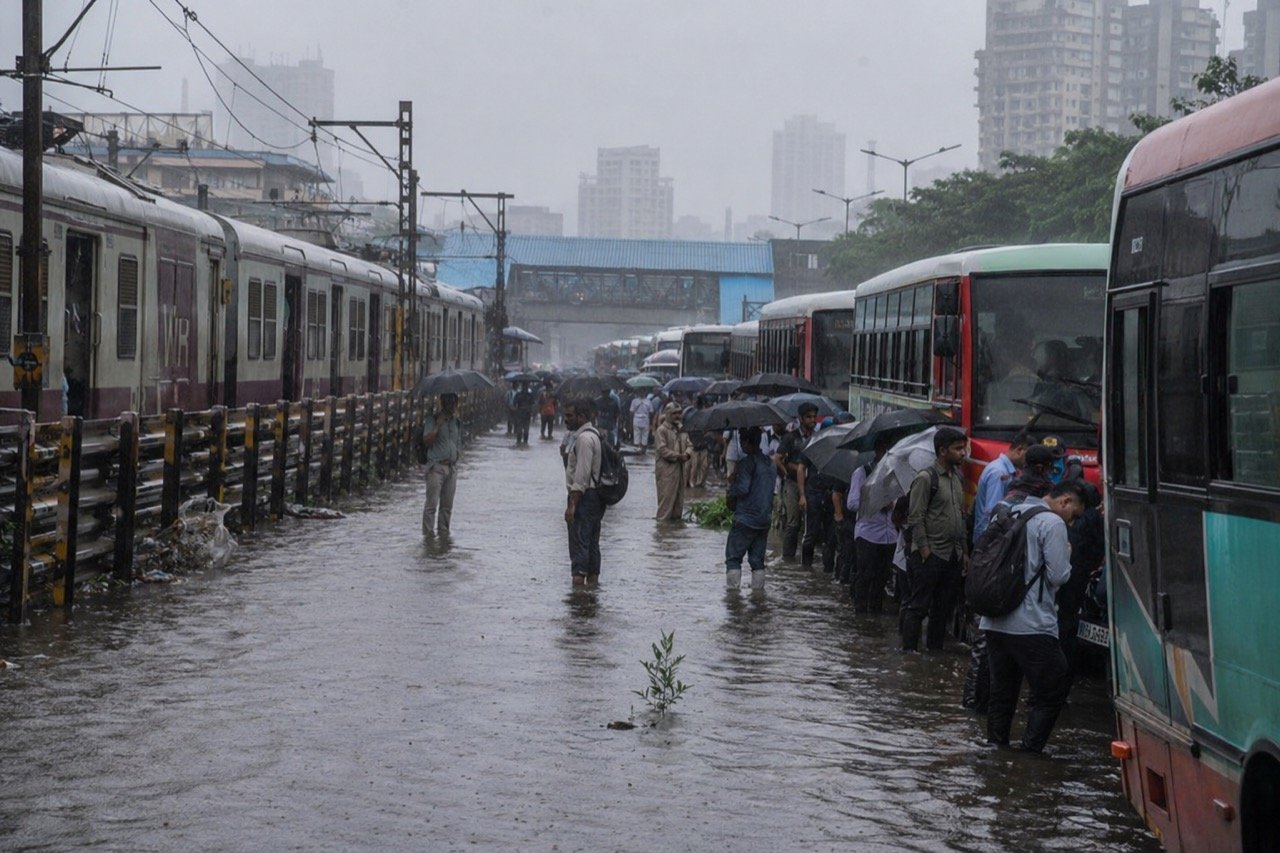
Mumbai Floods: Red Alert Rain Disrupts Roads, Trains and Metro
Heavy rain of over 200 mm in about 10 hours triggered a red alert in Mumbai, flooding roads and disrupting local trains and Metro services in a fresh test of the city's monsoon preparedness.
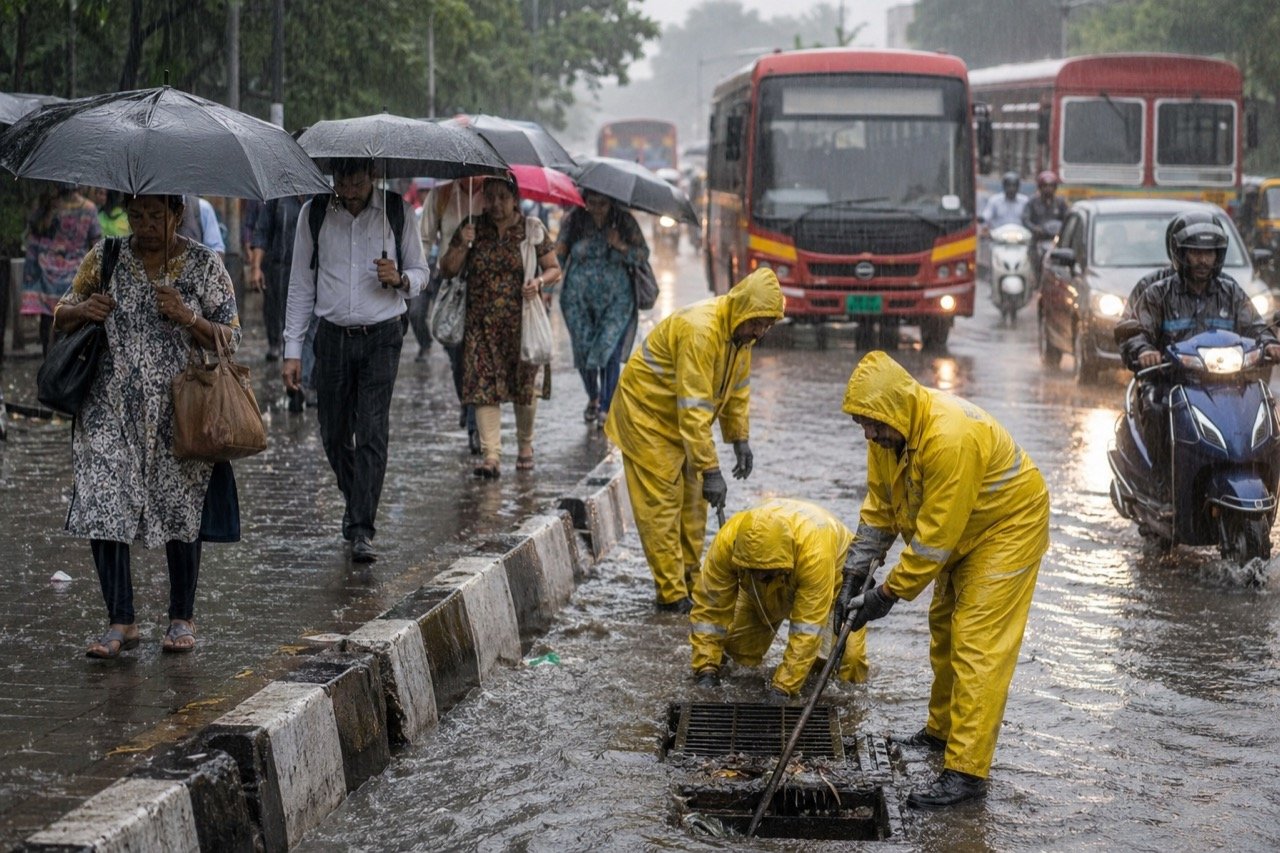
Mumbai and Thane on Alert as IMD Warns of Very Heavy Weekend Rain
The IMD has forecast heavy to very heavy rainfall with isolated extremely heavy spells over Mumbai and Thane on July 4 and 5, putting transport, drainage and emergency systems on weekend watch.
More from this section
More
AICTE Industry Fellowship 2026: Rs 1.5 Lakh Scheme Closes July 5
The AICTE Industry Fellowship Programme 2026, which places technical-education faculty inside leading companies on a Rs 1.5 lakh monthly stipend, reached its application deadline on July 5.
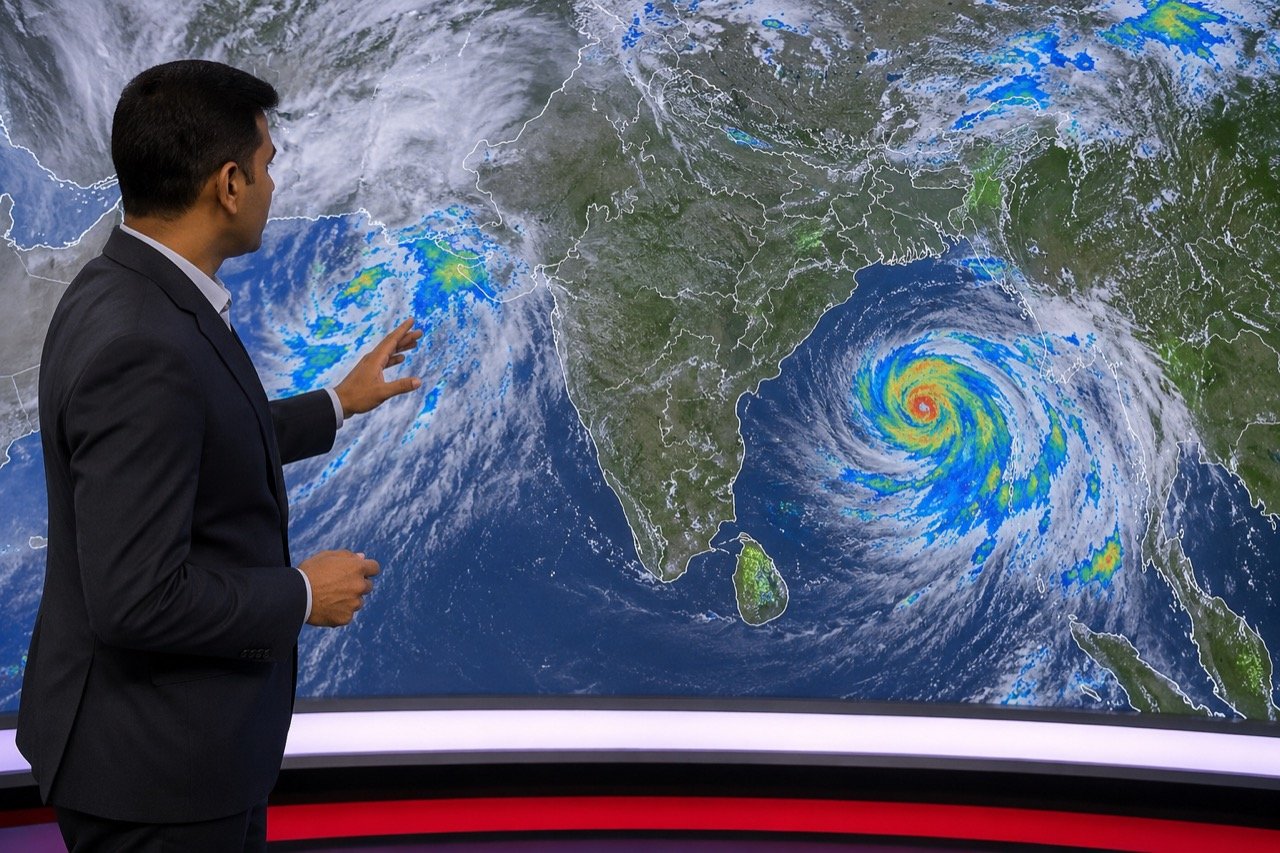
Bay of Bengal Low Pressure System Revives Monsoon Over Western India
A low-pressure system over the Bay of Bengal has pushed the monsoon back into an active phase, bringing steady heavy rain to Kerala, coastal Karnataka and Maharashtra, and putting Mumbai and Pune on preparedness watch.
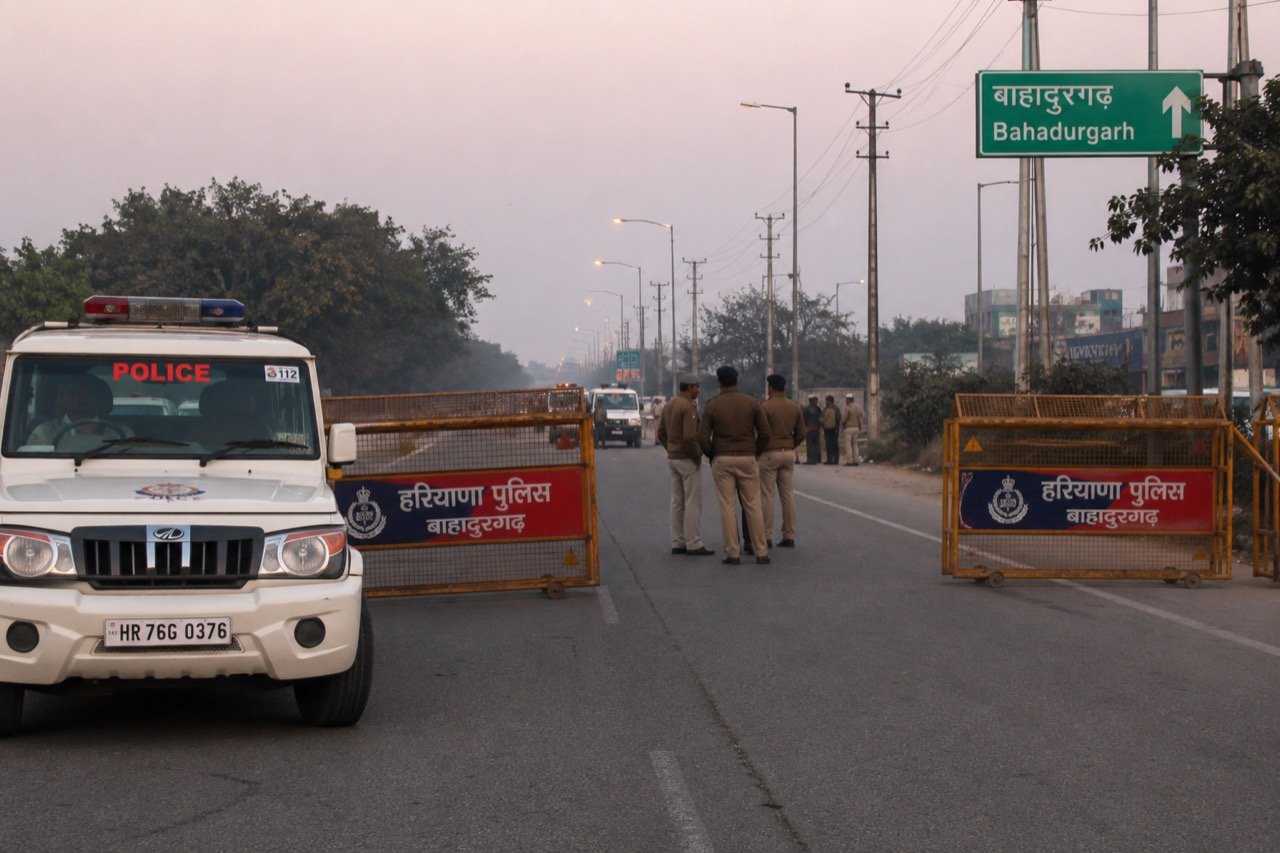
Bishnoi Gang Suspects Injured in Haryana Encounter as Police Tighten Net
A joint Haryana-Delhi Police operation in Bahadurgarh left two suspected Lawrence Bishnoi gang members injured, spotlighting the multi-state coordination now central to India's fight against organised crime networks.