DU PG Admissions 2026: Round Two Releases 2,964 Fresh Seats Under CSAS-PG
Delhi University has opened the second round of postgraduate seat allocation for 2026, releasing 2,964 fresh seats under CSAS-PG, with allotted candidates required to pay fees by June 27.
Commentary & Analysis ·
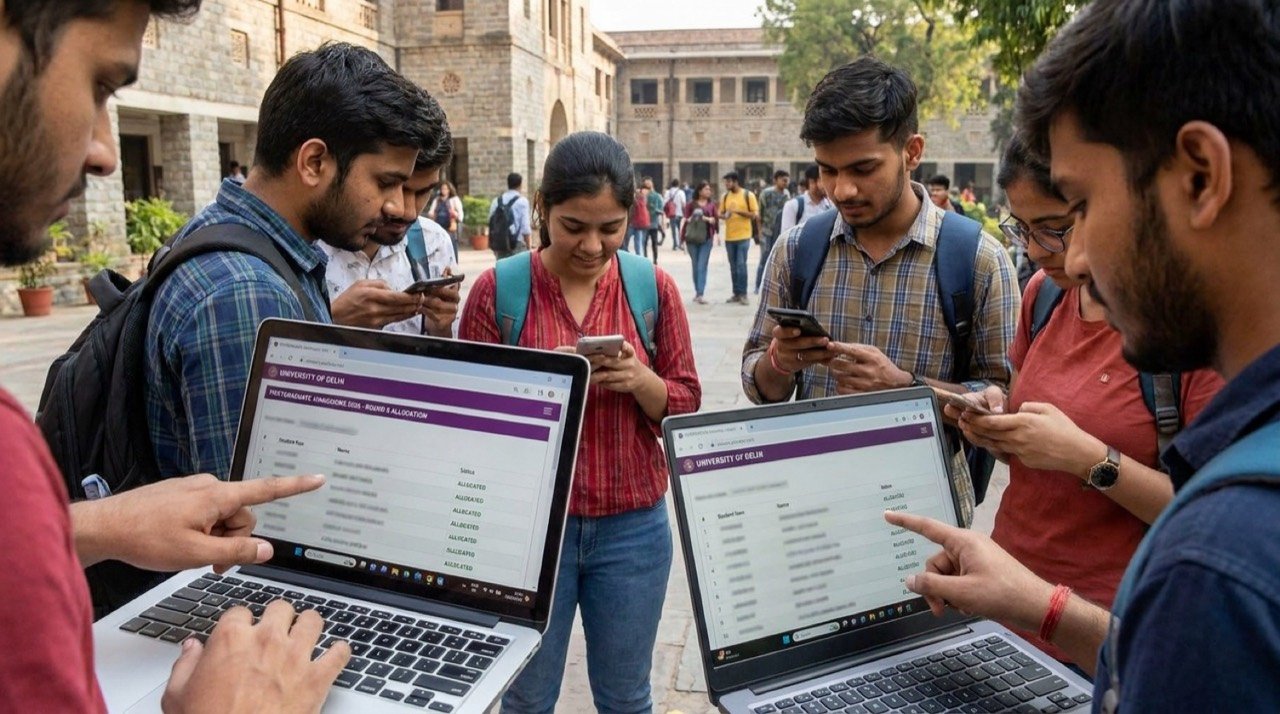
Delhi University has opened the second round of postgraduate seat allocation for the 2026 academic session, releasing 2,964 fresh seats under the CSAS-PG process. For the thousands of aspirants who have spent the last several weeks refreshing portals and comparing cut-offs, this second round is less a footnote than a genuine second chance. It offers a renewed opening for applicants who missed out in the first list altogether, as well as for those who secured a seat but are now hoping to trade up into a more preferred programme or college. In a system as large and layered as Delhi University's postgraduate admissions, a release of nearly 3,000 seats in one sweep is significant enough to meaningfully reshuffle the field.
What round two actually changes
The Common Seat Allocation System for postgraduate admissions, or CSAS-PG, works in successive rounds precisely because the first list rarely settles the picture. Some candidates who receive an initial allotment decline it in favour of another institution or course; others who cleared the merit threshold do not appear in the first list simply because seats in their chosen combination of programme and category had already been exhausted. Round two exists to mop up this movement and to push vacant seats back into circulation. With 2,964 seats now released, the pool of options facing many applicants has changed since the first round closed, and cut-offs in some programmes may shift, whether upward as strong contenders are absorbed elsewhere or downward as demand redistributes across colleges.
This matters because postgraduate admissions are rarely a single, static event in most students' minds. A great many candidates apply with a hierarchy of preferences in place, hoping for a marginally better college, a more suitable specialisation, or proximity to home. Round two is where a portion of that hierarchy gets resolved. It is also the stage at which the University's overall allocation efficiency is tested: how well it can match remaining demand to remaining supply without leaving seats needlessly vacant or applicants needlessly anxious.
The deadline that decides everything
Candidates allotted seats in this round must accept the allocation within the notified window and complete fee payment by June 27, according to admission updates. This sequence, acceptance followed by payment, is the decisive stage in the entire process. A seat is only truly secured once the fee has been paid within the stipulated period, after which the concerned college confirms enrolment. Missing this deadline, even by a small margin, can mean forfeiting the seat entirely, handing it back into the pool for another candidate down the merit list.
The mechanics here reward speed and preparedness. Candidates who have already arranged their documents, verified their eligibility and category status, and kept funds ready are able to move through acceptance and payment briskly. Those who are still gathering paperwork, awaiting funds, or simply juggling other commitments face a tighter margin for error. In a process governed by a centralised portal and a fixed calendar, there is little room for the kind of individual flexibility a college's own admission office might once have extended.
Who stands to gain or lose
The second round is particularly relevant for three distinct groups of applicants. The first is made up of those who did not feature at all in the first allotment, for whom this round represents their first real opportunity to secure a seat. The second consists of candidates who did receive an allotment but chose to upgrade their preferences, hoping that the reshuffling of round two would open a better option. The third group is applicants who are simply tracking vacant seats across programmes, watching which departments and colleges still have room as the cycle progresses.
Each of these groups experiences the round differently. First-list absentees are likely to feel the greatest relief, since round two may be their only route into the system this year. Upgraders are taking a calculated risk, trading a secured seat for the possibility, not the certainty, of something better. Vacancy-trackers are playing a longer game, watching the numbers move round by round in the hope that a late opening matches their interest. The release of nearly 3,000 seats gives all three groups more to work with, but it does not equalise the pressure each of them is under.
The risk of unofficial information
Amid this scramble, students have been advised to rely solely on the official DU admission portal, to check their eligibility and category details carefully, and to avoid unofficial result links that tend to circulate during admission season. This caution is not incidental. Admission periods are precisely when anxious applicants are most susceptible to misleading or fraudulent links promising early results, shortcuts, or unofficial confirmations. The advisory to stick to the official portal is a reminder that the reliability of information matters as much as the reliability of the process itself. A candidate who acts on a false result, or misreads a category detail from an unofficial source, can lose valuable time in a cycle where days, sometimes hours, can determine whether a seat is retained or lost.
What comes after June 27
As the postgraduate admission cycle advances, more rounds and upgrades may follow, depending on how many seats remain vacant after this round concludes. For now, the University's own guidance is unambiguous: eligible candidates should treat the June 27 deadline as firm, complete their formalities without delay, and keep a close watch on official notifications for any subsequent movement in the allocation process. Whether this second round is the last significant redistribution of the year, or merely a staging point before a third round, will depend on how many allotted candidates accept, how many decline, and how many seats consequently flow back into the system once again.
The NE Times View
A second CSAS-PG round freeing 2,964 seats is welcome churn, giving both first-list absentees and hopeful upgraders another shot at a postgraduate place. But the June 27 fee deadline is the sting in the tail. Tight payment windows reward those with ready money and instant connectivity, and penalise students who are travelling, based in rural areas, or simply unaware that the clock has started. Centralised allocation only delivers fairness if its timelines are humane; efficiency on paper can translate into quiet exclusion in practice for those least equipped to move fast. Delhi University should pair the undeniable efficiency of a portal-driven, deadline-bound system with built-in grace periods or clearer, more repeated communication, lest process quietly decide who gets a postgraduate seat rather than merit and preference alone.
Key takeaways
- Delhi University has released 2,964 fresh seats in the second round of CSAS-PG postgraduate admissions for 2026.
- Candidates must accept their allotment and complete fee payment by June 27, or risk forfeiting the seat.
- The round chiefly benefits first-list absentees, applicants upgrading preferences, and those tracking vacant seats.
- Students have been urged to use only the official DU admission portal and to avoid unofficial result links circulating during admission season.
- Further rounds may follow depending on vacancies, but the current deadline structure risks disadvantaging candidates with less ready access to funds or connectivity.
You may also like to read
CUET-UG Results Awaited As Delhi University Admissions Wait On The Clock
Lakhs of students are awaiting their CUET-UG 2026 scorecards, expected late in June, with a re-evaluation backlog pushing Delhi University's admission registrations toward the month's end.

NEET-UG Fake Leak Video Sparks Probe as Exam Misinformation Comes Under Scrutiny
Police and exam authorities are hunting the creators of a fake NEET-UG paper-leak video that spread online around the retest, stoking panic among students and exposing how fast misinformation can erode trust.
CUET UG 2026 Results Out: Admissions Race Begins Across 250+ Universities
The NTA has declared CUET UG 2026 results, with 3,214 candidates scoring a 100 percentile in at least one subject, kicking off cut-offs and counselling at more than 250 universities nationwide.

J&K School Library Books Row: Officials Suspended, Authors Blacklisted
Jammu and Kashmir's education administration has suspended eight officials and blacklisted the authors and publishers of two school library books, turning a content controversy into a wider test of curriculum oversight and procurement checks.
More from this section
More
AICTE Industry Fellowship 2026: Rs 1.5 Lakh Scheme Closes July 5
The AICTE Industry Fellowship Programme 2026, which places technical-education faculty inside leading companies on a Rs 1.5 lakh monthly stipend, reached its application deadline on July 5.

Bay of Bengal Low Pressure System Revives Monsoon Over Western India
A low-pressure system over the Bay of Bengal has pushed the monsoon back into an active phase, bringing steady heavy rain to Kerala, coastal Karnataka and Maharashtra, and putting Mumbai and Pune on preparedness watch.
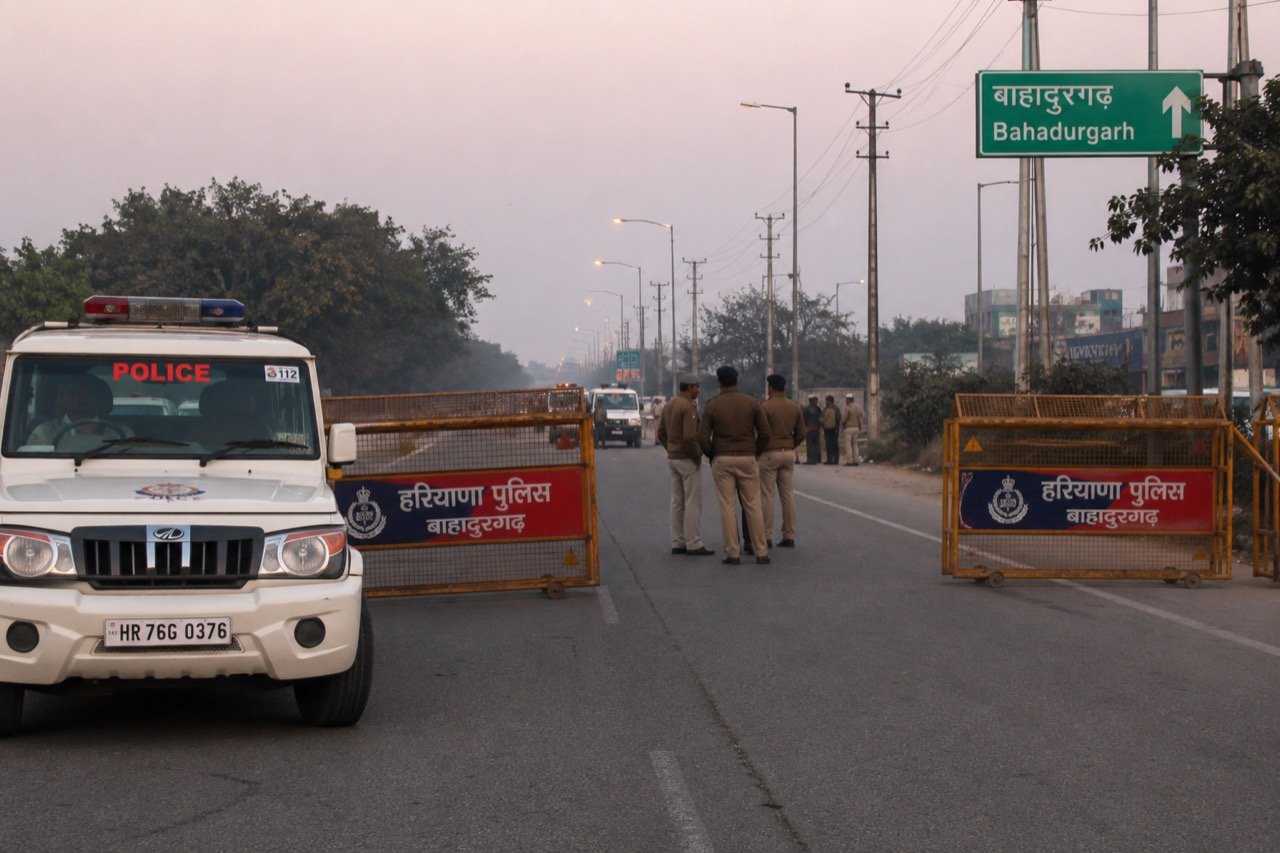
Bishnoi Gang Suspects Injured in Haryana Encounter as Police Tighten Net
A joint Haryana-Delhi Police operation in Bahadurgarh left two suspected Lawrence Bishnoi gang members injured, spotlighting the multi-state coordination now central to India's fight against organised crime networks.