Doval Welcomes US-Iran Understanding at BRICS Security Meet, Citing Hormuz Calm
National Security Adviser Ajit Doval has welcomed a reported US-Iran understanding that eased fears around the Strait of Hormuz, framing India's stake in energy security, shipping and citizen safety in West Asia.
Commentary & Analysis ·
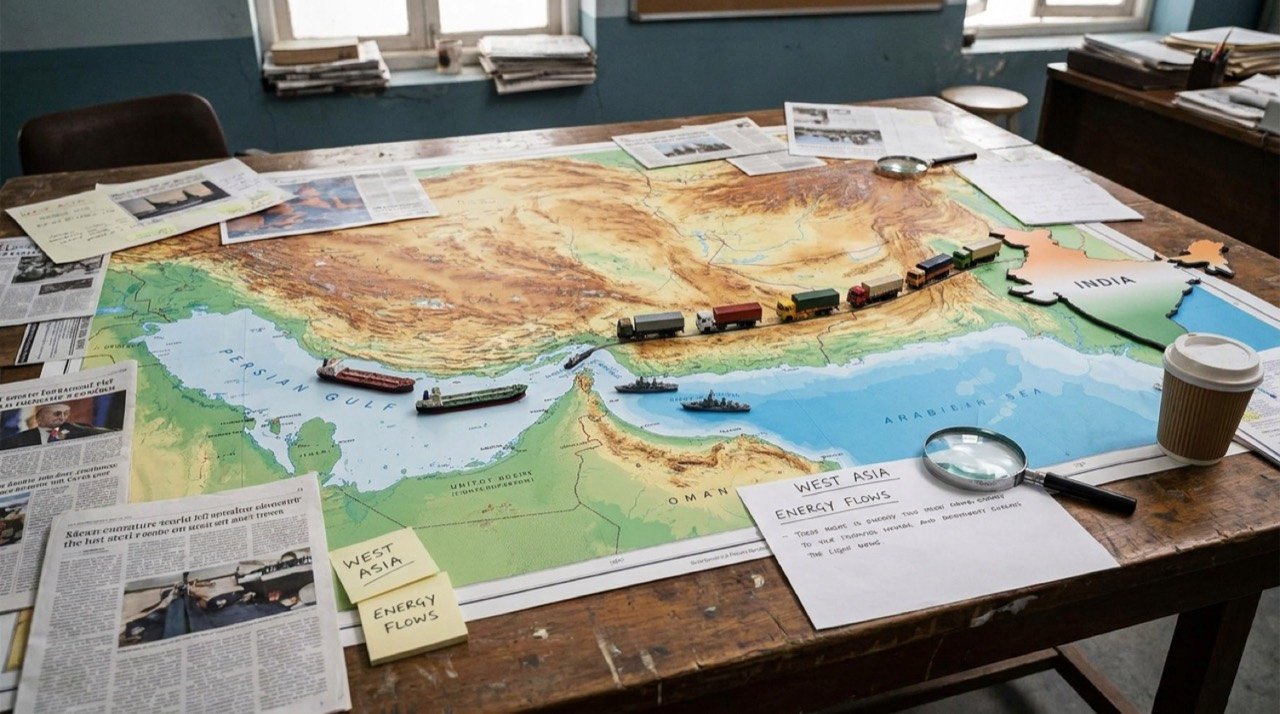
National Security Adviser Ajit Doval has welcomed a reported understanding between the United States and Iran that eased anxieties around the Strait of Hormuz, using a BRICS security meeting to underline how directly West Asian stability bears on Indian interests. His remarks placed diplomacy, restraint and the safety of maritime routes at the centre of New Delhi's message to its partners, a framing that says as much about India's own vulnerabilities as it does about the state of US-Iran relations.
Why the Strait of Hormuz matters to India
The narrow waterway is one of the world's most critical chokepoints for crude oil and liquefied natural gas. A large share of India's energy imports transits the region, which means any disruption translates quickly into higher shipping costs, freight insurance premiums and pump prices at home. For an economy that imports the bulk of its oil, even the threat of closure or conflict around Hormuz carries real consequences for inflation and the trade balance, giving Doval's welcome of de-escalation a practical, not merely diplomatic, edge.
This is not an abstract concern. Every basis point of risk priced into shipping insurance for vessels transiting the Gulf eventually shows up in landed fuel costs, and from there in transport, food and manufacturing prices across the Indian economy. A government that has spent recent years trying to keep headline inflation within its comfort band has every incentive to treat calm in Hormuz as a domestic economic priority rather than a distant foreign policy footnote. Doval's choice to raise the issue in a security forum, rather than leaving it to energy or commerce ministries, reflects that convergence of strategic and economic concerns.
A message of restraint at BRICS
By raising the issue at a BRICS forum, India signalled a preference for stable sea lanes and negotiated outcomes over confrontation. The setting allowed New Delhi to align with partners on the value of dialogue while keeping its own strategic autonomy intact, a balance India has worked to maintain across competing relationships in West Asia and beyond.
This is consistent with the broader posture India has cultivated for years: warm ties with Gulf Arab states, a longstanding relationship with Iran, and a deepening strategic partnership with the United States, all held together without India formally taking sides in any of the region's rivalries. Using a multilateral platform like BRICS to voice support for de-escalation, rather than issuing a unilateral statement, lets India appear as a stabilising voice among a grouping that itself includes states with divergent stances on West Asia. It is a low-cost way of signalling values, restraint and predictability, without committing India to any particular diplomatic process it does not control.
The safety of Indians abroad
Beyond barrels and balance sheets, the region is home to a large Indian diaspora and workforce. Any escalation around Hormuz raises immediate questions about the safety of citizens and the contingency of evacuation, a recurring concern that shapes India's cautious, de-escalation-first posture in the Gulf.
Past episodes of regional tension have already tested India's evacuation and consular machinery, and each such episode is a reminder that the stakes in West Asia are not confined to macroeconomic indicators. They are personal, involving workers, families and remittance flows that matter to households across India. This human dimension gives New Delhi's diplomatic caution a domestic political weight that is easy to underestimate when the discussion is framed purely in terms of oil prices or shipping lanes.
What the reported understanding signals
Hormuz carries a major share of India's oil and gas imports, and instability there feeds directly into fuel prices and inflation. Doval framed restraint and stable maritime routes as core interests, while noting the large Indian diaspora in West Asia raises the stakes around citizen safety further still. BRICS, in this context, offered a platform to back dialogue without abandoning autonomy, letting India be seen encouraging calm without being drawn into brokering it.
As one observer, Priya Nair, put it, stable sea lanes and de-escalation in West Asia are, for India, a matter of energy security and citizen safety alike. That framing captures why an NSA, rather than a foreign ministry spokesperson alone, chose to comment on what is nominally a bilateral US-Iran matter. Security establishments increasingly treat energy routes and regional stability as core national security concerns, not peripheral economic ones, and Doval's remarks reflect that shift in thinking.
The durability question
Whether the reported understanding holds will determine how durable the calm around Hormuz proves to be. Understandings of this kind, especially those not backed by formal agreements or verification mechanisms, can be fragile, subject to reversal with a change in political mood, a new incident at sea, or shifts in domestic politics in either Washington or Tehran. For New Delhi, the priority is clear: keep the shipping lanes open, keep prices predictable and keep its nationals safe, while continuing to press for diplomacy over confrontation in a volatile neighbourhood.
That means India's welcome of the thaw is best read as conditional relief rather than settled confidence. Policymakers in New Delhi will be watching not just statements out of Washington and Tehran, but tanker movements, insurance rates and shipping industry signals, all of which tend to reflect real-time risk assessments more reliably than diplomatic language does.
The NE Times View
Doval's framing rightly centres India's hard interests, since calm in the Strait of Hormuz directly governs oil prices, shipping costs and the safety of a large diaspora in West Asia. Welcoming a US-Iran thaw signals pragmatic hedging over alignment, consistent with India's longstanding refusal to be locked into any single camp in the region's rivalries.
Even so, India's stake in the Gulf is too large to outsource to others' diplomacy. New Delhi should be building its own channels and energy buffers rather than merely applauding pauses it did not broker. That could mean accelerating strategic petroleum reserve capacity, diversifying crude and LNG sourcing away from routes dependent on a single chokepoint, and deepening direct bilateral channels with both Washington and Tehran so that India is not simply a spectator to decisions made elsewhere that shape its energy security and the safety of its citizens abroad.
Key takeaways
- Doval welcomed a reported US-Iran understanding easing tensions around the Strait of Hormuz at a BRICS security meeting, tying the issue directly to Indian interests.
- Hormuz carries a major share of India's oil and gas imports, so instability there feeds directly into fuel prices and inflation at home.
- A large Indian diaspora and workforce in West Asia raises the stakes around citizen safety whenever tensions in the region rise.
- Using BRICS as the platform let India back dialogue and de-escalation while preserving its strategic autonomy across competing regional relationships.
- The NE Times View holds that India should use this moment to build its own energy buffers and diplomatic channels, rather than relying on diplomacy it did not broker.
You may also like to read
BRICS Security Talks Open in India With Non-Traditional Threats in Focus
India hosts the BRICS National Security Advisers' meeting on 22-23 June 2026, with NSA Ajit Doval chairing talks on terrorism, cyber risks, emerging technology and regional instability amid Middle East tensions.
Jaishankar's Six-Nation Tour Kicks Off India's UNSC Seat Campaign
External Affairs Minister S. Jaishankar's July 5-15 tour of Qatar, Bahrain, Kuwait, Oman, the United States and Belgium doubles as bilateral outreach and the opening move of India's UN Security Council campaign.
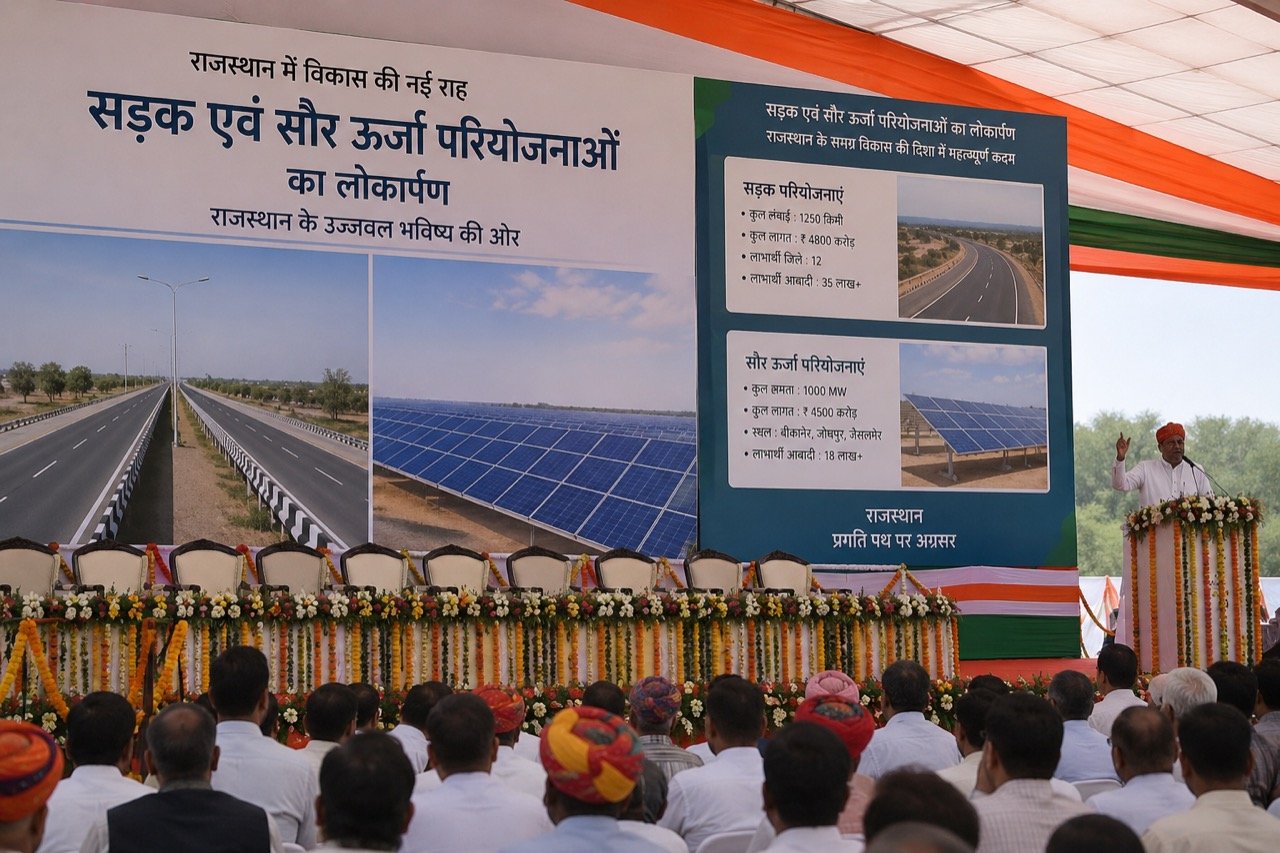
Modi's Balotra Push: Rs 1.06 Lakh Crore Projects and Energy Message
Prime Minister Narendra Modi's visit to Balotra in Rajasthan paired development projects worth around Rs 1.06 lakh crore with remarks crediting India's diplomacy for steering the country through West Asia-linked energy pressures.
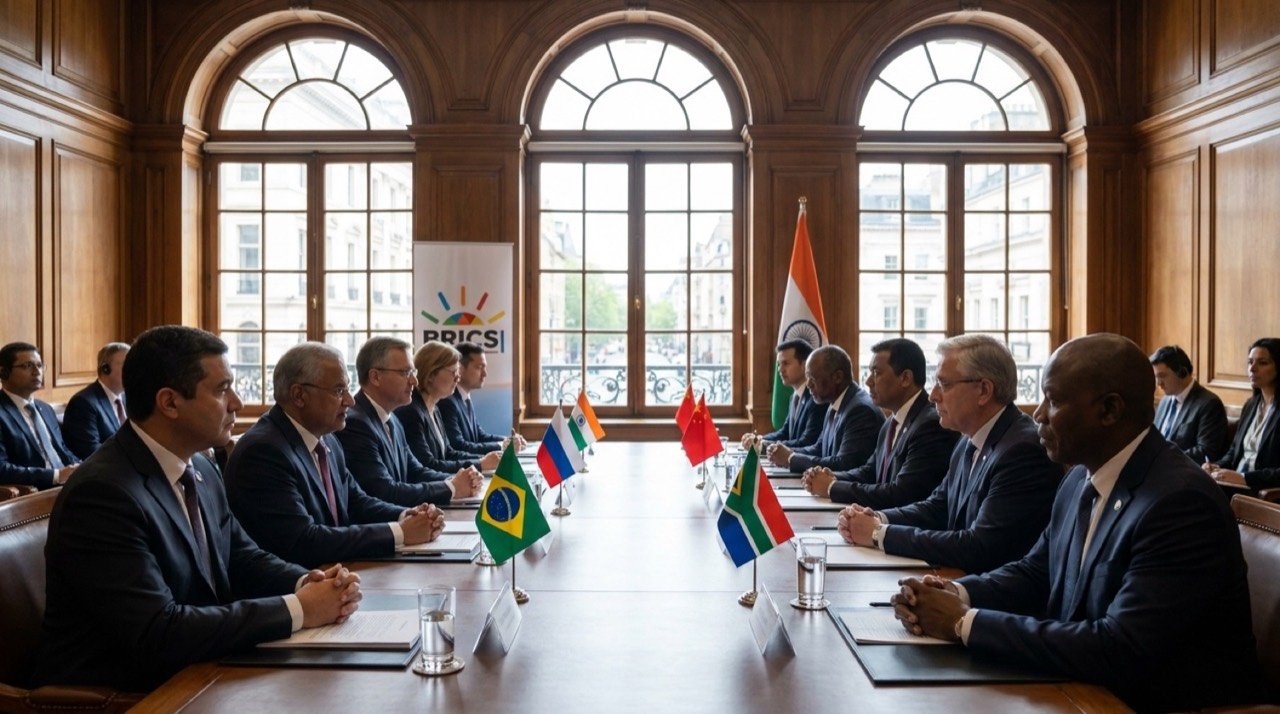
BRICS Security Meet in Delhi Targets Terrorism, Cyber and AI Threats
India is hosting a BRICS National Security Advisers meeting in New Delhi, with cross-border terrorism, cyber threats, AI misuse and transnational crime set to dominate a fast-broadening security agenda.
More from this section
More
K Kavitha Party Denied TRS Name by Election Commission
The Election Commission has refused to register K Kavitha's Telangana Rakshana Sena under the TRS acronym after objections, forcing a branding reset for the new party at a politically sensitive moment in Telangana.
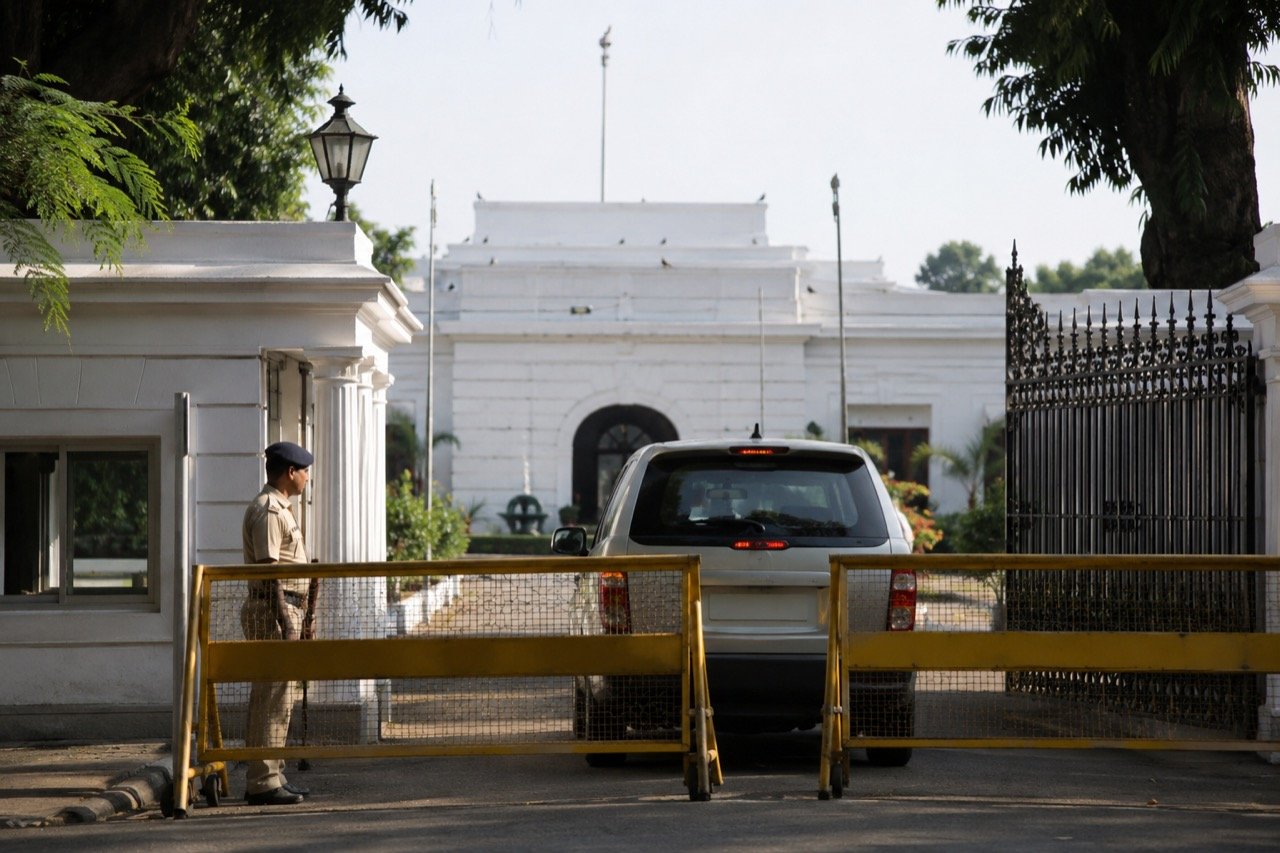
Lalu Prasad Yadav Security Downgrade, Bungalow Order Stir Bihar
A government order downgrading Lalu Prasad Yadav's security cover and asking him to vacate an official bungalow has opened a fresh political flashpoint in Bihar, with the RJD chief's reaction fuelling the row.
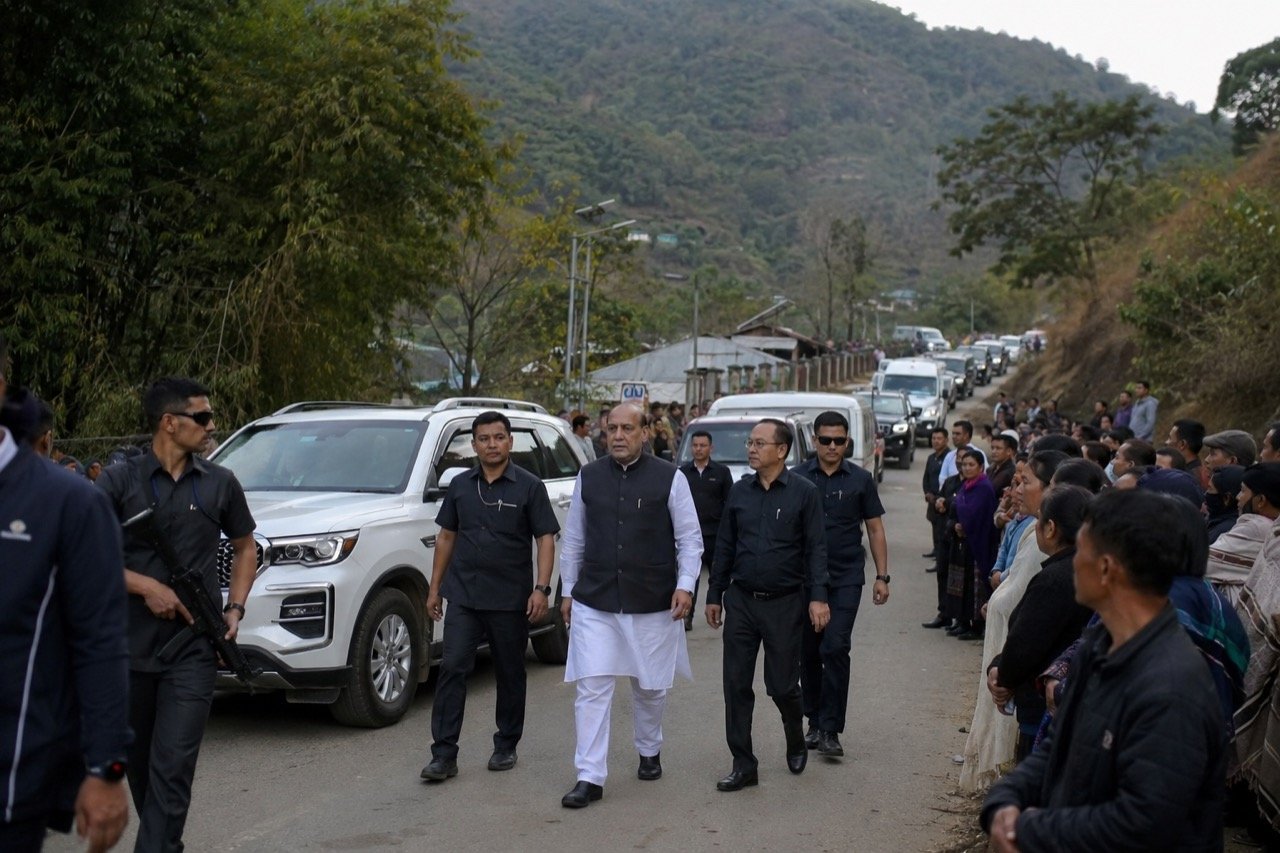
Manipur CM's Churachandpur Visit: First Since 2023 Unrest
The Manipur Chief Minister travelled to Churachandpur for a BJP MLA's funeral, his first visit to the district since the 2023 violence, lending the sombre occasion an unmistakable political significance.