DJ Chetas Takes 90s Bollywood Nightlife on a 14-City India Tour
Chandni Bar Tour 2.0 will run from July 10 to September 6 across 14 Indian cities, turning 1990s Hindi film music nostalgia into a national touring nightlife format with contemporary production.
Commentary & Analysis ·
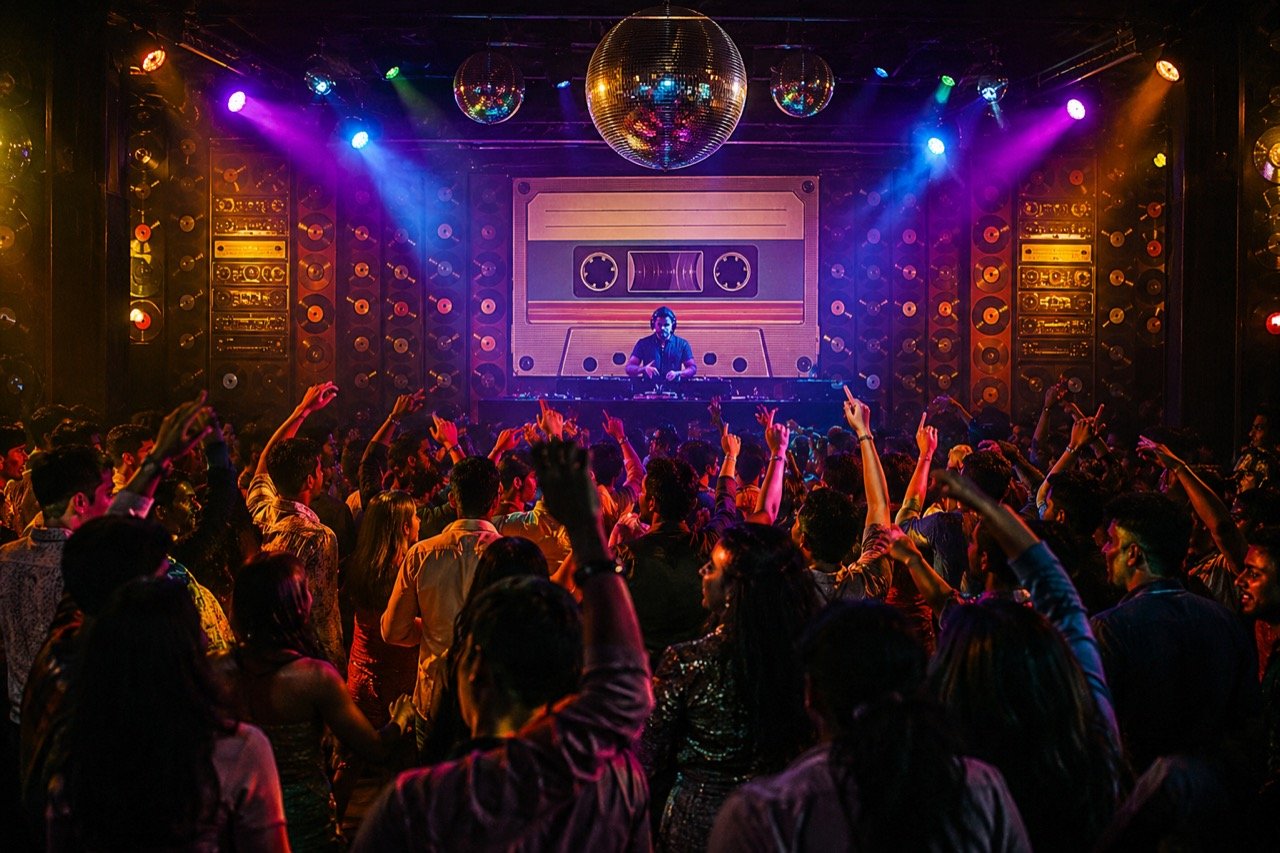
DJ Chetas is betting that India's appetite for 1990s Bollywood has legs well beyond wedding playlists. His Chandni Bar Tour 2.0, built entirely around retro Hindi film music and nightlife nostalgia, will travel to 14 cities between July 10 and September 6. The itinerary is ambitious: Goa, Pune, Jaipur, Hyderabad, Bengaluru, Mumbai, Nagpur, Chennai, Kolhapur, Indore, Ahmedabad, Surat, Gurugram and Kolkata. That spread makes this more than an event listing. It signals that nostalgia is now being packaged as a national live circuit rather than a one-off club night, and it invites a closer look at why a thirty-year-old sound is proving to be one of the more durable products in India's live-entertainment economy.
Why the 90s still sell
The decade remains a uniquely powerful memory bank for Indian audiences. Its songs travelled through cassettes, television countdown shows, weddings, college festivals and the earliest wave of remix culture, embedding themselves in the everyday soundtrack of an entire generation. That kind of ubiquity is difficult to manufacture today, when listening habits are fragmented across streaming algorithms and short-form video clips that surface songs for a few weeks before moving on. A DJ-led tour converts that private, often nostalgic memory into a shared public experience, particularly for listeners who want familiar melodies delivered with modern production and club-grade sound. The appeal is not simply hearing an old song again; it is hearing it reimagined loudly, communally and on a night out, which is a different consumption experience from a solitary streaming playlist.
This also explains why the format works so well for a touring DJ rather than, say, a re-release of the original film soundtracks. The value DJ Chetas adds is curation and production: layering the recognisable hooks of 90s Bollywood over contemporary beats and sound systems built for a live crowd. That hybrid, half heritage and half remix, is precisely what makes the format feel like an event rather than a museum piece.
A live-events market finding its feet
The tour also rides a broader recovery in India's ticketed live entertainment. Cities are sustaining more music formats than before, from indie gigs to themed nostalgia nights, suggesting that audiences are willing to pay for a wider variety of live experiences than the standard arena concert. Bollywood music enjoys a built-in advantage of instant recognition, which lowers the marketing burden considerably: a promoter selling a night of 90s hits does not need to persuade an unfamiliar audience to take a risk on new material. But that recognisability cuts both ways. Because the songs are already known, the format must feel curated and fresh rather than a mere replay of old chartbusters, or it risks feeling indistinguishable from a nostalgia playlist played at any bar. The commercial test for Chandni Bar Tour 2.0, in other words, is less about song selection and more about the quality of the live experience wrapped around it.
The scale of the itinerary is itself notable. Fourteen cities across roughly two months is a demanding logistical undertaking, requiring consistent production values, venue partnerships and local promotion in markets as varied as Goa's tourist-driven nightlife scene and Kolhapur's more localised audience base. If the execution lands, Chandni Bar Tour 2.0 could prove that retro Bollywood is not just a streaming playlist category but a touring nightlife product with genuine city-to-city demand, capable of drawing crowds well beyond the metros that usually anchor India's concert circuit.
What a national circuit signals for the industry
A tour of this size does more than entertain; it builds infrastructure. Every stop requires venues capable of hosting a large sound system and crowd, ticketing systems that can handle demand across differing city sizes, and local promotional networks that understand their own market. Once that infrastructure exists in a city like Nagpur or Surat, it does not disappear when the tour moves on. It becomes available for the next promoter, the next artist, the next format. In that sense, a nostalgia-driven tour can function as a quiet piece of industry-building, even if nostalgia itself is not a novel commercial idea.
There is also a stakeholder dimension worth noting. Venue owners and local promoters in tier-two cities stand to gain from playing host to a marquee circuit, since it raises the profile of their venues and demonstrates to other artists and organisers that these markets can support large-scale events. For audiences in cities that are rarely first in line for major tours, that is a meaningful shift in what is available to them without travelling to a metro.
The NE Times View
There is something telling about India's biggest new touring product being built on thirty-year-old songs. Nostalgia is a safe commercial bet, but it also exposes a gap: contemporary Bollywood music is producing fewer tracks with the staying power of the 90s catalogue. That is worth sitting with. When an industry's most reliable touring product is retrospective, it says as much about the present output as it does about the enduring quality of the past.
For India's live-events economy, though, this tour is unambiguously good news. A 14-city circuit builds venue infrastructure, ticketing habits and local promotion muscle that newer artists can later use. The test will be whether promoters reinvest that momentum in original acts, or simply keep mining the past for the next nostalgia format. Either way, audiences in tier-two cities like Kolhapur and Indore getting marquee nightlife events is a welcome broadening of the map, and one that deserves to be watched as a template rather than dismissed as a one-off gimmick.
What to watch next
The clearest signal to track over the coming two months will be whether ticket sales and turnout in the smaller cities on the route, Kolhapur and Indore in particular, match those in the established metros. Strong numbers there would validate the idea that tier-two India is an underserved live-entertainment market rather than a secondary afterthought. It will also be worth observing whether other artists or promoters attempt to replicate the format with different eras or genres of Indian film music, which would suggest the touring nostalgia model has legs beyond this one tour, or whether the space remains a niche occupied mainly by DJ Chetas himself.
Key takeaways
- DJ Chetas's Chandni Bar Tour 2.0 spans 14 cities from July 10 to September 6, covering both major metros and tier-two markets such as Kolhapur and Indore.
- The tour's appeal rests on converting widely shared 90s Bollywood nostalgia into a modern, club-grade live experience rather than a simple replay of old hits.
- Its success could demonstrate that retro Bollywood music is a viable touring product in its own right, not just a streaming playlist category.
- The scale of the circuit builds lasting venue, ticketing and promotional infrastructure that could benefit future artists and formats in smaller cities.
- The reliance on decades-old material also raises a broader question about the relative staying power of contemporary Bollywood output.
You may also like to read
Prakash Jaju Takes Legal Action Over Alleged Bollywood Loans
Prakash Jaju, best known as Priyanka Chopra's former manager, has reportedly initiated legal steps against actor Rajpal Yadav and two producers over loans he alleges were never repaid.
Arijit Singh Anchors A 40-City World Tour With India At Its Core
Playback superstar Arijit Singh has confirmed an expansive 40-city world tour for 2026, placing major Indian metros at the heart of the schedule and opening with a Mumbai double-header.
Karan Aujla Takes Punjabi Pop Global With 'P-POP CULTURE' World Tour
After a record-setting India run that drew 75,000 to its Delhi opener, Karan Aujla's 'P-POP CULTURE' tour pushes through the US, UK, Europe and Canada across 2026.
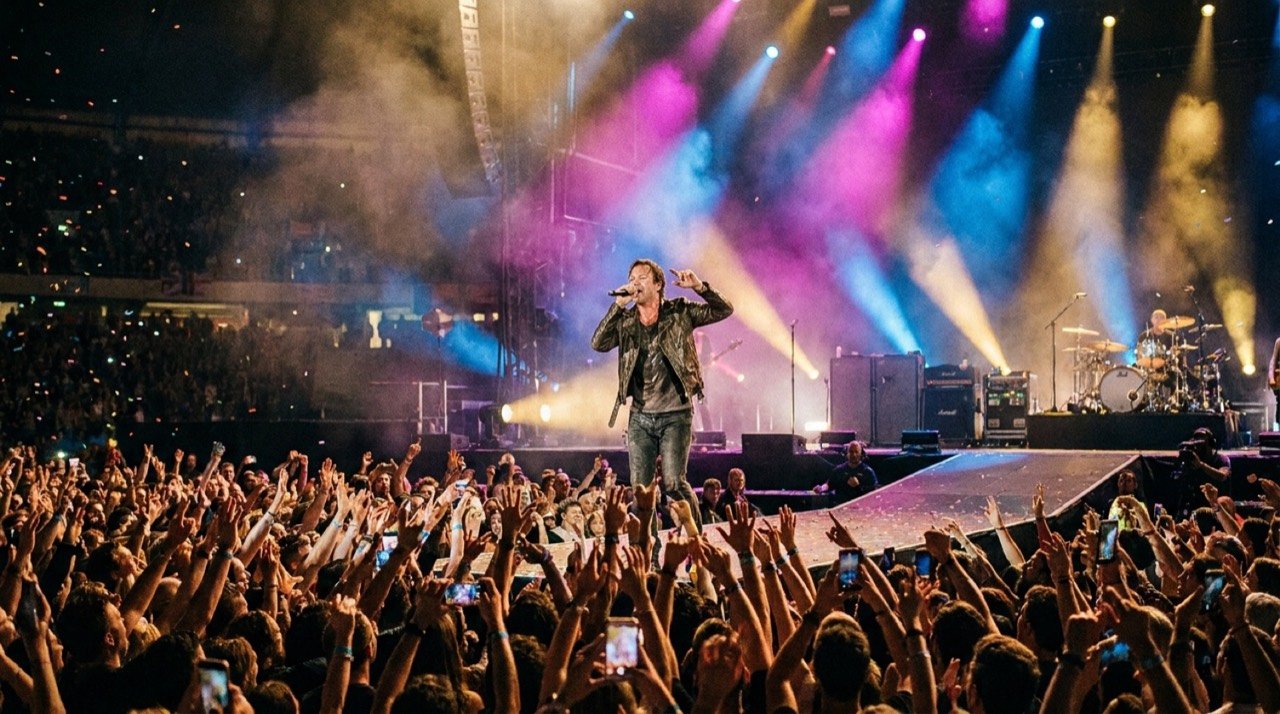
Festival Season Returns Bigger, as Live Music Booms Across India
From indie stages to stadium tours, India's live-music calendar is fuller than ever, fuelling a fast-growing experience economy.
More from this section
More
72nd National Film Awards: Fans Back Mammootty, Allu Arjun, Sai Pallavi
Speculation around the 72nd National Film Awards is intensifying as fan communities across India's language film industries champion favourites including Mammootty, Allu Arjun and Sai Pallavi ahead of any official announcement.
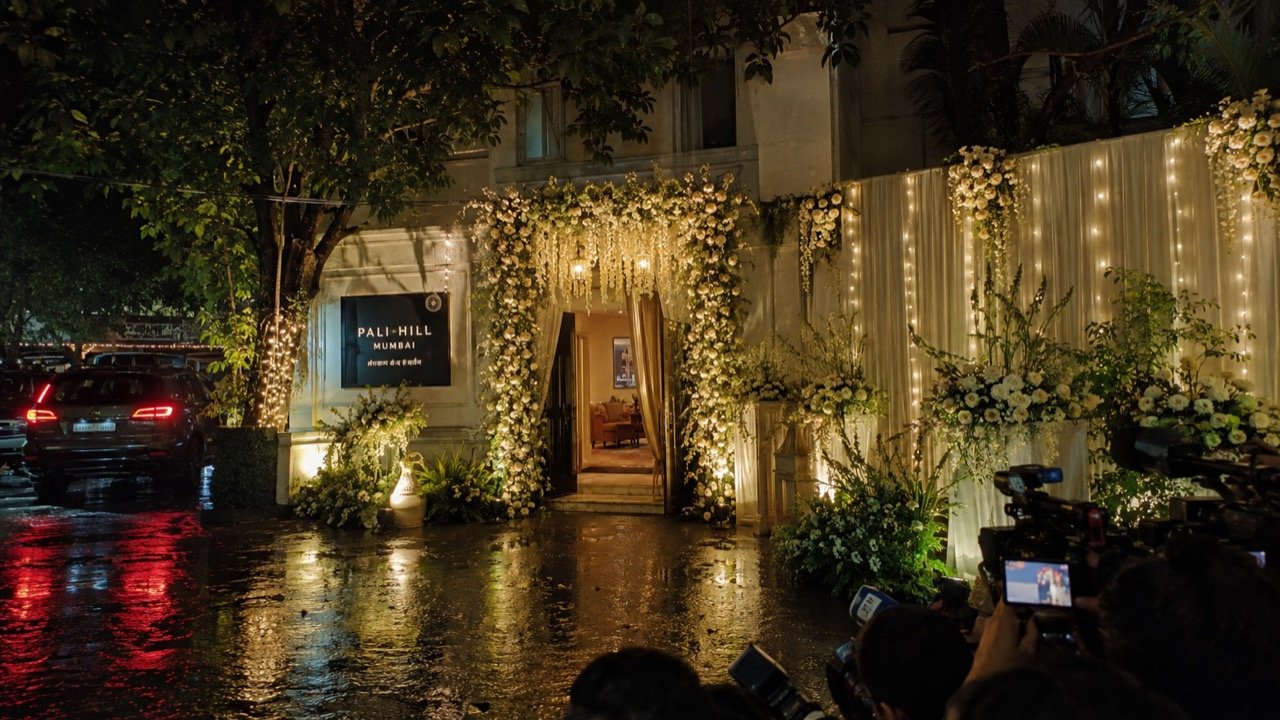
Aamir Khan Marries Gauri Spratt in Private Pali Hill Ceremony
Aamir Khan and Gauri Spratt tied the knot at the actor's Pali Hill home in Mumbai on July 5, turning a deliberately small family ceremony into Bollywood's biggest story of the day.
Akanksha Chamola's Lock Upp 2 Confession Sets Reality TV Abuzz
A personal revelation by Akanksha Chamola ahead of Lock Upp 2 has handed the reality show a viral talking point, underlining how confession-driven formats continue to dominate Indian television conversation.