Arijit Singh Anchors A 40-City World Tour With India At Its Core
Playback superstar Arijit Singh has confirmed an expansive 40-city world tour for 2026, placing major Indian metros at the heart of the schedule and opening with a Mumbai double-header.
Commentary & Analysis ·
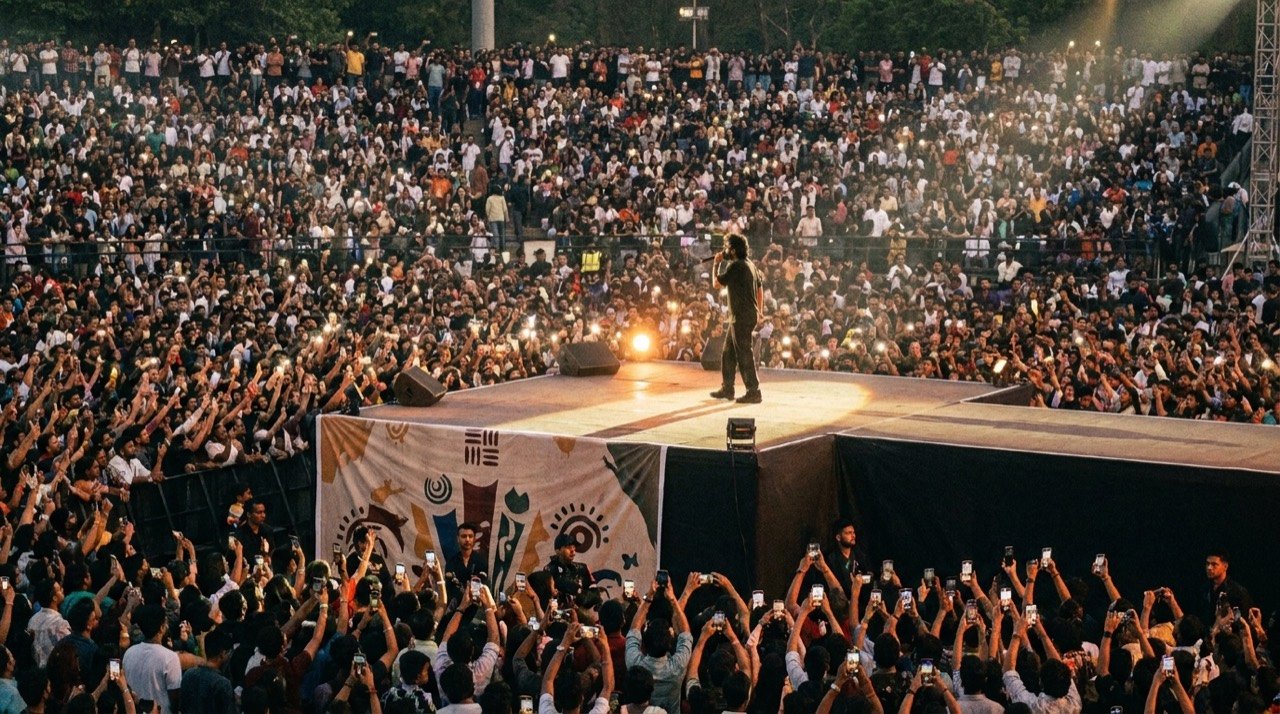
Arijit Singh, arguably the most-streamed voice in Hindi film music, has confirmed a sprawling 40-city world tour for 2026 that keeps Indian audiences firmly at the centre of the itinerary. The announcement has already triggered a scramble for tickets, reflecting the singer's rare pull across age groups and regions. For an artist whose catalogue spans weddings, film soundtracks and everyday playlists, that breadth of appeal is precisely what makes a tour of this scale plausible in the first place, and it explains why the Indian leg has become the organising spine of a genuinely global itinerary rather than an afterthought bolted on for sentiment's sake.
India at the heart of the schedule
Rather than treating India as a single tour stop, the schedule threads major metropolitan hubs throughout the journey, beginning with a high-demand double-header in Mumbai. That opening choice is telling. Mumbai is both the singer's home turf in the film industry and the market most likely to absorb back-to-back arena dates without a dip in demand, making it a natural proving ground before the tour fans out across the rest of the itinerary. The structure underscores how the domestic live-music market has matured into a destination in its own right, capable of sustaining multiple arena-scale shows by a single artist, something that would have seemed commercially risky only a few years ago when touring economics in India were considered secondary to film releases and streaming numbers.
Organisers have indicated that digital ticketing platforms, including BookMyShow and Zomato's District app, will be the primary route to securing entry, a sign of how concert commerce in India has consolidated around a handful of apps that can handle enormous demand surges. This consolidation matters beyond convenience. When ticketing funnels through a small number of platforms built to withstand traffic spikes, it becomes possible to run the kind of synchronised, high-volume on-sale that a 40-city tour with major Indian dates demands, without the system buckling under the load the way ad hoc sales once did.
A live-music economy coming of age
Arijit Singh's tour lands amid a broader boom in Indian live entertainment, with international and homegrown acts increasingly building tours around the country's stadiums and arenas. The willingness of audiences to pay premium prices for in-person experiences has reshaped the economics of music, where streaming royalties remain modest but live shows generate substantial revenue. That shift in where the money actually flows is significant for artists and labels alike: a song's chart performance or streaming count has always mattered for reach and reputation, but the live show is increasingly where the commercial upside is realised, and that recalibration is reshaping how careers in Indian music are built and sustained.
For a playback artist whose songs soundtrack weddings, films and playlists alike, the tour also functions as a bridge between the recorded and the live, converting passive listeners into ticket-buying audiences. This conversion is not automatic. Playback singers occupy a slightly different position than pop or rock frontmen, since their voices are often experienced without their faces attached to a screen performance. A tour of this scale is, in effect, a bet that the emotional attachment listeners have to the songs translates just as strongly into a willingness to see the voice behind them performed live, and the scramble for tickets suggests that bet is paying off.
Reading the demand signals
The tour adds to an already crowded 2026 calendar of marquee concerts in India, intensifying competition for venues, dates and audience spending. That crowding is itself a data point. A market with only modest appetite for live music would not be able to support multiple large-scale tours competing for the same weekends and the same audience wallets; the fact that promoters are willing to schedule around each other, rather than avoid the space altogether, points to genuine depth of demand rather than a single artist's novelty.
Promoters will be watching how quickly the Indian shows sell, treating the response as a barometer for the depth of the domestic appetite. Ticket velocity in this sense becomes a proxy metric for the entire industry's confidence: fast sell-outs across multiple cities would validate the case for continued investment in venues, staging and logistics, while a patchier response would suggest that demand remains concentrated around a handful of marquee names rather than being broad-based across the touring circuit.
What a global anchor role signals
If demand holds at the levels early signals suggest, Arijit Singh's run could reinforce India's standing as one of the most important live-music markets in the world, and cement the singer as its biggest concert draw. That is a meaningful marker for an industry that has historically been defined by international acts treating India as a single, occasional stop rather than a core market woven through a global route. Having a homegrown artist anchor a 40-city world tour around Indian dates, rather than around Western or East Asian hubs, flips the usual script and signals that India's audience size and spending power are now being treated as central to global touring calculus, not peripheral to it.
The quote circulating around the announcement captures the underlying shift succinctly: when one voice can fill arenas across continents, the live show stops being a promotion for the music and becomes the main event. That reframing has consequences for how artists, labels and venues plan years in advance, since a tour is no longer simply a marketing exercise timed around an album release but a standalone revenue engine that can justify its own scale of investment.
The NE Times View
Anchoring a 40-city global tour in Indian metros is a quiet vote of confidence in the country's live-music economy, long overshadowed by film and streaming. The scale signals real appetite, and demand at this level should pressure cities to fix the venue and infrastructure gaps that have throttled big concerts here. It is worth remembering that enthusiasm alone has not historically been sufficient in India; limited arena capacity, patchy transport links to venues and inconsistent event logistics have all constrained how big a concert can get, regardless of how many people want tickets. A tour of this ambition puts those constraints under a brighter spotlight, and the pressure that generates on civic and private infrastructure could outlast the tour itself.
The test is whether this becomes a repeatable circuit for artists, not a singular event built around one exceptional voice. India has seen isolated moments of concert mania before without those moments translating into a durable, year-round touring infrastructure. What would confirm a genuine maturing of the market is not just one artist selling out Mumbai twice, but a broader ecosystem in which mid-tier acts, not only the biggest names, can reliably book arena dates across multiple Indian cities. Arijit Singh's tour is a strong signal in that direction, but the industry's real coming-of-age will be measured over the several tours that follow, not this one alone.
Key takeaways
- Arijit Singh's 40-city 2026 world tour places Indian metros at its centre, opening with a Mumbai double-header.
- Ticketing will run primarily through BookMyShow and Zomato's District app, reflecting the consolidation of Indian concert commerce around platforms built for high-demand surges.
- The tour arrives amid a broader boom in Indian live entertainment, where live shows increasingly outstrip streaming royalties as a revenue source.
- Early ticket demand is being read by promoters as a barometer of how deep and durable India's appetite for large-scale concerts really is.
- The lasting significance will depend on whether India's live-music surge becomes a repeatable circuit for many artists, rather than a singular event built around one exceptional voice.
You may also like to read
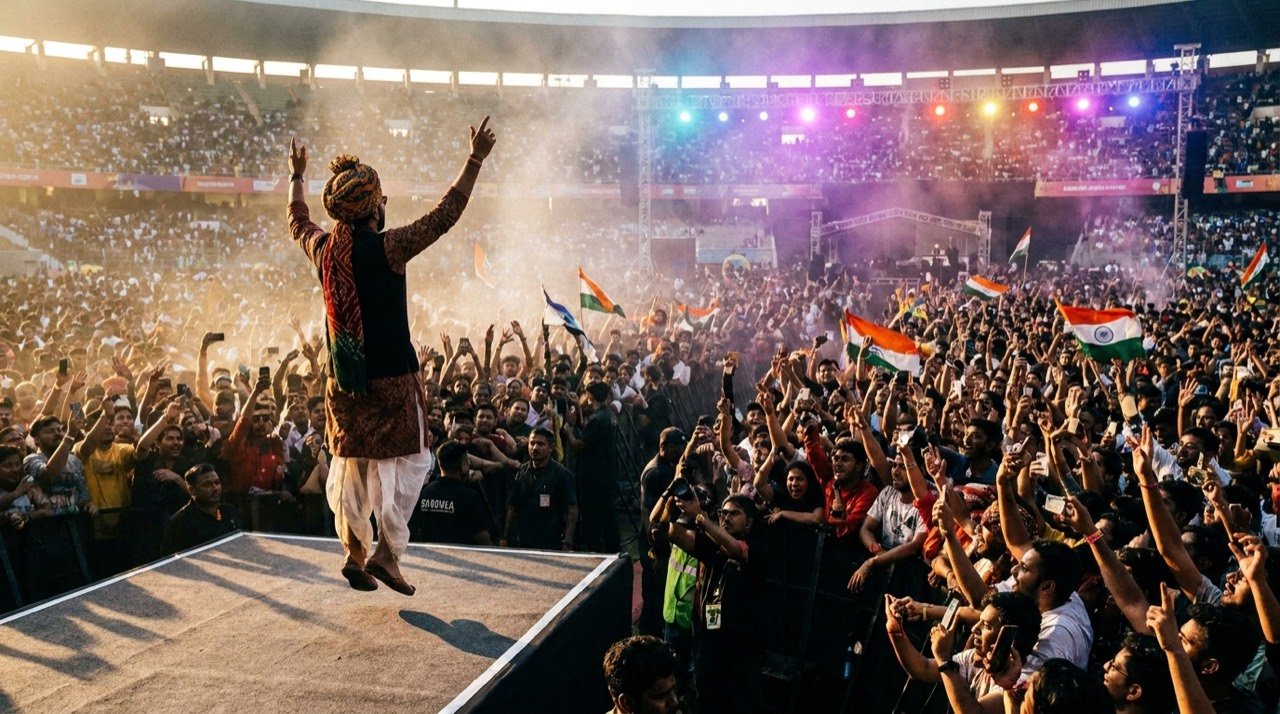
Diljit Dosanjh's Aura World Tour Keeps Punjabi Pop On The Global Marquee
Diljit Dosanjh's Aura World Tour rolls on through 2026 with stadium-scale dates abroad, cementing the singer-actor's standing as one of India's most bankable global live performers.
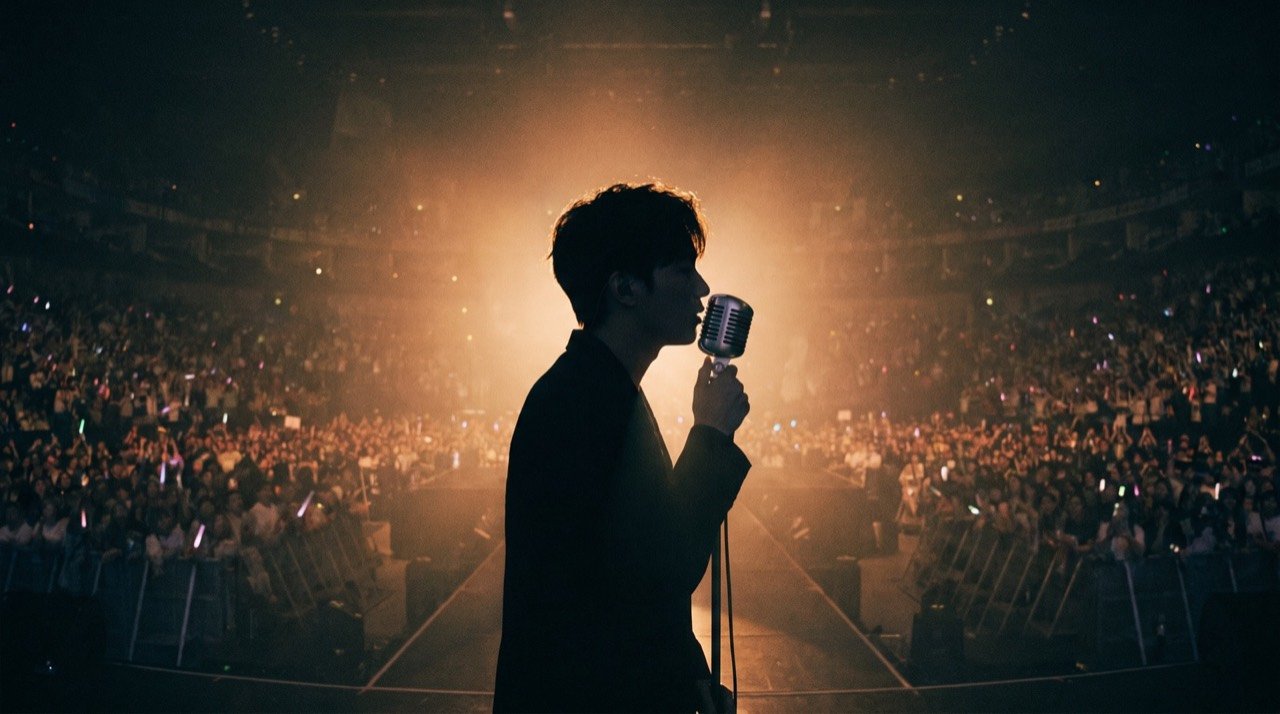
Arijit Singh Overtakes Taylor Swift to Become Spotify's Most-Followed Artist
The Bollywood playback giant has become the world's most-followed musician on Spotify, the first non-English-language artist to hold the crown.
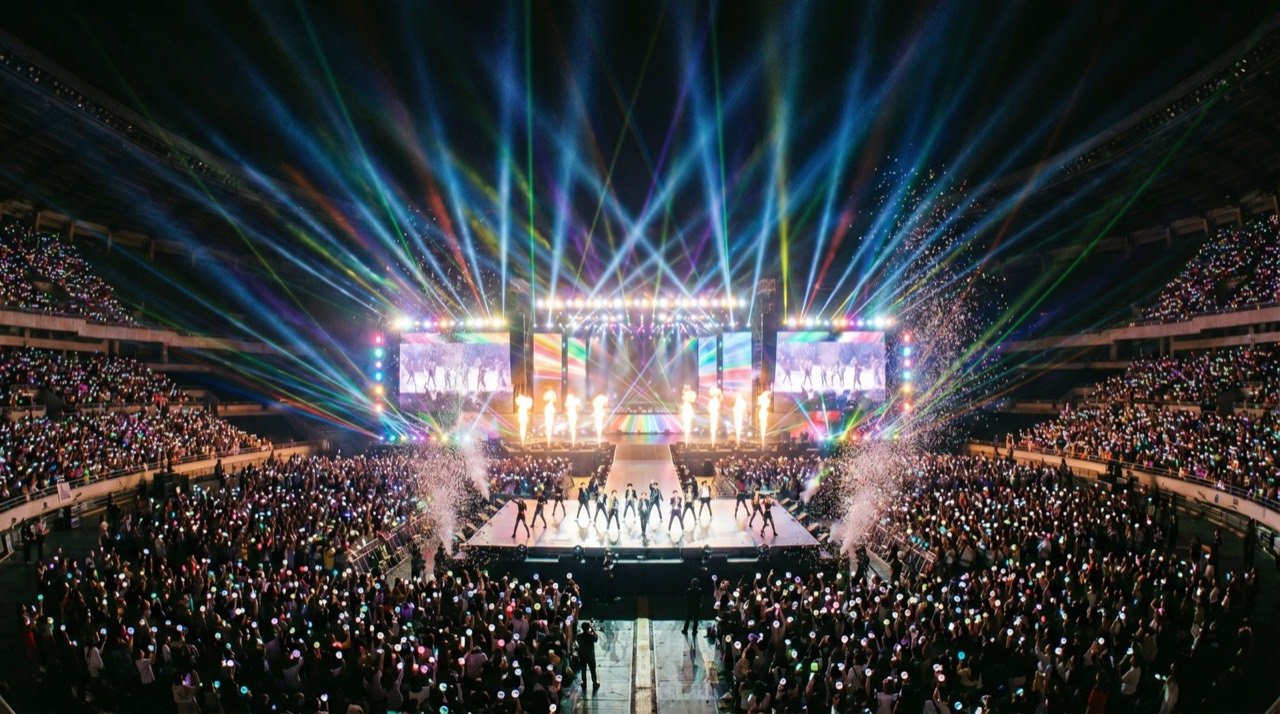
BTS Open Ticket Sales for Asia and Australia Legs of 'Arirang' World Tour
Following their comeback album, BTS rolled out venue and on-sale details in June for the Asia and Australia stretch of a tour spanning more than 85 dates.
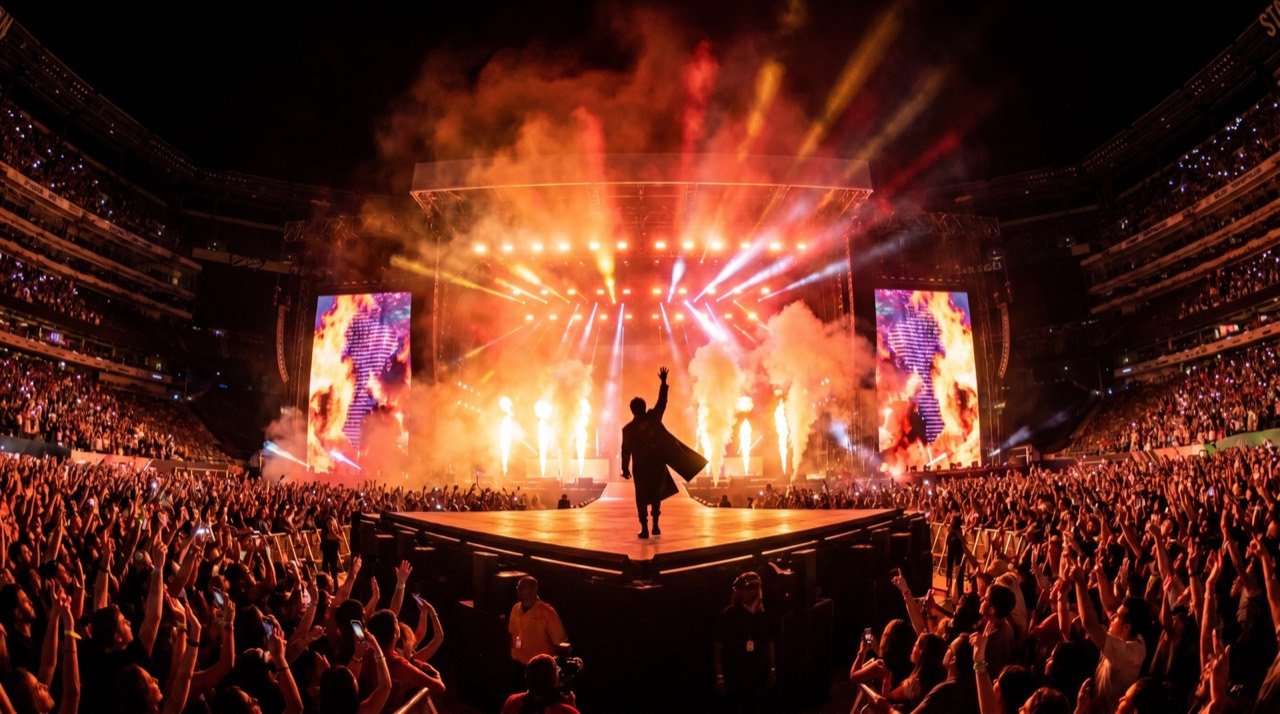
Karan Aujla Takes Punjabi Pop Global With 'P-POP CULTURE' World Tour
After a record-setting India run that drew 75,000 to its Delhi opener, Karan Aujla's 'P-POP CULTURE' tour pushes through the US, UK, Europe and Canada across 2026.
More from this section
More
72nd National Film Awards: Fans Back Mammootty, Allu Arjun, Sai Pallavi
Speculation around the 72nd National Film Awards is intensifying as fan communities across India's language film industries champion favourites including Mammootty, Allu Arjun and Sai Pallavi ahead of any official announcement.
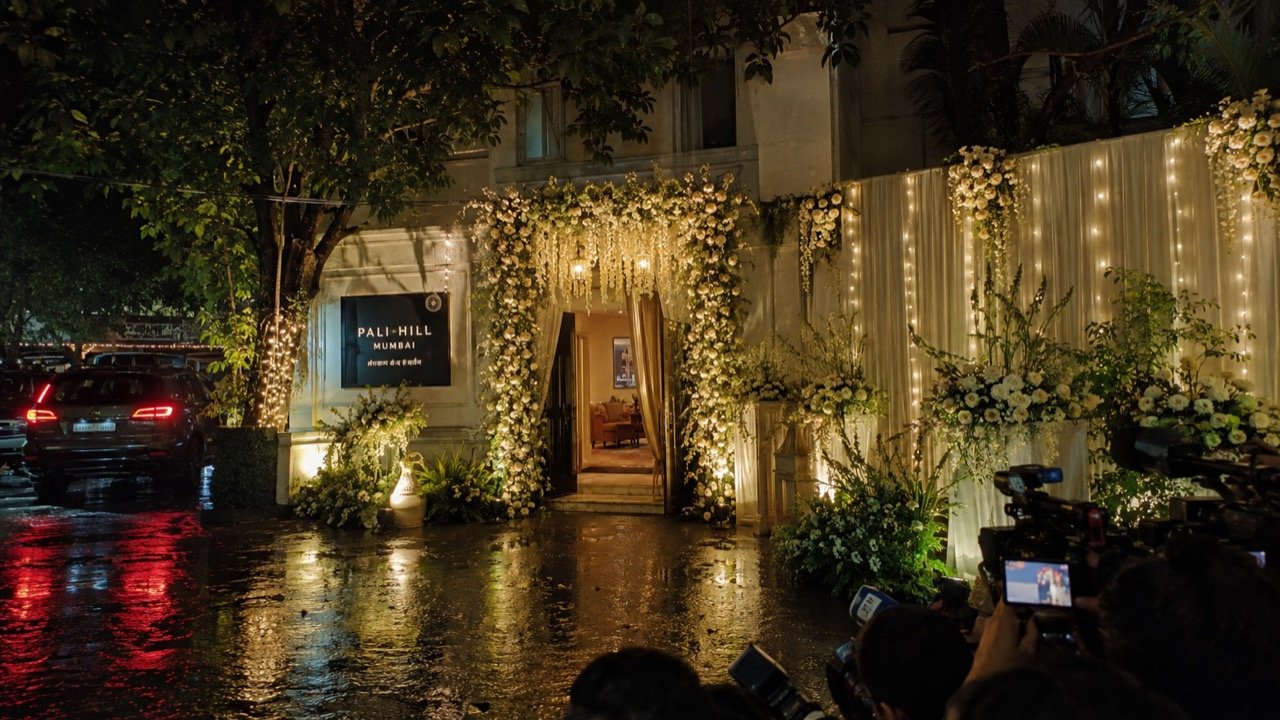
Aamir Khan Marries Gauri Spratt in Private Pali Hill Ceremony
Aamir Khan and Gauri Spratt tied the knot at the actor's Pali Hill home in Mumbai on July 5, turning a deliberately small family ceremony into Bollywood's biggest story of the day.

Akanksha Chamola's Lock Upp 2 Confession Sets Reality TV Abuzz
A personal revelation by Akanksha Chamola ahead of Lock Upp 2 has handed the reality show a viral talking point, underlining how confession-driven formats continue to dominate Indian television conversation.