NDA Eyes Second Run at Delimitation and Women's Quota Bills With DMK, TMC Outreach
After its April defeat, the central government is courting DMK and Trinamool Congress MPs to revive the delimitation and women's reservation bills, with shifting numbers in the Lok Sabha reopening the arithmetic.
Commentary & Analysis ·
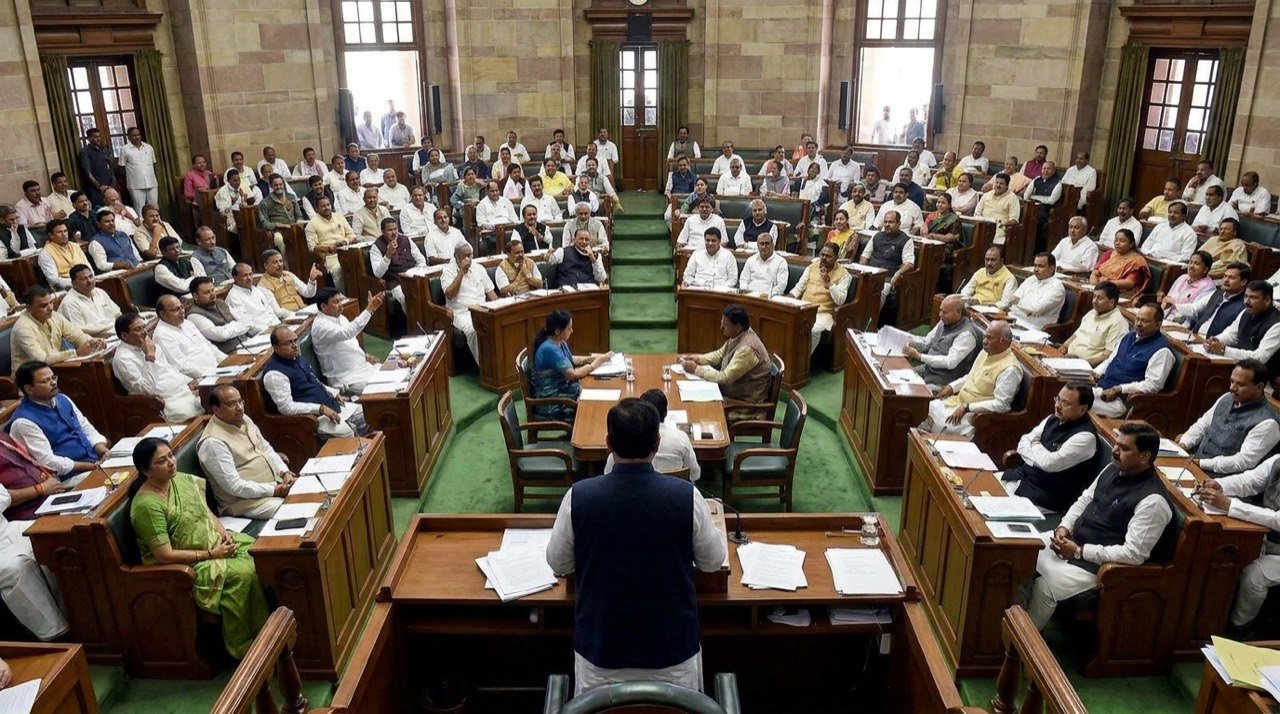
The central government is preparing a second attempt to push through its delimitation framework and linked women's reservation provisions in the monsoon session, two months after the Constitution (131st Amendment) Bill collapsed on the floor of the Lok Sabha. That the Centre is returning to this ground at all, rather than shelving the exercise, signals how central both delimitation and women's reservation remain to its legislative agenda. The renewed effort hinges on a careful courtship of regional parties whose votes could tip the constitutional arithmetic, a courtship that will likely determine whether the monsoon session becomes a legislative triumph or a repeat humiliation.
The April setback and why it mattered
The 131st Amendment Bill sought to raise the maximum strength of the Lok Sabha from 550 to 850 and to enable women's reservation based on a fresh delimitation. It was rejected in April, with 298 members voting in favour and 230 against, falling short of the two-thirds threshold a constitutional amendment requires. The Centre subsequently withdrew the accompanying Delimitation Bill rather than let it be defeated outright. For a government that has generally commanded comfortable numbers on major legislation, this was a rare and conspicuous reverse. It exposed a fault line that cuts across the usual government-versus-opposition binary: the anxiety of southern and eastern states, regardless of which bloc their MPs sit in, about losing relative seat share once parliamentary constituencies are redrawn to reflect current population data. Bundling delimitation with women's reservation, a popular and broadly consensual idea in isolation, effectively imported that anxiety into a bill that might otherwise have sailed through.
What has changed in the numbers since April
What has shifted since April is the fluidity within two key opposition contingents. The NDA is reported to have received positive signals from sections of the DMK's 22-member Lok Sabha bloc for issue-based support, while a group of Trinamool Congress MPs is said to be reconsidering its alignment. Government managers evidently believe these movements could narrow the gap to the required two-thirds majority. It is worth being precise about what this means in practice: these are described as informal signals and reconsiderations, not floor commitments, and the distance between a friendly private conversation and a recorded vote in the Lok Sabha is often considerable. Any calculation built on such signals carries real risk of miscounting, especially on a constitutional amendment where whips can be defied more easily than on ordinary legislation and where individual MPs may feel more exposed to scrutiny back home.
Opposition resistance remains vocal
Opposition leaders remain publicly resistant, even as their parties' internal positions are reported to be shifting. DMK MP Kanimozhi Karunanidhi has argued that clubbing delimitation with women's reservation raises concerns for both women and progressive states, a framing that positions the two goals as being in tension rather than complementary. TMC's Derek O'Brien has gone further, accusing the government of using women as a decoy to pass the delimitation measure, a charge that reframes the entire bill as a Trojan horse rather than a good-faith attempt at gender representation. These public statements matter because they set the terms on which any MP who ultimately supports the bill will have to explain themselves to their own party and their own electorate. A DMK or TMC MP who votes with the government after their party's senior voices have made such arguments publicly would be taking a visible political risk, which is one reason why the gap between private signalling and a floor vote may prove harder to close than government managers currently expect.
Delimitation as the third rail of federal politics
The reason this bill generates such heat, far more than an ordinary increase in legislative strength would, is that delimitation touches the core bargain of Indian federalism. Southern states, and to a degree eastern ones, have historically kept population growth in check relative to the north, partly in response to national family planning and development goals. A delimitation exercise that reallocates Lok Sabha seats strictly by current population would, on this logic, reward states with higher population growth and penalise those that restrained it, precisely the outcome southern political leaders across party lines have warned against for years. This is why the government's outreach to the DMK, a party whose base sits squarely in a state most exposed to this risk, is such a delicate exercise. Any DMK support, however partial or issue-based, would need to be reconciled with the party's long-standing public position on protecting southern representation, and it is unclear from current signals how that reconciliation is meant to work in substance rather than merely in vote-counting.
The stakes for federalism and what happens next
The bill, if reintroduced, would once again seek to expand the Lok Sabha to a maximum of 850 seats, with women's reservation tied to the completion of a fresh delimitation. The DMK's 22 MPs are seen as a swing bloc whose issue-based support could matter disproportionately given how close the April vote came to the two-thirds threshold. A constitutional amendment needs a two-thirds majority to pass, a high bar that leaves little room for miscalculation. Whether the Centre can convert informal feelers into actual floor votes will be the defining test of the monsoon session. With both bills carrying long-term consequences for the balance of power between Parliament's regions, and by extension for how federal resources and representation are distributed for decades to come, the negotiations over the coming weeks are likely to be watched as closely as any debate that eventually takes place inside the chamber itself. Regional parties beyond the DMK and TMC, and state governments not directly represented in these negotiations, will also be watching closely, since any precedent set here will shape how future delimitation exercises are negotiated nationally.
The NE Times View
Courting the DMK and Trinamool after April's defeat shows the NDA reading the Lok Sabha arithmetic realistically rather than relying on muscle. That is a sensible, even necessary, approach for a coalition that has already been burnt once on this exact bill. But delimitation is the third rail of federal politics: southern states fear losing seats for having controlled population growth, and no quiet outreach erases that underlying grievance. Bundling the women's quota alongside is smart politics, since it forces reluctant MPs to weigh the optics of blocking gender representation against their federalism concerns. Whether it survives the South's suspicion is the real question, and the answer will depend less on private assurances from individual MPs than on whether the government can offer southern states some credible reassurance on seat-share protection that goes beyond rhetoric. Until such a reassurance is on the table, informal signals of support should be read as exactly that, and no more.
Key takeaways
- The Constitution (131st Amendment) Bill was defeated in April with 298 votes for and 230 against, short of the required two-thirds majority, after which the Centre withdrew the linked Delimitation Bill.
- The government is reportedly seeing softer signals from sections of the DMK's 22-member bloc and some TMC MPs, though these remain informal rather than confirmed floor commitments.
- DMK's Kanimozhi Karunanidhi and TMC's Derek O'Brien have both publicly criticised the linkage of women's reservation with delimitation, framing it respectively as a concern for progressive states and as a decoy tactic.
- The core tension is federal: expanding the Lok Sabha to 850 seats via fresh delimitation risks reducing the relative representation of southern and eastern states that have restrained population growth.
- The monsoon session will test whether private outreach can be converted into the two-thirds majority needed, a threshold the government narrowly missed only two months ago.
You may also like to read
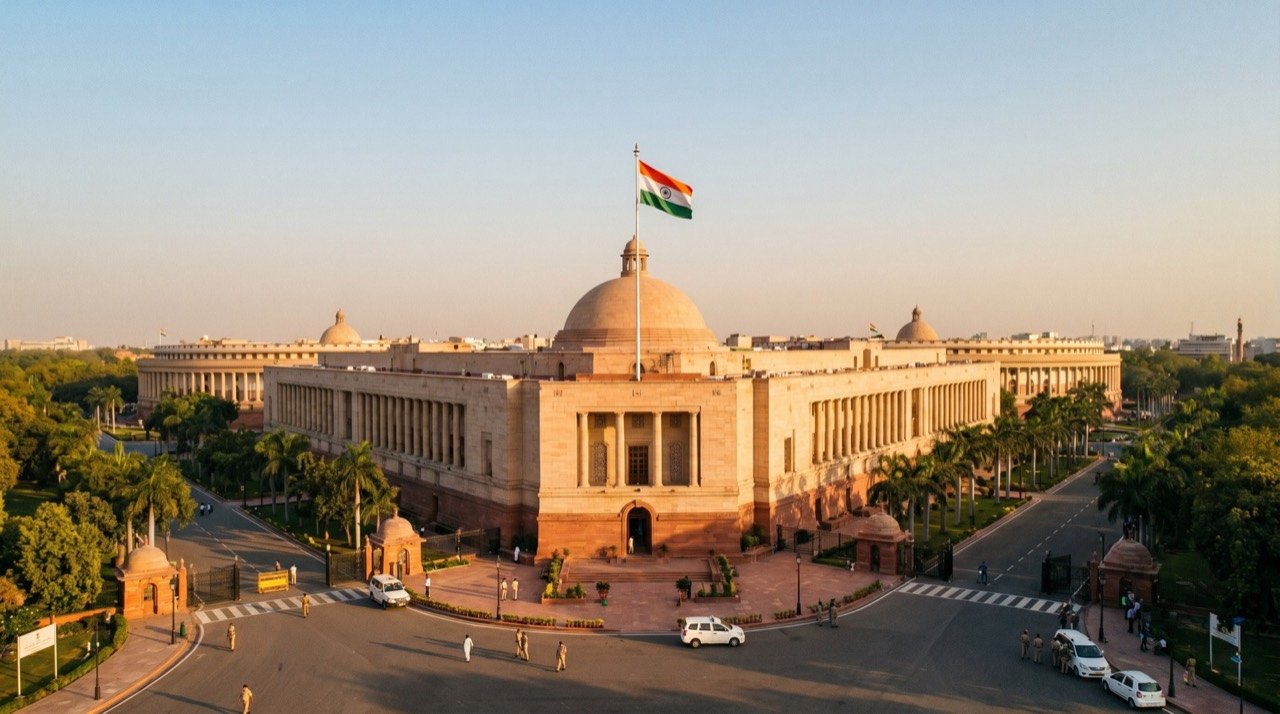
Government Plans Fresh Push On Delimitation After 131st Amendment Defeat
Having seen the Constitution (131st Amendment) Bill fall short of the two-thirds majority earlier this year, the Centre is preparing to bring delimitation-linked legislation back in the monsoon session.
Himanta Biswa Sarma Expands Assam Cabinet as NDA Cements Second-Term Dominance
After the NDA's three-fourths sweep in Assam, Chief Minister Himanta Biswa Sarma inducted a dozen new ministers in early June, balancing fresh BJP faces with allies AGP and BPF in his second-term council.
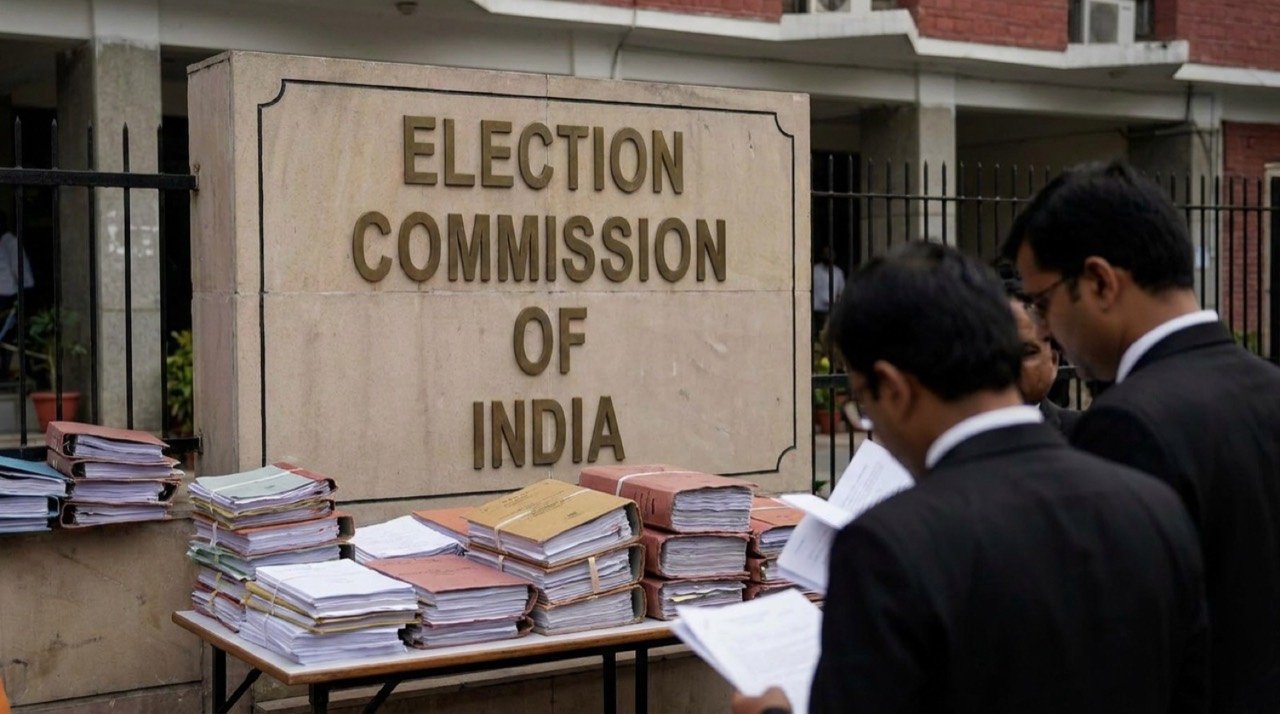
TMC Leadership-List Dispute Reaches the Election Commission
A dispute inside the Trinamool Congress over office-bearer lists and organisational authority has reached the Election Commission, raising procedural questions with real stakes for West Bengal politics.
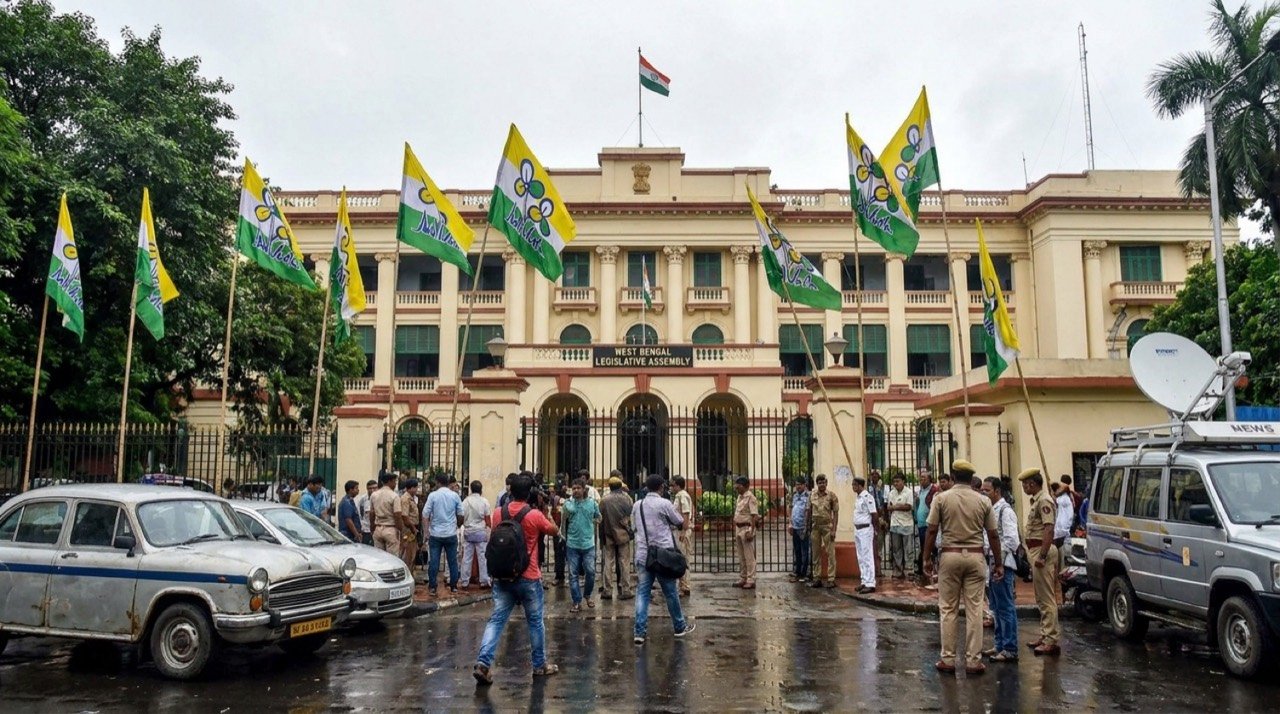
TMC Expels Senior Leaders as West Bengal Party Crisis Deepens
The Trinamool Congress crisis escalated as the party expelled eight senior leaders, including Firhad Hakim, over alleged anti-party activity, after a rebel faction claimed to remove Mamata Banerjee.
More from this section
More
K Kavitha Party Denied TRS Name by Election Commission
The Election Commission has refused to register K Kavitha's Telangana Rakshana Sena under the TRS acronym after objections, forcing a branding reset for the new party at a politically sensitive moment in Telangana.
Lalu Prasad Yadav Security Downgrade, Bungalow Order Stir Bihar
A government order downgrading Lalu Prasad Yadav's security cover and asking him to vacate an official bungalow has opened a fresh political flashpoint in Bihar, with the RJD chief's reaction fuelling the row.
Manipur CM's Churachandpur Visit: First Since 2023 Unrest
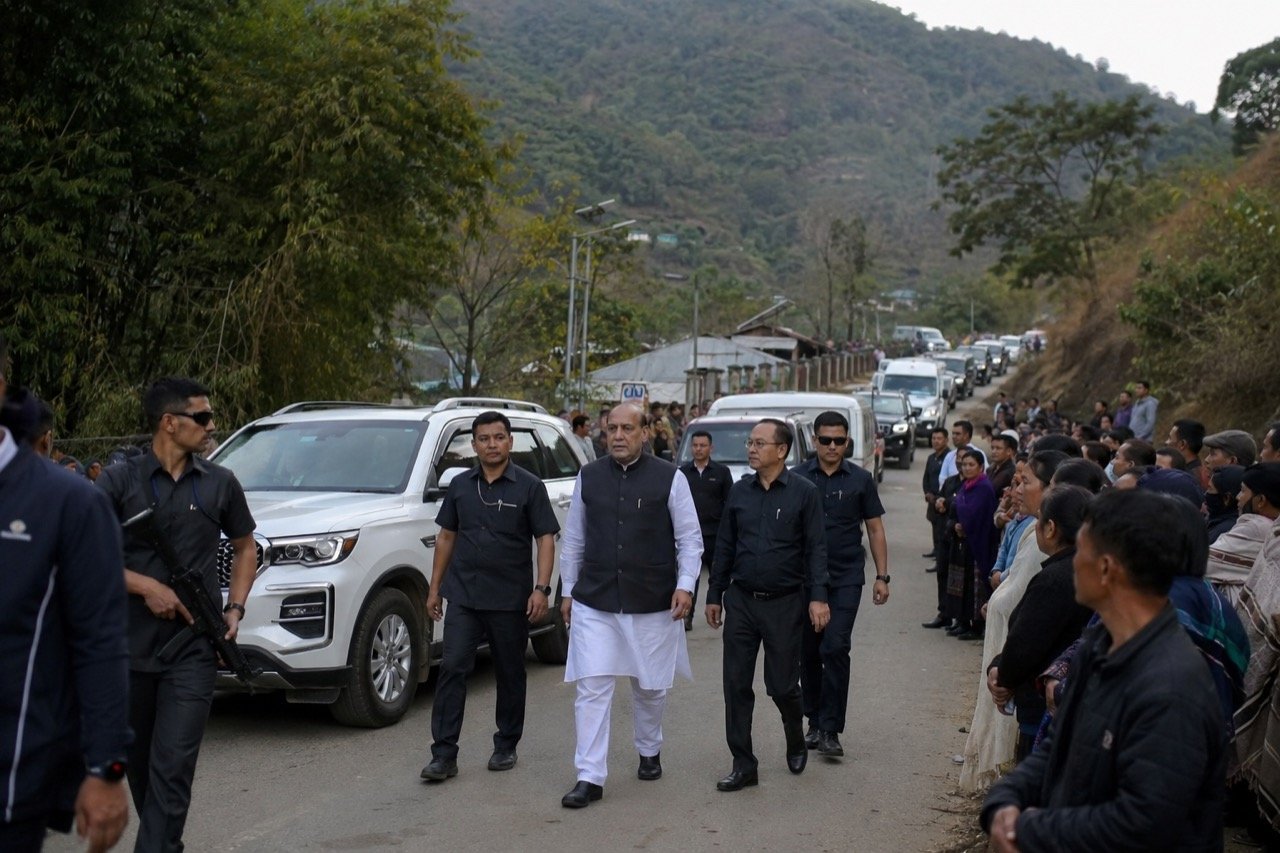
The Manipur Chief Minister travelled to Churachandpur for a BJP MLA's funeral, his first visit to the district since the 2023 violence, lending the sombre occasion an unmistakable political significance.