Himanta Biswa Sarma Expands Assam Cabinet as NDA Cements Second-Term Dominance
After the NDA's three-fourths sweep in Assam, Chief Minister Himanta Biswa Sarma inducted a dozen new ministers in early June, balancing fresh BJP faces with allies AGP and BPF in his second-term council.
Commentary & Analysis ·
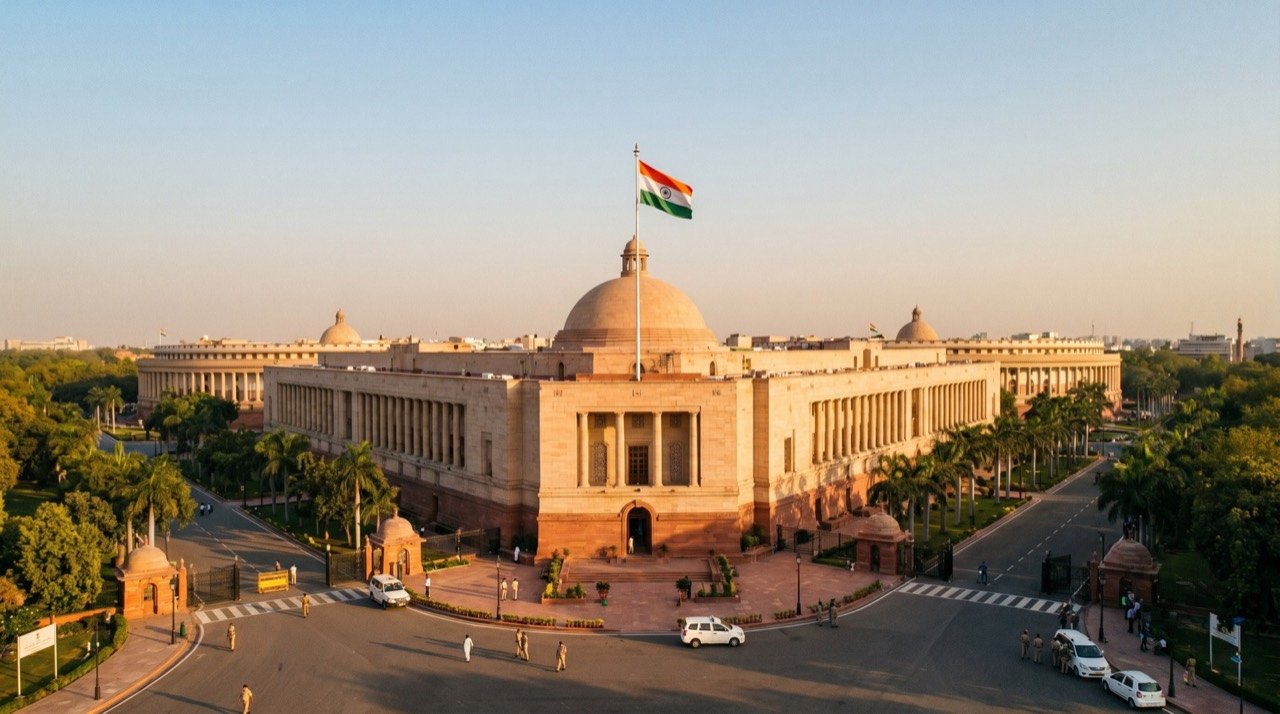
Assam has handed Himanta Biswa Sarma a second term with one of the most emphatic mandates in the state's recent history, and the chief minister has wasted little time consolidating it. The National Democratic Alliance secured a three-fourths majority, winning 81 of the 126 assembly seats, with allies pushing the bloc's overall tally past the hundred mark. Sarma took oath for a second term on 12 May 2026, and in early June he expanded his council of ministers to give the new government its full shape. The sequence of events, from a landslide verdict to a swiftly assembled cabinet, points to a chief minister moving with evident confidence and little appetite for delay.
A dozen new inductions
The cabinet expansion, held shortly after the governor returned from an overseas trip, saw around 12 MLAs take oath, including several first-time ministers from the BJP alongside continuing heavyweights from the party's senior ranks. This blend of generational renewal and institutional memory is a familiar pattern in Indian state governments after a decisive win: reward the loyalists who delivered the numbers, but also open the door to fresh faces who can be groomed for the long haul of a five-year term. Portfolios were distributed not just within the BJP but across its coalition partners, the Asom Gana Parishad and the Bodoland People's Front, reflecting an effort to keep every constituent of the alliance visibly invested in government rather than relegated to the margins.
Notably, senior ministers retained charge of transformation and development, rural administration, and women and child welfare. That continuity in the government's headline portfolios signals that Sarma intends to build on an existing policy architecture rather than start from a blank slate. For a state government that has spent its first term emphasising delivery-oriented departments, keeping the same hands on these levers suggests the administration sees policy consistency as more valuable than the optics of a wholesale reshuffle.
Allies and arithmetic
The careful inclusion of AGP and BPF figures in the new cabinet underscores the coalition management that has come to define Sarma's tenure. Both parties bring regional constituencies and historical grievances that the BJP cannot easily absorb on its own, and giving them cabinet berths is as much a signal to their voter bases as it is a reward for their MLAs. This is not incidental housekeeping; it is the mechanism by which a dominant party keeps smaller allies committed to the coalition rather than tempted to hedge their bets or drift towards opposition benches in search of leverage.
With the opposition Congress reduced to a marginal presence in the new assembly, the political contest in Assam has effectively been displaced. Where a competitive two-sided fight might once have kept the ruling alliance disciplined through fear of electoral punishment, that check has weakened considerably. The result is that the more consequential political dynamics over the coming term may unfold not between the NDA and Congress, but within the ruling coalition itself, as the BJP, AGP and BPF negotiate influence, resources and credit for the government's record.
What the mandate enables
A commanding majority of this scale gives the Sarma government considerable room to pursue an ambitious agenda. Infrastructure expansion, flood management and the perennially contentious questions of citizenship and demography, issues that have shaped Assam's politics for decades, are all areas where a government insulated from a strong opposition can legislate and implement with fewer procedural obstacles. Whether that translates into faster, better outcomes for citizens is a separate question from whether the government has the numbers to attempt it, and the coming term will be the real test of that distinction.
The scale of the win also has implications beyond Assam's borders. It strengthens Sarma's standing within the BJP's national organisation, reinforcing his profile as one of the party's most effective state-level campaigners and administrators in the Northeast. A chief minister who delivers a three-fourths majority becomes a valuable asset for the party's broader regional strategy, and that stature can, in turn, translate into greater bargaining power for Assam's interests in dealings with the central government, from funding allocations to policy priorities.
Governing without a strong opposition
The fragmentation of the Congress presence in the assembly removes one of the traditional guardrails on executive behaviour: a vocal, numerically credible opposition capable of holding the government to account in the legislature. In its absence, scrutiny is likely to shift to other venues, civil society, the press, and intra-coalition dissent, rather than the assembly floor. This is not a uniquely Assamese phenomenon; it is a recurring feature of Indian state politics whenever one alliance secures an overwhelming mandate. But it does raise the stakes on how disciplined and self-critical the ruling coalition chooses to be in the absence of external pressure.
It also places a premium on how Sarma manages his own party's newly inducted ministers. First-time office holders will be eager to demonstrate results and build their own bases, and how the chief minister balances their ambitions against the continuity concerns represented by his more experienced colleagues will shape internal cohesion. Coalition management, in other words, is not just about the AGP and BPF; it is equally about managing expectations within an expanded and more diverse BJP ministerial team.
The NE Times View
A three-fourths majority hands Himanta Biswa Sarma rare freedom, and rewarding the AGP and BPF with cabinet berths shows he intends to keep the coalition intact rather than bulldoze it in favour of BJP dominance alone. That is a sound short-term strategy for stability. But dominance carries its own risk: unchecked majorities tend to grow complacent or combative, particularly once the discipline imposed by a competitive opposition disappears. Assam's real tests remain unglamorous and stubborn, floods that recur with the seasons, the unfinished business of the NRC, and the perennial demand for jobs that no cabinet reshuffle by itself can satisfy. A bigger cabinet is easy to assemble. Better governance for the whole state, delivered consistently over a five-year term, is the harder mandate, and it is the one by which this government will ultimately be judged.
Key takeaways
- The NDA won 81 of 126 Assam assembly seats, with allies pushing the bloc's tally past 100, and Himanta Biswa Sarma took oath for a second term on 12 May 2026.
- Around 12 new ministers were inducted in the early-June cabinet expansion, blending first-time BJP inductees with retained heavyweights, and portfolios were shared across the BJP, AGP and BPF.
- Continuity in key departments such as transformation and development, rural administration, and women and child welfare signals a focus on policy consistency over reshuffling for its own sake.
- With the Congress reduced to a marginal presence, political scrutiny is likely to shift from the assembly floor to coalition management and internal BJP dynamics.
- The scale of the mandate strengthens Sarma's national standing within the BJP, but the government's real test lies in delivery on floods, the NRC and employment.
You may also like to read
PM Modi Calls on President Murmu as Cabinet Reshuffle Speculation Grows in Delhi
Prime Minister Narendra Modi met President Droupadi Murmu at Rashtrapati Bhavan on June 23, a call that drew sharp political attention amid mounting speculation over a possible Union Council of Ministers reshuffle.
George Kurian Resigns as Minister After Rajya Sabha Term Ends
The exit of one of Kerala BJP's most prominent national faces reopens questions over the party's southern strategy and its Rajya Sabha arithmetic.
NDA Eyes Second Run at Delimitation and Women's Quota Bills With DMK, TMC Outreach
After its April defeat, the central government is courting DMK and Trinamool Congress MPs to revive the delimitation and women's reservation bills, with shifting numbers in the Lok Sabha reopening the arithmetic.
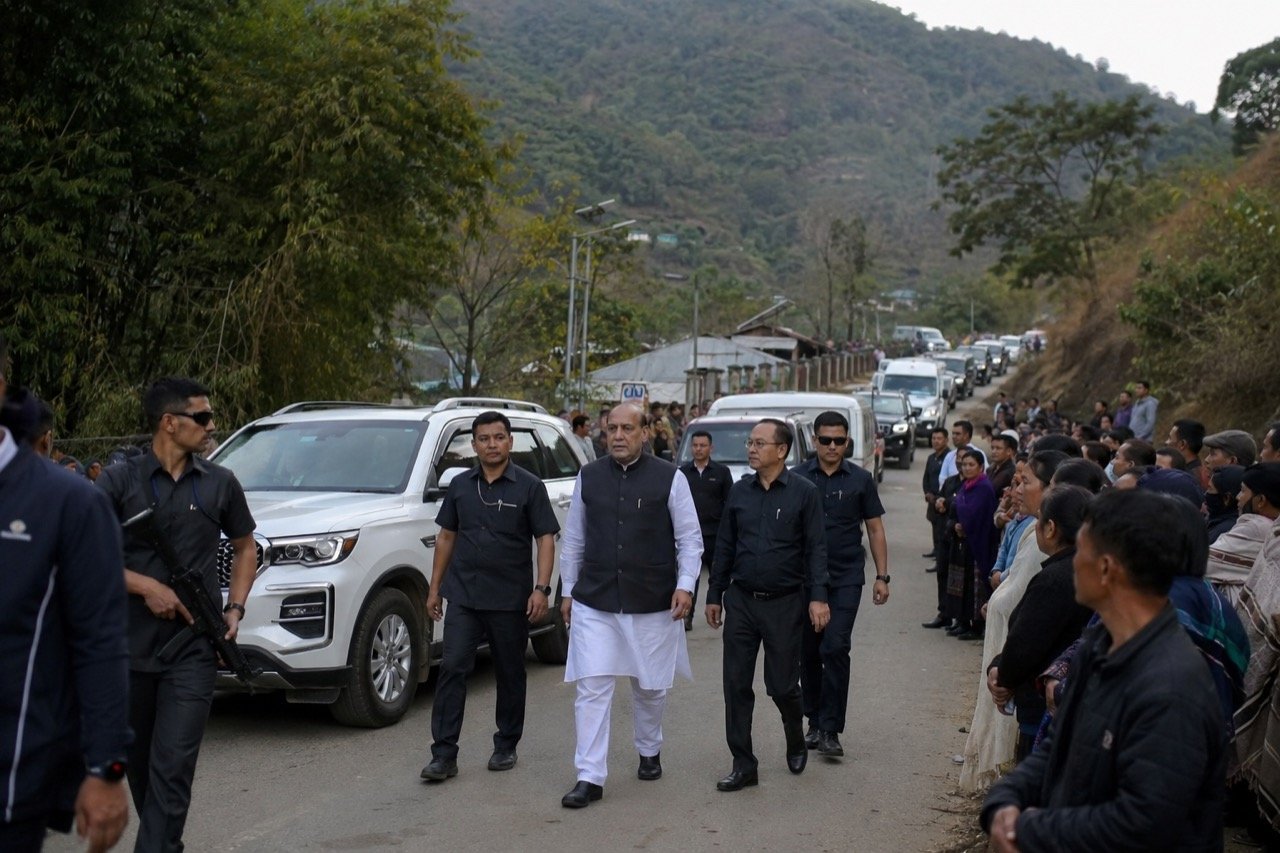
Manipur CM's Churachandpur Visit: First Since 2023 Unrest
The Manipur Chief Minister travelled to Churachandpur for a BJP MLA's funeral, his first visit to the district since the 2023 violence, lending the sombre occasion an unmistakable political significance.
More from this section
More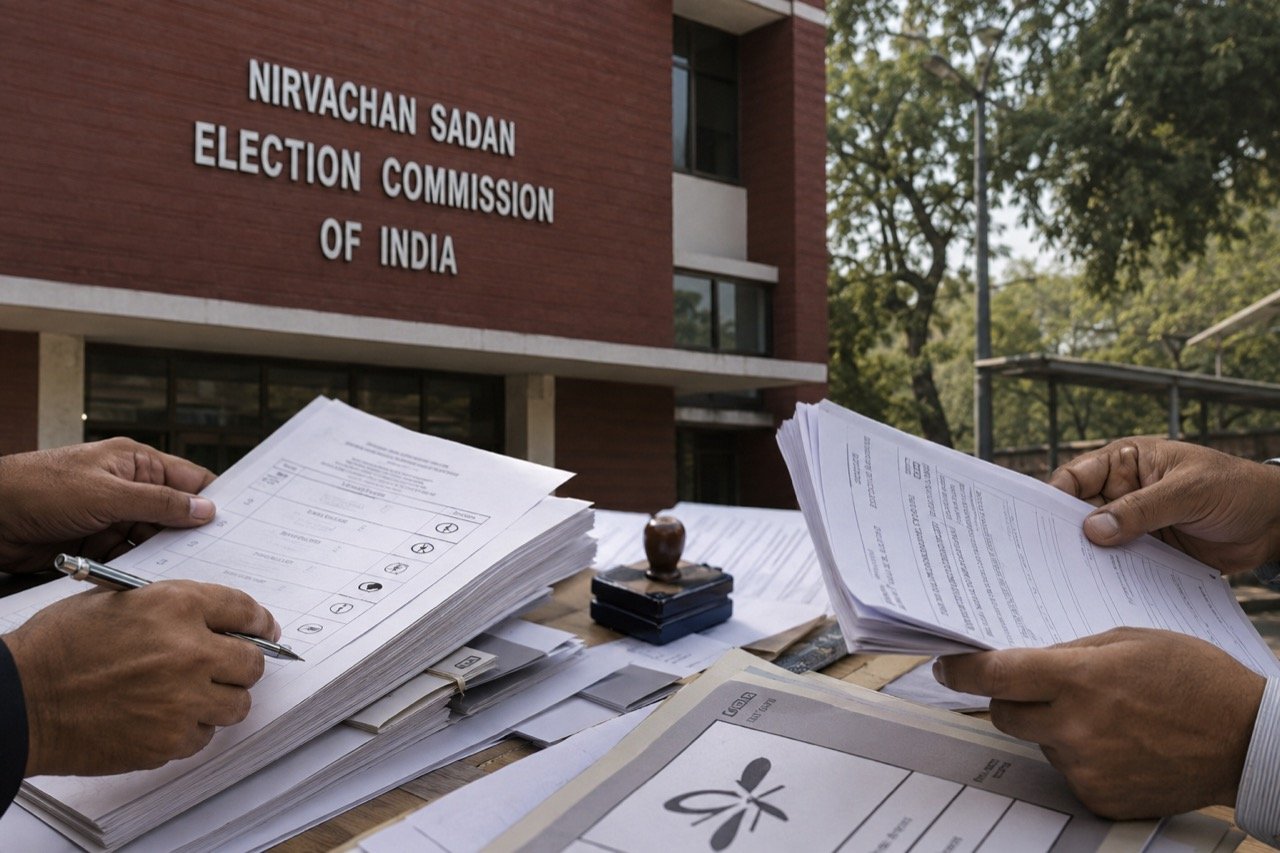
K Kavitha Party Denied TRS Name by Election Commission
The Election Commission has refused to register K Kavitha's Telangana Rakshana Sena under the TRS acronym after objections, forcing a branding reset for the new party at a politically sensitive moment in Telangana.
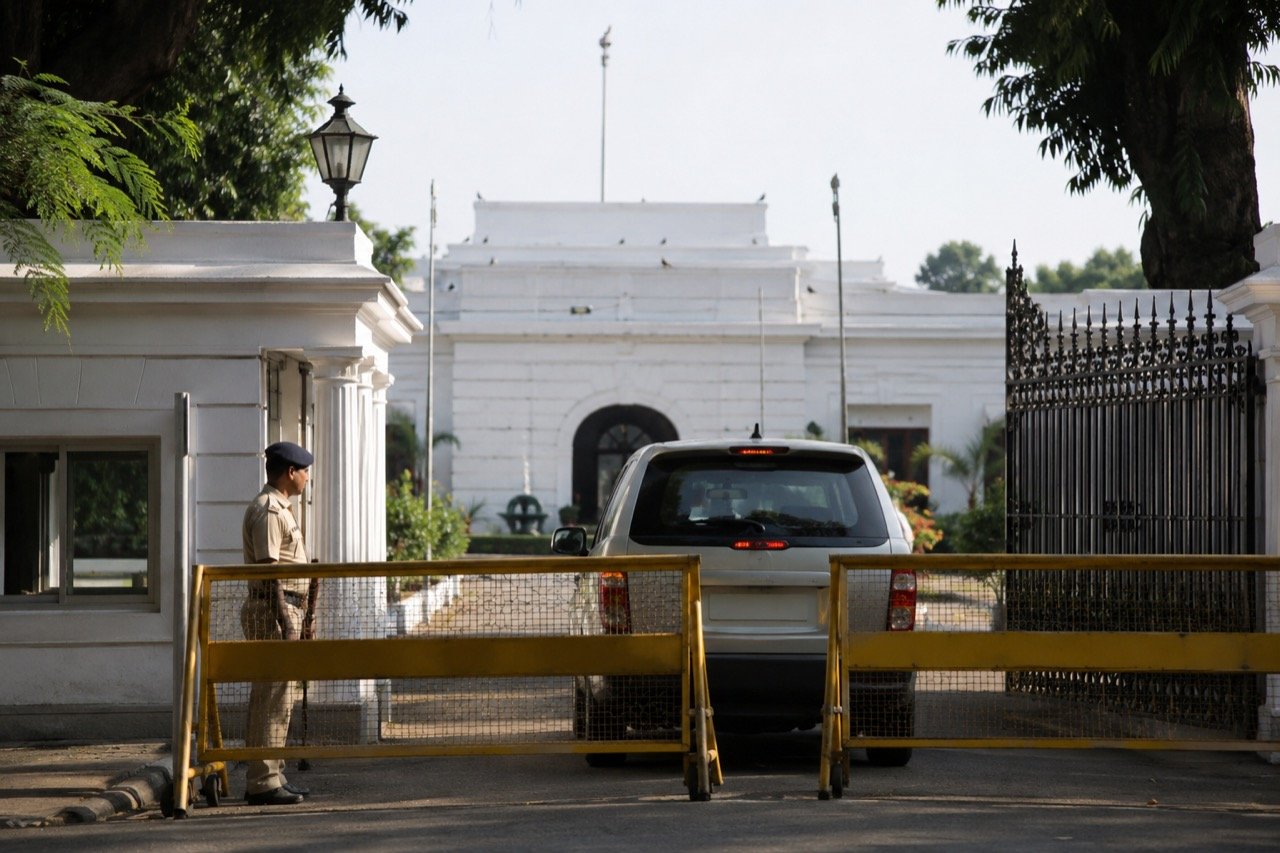
Lalu Prasad Yadav Security Downgrade, Bungalow Order Stir Bihar
A government order downgrading Lalu Prasad Yadav's security cover and asking him to vacate an official bungalow has opened a fresh political flashpoint in Bihar, with the RJD chief's reaction fuelling the row.
Manipur CM's Churachandpur Visit: First Since 2023 Unrest
The Manipur Chief Minister travelled to Churachandpur for a BJP MLA's funeral, his first visit to the district since the 2023 violence, lending the sombre occasion an unmistakable political significance.